Key Takeaways
- Look for leaks, missing tiles, damp insulation, and ceiling stains.
- Arrange urgent repairs for serious roof damage.
- Decide between repair and replacement based on the roof’s condition.
- Compare written quotes and what each includes.
- Check a roofer’s experience, insurance, and guarantees.
- Avoid rushed decisions and suspicious payment requests.
- Leave dangerous roof inspections and repairs to professionals.
- Keep records and schedule regular roof maintenance.
A small roof fault can quickly become a larger problem when water reaches insulation, timber, ceilings, or electrical fittings. Whether you have noticed a damp patch or visible damage after bad weather, acting early can help you understand the issue before arranging repairs. If you are finding a roofer, start by gathering clear details about the symptoms, the roof type, and when the problem first appeared.
Roof repairs are rarely a good candidate for rushed DIY work. A careful assessment, a detailed written quote, and safe access arrangements give you a stronger basis for deciding what needs to be done and what it should include.
Table Of Contents
- Spotting Roof Problems Early
- When A Roof Problem Needs Fast Action
- Repair Or Replace: How To Decide
- What Affects Roof Repair Costs?
- Safe Checks Homeowners Can Make From The Ground
- How To Choose A Suitable Roofer
- What To Look For In A Roofing Quote
- Roofing Scams And Warning Signs
- What To Expect During The Work
- Aftercare, Guarantees, And Future Maintenance
- Common Roof Repair Questions
Spotting Roof Problems Early
Warning signs include slipped or missing tiles, cracked mortar around ridge tiles, damaged flashing, overflowing gutters, damp loft insulation, and stains on ceilings or walls. A ceiling mark does not always sit directly below the point where rain entered because water can travel along timbers or roof coverings before dripping inside.
For example, one slipped tile may expose the underlay beneath it. If water repeatedly enters that area, the insulation can become damp, and nearby timber may remain wet longer than intended. From ground level, look for uneven tile lines, debris in gutters, loose roof-edge materials, or branches rubbing against the roof.
When A Roof Problem Needs Fast Action
Arrange prompt help if water is entering a living space during rain, a large area of covering has lifted, the roofline appears to sag, or chimney pots, ridge tiles, or masonry look loose. Damage caused by high winds, falling branches, or severe rainfall also deserves attention, particularly when it leaves an opening in the roof.
Place a container beneath an indoor drip, move furniture and electrical items away from the affected area, and take photographs if it is safe to do so. If water reaches electrical fittings, do not touch them. Avoid climbing onto a wet, storm-damaged, or visibly weakened roof.
Repair Or Replace: How To Decide
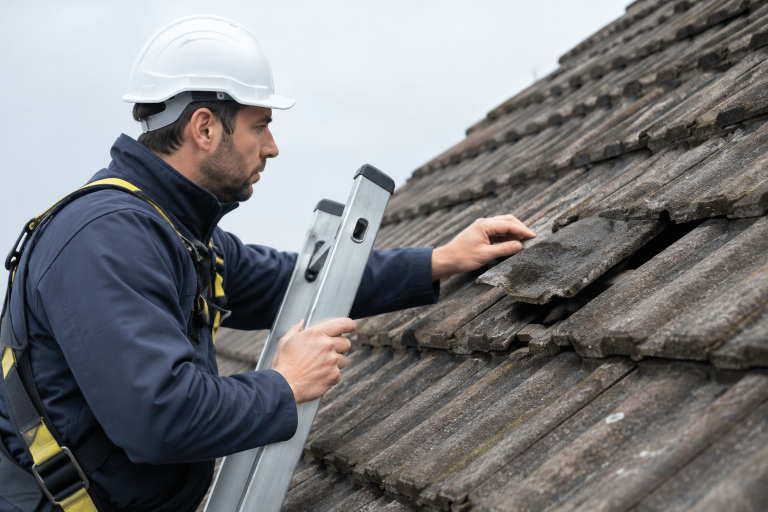
A local repair may be appropriate when damage is limited, and the rest of the roof remains in sound condition. Replacement can become more practical when faults are widespread, leaks keep returning, or underlying battens, underlay, decking, or supporting timbers are significantly damaged.
Consider the roof’s overall condition, its repair history, the availability of matching tiles or slates, and the likely cost of repeated work. Age alone is not decisive. An older roof that has been well maintained may need only a targeted repair, while a newer roof can sustain serious damage due to poor installation or a storm.
What Affects Roof Repair Costs?
Roofing quotes can vary because the visible issue is only one part of the job. Common cost factors include:
- Roof height, pitch, access, and the need for scaffolding.
- The type, quantity, and availability of materials.
- Labor time, travel, waste removal, and site cleaning.
- Hidden damage to timber, insulation, ceilings, or other finishes.
- Emergency attendance and weather-related working limitations.
Two quotes may look different because one includes access equipment, materials, waste removal, and cleanup, while the other covers only a basic repair. Compare the scope, not just the final figure.
Safe Checks Homeowners Can Make From The Ground
Binoculars can help you inspect roof coverings, flashing, gutters, and roof edges without leaving the ground. You can also check the loft for damp smells, fresh staining, wet insulation, or visible daylight around roof junctions.
Do not walk on roof coverings, lean ladders against fragile surfaces, or attempt difficult access without suitable equipment. The HSE warns that work on roofs is highly dangerous, even for short jobs, so proper planning and fall protection matter.
How To Choose A Suitable Roofer
- Ask for a written description of the proposed work.
- Check relevant qualifications, insurance, and trade experience.
- Request examples of similar completed jobs where available.
- Ask who will carry out the work and how long it should take.
- Confirm how waste, access equipment, and unexpected findings will be handled.
- Ask whether a workmanship guarantee is offered and request its terms in writing.
Local knowledge can be useful where a property has traditional materials, unusual roof shapes, weather exposure, or planning restrictions. However, location should be one consideration among several, alongside clear communication and written details.
What To Look For In A Roofing Quote
A useful quote should identify the trader, describe the work precisely, list materials where possible, and state whether access equipment, labor, waste removal, and VAT are included. It should also cover the payment schedule, estimated dates, guarantee terms, and the process for approving additional work.
Ask for essential repairs and optional improvements to be listed separately. This makes it easier to protect your budget while understanding work that may be worthwhile but is not immediately necessary.
Roofing Scams And Warning Signs
Be cautious of unsolicited doorstep offers, urgent claims without clear evidence, cash-only demands, requests for full payment before work begins, or vague quotes with no scope of work. You should also pause if the price rises sharply after work starts without an explanation and your agreement.
Keeping photographs, messages, invoices, and notes of conversations can be helpful in the event of a dispute. Citizens Advice advises consumers to be wary of pressure to pay immediately and to get agreed work in writing.
What To Expect During The Work
Roofing projects may involve scaffolding, protective sheets, skips, noise, dust, and vibration. Move fragile belongings from lofts and upper rooms where possible, and ask how driveways, gardens, windows, and vehicles will be protected. Poor weather may delay work because safe conditions and suitable materials are important.
Aftercare, Guarantees, And Future Maintenance
When the work is complete, ask for invoices, guarantees, product details, and photographs of concealed areas where practical. Check that waste has been removed and that gutters and downpipes are clear. After the next period of rain, inspect the loft for fresh water marks or damp odors.
Regular gutter clearing, ground-level roof checks, and trimming overhanging branches can reduce avoidable issues. Older or difficult-to-access roofs may also benefit from occasional professional inspection.
Common Roof Repair Questions
How Do You Know If A Roof Needs Repair?
Common clues include recurring leaks, visible damage, ceiling stains, damp insulation, loose materials, and water entering after rainfall.
Can A Homeowner Repair A Roof?
Some ground-level maintenance may be manageable, but roof access carries serious risks. Most repairs are best left to a suitably skilled professional with appropriate safety measures in place.
How Many Roofing Quotes Should You Get?
Where practical, compare several detailed written quotes. Make sure each one covers the same proposed work before comparing prices.
Should A Roofer Provide A Guarantee?
Guarantees vary by the work and materials used. Ask what is covered, how long the coverage lasts, and whether exclusions apply.
Can Roof Repairs Be Done In Winter?
Some repairs can be completed in colder months, but rain, frost, ice, and high winds can affect safe working conditions and scheduling.
Final Thoughts
Protecting your home starts with taking roof problems seriously before they develop into more expensive structural or water damage. Whether you need a minor repair or a more extensive replacement, a careful inspection, clear written quotes, and a qualified roofer can help you make a confident decision. Prioritize safe workmanship, understand the guarantees, and keep up with routine maintenance. A well-maintained roof does more than keep out the rain; it helps protect your home’s condition, comfort, and long-term value.
Before following any links, please note that certain references in this article may be commercially affiliated or sponsored. Dwellifyhome.com may receive compensation through qualifying purchases or promotional agreements.