Energy efficiency has become an important consideration for homeowners across the UK. With changing weather conditions and the ongoing cost of heating and electricity, many people are looking for practical ways to make their properties more comfortable while reducing unnecessary energy consumption. Windows play a significant role in this process because they influence how heat enters and leaves a building.
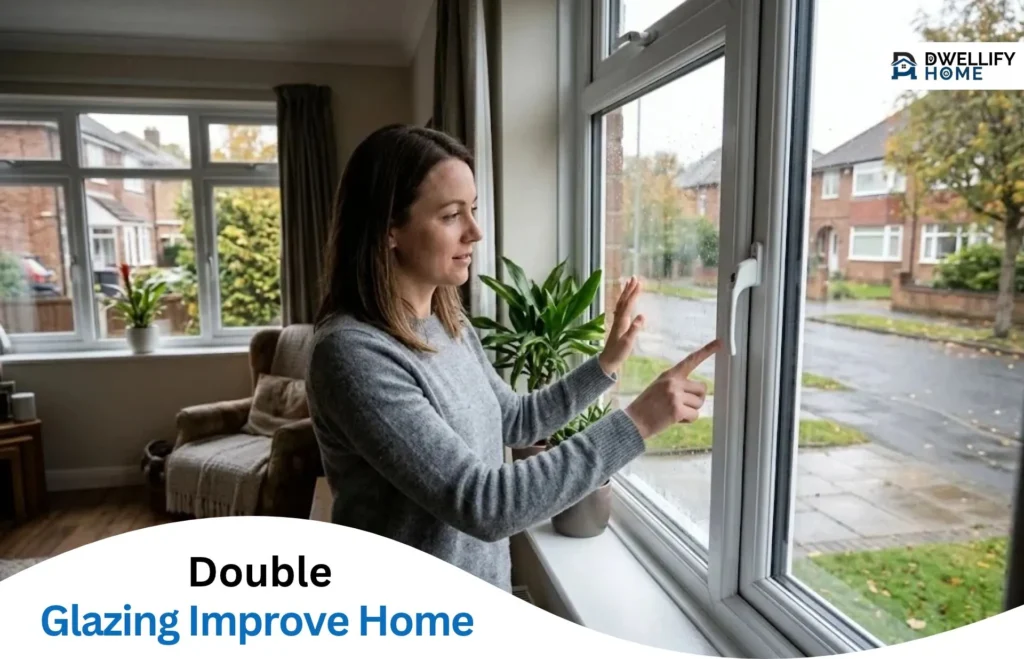
Older single-glazed windows can be a weak point in a home’s insulation. They may allow heat to escape during winter and make indoor temperatures harder to control. Double glazing offers an effective way to improve window insulation by using two panes of glass separated by a sealed gap.
However, how much difference does double glazing actually make? The answer depends on several factors, including the condition of existing windows, the quality of the new glazing, the frame material and the installation process. Understanding these details can help homeowners decide whether upgrading their windows is a worthwhile investment.
Understanding How Double Glazing Works
Double glazing consists of two panes of glass fitted within a single window unit. A space is left between the panes, which is commonly filled with air or an insulating gas such as argon. The gap acts as an additional barrier that slows the movement of heat between the inside and outside of a property.
Compared with traditional single glazing, this arrangement reduces heat transfer through the glass. As a result, rooms can retain warmth more effectively during colder weather.
The sealed space between the panes also helps reduce condensation on the internal glass surface. Although condensation can still occur under certain conditions, double glazing generally keeps the inner pane warmer than single glazing.
Modern double-glazed units may also include low-emissivity coatings, often called Low-E glass. These coatings are designed to reflect heat back into the room while allowing natural light to pass through.
The exact performance depends on the specifications of the glazing unit. Two windows may both be described as double glazed but provide different levels of insulation.
Why Windows Matter for Home Energy Efficiency
Walls, roofs and floors are important parts of a property’s insulation, but windows should not be overlooked. Glass generally transfers heat more easily than well-insulated walls, making inefficient windows a potential source of heat loss.
In winter, warm indoor air heats the surfaces of windows. If the glazing provides limited insulation, some of that warmth passes through the glass and escapes outside. This can make rooms feel colder, especially when sitting close to older windows.
Homeowners may respond by increasing the heating temperature or running their heating system for longer periods. This can contribute to higher energy consumption.
In summer, windows can also allow unwanted solar heat to enter the property. The amount depends on their orientation, glazing specification, shading and other design factors.
Double glazing can help improve temperature control throughout the year. However, it should be considered as one part of a wider energy-efficiency strategy rather than a complete solution on its own.
How Much Heat Can Double Glazing Retain?
The improvement from installing double glazing can be significant when replacing old single-glazed windows. The additional glass pane and insulating gap reduce heat transfer, helping the property maintain a more stable indoor temperature.
However, it is difficult to provide one percentage that applies to every home. Actual results vary according to the size and number of windows, the existing glazing, the frame condition and the quality of installation.
For example, a property with old single-glazed timber windows may experience a noticeable improvement after upgrading to modern double glazing. On the other hand, replacing relatively recent and efficient double-glazed windows with another similar product may produce a smaller difference.
The overall insulation of the building is equally important. A home with poorly insulated walls, an uninsulated loft or significant draughts may continue to lose heat even after the windows have been upgraded.
This is why homeowners should consider the condition of the entire property before estimating potential energy savings.
The Role of Low-E Glass in Improving Performance
Not all double-glazed windows use the same type of glass. One feature that can improve thermal performance is a low-emissivity coating.
Low-E glass has a very thin coating that reduces the amount of heat transferred through the glass. It is designed to reflect a proportion of indoor heat back into the room while still allowing daylight to enter.
This can be particularly useful during colder months when homeowners want to retain warmth without making rooms feel dark.
Different Low-E coatings are available, and their performance can vary. Some are designed to maximise heat retention, while others may also help control solar heat gain.
When comparing window specifications, ask whether Low-E glass is included and what difference it makes to the overall thermal performance.
It is also important to consider the orientation of the property. Large windows facing south or west may receive considerable sunlight, so solar control requirements could be different from those of north-facing windows.
Double Glazing and Heating Costs
One of the main reasons homeowners consider double glazing is the possibility of reducing heating expenses.
When windows are poorly insulated, heat escapes more quickly and the heating system may need to work harder to maintain a comfortable temperature. Better-insulated glazing can reduce this heat transfer.
The potential savings depend on how inefficient the original windows were and how much of the property’s heat loss occurred through them.
For example, replacing single glazing throughout a home may provide a greater improvement than upgrading only one or two relatively efficient windows. However, the total financial benefit will also depend on household heating habits, energy tariffs and the property’s insulation elsewhere.
Homeowners should avoid assuming that double glazing will automatically produce a particular reduction in energy bills. A professional assessment can provide a more realistic understanding of the likely benefits.
An online double glazing cost calculator can help with the early budgeting process by giving an indication of possible project costs. When comparing estimated costs with potential savings, remember that energy bills are affected by many factors beyond windows alone.
Reducing Cold Spots and Improving Indoor Comfort
Energy efficiency is not only about financial savings. Indoor comfort is another important reason to consider upgrading old windows.
Single-glazed windows can create cold surfaces during winter. When warm air inside a room comes into contact with cold glass, the surrounding area may feel uncomfortable.
This can be particularly noticeable in living rooms and bedrooms where people spend long periods sitting or working near windows.
Double glazing keeps the internal glass surface warmer under similar conditions. This can help reduce the uncomfortable feeling associated with cold windows and make rooms more pleasant to use.
Improved glazing may also reduce noticeable draughts when combined with properly fitted frames and effective seals. However, draughts can originate from gaps around doors, floors and other parts of the building, so window replacement will not resolve every source of cold air.
The overall result is often a more comfortable living environment, particularly during colder periods.
Can Double Glazing Reduce Condensation?
Condensation is a common issue in UK homes, especially during colder months. It occurs when moisture in the air comes into contact with a surface that is cold enough for water vapour to turn into liquid.
Older single-glazed windows often have cold internal surfaces, which can encourage condensation.
Double glazing generally keeps the inner pane warmer, reducing the likelihood of condensation forming on the room-facing glass under comparable indoor conditions.
However, it does not eliminate condensation completely. High indoor humidity, limited ventilation and low room temperatures can still cause moisture to collect on windows and other surfaces.
To manage condensation, homeowners should maintain suitable ventilation, use extractor fans in kitchens and bathrooms and avoid allowing excessive moisture to build up indoors.
If condensation appears between the two panes of a double-glazed unit, it may indicate that the sealed unit has failed and needs professional inspection.
The Importance of Window Frames
The glass is only one part of a window’s overall energy performance. The frame material and construction also influence how much heat can pass through the complete window.
Modern uPVC frames are popular because they are generally low-maintenance and can provide good insulation when designed and installed correctly.
Timber frames can also offer good thermal performance, although their insulation properties depend on the design, construction and maintenance condition.
Aluminium frames are strong and suitable for modern architectural styles. However, aluminium conducts heat more readily than some other materials, so thermally broken designs are important for improving insulation.
When choosing replacement windows, compare the complete window’s thermal performance rather than focusing only on the glass specification.
The quality of seals, spacers and frame construction should also be considered.
How Installation Quality Affects Energy Efficiency
Even high-performance double glazing may fail to deliver its expected benefits if it is installed incorrectly.
Poor installation can leave gaps between the window frame and surrounding wall. These gaps may allow cold air and moisture to enter, reducing comfort and potentially causing damage over time.
Correct installation involves accurate measurements, suitable fixing methods and effective sealing around the frame. The installer should also ensure that windows open, close and lock properly.
Homeowners should choose experienced installers and ask about relevant qualifications, certifications and guarantees.
In England and Wales, replacement window installations may need to comply with applicable building regulations. Competent person schemes such as FENSA and CERTASS can provide a route for registered installers to demonstrate compliance for qualifying work.
A reliable installation service is essential because product quality alone cannot guarantee good performance.
Comparing Double Glazing Options Before Making a Decision
Double glazing is available in different styles, specifications and materials. Choosing the right option requires more than selecting a product based on appearance.
Casement windows are widely used in UK homes and offer a practical design for everyday ventilation. Sash windows can be suitable for traditional properties, while tilt-and-turn windows provide flexible opening options.
Glass specifications also vary. Homeowners may consider Low-E coatings, gas-filled units, acoustic glazing or other features depending on their requirements.
The most suitable combination depends on the property, available budget and priorities.
Before making a decision, compare the energy ratings and U-values of different products. A lower U-value generally indicates better insulation because less heat passes through the window.
It is also worth reviewing the warranty, maintenance requirements and expected lifespan of the product.
Estimating the Cost of an Energy-Efficient Upgrade
The cost of replacing windows varies considerably between properties. Factors include the number of windows, their dimensions, frame material, glazing specification, design complexity and installation requirements.
A standard casement window may cost less than a large bay window or a bespoke sash design. Additional features, such as decorative glass or enhanced security hardware, can also affect the total price.
Homeowners can use a double glazing cost calculator to develop an initial budget before contacting suppliers. By entering basic information about window sizes, quantities and preferred styles, they may get a useful starting estimate.
However, an online estimate should not be treated as a final quotation. Accurate measurements and an assessment of the property are normally required to confirm the actual cost.
It is sensible to obtain quotations from more than one reputable installer. Compare the specifications and included services rather than simply choosing the lowest price.
Is Double Glazing Worthwhile for Every Property?
Double glazing can be particularly beneficial when replacing old single-glazed windows or damaged units with poor insulation.
However, the value of upgrading depends on the property’s existing condition. If a home already has modern, efficient double glazing, the improvement from installing another standard double-glazed product may be relatively limited.
Some properties also have architectural or planning restrictions. Listed buildings and homes in conservation areas may require special consideration before replacement windows can be installed.
In certain situations, secondary glazing may be an alternative worth discussing with a specialist. It involves adding an additional internal glazing layer while retaining the original windows.
Homeowners should consider the property’s age, existing windows, insulation levels and relevant planning requirements before choosing a solution.
Conclusion
Double glazing can improve home energy efficiency by reducing heat transfer through windows, helping rooms retain warmth and improving indoor comfort. It may also reduce cold spots and lower the likelihood of condensation forming on internal glass surfaces.
The actual improvement depends on the condition of existing windows, glazing specifications, frame materials and installation quality. Replacing inefficient single glazing can make a noticeable difference, while upgrading relatively modern double glazing may offer smaller benefits.
Before starting a project, compare different products, check their energy ratings and obtain detailed quotations from reputable installers. An online double glazing cost calculator can also help you prepare an initial budget and understand the potential financial commitment.
By choosing suitable products and ensuring professional installation, UK homeowners can make a more informed investment in their property’s comfort, performance and long-term energy efficiency.
Disclosure: Some of the links provided in this article may be affiliate or sponsored links. We may earn commissions from eligible purchases or receive compensation for paid promotional content featured on our website.