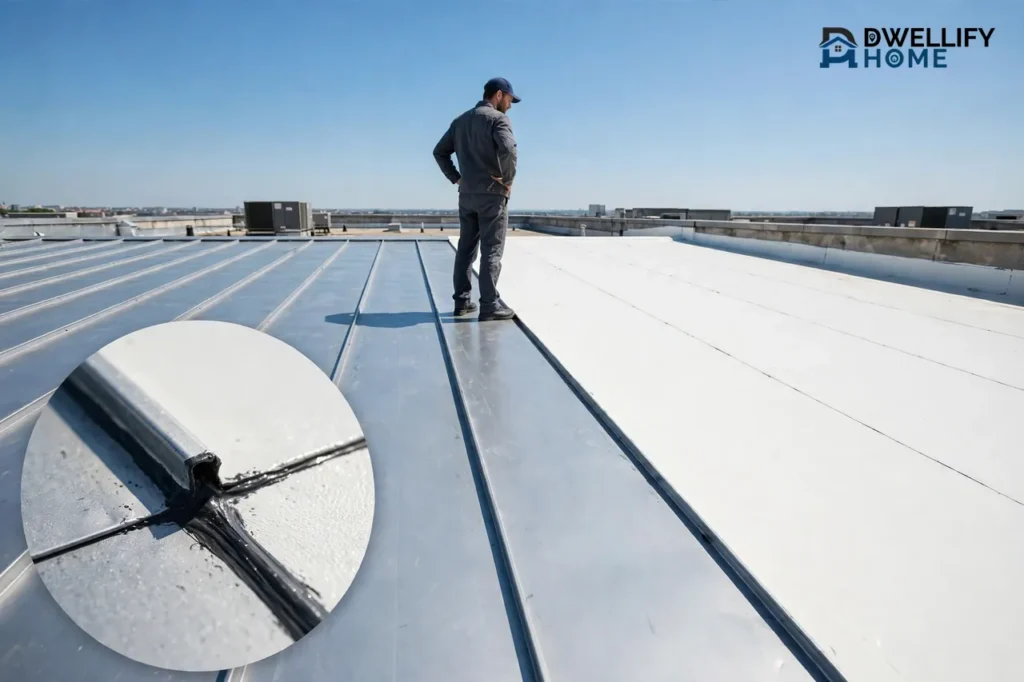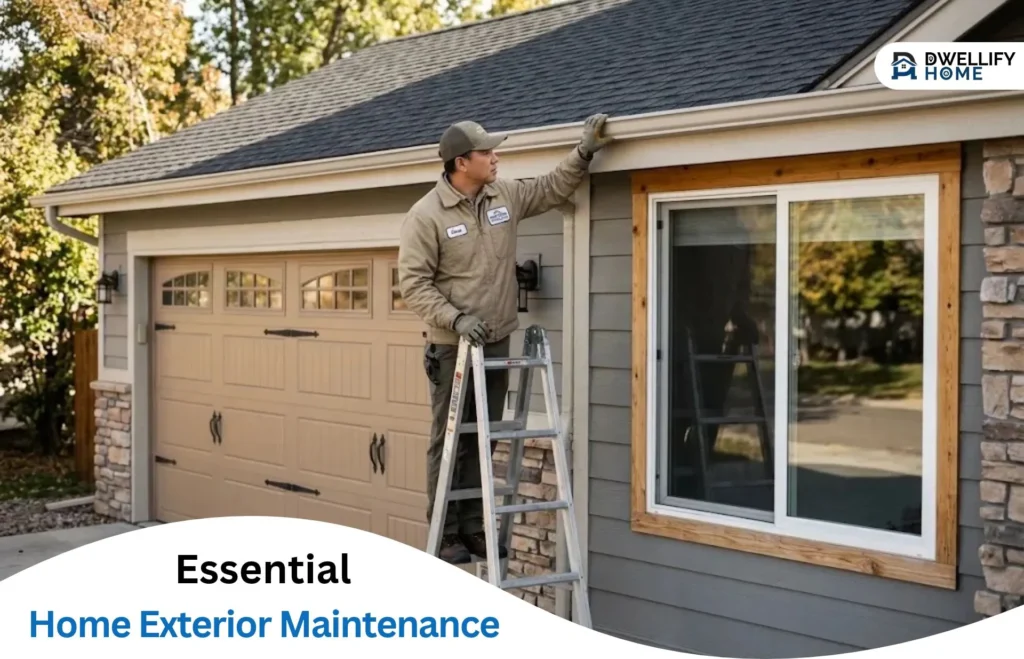
Maintaining your home’s exterior is fundamentally an act of asset protection. Think of your home as a complex machine: it is designed to withstand wind, rain, snow, and temperature fluctuations, but it requires regular “tune-ups” to function correctly. When you neglect the exterior, you are not just risking an aesthetic decline; you are compromising the building envelope, which is the physical barrier between the interior environment and the harsh outdoor elements.
Cost Prevention vs. Reactive Repairs
The financial logic of maintenance is simple: prevention is significantly cheaper than restoration. Industry experts often recommend the “1% rule,” which suggests that homeowners should budget roughly 1% of their home’s purchase price annually for maintenance. In harsher climates or for older properties, this may climb to 2%.
Consider the “repair multiplier” effect. Every dollar spent on routine maintenance—such as clearing a gutter or sealing a window—can prevent up to $100 in future repair costs. When you ignore a small issue, you are essentially gambling that it won’t worsen. Unfortunately, reactive repairs often cost three to five times more than preventive care. Furthermore, data shows that homes in below-average condition can sell at a 15% to 19% discount compared to well-maintained properties. By investing in your home’s exterior today, you are essentially paying yourself back in saved repair bills and preserved resale value.
Early Warning Signs of Exterior Deterioration
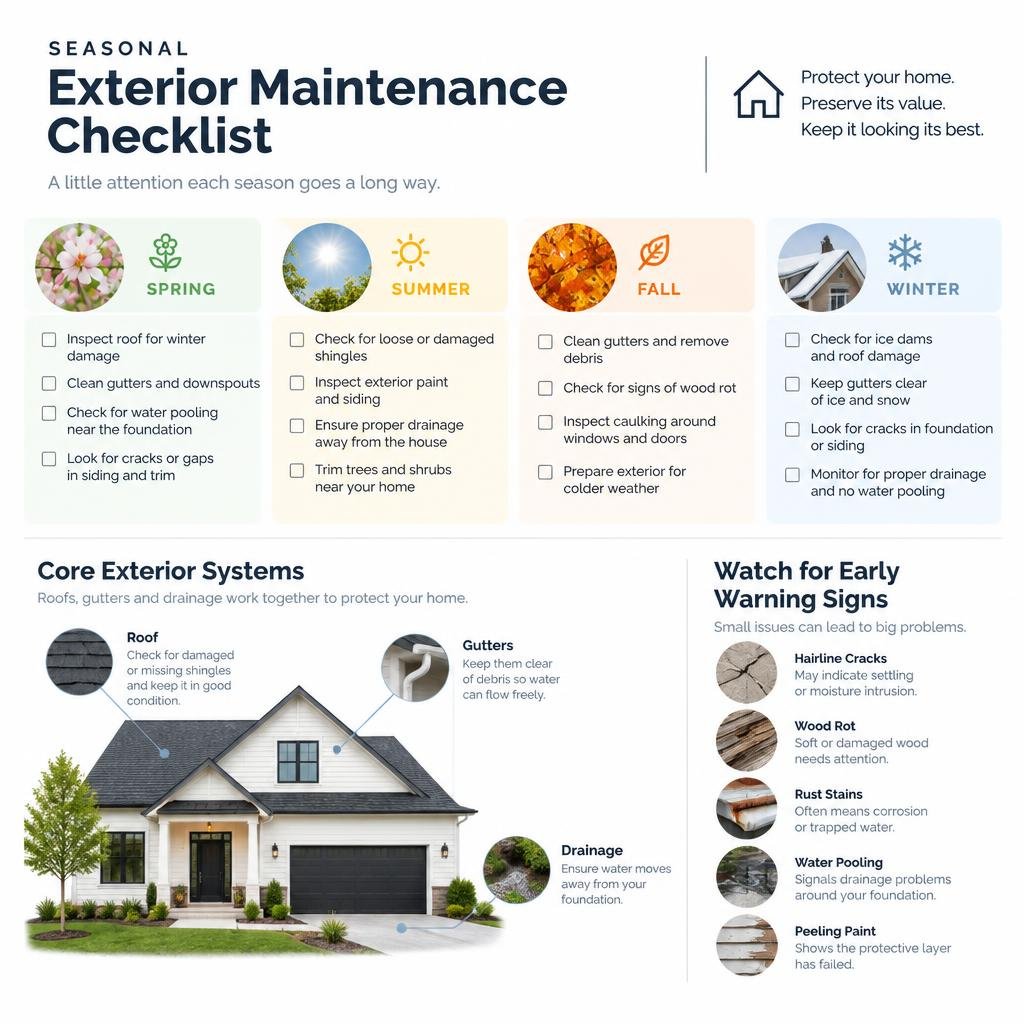
Your home will almost always tell you when it is struggling; you just have to know where to look. We suggest performing a perimeter walk-around at least once per season. Watch for these common red flags:
- Hairline Cracks: Small fissures in your foundation or stucco may indicate settling or moisture intrusion.
- Wood Rot: If you can easily press a screwdriver into window sills or trim, the wood is likely compromised.
- Rust Stains: These often appear on gutters or siding, indicating that metal components are corroding or that water is sitting where it shouldn’t.
- Water Pooling: If you notice standing water near your foundation after a rainstorm, your drainage system is failing.
- Peeling Paint: This is more than a cosmetic issue; it signals that the protective layer of your siding has failed, leaving the material vulnerable to rot and pests.
The roof is the crown of your home, and the gutter system is its primary defense against water damage. Together, they manage the hundreds of gallons of water that hit your home during a single storm.
Shingle Longevity and Roof Integrity
Your roof is subjected to the most intense weather exposure of any part of your home. Asphalt shingles, for example, have a finite lifespan that can be significantly extended through regular cleaning and prompt repairs. We recommend inspecting your roof from the ground with binoculars twice a year to look for missing, curling, or cracked shingles. If you notice sagging areas or leaks in the attic, it is time to consult with experts regarding roof replacement and repair. Addressing these issues early prevents water from reaching your home’s structural framing, where it could cause mold and rot.
Gutter and Downspout Management for Home Exterior Maintenance
Gutters are often the most overlooked component of home maintenance, yet they are critical. A single clogged downspout can force over 300 gallons of water against your foundation in just one hour of moderate rain. This can lead to basement flooding, soil erosion, and even structural shifting.
We recommend cleaning your gutters at least twice a year—once in the spring and once in the late fall. If you have many trees on your property, you might consider installing gutter guards to reduce the frequency of manual cleaning. Always ensure your downspouts have extensions that direct water at least two to three feet away from your foundation wall to keep your basement dry.

Your home’s “envelope” includes everything that separates the inside from the outside. When this envelope is compromised, your energy bills rise, and your comfort drops.
Window and Glass Care for Home Exterior Maintenance
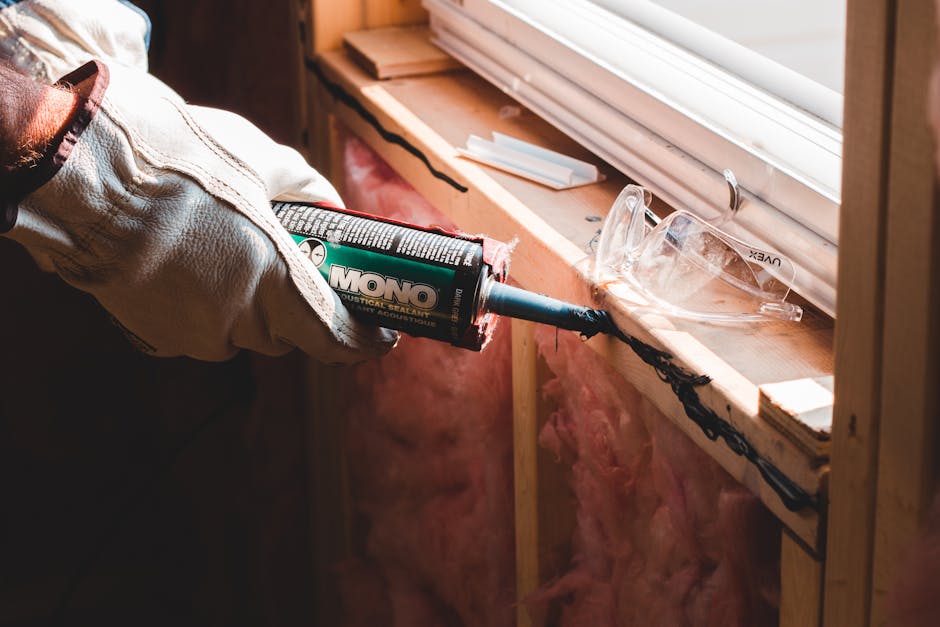
Windows are common culprits for air leaks. Over time, the caulking around the frames can crack and shrink, allowing drafts to enter. We suggest inspecting the seals around your windows annually. If you notice condensation between panes, it means the thermal seal has failed, and you may need professional glass window repair to restore your home’s energy efficiency. Keeping the tracks clean and the hardware lubricated also ensures that your windows operate smoothly, preventing unnecessary strain on the frames.
Siding Protection and Moisture Barriers
Whether your home is clad in vinyl, fiber cement, or wood, your siding acts as the “skin” of your house. Vinyl and fiber cement are durable, but they still require cleaning to prevent the buildup of mold, mildew, and dirt. A gentle soft-wash (using low pressure) is usually sufficient to refresh the appearance of your home without damaging the material. For wood siding, regular inspection for rot is vital. If you find areas of peeling paint or soft spots, address them immediately to prevent moisture from penetrating the wall cavity.
The moving parts of your home and the areas where it meets the ground require specific attention to ensure safety and stability.
Garage Door Mechanism Upkeep
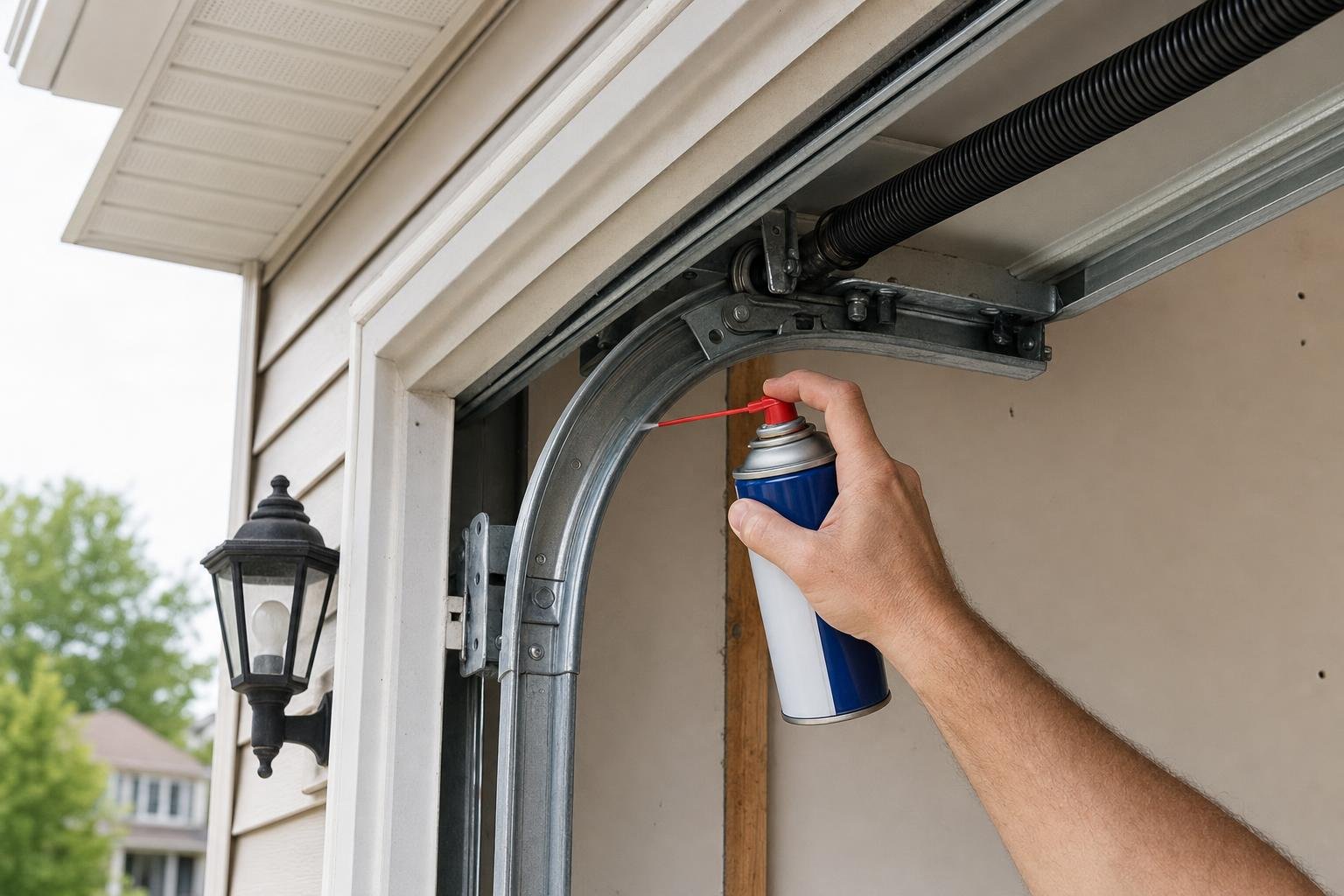
The garage door is likely the largest moving object in your home. Because it is used daily, the springs, rollers, and tracks experience significant wear. We recommend lubricating the tracks and rollers every three months to ensure smooth operation. If you notice that your door is noisy, jerky, or failing to close properly, it is time to look into professional garage door repair and replacement. Proper maintenance not only extends the life of the motor but also ensures that the safety sensors are functioning correctly to protect your family.
Decks, Hardscapes, and Foundations
Your outdoor living spaces, such as decks and patios, are exposed to the same weather as your home. Wood decks, in particular, need to be cleaned and resealed or stained every two to three years to prevent the wood from drying out and splintering. For concrete foundations, keep an eye out for cracks. While small hairline cracks are common, any crack that is widening or shifting should be evaluated by a professional. Finally, always maintain a clear zone of at least 12 inches between your foundation and any vegetation to prevent pests and moisture from gaining a foothold.
Creating a maintenance calendar is the best way to avoid being overwhelmed. By breaking tasks down by season, you can manage your home’s health without burning out.
Seasonal Priorities:
- Spring: Clean gutters, inspect the roof for winter damage, and check the foundation for cracks.
- Summer: Wash siding, seal wood decks, and service the HVAC outdoor unit.
- Fall: Clear gutters of leaves, winterize irrigation systems, and check window caulking.
- Winter: Monitor for ice dams on the roof and keep walkways clear of snow.
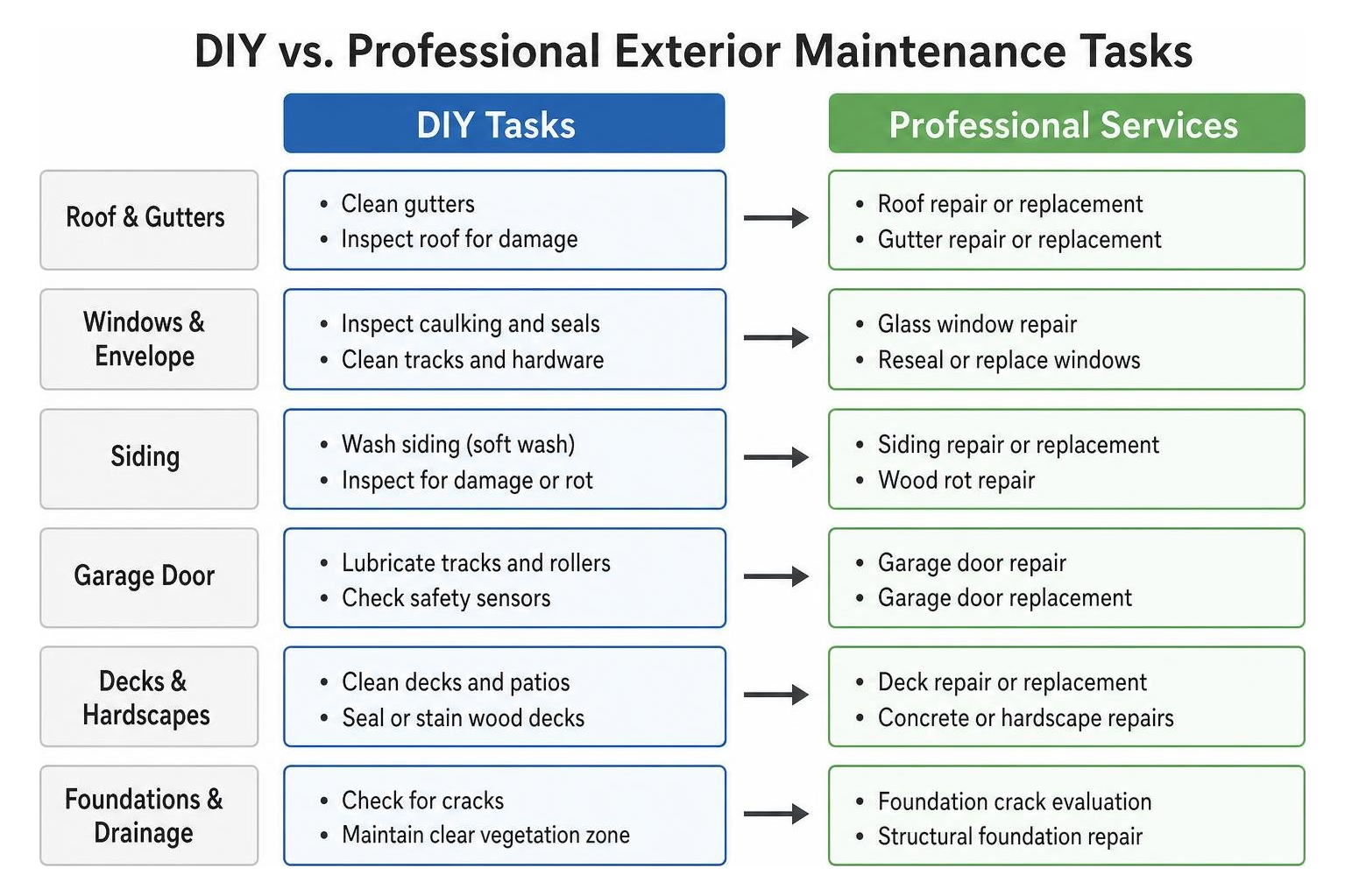
When to DIY vs. Hire a Pro: While tasks like gutter cleaning (on single-story homes) and window washing are great DIY projects, you should always call a professional for work involving high ladders, electrical systems, or structural repairs. Safety is paramount; if you are not comfortable working at heights, the cost of a professional service is a small price to pay to avoid injury.
How much should homeowners budget annually for exterior maintenance?
A good rule of thumb is to set aside 1% of your home’s purchase price annually. If you live in an area with extreme weather, consider increasing this to 1.5% or 2% to build a robust repair reserve.
How often should gutters and downspouts be inspected and cleaned?
For most homes, twice a year—once in the spring and once in the autumn—is the industry standard. Homes with heavy tree cover may require more frequent attention to prevent clogs.
What exterior maintenance tasks require professional contractors?
You should always hire a professional for roof repairs, high-ladder work, structural foundation issues, and any maintenance involving garage door spring tension, which can be extremely dangerous if handled incorrectly.
Home exterior maintenance is a marathon, not a sprint. By performing routine inspections and staying on top of small repairs, you ensure that your home remains a safe, comfortable, and valuable asset for years to come. Whether you are clearing debris from your gutters or scheduling a professional inspection for your roof, every action you take is an investment in your home’s future. Start your seasonal checklist today, and you will find that the peace of mind is well worth the effort.
Some links featured in this article may generate affiliate commissions or reflect paid sponsorships. This support contributes to maintaining Dwellifyhome.com and developing additional resources for our readers.