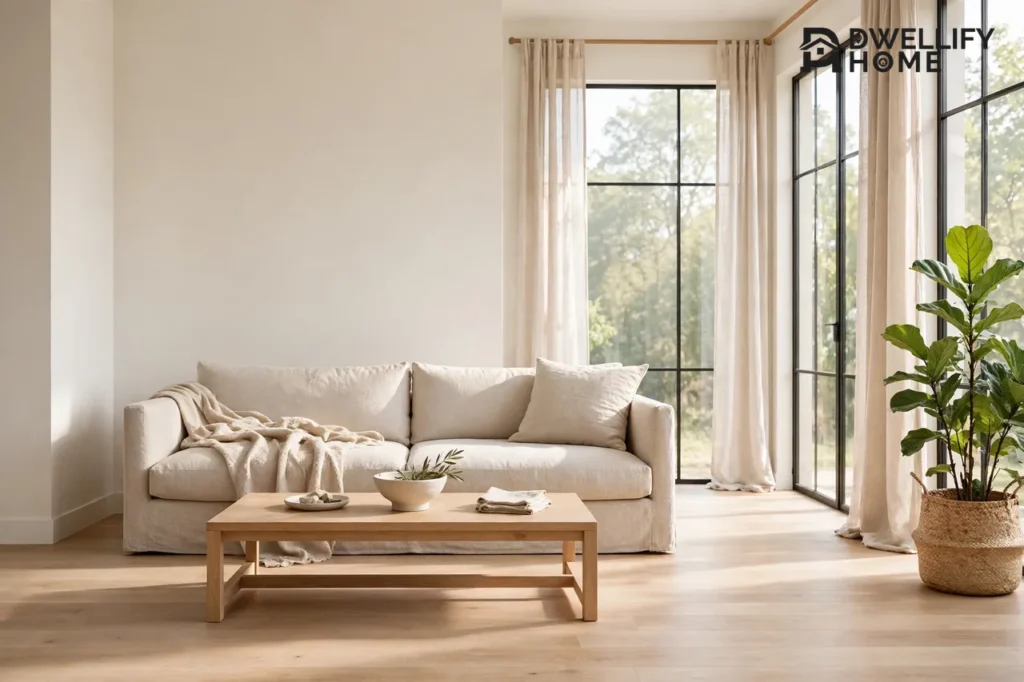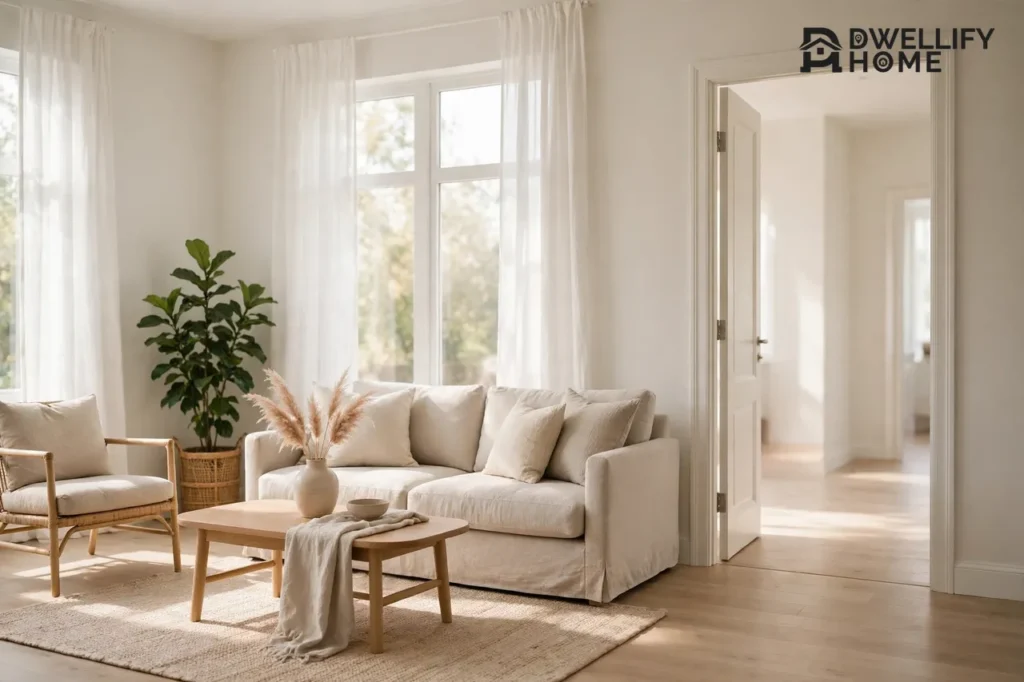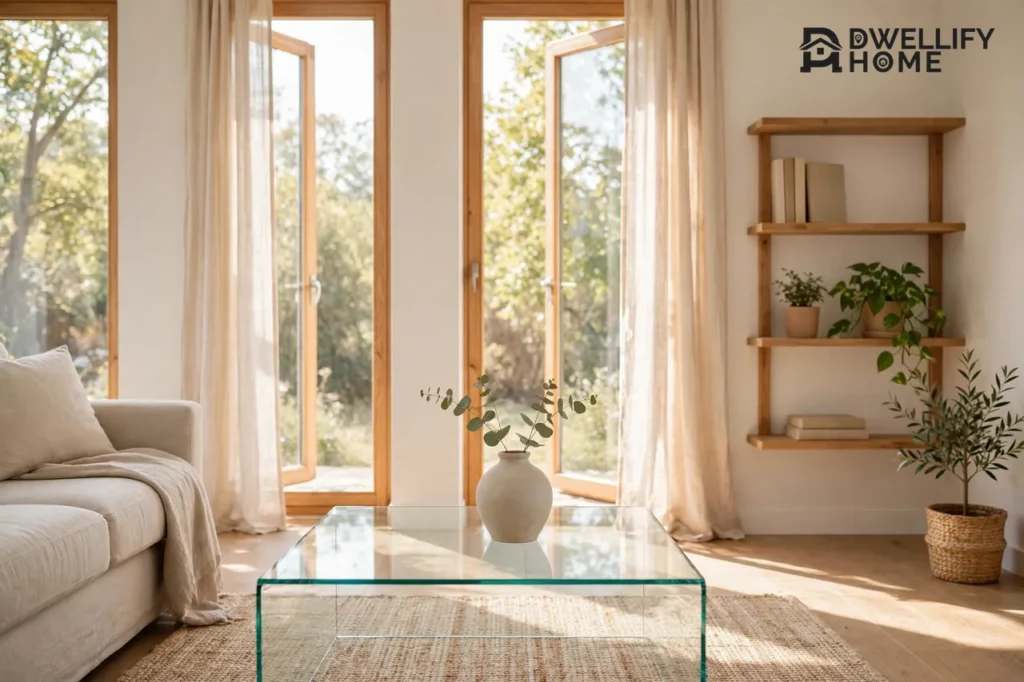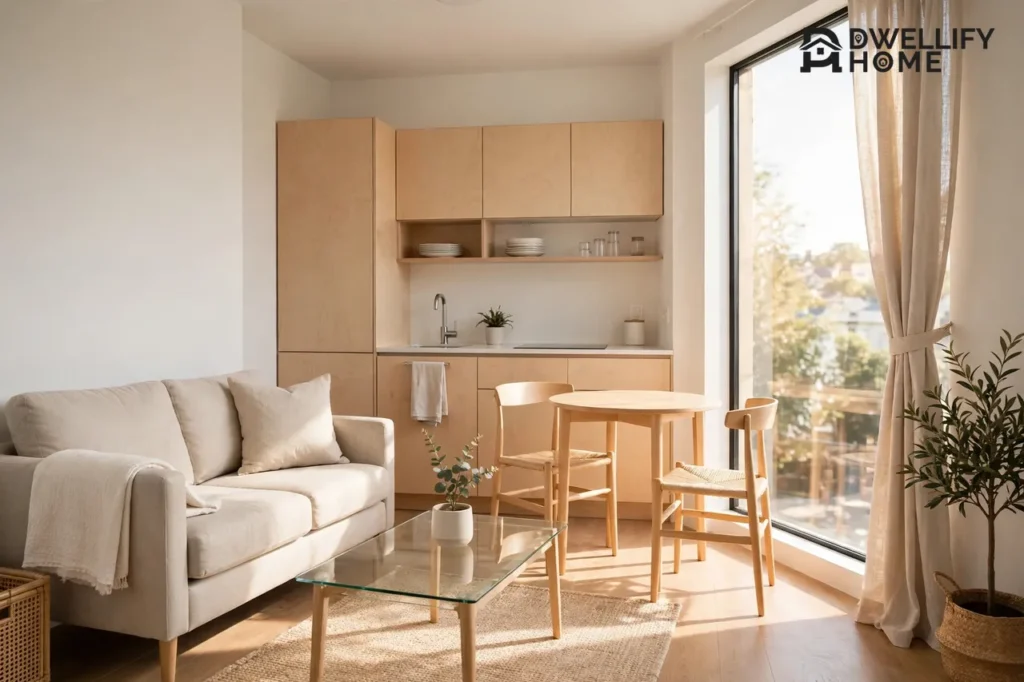
The smart way to learn how to declutter a small apartment is to treat it as curation, not elimination: keep what serves your current life and give every kept item a home.
In a small apartment, every square foot counts. The challenge is not just getting rid of clutter. It is doing it in a way that keeps your storage working, because a small home has no spare room for mistakes. When you declutter your home with a small-space plan, you end up with rooms that feel bigger without owning less than you need. This guide shows you how to declutter apartment living, zone by zone, without the regret that makes most people quit halfway.
Start With a Mindset Shift, Not a Trash Bag
Most people stall because decluttering feels like loss: loss of memories, of usefulness, of identity tied to things. The shift that fixes it is simple. Instead of asking whether to throw something away, ask whether it belongs in your life right now. That one question turns a painful purge into a calm edit.
Decluttering is not about deprivation. It is about making space for what supports your current life. A bread maker you have not touched in two years does not support your life. A reading chair you sit in every evening does, even if it takes up floor space. Judge items by use and joy, not by guilt. If you want the fuller method behind this mindset, our pillar guide to decluttering explains how to sort by category instead of by room, which works especially well in small homes.
Remember the goal: a calmer home, not an emptier one. You are editing, not erasing.
What Should You Declutter First?
Start where visible clutter creates the biggest daily friction. In most small apartments that means the entryway, the kitchen counters, the bathroom sink, and the bed surface. One clear surface changes how the whole apartment feels, and that feeling carries you into the next zone.
Pick one small zone and set a timer for 20 to 30 minutes. A junk drawer, a coat closet, or one shelf is enough. Work through it completely, then stop. Small finished zones build momentum faster than a whole-room attempt that ends in a bigger mess. Use three bins while you sort: keep, relocate, and reconsider. The reconsider bin gets a 30-day deadline, and anything still in it after a month leaves without debate.
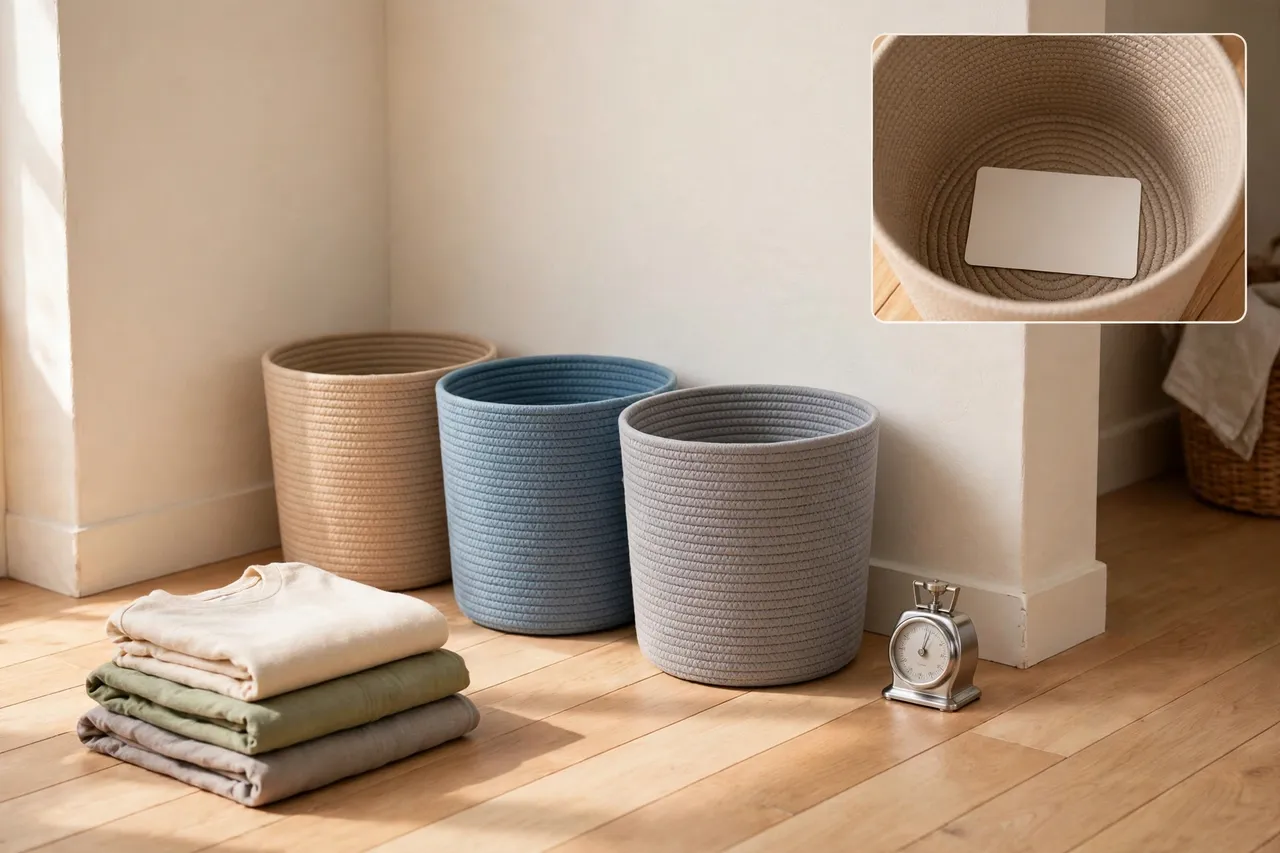
Tag questionable items with a sticky note if you cannot decide on the spot. If you have not needed to remove the note after 30 days, the item can go. The note does the deciding for you, quietly, while you live your life.
Work Zone by Zone, Not Room by Room
A small apartment is too tight to empty a whole room at once. Work by zone instead: the closet, one bookshelf, under the sink, one kitchen cabinet. Pull all similar items together before you decide, because seeing every mug or every scarf in one pile makes duplicates obvious in a way a crowded shelf never does.
For each item, ask three questions. Have I used this in the past year? Does it serve a current need or bring real joy? If I lost it, would I replace it? Two honest noes mean it can go. Sort what leaves into donate, sell, digitize, or recycle, and get the bags out of the apartment the same day. A bag of donations in the hallway of a small apartment is a trip hazard and a temptation to unpack it.
How Can You Make a Small Entryway Work Harder?
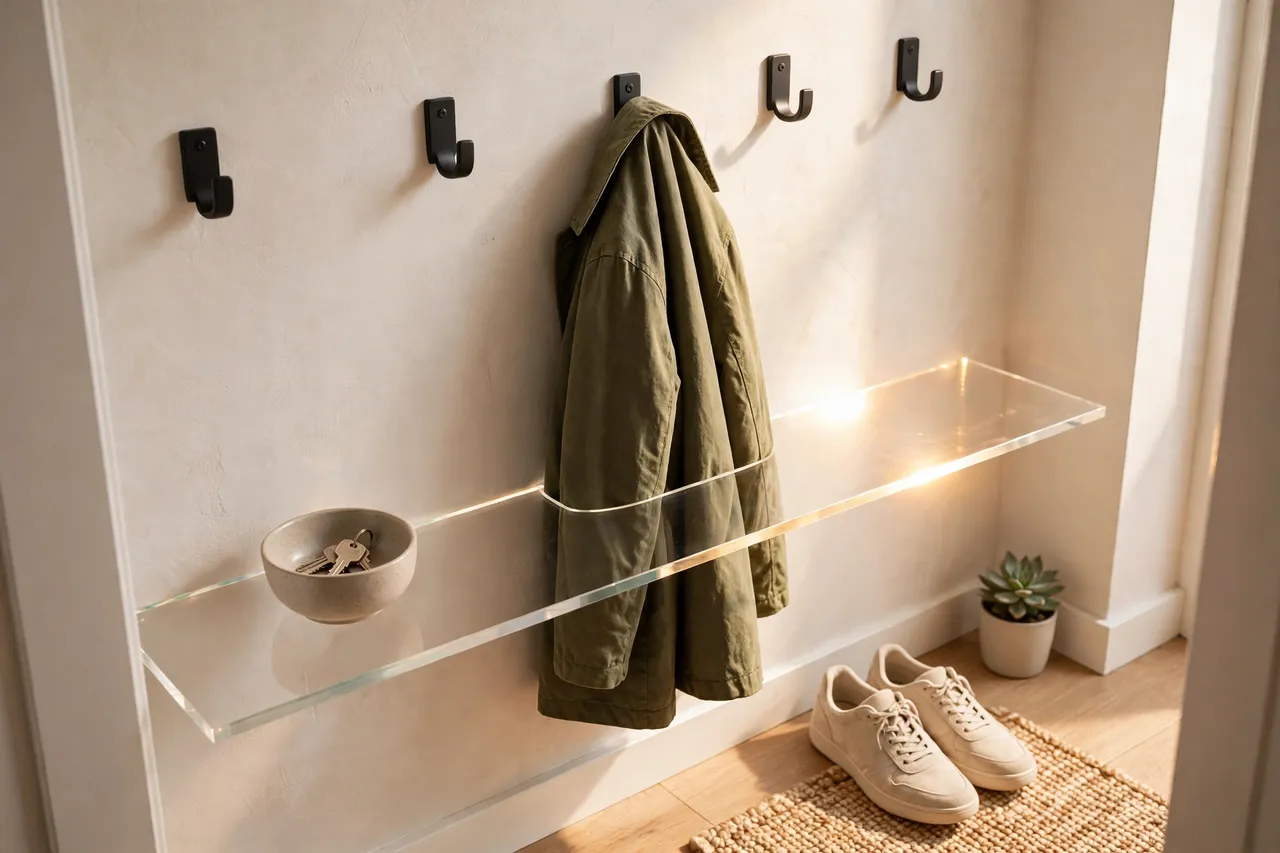
A small entryway works best when it holds only what you need on the way in or out, plus one place for the items you carry every day. Keys, mail, and wallet go in one shallow bowl or on one wall-mounted ledge. One hook per person holds the current coat. Everything else lives elsewhere.
Shoes are the usual enemy. Keep one pair per person by the door and store the rest in a closed bench or a slim rack. A bench with a lift-up seat stores footwear and doubles as a place to sit while you put shoes on. Add a small tray for mail and sort it the day it arrives, so paper never becomes a pile by the door.
How Do You Declutter a Small Kitchen?
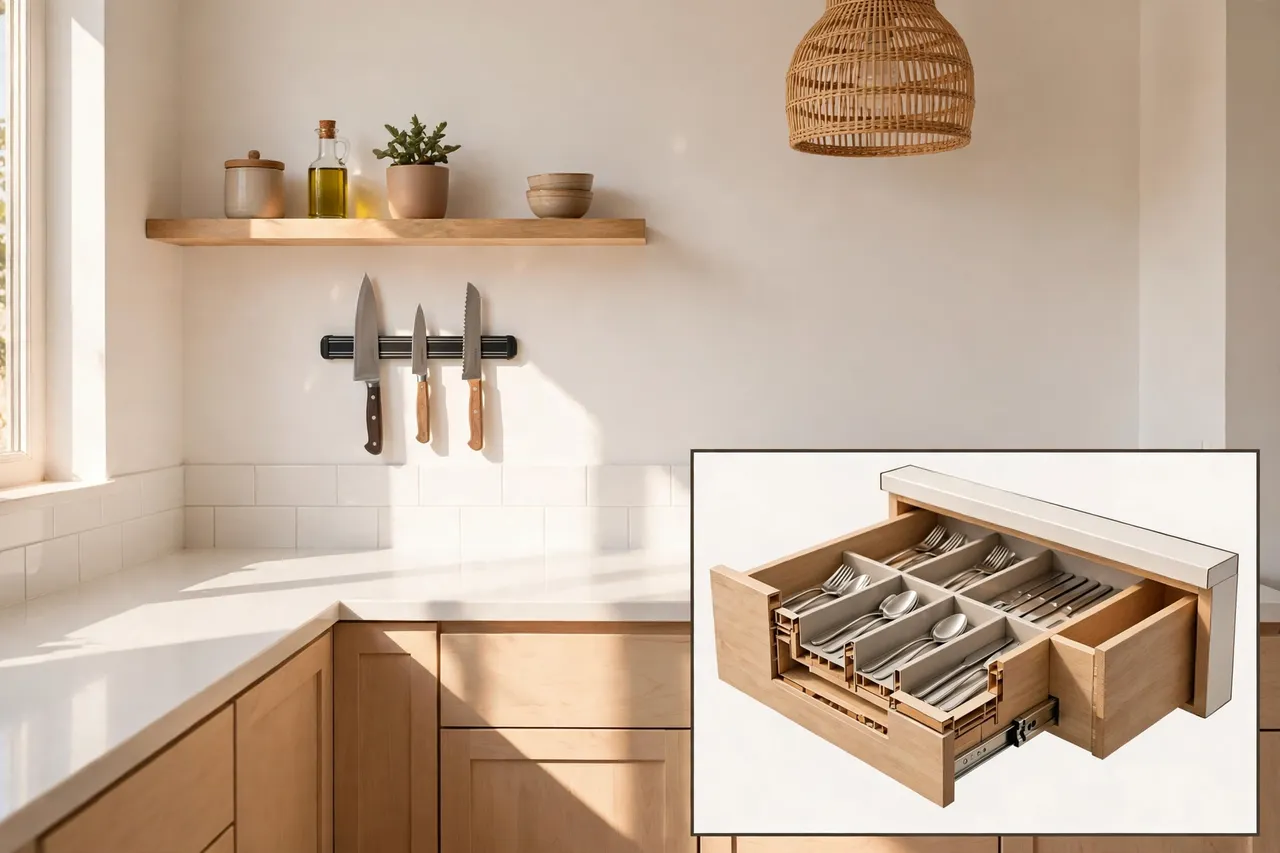
Declutter a small kitchen by keeping only everyday tools visible, grouping duplicates, and moving supplies into containers that fit the cabinets and drawers you actually have. Empty the fridge first and check dates, then move to one cabinet at a time. Our guide to declutter kitchen cabinets shows the cabinet-by-cabinet pass in detail.
Duplicate utensils go first. You need one spatula, one wooden spoon, and one set of measuring cups, not three of each. Mugs and water bottles multiply quietly, so keep two per person and donate the rest. Small appliances that have not left the cupboard in a year can go, and the counter they free up is worth more than the gadget. Use the walls: a magnetic knife strip, hooks under the cabinets, and a hanging rack for pots free the drawers for the things that truly need them.
Use Vertical and Hidden Storage
In a small apartment, floor space is precious, so shift your focus upward and inward. Wall-mounted shelves, pegboards, and floating cabinets give you storage without blocking movement. Tall furniture uses the same footprint as short furniture and holds twice as much.
Hidden storage is just as valuable. A storage ottoman holds blankets and doubles as seating. A bed with drawers gives you under-bed storage without bins. A dining table with extendable leaves works as a desk by day and a dinner table at night. Measure before you buy, and leave at least 18 to 24 inches of clearance around moving parts so the room still feels easy to walk through.
The bathroom benefits from the same thinking. Over-the-toilet shelving holds towels and toiletries, and a slim rolling cart fits between the sink and the wall. Our declutter bathroom guide covers the expired products and duplicate bottles that crowd small bathroom storage first.
Living Room and Bedroom: Keep Only What Earns Its Floor
Remove anything that occupies a seat, a table, or floor space without earning it. In the living room, that means magazines you will not reread, remotes for devices you no longer own, and decor that collects dust instead of joy. Keep the coffee table clear except for one or two items, and let the sofa be for sitting. See our room guide to declutter the living room for layout ideas that open a small room up.
In the bedroom, clear the floor, the bedside tables, and the top of the dresser before sorting deeper. Clothes are the biggest source of bedroom chaos, so pull one category at a time onto the bed and decide by wear, fit, and joy. Apartment Therapy’s tips to maximize a tiny closet show how slim hangers, wall hooks, and vacuum bags for out-of-season clothes can double the space a small closet holds.
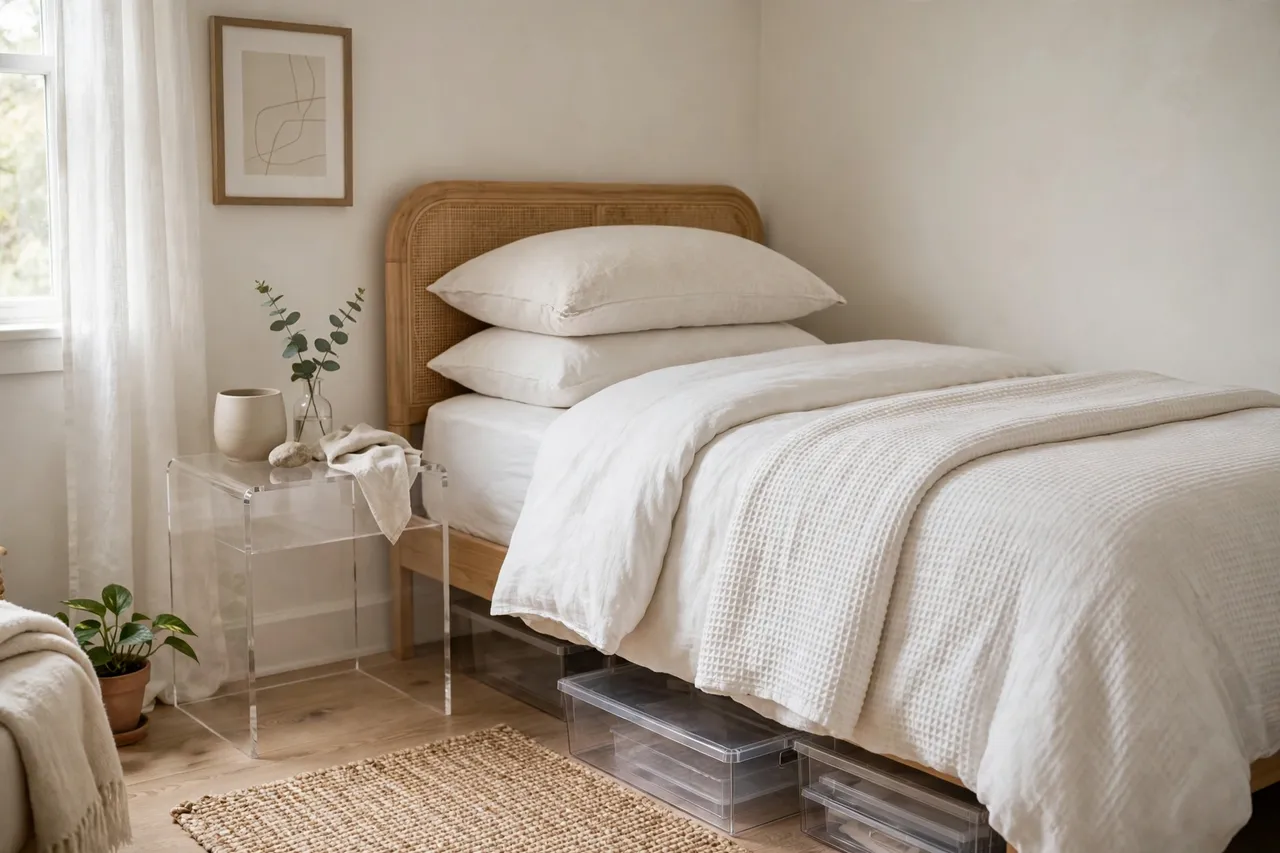
Under-bed storage deserves a real system, not a shove. Use flat, clear bins for out-of-season clothes and extra bedding, labeled so you can find things without pulling everything out. If your bed has no storage, risers add a few inches of hidden space underneath for the same bins.
Keep Sentiment Without Keeping Everything
Sentimental items are where small-space decluttering usually stalls. The fix is not to throw memories away. It is to keep one representative item per category instead of the whole box. One ticket stub from a trip, not the whole folder. One childhood toy, not the shelf.
Digitize what you can. Scan letters, kids artwork, and photo albums, then keep the digital copies and let the paper go. For items that must stay physical, give them one labeled box with a real limit: when the box is full, something leaves before anything new goes in. That limit is what keeps sentiment from quietly retaking the apartment.
Multi-Purpose Furniture That Earns Its Place
When every piece must earn its floor, furniture that does two jobs wins. A sofa bed replaces a couch and a guest bed. A storage bench holds shoes and gives you a seat. Nesting tables spread out for guests and tuck away for daily life. Before buying, check Apartment Therapy’s small closet storage ideas for the same two-job thinking applied to closets: shelf dividers, hanging baskets, and hooks that turn wasted space into working storage.
Set one rule for anything new that enters the apartment: one in, one out. A new coat means an old coat leaves. A new book means one goes to donation. The rule is the only thing that keeps a small home from refilling, because small homes refill faster than big ones.
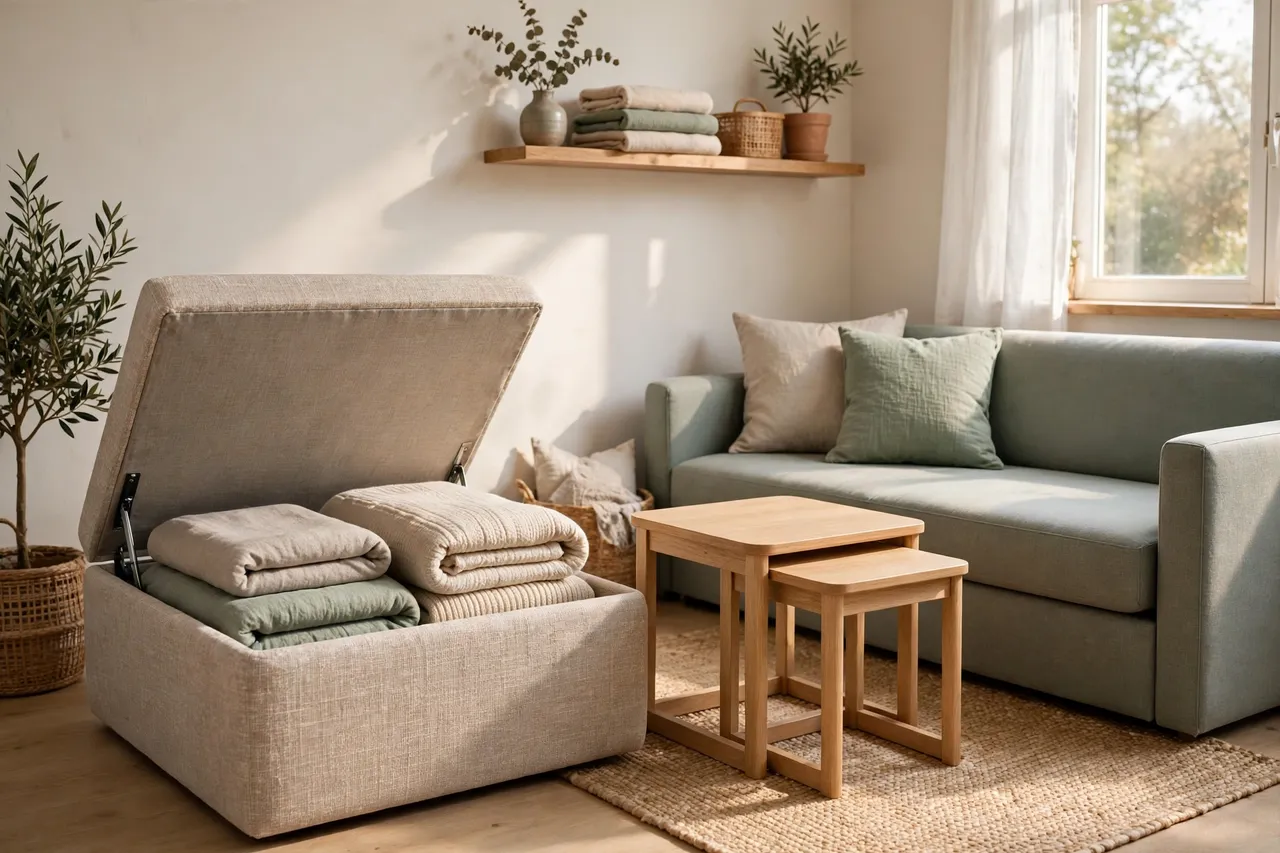
A small apartment does not need to feel small. It needs clear surfaces, honest decisions, and storage that works as hard as you do. Start with one zone tonight, finish it completely, and notice how much bigger the room feels by morning.
Related Guides
Go deeper with the rest of this series. Read how to declutter your bedroom for the full closet and under-bed system, and declutter your home in 15 minutes a day for a routine that keeps a small home calm. For a daily plan, try our 30 day declutter challenge, and for the big picture, start with our pillar guide to decluttering.
Frequently Asked Questions
What should you declutter first?
Start where visible clutter creates the biggest daily friction, especially the entryway, living area, kitchen counters, bathroom sink, and bed surface. One clear surface changes how the whole apartment feels and gives you the momentum to tackle the next zone. Pick the spot that annoys you most each morning and start there.
How can you make a small entryway work harder?
A small entryway works best when it contains only what you need on the way in or out, plus a place for the items you carry regularly. Put keys, mail, and wallet in one shallow bowl or wall-mounted ledge, give each person one hook, and keep one pair of shoes per person by the door. Everything else lives elsewhere.
How do you declutter a small kitchen?
Declutter a small kitchen by keeping only everyday tools visible, grouping duplicates, and moving supplies into containers that fit the available cabinets and drawers. Empty and wipe the refrigerator first, check labels and dates, discard spoiled food, then work through one cabinet at a time and keep only what you actually use.
How to declutter a small apartment without feeling overwhelmed?
Begin with one small zone rather than the entire apartment, such as the entryway, one countertop, or one drawer. Set a timer if open-ended decisions feel paralyzing, sort into keep, donate, sell, and discard, and give the decide-later box a deadline. Finished zones build momentum faster than a whole-room attempt.
Should I throw this away?
Instead of asking whether to throw something away, ask whether it belongs in your life right now. If you have not used it in the past year, would not replace it if lost, and it brings no real joy, it does not belong. Donate it if it is usable, recycle it if it is worn out, and keep the space it leaves behind.