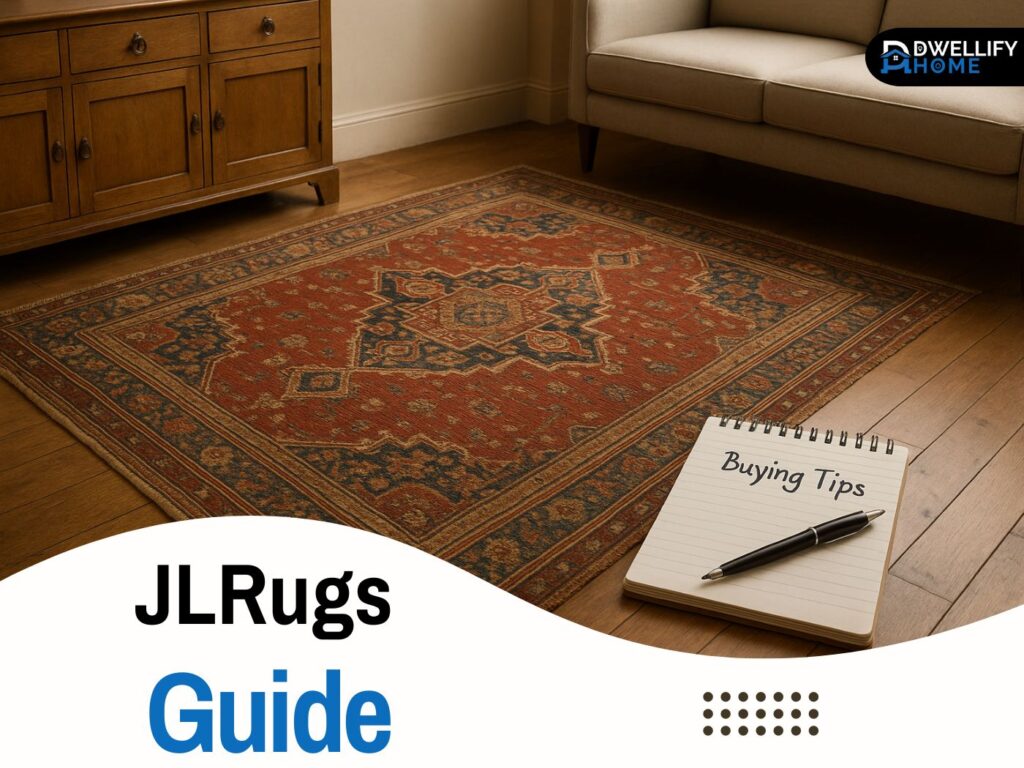
If you have ever walked into a room and immediately noticed the warmth and character of an old rug, you already understand why antique pieces are special. They have a certain presence that new rugs usually struggle to match. People often search for jlrugs because they want pieces with history and craftsmanship, not just a surface-level decoration.
I have spent a big part of my career working with antique and vintage rugs. I have touched hundreds of pieces made from wool, silk, cotton, and natural dyes, and I can tell you from experience that the right rug can transform a room in a way nothing else can. Consider this article a friendly guide to help you understand what these rugs are, how to evaluate them responsibly, and how to choose the right piece for your home.
Buying rugs, especially older ones, can feel intimidating at first. There are many variables like age, condition, fibers, repair quality, and style. The goal here is to make all of that simple and practical so you can shop with confidence.
Short intro about JLRugs
JLRugs commonly refers to curated antique and vintage rugs known for age, craftsmanship, and collectible value. These pieces feature hand-made construction, natural materials and designs rooted in historic weaving traditions.
What Is JLRugs
The name is commonly used to refer to a specialized marketplace that focuses on antique and vintage rugs. Rather than selling factory-made products, the emphasis is usually on curated selections that have been collected over decades. This means you are looking at pieces that carry stories, heritage, and sometimes even a bit of mystery.
Many of the rugs found in these collections come from weaving traditions such as Persian and Oriental regions. These traditions are known for rich patterns, detailed knotting, and strong natural fibers that age gracefully. When you buy from a dealer who specializes in these pieces, you are really buying knowledge, sourcing, and taste, not just fabric on the floor.
This type of collection-driven approach is different from walking into a store and picking a rug from a shelf. There is usually more intention behind each piece.
Quick Comparison Table: Antique Rugs vs Modern Rugs
A simple, helpful table users love.
| Feature | Antique Rugs | Modern Rugs |
| Construction | Hand-knotted, natural fibers | Machine-made, synthetic mix |
| Look | Unique, aged, historic designs | Clean, trendy, uniform patterns |
| Price | Higher because of rarity | Affordable, mass-produced |
| Durability | Decades with care | Variable, often shorter lifespan |
| Best For | Character-driven spaces | Budget or high-traffic use |
Quick Buying Checklist (Bullet List)
What to check before buying an antique rug:
- Confirm exact size and measurements
- Ask for close-up photos of wear and edges
- Check if repairs were done professionally
- Verify materials (wool, silk, cotton)
- Look for color fading or dye inconsistency
- Ask about return and shipping policies
Fast Room-By-Room Placement Guide (Step-by-Step)
Living Room
- Front furniture legs ON the rug
- Not too small or it breaks the space
Dining Room
- Chairs must stay on rug when pulled back
Bedroom
- Extend about 2 feet beyond bed edges
Hallways
- Choose a runner that leaves equal space on both sides
What Makes JLRugs Different From Regular Rug Stores
Most rug shops carry new, mass-produced pieces that may look attractive but lack depth. Collection-based dealers work with textiles that were crafted decades ago, often between the late 18th century and mid 20th century. The lifespan and history alone set them apart.
Another difference is how carefully each piece is selected. Dealers who work with antique collections often source from estates, old homes, auctions, or other collectors across the world. They look for quality, rarity, visual personality, and historic context. Not every rug qualifies.
This slower, more thoughtful model naturally results in higher quality but also higher prices. However, for many buyers, the tradeoff is worth it. You are not just decorating your home. You are preserving a small piece of craftsmanship that already survived generations.
Types of Rugs You Can Expect From These Collections
Most collections include three main categories of textiles.
First, you will find antique rugs which are older and often made with hand-knotted wool or silk. These pieces were built for longevity, so a good antique rug can last another 50 to 100 years if cared for properly.
Second, there are vintage rugs. These tend to be more relaxed, less formal, and easier to style in modern homes because the aging gives them a soft, lived-in character.
Finally, you will come across decorative rugs that may not be as old but still carry a traditional weaving style. These are great for people who want personality without going too historic.
How to Identify a Genuine Antique or Vintage Rug
Here is the thing. It is surprisingly easy to mistake a new rug for an old one if you do not know what to look for. The first step is to check the structure. Most high-quality older rugs are hand-knotted, not machine-woven. Hand knotting produces subtle irregularities and organic movement in the pattern. Machines create perfect repetition.
Wool is the most common fiber you will see, sometimes combined with cotton or silk. Genuine wool has a natural bounce and softness that synthetic fibers rarely imitate. You should also examine the dyes. Older pieces often used natural dyes which fade beautifully, whereas synthetic dyes tend to fade unevenly or look dull over time.
Age is not always obvious, but you can look for small details like wear around the edges or subtle fading in high-traffic areas. These signs of life are not flaws. They are proof that the piece has lived a long and honest life.
Condition Checklist That Impacts Value
Collectors often ask why some rugs cost more than others even when they look similar. Condition is a huge factor.
If the pile has worn down significantly or parts of the foundation are exposed, the value may drop. High-quality repairs can extend the lifespan, but poor repairs can actually make things worse. Look closely for mismatched colors and sloppy stitching.
Another thing to check is the fringes and edges. These parts often wear faster than the main field. A clean, stable border usually indicates a well-preserved piece. Lastly, smell matters. Antique rugs that were stored poorly can develop odor or moth damage. Both can be remedied, but they influence price.
Choosing the Right Piece for Your Home Aesthetic
You do not need to be an interior designer to make a good choice. The secret is simple. Match the personality of the rug to the personality of the room.
Living rooms handle social energy. They benefit from rugs with bold character. Bedrooms need softness and warmth. Dining rooms demand durability because chairs sit on top. Entryways and hallways appreciate runners that can handle traffic without losing structure.
If your current furniture is modern or minimal, an antique rug can add depth and warmth. You do not need everything to match perfectly. In fact, the tension between old and new often creates the most interesting rooms.
Rug Size and Placement Room by Room
Size mistakes are the most common errors people make when buying rugs. A rug that is too small will make your furniture look disconnected and awkward.
In a living room, aim for a rug that allows front legs of sofas to rest on it. In a dining room, make sure there is enough space to pull chairs back without dropping off the rug. Bedrooms often benefit from a rug that extends roughly two feet beyond the sides of the bed, so your feet land on softness each morning.
Hallways and entryways benefit from runner rugs that create movement and direction. A well-chosen runner can make a narrow space feel intentional rather than forgotten.
Price Expectations and Value Drivers
Antique and vintage rugs can be expensive, but there is logic behind the cost. Hand knotting takes an incredible amount of time. The dyes used were often extracted from plants or minerals. Skilled artisans dedicated months to a single piece.
Value is shaped by five main elements:
- Age
- Origin
- Material
- Condition
- Size
Older rugs from well-regarded regions with clean condition and natural dyes command higher prices. Smaller or damaged pieces are more affordable, which can be a good entry point for first-time buyers.
Smart Buying Tips Before You Invest
Rug dealers are usually happy to answer questions if you ask the right ones. Ask for measurements, close-up photos, and clear notes on condition. Good sellers will tell you about repairs, fading, or previous cleaning treatments.
Shipping and returns matter more than you think. Antique rugs are heavy and expensive to send back, so know your options before you commit. Lastly, compare similar pieces from different sellers to understand market value. Antique textiles do not have a universal price tag. They fluctuate based on taste and availability.
Services Associated With Specialty Dealers
This is something many people overlook. Dealers who specialize in these rugs often provide services such as conservation, restoration, and cleaning. Antique cleaning is delicate work. Harsh chemicals can destroy fibers and colors, so it needs trained hands.
Some dealers also offer trade in or consignment services. If you no longer want a rug, you may be able to resell it through the same network. This circular ecosystem keeps good textiles in homes rather than storage.
Who Should Buy From These Dealers
These rugs make sense for people who want more than temporary decoration. They are perfect for designers, collectors, and homeowners who value handcrafted products and long-term durability. They also work well in homes where materials are chosen slowly and intentionally.
However, they are not for everyone. If you have pets that chew or young kids who spill everything, you might be better off with a washable rug until life calms down. Antique textiles deserve care, not punishment.
FAQs
People often ask whether these rugs are worth the investment. The answer depends on expectations. If you want character, durability, and history, they are an excellent choice. If you want something cheap and temporary, they are not the right option.
Another question is about cleaning. Most antique rugs should be professionally cleaned every few years, not weekly. Vacuum gently, rotate occasionally, and avoid harsh sunlight that bleaches colors unevenly.
Finally, many people wonder if restored rugs lose value. Not necessarily. High-quality restoration can preserve a piece for decades and maintain its market value.
Conclusion
If you love the idea of bringing history into your home, antique rugs are a wonderful path. They offer warmth, texture, and a sense of story that modern pieces simply cannot replicate. By learning the basics of materials, size, condition, and placement, you can choose a piece that will age gracefully with your home.
Buying from specialized dealers, including places like jlrugs, is less about shopping and more about choosing something that feels meaningful. A well chosen rug has the power to transform a space both visually and emotionally. That is why these textiles have survived for centuries, and why they still matter in modern homes.
Disclaimer:
This guide provides general information based on professional experience with antique rugs. Always confirm details with a trusted dealer before purchasing, as prices, condition, and authenticity can vary from piece to piece.

I’m Bilal, the founder of Dwellify Home. With 6 years of practical experience in home remodeling, interior design, and décor consulting, I help people transform their spaces with simple, effective, and affordable ideas. I specialize in offering real-world tips, step-by-step guides, and product recommendations that make home improvement easier and more enjoyable. My mission is to empower homeowners and renters to create functional, beautiful spaces—one thoughtful update at a time.