When people talk about an average master bedroom size, they’re often talking about two different things without realizing it. Sometimes they mean the bedroom only. Other times, they mean the full primary suite, which includes an attached bathroom and maybe a walk-in closet too.
I’ve worked on enough floor plans to tell you this is where most confusion starts. So in this guide, we’ll keep it simple, practical, and real. You’ll get typical size ranges, common dimensions, and the layout rules that make a bedroom feel comfortable, not cramped.
Snippet-ready definition (20–40 words)
Average master bedroom size is typically around 200 to 300 sq ft, often close to 14×16 ft, giving enough room for a king or queen bed, nightstands, and comfortable walking space.
Mission Statement:
At Dwellify Home, our mission is to make home design decisions simple, practical, and confidence-building, with clear guidance that helps you plan spaces that feel good to live in every day.
Average master bedroom size (typical ranges most people see)
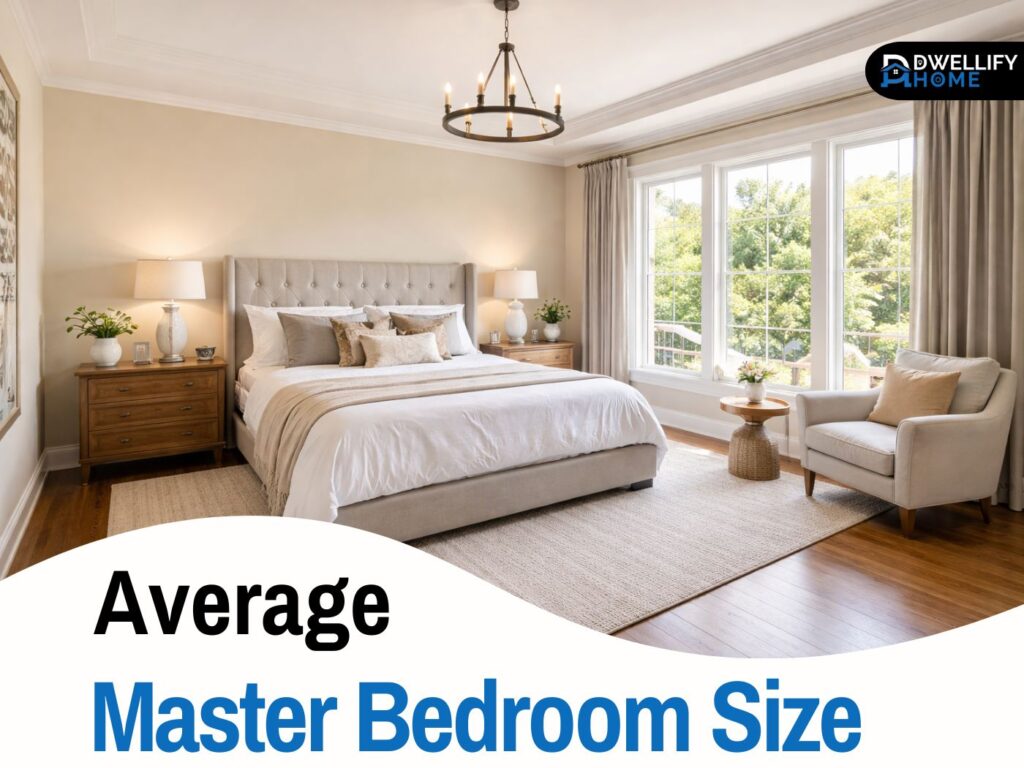
In many U.S. homes, a primary bedroom usually lands somewhere around 200 to 300 square feet for the bedroom area itself. A very common “feels right” size is around 14 feet by 16 feet, which gives you enough room for a larger bed, nightstands, and decent circulation.
That said, averages change fast depending on the home. Newer construction often pushes primary bedrooms larger, especially when builders include bigger closets and attached baths. On top of that, some homes call it a “suite” even when the bedroom itself is fairly normal, because the extra spaces are what boost the total square footage.
Common size in square feet (typical U.S. range)
If you want a quick mental picture:
- Around 200 to 250 square feet feels like a comfortable primary bedroom in many homes.
- Around 250 to 350 square feet often allows a sitting spot or a more generous layout.
- Above that, you’re usually getting into larger new-build or luxury territory, especially if the room is part of a big suite.
Common master bedroom dimensions in feet (popular layouts)
Most layouts I see again and again are simple rectangles, because they furnish well:
- 14 x 16 feet is a classic.
- 15 x 17 feet is a slightly roomier version.
- 16 x 18 feet gives more breathing room, especially for a king bed.
These aren’t strict rules. They’re just common dimensions that show up because they work.
Quick Guide Table: Sizes at a Glance
| Space type | Common dimensions (ft) | Area (sq ft) | Approx area (sq m) | Notes |
| Standard bedroom | 10×12 | 120 | 11.1 | Works for full/queen + small dresser |
| Standard bedroom (roomier) | 12×14 | 168 | 15.6 | Better circulation and storage |
| Primary/master bedroom (common) | 14×16 | 224 | 20.8 | Classic “comfortable” size |
| Larger primary bedroom | 15×20 | 300 | 27.9 | Space for seating or desk |
| Primary bedroom + attached bathroom | 14×16 + bath | 280–340 | 26.0–31.6 | Suite total varies by bath layout |
| Full suite (bed + bath + walk-in closet) | varies | 320–450+ | 29.7–41.8+ | Closet and bath size drive totals |
Simple Step-by-Step: How to pick the right size for your room
- Start with your bed size (queen or king) and place it on the best uninterrupted wall.
- Protect your walkways: aim for about 30–36 inches on main sides you walk through.
- Add must-have furniture only (two nightstands, dresser, maybe a chair).
- Check door swings and closet access so nothing collides or blocks drawers.
- If you want an attached bath or walk-in closet, plan the suite as a whole, not just the bedroom footprint.
Master bedroom vs standard bedroom size (quick comparison)
A standard bedroom is typically smaller and more “sleep-only.” In many homes, a standard bedroom size in feet is often around 10 x 12 or 11 x 12. That’s enough for a full or queen bed, a small dresser, and a basic closet.
A primary bedroom earns that “main bedroom” feeling when it can comfortably fit a larger bed, proper nightstands, and still leave clear walkways. The best part is, you don’t need a huge room for that. You just need the space to be usable without constant furniture shuffling.
In real projects, the biggest difference is not only square footage. It’s how the room handles real life: getting dressed, moving around the bed, and adding storage without blocking the doors.
Average master bedroom size by home type (why “average” changes)
One reason bedroom sizes feel all over the place is that “average” depends heavily on the kind of home you’re looking at. A 1950s home, a downtown condo, and a brand-new suburban build all play by different rules.
I’ve remodeled older homes where the primary bedroom was smaller than today’s standards, but still felt great because the layout was clean. I’ve also seen larger rooms that felt awkward because the doors and windows stole all the good furniture walls.
Older homes vs newer builds (what’s different and why)
Older homes often have smaller bedrooms, narrower closets, and tighter hallways. Builders used to prioritize more shared living space and less private suite space. Newer homes tend to do the opposite, especially when buyers want walk-in closets and attached bathrooms as standard features.
Apartment and condo vs single-family homes
Condos often have efficient layouts, so the primary bedroom can be smaller but smarter. You may see more compact sizes, but better built-in storage. In single-family homes, there’s usually more flexibility, so primary bedrooms can grow along with the overall house size.
Luxury homes and larger primary bedrooms
Luxury homes can have very large primary bedrooms, but what’s really increasing the size is often the full suite. When you add a large bathroom, bigger closets, and sometimes a sitting area, the total space can easily jump well beyond what most people think of as “bedroom size.”
Master bedroom size with attached bathroom (primary suite sizing)
This is where people get tripped up. A master bedroom size with attached bathroom is not the same number as the bedroom alone. In floor plans, that attached bath can add a surprising amount of square footage.
Bedroom-only size vs bedroom plus attached bathroom (don’t mix them)
A practical way to think about it is this:
- Bedroom-only size is where the bed and bedroom furniture live.
- Bedroom plus bath is your primary suite footprint.
If your goal is comfort and functionality, focus first on making the bedroom itself work. Then treat the bath as a separate piece of the puzzle.
Typical attached bathroom sizes (what’s realistic)
Most attached bathrooms I design or review are often around 40 to 80 square feet for a simple layout. More spacious ones can be 80 to 120 square feet when you have double vanities, separate shower, and a more open feel.
That’s why a bedroom that seems “average” can quickly become a much larger suite once the bath is included.
Master bedroom size with attached bathroom + walk-in closet (full master suite)
When a walk-in closet joins the party, the size jumps again. And it’s not just about having a closet, it’s about having a closet that’s actually usable.
Typical total size range for a full suite
A full suite often includes:
- The bedroom area
- The attached bathroom
- The closet space, sometimes more than one closet
In newer homes, it’s common to see the full suite pushing into the 250 to 400 square foot range or more, depending on the home and layout.
Walk-in closet sizing that works (not just fits)
Here’s a tip from real planning work: walk-in closets don’t need to be huge, but they do need clearance. A typical walk-in closet works best when you can move through it without turning sideways.
A simple guideline is to allow a clear path of around 30 inches to 36 inches through the closet. If storage is on both sides, you’ll want enough width so it doesn’t feel like a tight hallway. That’s why closet layout often matters more than total square footage.
Average master bedroom size in different units (feet, meters, cm, inches)
If you’re working internationally or measuring for furniture, unit conversions help a lot. The numbers feel less confusing when you can switch between feet, meters, centimeters, and inches.
Master bedroom size in feet (quick examples)
Common bedroom dimensions like 14 x 16 feet are easy to visualize. They also make planning furniture spacing simpler because many furniture sizes are listed in inches, and room layouts are often drawn in feet.
Average master bedroom size in meters (simple conversion)
For a rough mental conversion, 1 foot is about 0.3048 meters. So a 14 x 16 foot room is roughly 4.27 x 4.88 meters.
That makes the average master bedroom size in meters often land somewhere around:
- About 4.0 x 4.5 meters for many comfortable primary bedrooms
- Larger rooms can go beyond that, especially in new builds
Master bedroom size in cm and inches (helpful for measuring)
If you’re measuring with a tape, centimeters and inches can feel more practical. A 14 x 16 foot room is about 427 x 488 cm.
And since many beds are measured in inches, it’s helpful to remember the big ones:
- A king bed is commonly about 76 x 80 inches for the mattress
- A queen bed is commonly about 60 x 80 inches for the mattress
That’s one reason the average master bedroom size in inches is less commonly listed as a full room number, but it’s very useful for furniture planning.
Layout rules that matter (bed size + clearance space)
This section is where the real comfort comes from. I’ve seen bedrooms with decent square footage feel tight because circulation space was ignored. I’ve also seen smaller rooms feel surprisingly good because the layout respected clearances.
Minimum comfortable clearance around the bed (real movement space)
A practical target is to leave around 30 to 36 inches of clear space on the main walking sides of the bed. This gives you room to walk, open drawers, and make the bed without doing awkward sideways moves.
If you’re tight on space, you can sometimes reduce clearance on one side, but you’ll feel it every day. The room may still function, but it won’t feel relaxed.
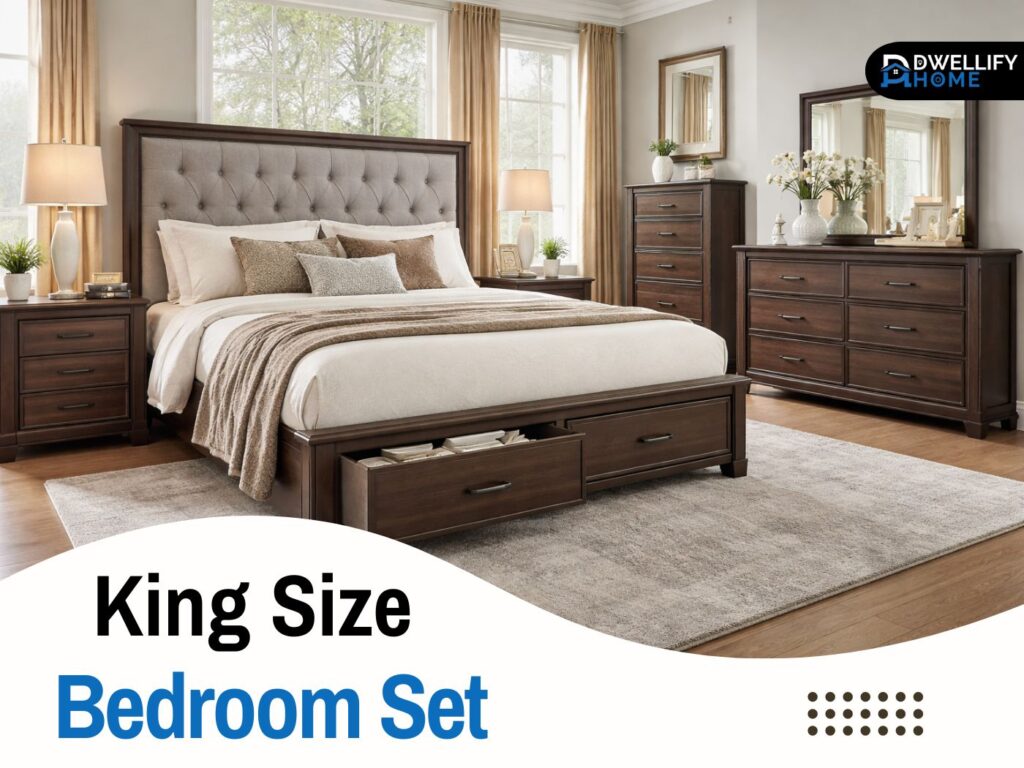
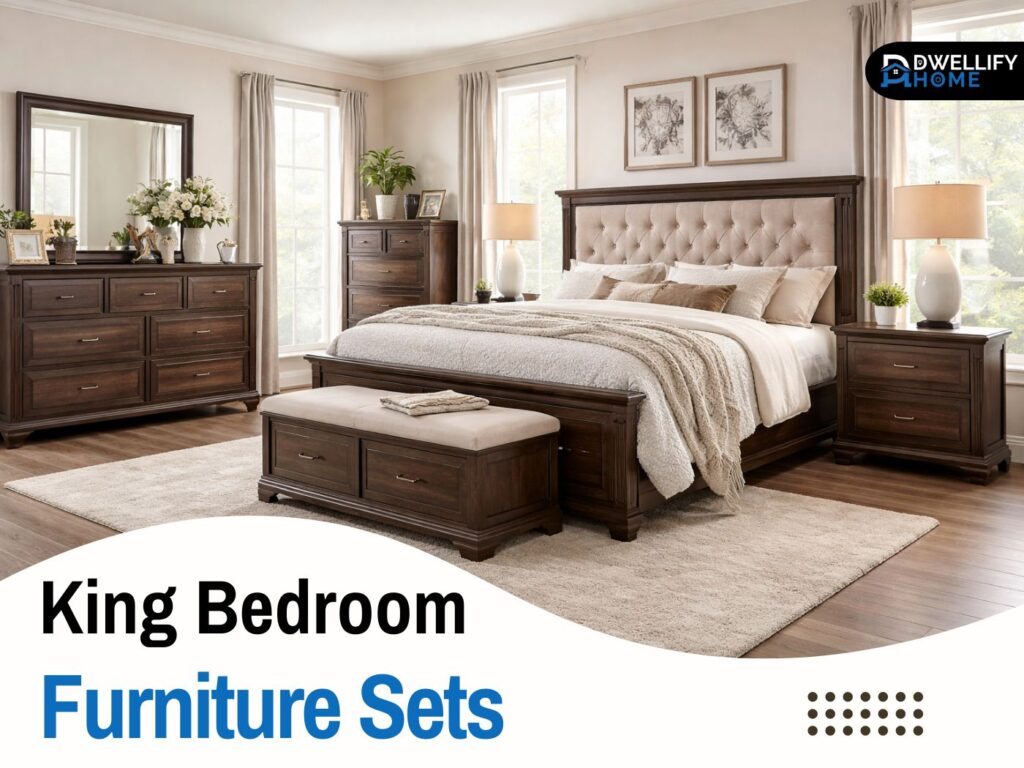
Room size guidance for a king bed + essential furniture
If you want a king bed with two nightstands, you’ll usually want enough width so the bed wall doesn’t feel crowded. You’ll also want enough depth so you can place a dresser or a bench without blocking the path.
A simple furniture checklist that helps planning:
- Bed size: king or queen
- Two nightstands, ideally at least 18 to 24 inches wide each
- Dresser depth, often around 18 to 22 inches
- Clear path from door to closet to bathroom, without weaving around furniture
When you plan around movement first, the room feels calm. When you plan around furniture first, the room can look good but feel annoying.
Choosing the right master bedroom size for your lifestyle
This is the part I wish more homeowners thought about earlier. The right size is not about chasing the biggest number. It’s about matching the room to how you actually live.
Sleep-only vs sitting area vs work corner
Some people genuinely only need sleep space and storage. Others want a chair by the window or a small desk. Those choices change the size you’ll want.
If you want a sitting area, you’ll need more than just extra square footage. You’ll need a layout that gives you a clean “zone” that doesn’t block circulation.
Storage and daily routine needs (closet, laundry flow, dressing space)
If you and your partner both get ready at the same time, you’ll appreciate wider paths and easier access to closets. If storage is tight, you’ll end up with more furniture, which eats floor space quickly.
A smart way to plan is to list the furniture you actually use daily:
- Do you need a dresser, or can closet storage handle it?
- Do you prefer a bench, a chair, or nothing at the foot of the bed?
- Do you need a full-length mirror spot that doesn’t clash with doors?
Proportionality rule: making the master fit the rest of the home
In most well-balanced homes, the primary bedroom feels proportional to the overall house. If it’s too small, it feels like an afterthought. If it’s too large, you often sacrifice other useful spaces like storage, laundry, or living areas.
Minimum bedroom size requirements (basic safety + usability)
I’m not giving legal advice here, but I can share common guidelines that show up in building standards and typical code references. These matter most when you’re finishing a basement, converting a room, or planning a new layout.
General minimum size/width guidance (common code-style benchmarks)
Many general guidelines reference a minimum bedroom area around 70 square feet and a minimum horizontal dimension around 7 feet. Again, local rules can differ, but these numbers come up frequently in planning discussions.
Even if you’re not dealing with permits, these benchmarks help you avoid creating a room that feels unusably tight.
Bedroom egress basics (why window/exit requirements matter)
Bedrooms usually need a safe way to exit in an emergency, often through an egress window or door meeting certain size and accessibility requirements. In design terms, this impacts where you place the bed, how you arrange furniture, and how you plan window openings.
If you’re renovating or adding a bedroom, checking your local requirements early saves a lot of headache later.
Common master bedroom shapes & floor plan tips (easy wins)
Most primary bedrooms are rectangles because they’re easier to furnish. But even a rectangle can go wrong when doors and windows are placed without thinking about furniture walls.
Rectangular vs square rooms (which furnishes better?)
Rectangles often furnish better because you can place the bed on one end and keep circulation along the sides. Square rooms can work too, but they sometimes lead to awkward furniture placement unless the openings are positioned well.
Door + window placement mistakes to avoid
A few common layout problems I spot often:
- The bedroom door opens into the only good bed wall
- The closet door steals the dresser wall
- Windows are placed so low or wide that there’s no headboard wall
- Bathroom door lines up directly with the bed, which some people dislike for privacy
Small changes like door swing direction or closet door type can make a room feel larger without changing the footprint.
How to measure a master bedroom correctly (and calculate area)
Measuring sounds simple, but it’s easy to miscount space, especially when a room has bump-outs, angled walls, or deep window nooks.
Start by measuring the length and width of the main rectangle. Multiply them to get square footage. If the room has an extra nook, measure that section separately and add it.
Square footage formula + odd shapes
For rectangles:
- Length x width = area
For L-shaped rooms:
- Break it into two rectangles, calculate both, then add them
What to count vs what not to count
In many listings and conversations, people blend spaces together. For planning, it helps to separate them:
- Bedroom area: where sleeping and bedroom furniture go
- Closet area: storage space, often counted separately in practical planning
- Bathroom area: part of the suite, not the bedroom itself
If you’re comparing homes, always clarify whether the number refers to bedroom-only or the full suite.
Small master bedroom? Make it feel bigger without remodeling
If your primary bedroom is on the smaller side, don’t panic. I’ve seen compact rooms feel great with the right choices. The key is to reduce visual clutter and keep clear paths.
Space-saving furniture and storage choices that actually help
A few practical upgrades that make a real difference:
- Use nightstands with drawers instead of extra dressers
- Choose a bed with under-bed storage if closet space is limited
- Wall-mount reading lights to free up nightstand space
- Use sliding closet doors if swing doors steal floor area
Lighting, mirrors, and layout tweaks that don’t feel fake
Good lighting makes a room feel more open, especially when you layer it:
- Overhead light for general brightness
- Bedside lighting for comfort
- A soft lamp near a chair or dresser area
Mirrors can help too, but the trick is placing them where they reflect light, not clutter.
Smart declutter zones
One personal habit I recommend is creating a “drop zone” near the entry, like a slim dresser or hooks inside the closet. When small items get a home, the room feels calmer instantly.
Resale value and buyer expectations (what matters most)
A bigger room can be appealing, but it’s not always the deciding factor. In many real transactions, buyers care more about how the space functions.
What tends to matter:
- Can a king bed fit comfortably?
- Is there a decent closet, ideally walk-in?
- Is there an attached bathroom or at least space nearby?
- Does the layout feel private and practical?
If your room is slightly smaller but well laid out, it often feels better than a bigger room with awkward openings.
Primary bedroom vs master bedroom (terminology + modern listings)
You’ll see “primary bedroom” used more often now. It’s basically the same idea: the main bedroom in the home, typically the largest, often with the best closet and bathroom access.
In design work, the term doesn’t change the planning. The bed still needs clearance, storage still needs space, and the layout still needs good circulation. The label is just a modern wording choice.
Expert-level planning extras (optional but standout value)
This is the stuff that separates a room that looks fine from a room that feels genuinely restful.
Privacy & sound comfort
If you can, place the bedroom away from the noisiest parts of the home. Soft finishes like rugs and curtains help reduce echo. Solid-core doors or better door seals also make a noticeable difference.
Ventilation and natural light basics
Natural light affects how big a room feels. A well-placed window with decent daylight can make a modest bedroom feel bright and open. Ventilation matters too, especially in homes where the primary suite is tucked away. A comfortable room isn’t just about size, it’s about air, light, and temperature.
Accessibility-ready spacing
Even if you don’t need it today, planning wider paths is a smart long-term move. Keeping clear routes to the bathroom and closet, and avoiding tight pinch points, makes the room easier for everyone.
FAQs
1) Is 12×12 a good size bedroom?
It can be, especially for a full or queen bed with slim nightstands. For a king bed, 12×12 usually feels tight once you add walking space and a dresser.
2) Is a 300 sq ft bedroom big?
Yes, 300 sq ft is on the larger side for a bedroom. It often allows a king bed plus a sitting area or a work corner without the room feeling crowded.
3) Is a 10×11 bedroom too small?
Not necessarily. It’s compact, but it can work well for a guest room, kids room, or a minimal setup. The key is keeping furniture scaled and pathways clear.
4) Is a 20×20 bedroom large?
Very large. A 20×20 bedroom is 400 sq ft, which is big enough for zoning, like a bed area plus seating and extra storage, and it can start to feel like a suite space.
5) What is a good master bedroom size for a king bed?
A common comfortable starting point is around 14×16 ft (224 sq ft). It usually fits a king bed, two nightstands, and decent circulation space.
Conclusion
A average master bedroom size can sound like a simple question, but the real answer depends on what you mean by “bedroom.” Bedroom-only spaces often land around a comfortable 200 to 300 square feet, while a full suite grows quickly once you add an attached bathroom and closet.
If you take one practical lesson from this guide, make it this: plan around the bed and the walkways first. Give yourself honest clearance, think about storage, and measure your space properly before making big furniture decisions.
When you do that, even a modest primary bedroom can feel calm, functional, and genuinely comfortable, which is what you want at the end of a long day.
Disclaimer:
This guide provides general planning and design information. Room size recommendations and bedroom safety requirements can vary by location and project type. For renovations or new builds, confirm details with local building codes and a qualified professional.

I’m Bilal, the founder of Dwellify Home. With 6 years of practical experience in home remodeling, interior design, and décor consulting, I help people transform their spaces with simple, effective, and affordable ideas. I specialize in offering real-world tips, step-by-step guides, and product recommendations that make home improvement easier and more enjoyable. My mission is to empower homeowners and renters to create functional, beautiful spaces—one thoughtful update at a time.