
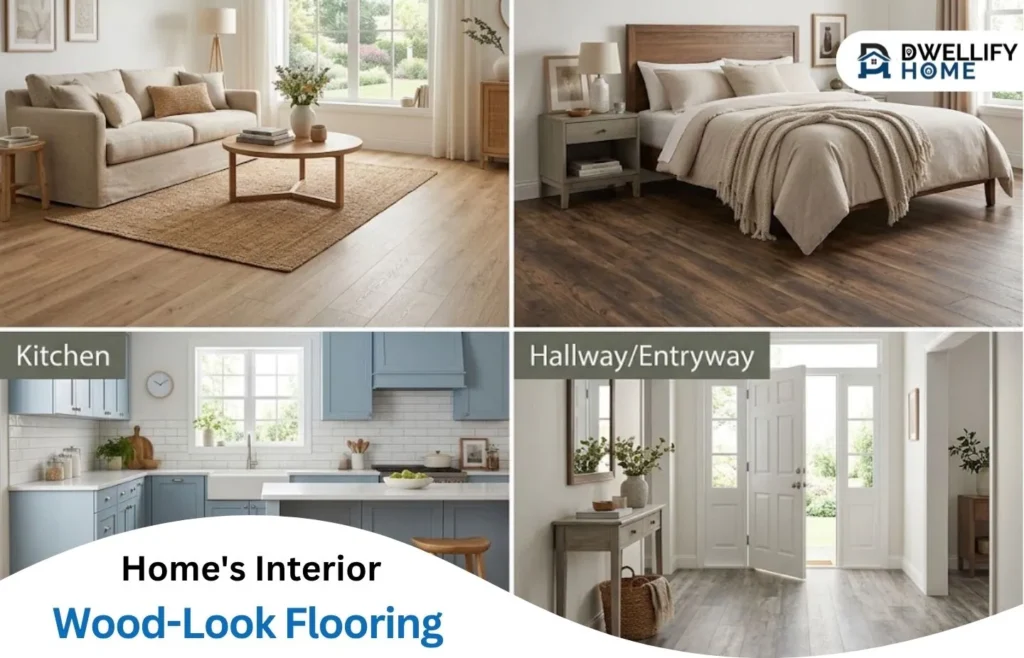
Some interiors have a way of feeling effortlessly inviting. The furniture may be simple, the color palette understated, and the decorative details carefully chosen, yet everything seems to belong together. Often, much of that harmony comes from the surfaces we notice without consciously thinking about them, particularly the flooring beneath our feet.
Wood has long been associated with warmth, character, and timeless design, but achieving that look no longer requires installing traditional hardwood throughout the home. Modern wood-look flooring offers a variety of colors, textures, and finishes that can bring a similar sense of natural beauty into different spaces, often with more flexibility in terms of budget and maintenance.
Whether you’re refreshing a single room or planning a larger renovation, the right flooring can help create an interior that feels cohesive, comfortable, and thoughtfully designed.
Start with the Right Wood Tone
One of the most important decisions when choosing wood-look flooring is finding a color that complements the rest of your home. The shade beneath your furniture can influence how spacious, warm, or intimate a room feels, so it’s worth considering the overall atmosphere you want to create.
Light oak and pale natural finishes are particularly effective in smaller rooms or spaces with limited daylight. They reflect more light than darker surfaces and work beautifully with soft neutrals, linen upholstery, and simple furniture. These tones are often associated with Scandinavian-inspired interiors, but they can feel equally at home in traditional or contemporary spaces.
Medium wood tones offer a different kind of versatility. Honey oak, warm walnut-inspired shades, and muted brown finishes can add richness without making a room feel heavy. They’re especially appealing when paired with cream walls, natural fabrics, and furniture in complementary wood tones.
Dark flooring can create a sophisticated, dramatic effect, particularly in rooms with generous natural light. However, it tends to make dust, pet hair, and certain surface marks more noticeable, so the practical side of living with darker finishes deserves consideration.
Before settling on a color, bring a few samples home and observe them throughout the day. Natural light, artificial lighting, and surrounding paint colors can all change how a flooring finish appears.
Choose a Finish That Feels Natural
Color is only part of what makes wood-look flooring convincing. Texture, grain variation, plank dimensions, and surface sheen all contribute to the final appearance, and these details can make the difference between a floor that looks flat and one that adds genuine character to a room.
Matte and low-sheen finishes are often a good choice for relaxed, contemporary interiors. They tend to create a softer appearance than highly glossy surfaces, allowing the wood-inspired grain to become part of the design without drawing too much attention to itself.
Textured finishes can add another layer of interest. Some laminate products feature embossed surfaces that follow the printed grain pattern, creating a more realistic visual and tactile effect. Subtle variations between planks can also help the finished floor resemble natural timber rather than a repeating printed design.
When comparing materials for a renovation, it’s worth looking at the available finishes as carefully as the colors. Collections of wholesale laminate flooring include wood-inspired options in different shades, plank sizes, and textures, giving renovation professionals a range of possibilities to consider when developing an interior scheme. Choosing a finish that works with the home’s overall character can make even a relatively simple space feel more considered.
The most successful choice is usually one that complements the room rather than competing with everything else in it.
Create a Sense of Flow Between Rooms
A home often feels more spacious and harmonious when its rooms share a consistent visual language. Flooring plays a major role in creating that connection, especially in open-plan layouts where the living room, dining area, and kitchen are visible from one another.
Using the same wood-look flooring across connected spaces can create a sense of continuity. Instead of dividing the home into several distinct sections, the floor becomes a unifying element that allows furniture, lighting, and architectural details to take center stage.
This approach can work particularly well in smaller homes, where too many flooring changes may make the layout feel fragmented. A consistent finish can help the eye travel naturally from one area to another, creating the impression of a more open and balanced interior.
However, visual continuity shouldn’t come at the expense of practicality. Some rooms have different moisture, acoustic, or maintenance requirements, and the flooring selected must be suitable for those conditions. Where a transition is necessary, choosing complementary colors and understated transition strips can help maintain a cohesive appearance.
The relationship between flooring and furniture placement matters, too. Dwellify Home’s guide to balanced furniture layouts explores how thoughtful arrangements can improve the visual flow of a room, an approach that works particularly well when paired with consistent flooring.
Layer Wood-Look Flooring with Soft Textures
Wood-inspired floors provide a beautiful foundation, but the most inviting interiors usually combine them with softer materials. Rugs, curtains, upholstered furniture, and natural fabrics can introduce warmth and contrast, preventing a room from feeling overly polished or visually flat.
In a living room, a generously sized rug can help define the seating area while adding softness beneath a coffee table and sofa. A neutral wool or cotton rug can complement warm wood tones, while a patterned design introduces personality without requiring major changes to the furniture.
Bedrooms benefit from a similar approach. Even when the floor itself is a hard surface, layered bedding, upholstered headboards, and a soft rug beside the bed can create a comfortable, restful atmosphere. The contrast between smooth flooring and tactile fabrics adds depth without making the room feel cluttered.
Texture also provides an opportunity to introduce more individual character. Woven baskets, linen curtains, ceramic accessories, and vintage furniture can all work beautifully with wood-look flooring, particularly when their colors share similar undertones.
For inspiration, Dwellify Home’s article on alternative home décor offers ideas for mixing older pieces, natural textures, and contemporary furnishings to create spaces that feel personal rather than overly coordinated.
Use Plank Size and Direction to Shape the Space
The dimensions and direction of flooring planks can influence how a room is perceived. While color often receives the most attention, these more subtle design decisions can have a considerable effect on the finished interior.
Wide planks tend to create a calmer appearance because there are fewer visible seams across the floor. They can be particularly effective in open-plan spaces or rooms where a simple, contemporary aesthetic is the goal. Narrower planks, on the other hand, can introduce a more traditional character, especially when paired with classic furniture and architectural details.
Plank direction is another detail worth considering. Running flooring along the length of a narrow room can emphasize its proportions, while aligning planks with the main sightline may help create a more continuous visual effect.
There isn’t one direction that works for every home, however. The shape of the rooms, the location of doorways, and the manufacturer’s installation requirements should all influence the final layout.
Before installation begins, it can be helpful to arrange a few sample planks on the floor and view them from different entrances. This simple exercise can reveal whether a particular direction feels natural or creates an awkward visual break.
Balance Style with Everyday Practicality
A beautiful floor should also be comfortable to live with. Fortunately, modern laminate flooring offers a range of performance features that make wood-inspired designs suitable for many active households.
For busy living areas, pay attention to the product’s wear rating, scratch resistance, and recommended applications. Families with children or pets may benefit from more durable surface finishes, while quieter rooms may allow greater flexibility in the type of flooring selected.
Moisture resistance is another important consideration. Some laminate products are designed to withstand everyday spills better than others, but that doesn’t mean all laminate flooring is waterproof or appropriate for every room. Bathrooms, laundry areas, and other moisture-prone spaces require particular care when choosing materials.
Installation quality matters just as much as the flooring itself. An uneven subfloor or unsuitable underlayment can affect how the finished floor feels and sounds underfoot. Dwellify Home’s guide to second-floor flooring offers additional insight into how flooring choices can influence comfort, noise, and everyday use in upstairs rooms.
Indoor air quality is worth considering as well. The U.S. Environmental Protection Agency provides information about formaldehyde emissions associated with certain composite wood products, making it a useful reference when evaluating flooring materials and product documentation.
A little research before purchasing can help ensure the floor performs as well as it looks.
Bring the Entire Interior Together
Once the flooring has been selected, the next step is making sure the surrounding finishes work with it. Wall colors, furniture, cabinetry, and lighting can all influence how the floor appears, so the most successful interiors usually consider these elements together.
Warm wood tones often pair beautifully with creamy whites, muted greens, soft clay colors, and natural textiles. Cooler finishes can work well with crisp neutrals, charcoal accents, and more contemporary furniture. Mixing warm and cool tones is possible, but repeating a few complementary colors throughout the room helps the combination feel intentional.
Lighting deserves particular attention. A floor that appears neutral in daylight may take on a warmer or cooler cast under artificial lighting. The Illuminating Engineering Society offers educational resources on lighting principles, including how lighting influences the visual experience of interior spaces.
Decorative details can then provide the finishing touches. A vintage wooden sideboard, a sculptural lamp, or a carefully chosen rug can introduce personality without overwhelming the room. Rather than matching every surface perfectly, aim for a balance of materials that share a similar mood.
The result should feel collected and comfortable, not like every element was purchased from the same furniture collection.
A Timeless Foundation for a Beautiful Home
Wood-look flooring offers an opportunity to bring warmth, texture, and visual continuity into a home without relying exclusively on traditional hardwood. With the variety of finishes available today, it can complement everything from relaxed, contemporary interiors to more classic and character-filled spaces.
The key is to look beyond the flooring sample itself and consider how the material will interact with the rest of the room. Color, texture, plank proportions, lighting, and everyday practical needs all play a role in creating a successful result.
Ultimately, the most beautiful interiors aren’t necessarily the ones with the most expensive finishes. They’re the ones where each choice feels connected to the next, creating a home that’s as welcoming to live in as it is lovely to look at.
For transparency, we disclose that some links in this article may be affiliate or sponsored links. Dwellifyhome.com may earn a commission from qualifying purchases made through them, helping support our ongoing publishing efforts.



