
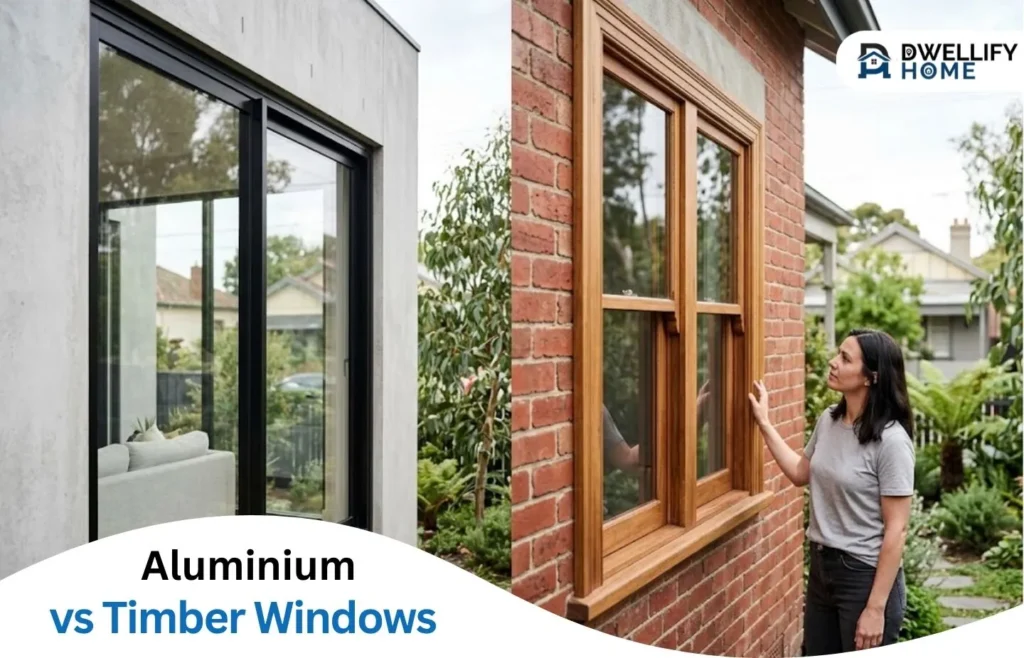
Choosing new windows for your home isn’t just about ‘looking good’. Nor is it only about the installation cost. Your choice of windows would affect indoor comfort, maintenance costs, energy efficiency and even the character of your property. If you ask a Melbourne homeowner, the two main choices that would come to mind would be aluminium and timber.
Both have their pros and cons. Aluminium suits contemporary homes and requires relatively little upkeep. Timber offers natural warmth and a traditional finish that is difficult to replicate. So, which is the better choice for your home? Let’s look at the differences that matter.
1. Appearance and Design: Modern or Traditional?
Aluminium windows are a popular option for modern houses, especially when people want narrow frames, simple lines and a modern appearance; they come in a variety of powder-coated colours and suit minimalist architectural styles.
Timber windows have their own kind of charm, thanks to their natural grain, warmth and versatility, which makes them very appropriate for Victorian terraces, Federation houses and Edwardian buildings all over Melbourne. In areas like Hawthorn, Kew and Camberwell, the correct choice of window design can make a real difference to the overall look of a period home.
Timber joinery also provides more flexibility when it comes to matching traditional profiles, decorative details and the existing window designs. In the case of renovations where it is important to retain the original character, this can be a major benefit.
2. Energy Efficiency: Which Performs Better?
The weather in Melbourne can change suddenly, so after a cold winter morning it is not at all uncommon to have a warm afternoon, and faulty windows make it hard to control the temperature inside.
Timber acts as a good insulator and so passes on less heat than standard aluminium frames. Since aluminium conducts heat easily, thermally broken aluminium frames are designed in such a way as to reduce this heat transfer and can therefore achieve excellent performance.
The window on its own does not give the full picture since the glazing, the weather seals, the quality of the installation, and the orientation of the window all influence energy efficiency; although double glazing can improve insulation, it is still the overall specification that is more important than simply picking one material instead of another.
When energy efficiency is a concern, it is better to compare the performance ratings of entire window systems rather than depending just on the frame material.
3. Maintenance and Durability
This is where the differences become practical.
Aluminium windows generally require less maintenance. Regular cleaning, checking seals and keeping tracks clear will help keep them working properly. They won’t rot like timber, although their hardware, seals and finishes can still deteriorate over time.
Timber windows need a little more attention. Protective paint or finishes must be maintained, particularly on exposed sills and joints where rainwater can collect. Ignoring peeling paint or moisture damage can eventually lead to timber decay.
That doesn’t mean these types of windows are short-lived. With suitable materials, good installation and regular maintenance, quality timber frame windows can remain serviceable for many years. The key is dealing with small problems before they become expensive timber window repairs.
4. Cost: Look Beyond the Initial Price
Aluminium windows are often an attractive option for homeowners working with a tighter upfront budget, although the price varies with the design, glazing and frame specifications.
Manufacturing custom timber windows in Melbourne can involve a higher initial investment, particularly when traditional profiles, specialised timber or bespoke dimensions are required. There may also be ongoing costs for painting and maintenance.
However, the cheapest option at installation isn’t necessarily the best value over the life of the home. Consider how long you plan to stay, the appearance you want to maintain and the likely cost of future upkeep.
For an accurate comparison, request quotes based on similar window sizes, glazing specifications, finishes and installation requirements.
5. Which Windows Are Better for Melbourne’s Heritage Homes?
For older Melbourne properties, appearance isn’t simply a matter of personal preference. Original window proportions, sash designs and glazing bars can be important parts of a home’s architectural character.
Replacing traditional timber windows with a different style can change the look of the facade, sometimes more than homeowners expect. A custom timber joinery in Melbourne can help preserve those details while allowing improvements to glazing, weather sealing and operation where the design permits.
If your property is subject to heritage controls, check the relevant requirements before planning a replacement. Approval may be necessary, depending on the property’s status and the proposed work.
6. So, Should You Choose Timber or Aluminium Windows?
There isn’t one right answer for every Melbourne home.
Aluminium may suit you if you prefer contemporary styling, lower routine maintenance and clean, modern lines. Timber is worth considering if you value natural materials, traditional architecture and the flexibility of custom craftsmanship.
Before deciding, think about your home’s design, insulation requirements, budget and willingness to maintain the windows over time.
For homeowners considering timber windows in Melbourne, working with an experienced joinery specialist can help clarify the available options. At CJ Riley Joinery, the focus is on timber windows designed to suit the home, whether you’re updating an older property or planning a renovation.
The best windows aren’t necessarily the ones made from the most popular material. They’re the ones that suit your home, perform well and continue to look right for years to come.
Some links in this article may provide a small commission to Dwellifyhome.com when readers make qualifying purchases. These affiliate or sponsored relationships help us continue sharing articles, ideas, and useful information online.



