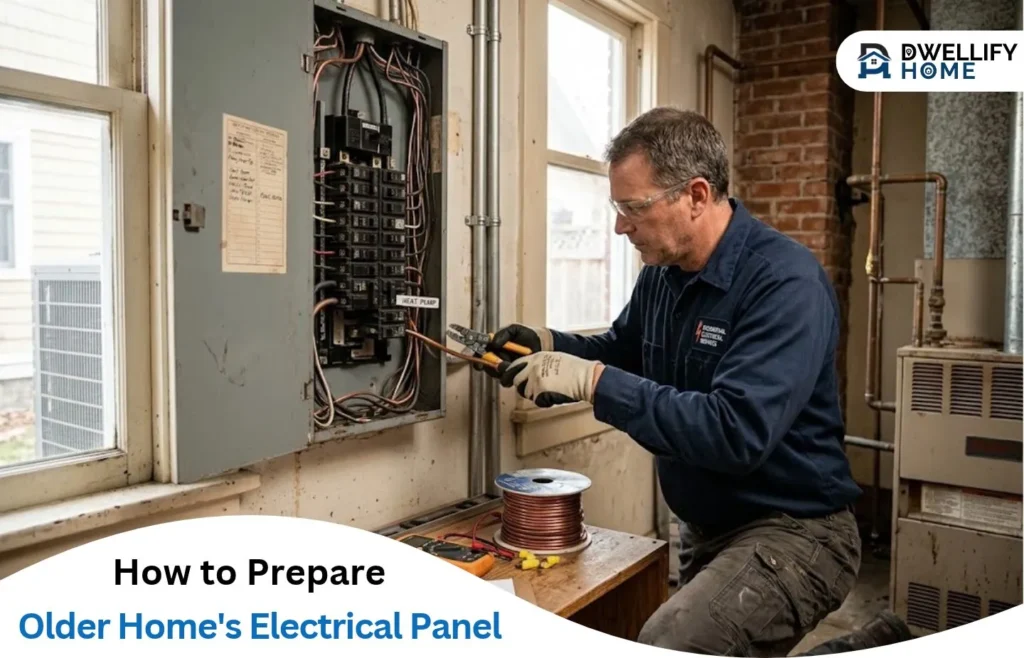
The central heat pump system will use electricity throughout the year. The power will be drawn constantly by the central heat pump system from the main electrical panel in the house. Many houses may have small-sized electrical panels since in the olden days the electrical load was much lower.
A brief preparation prior to the installation day will keep the process going on schedule. Those who are planning a central heat pump installation in Worcester County can begin with the panel to save themselves from any last-minute hassles. The following steps are for that purpose.
An Older Panel May Lack Room for a Heat Pump
The electrical panel is a metal box that divides the utility power into circuits for the various parts of the home. Lights plus some small appliances were the only things older homes were designed for. A central heat pump requires its own bigger circuit and also has a high and steady draw. As soon as that circuit is added to a panel that is already near its limit, it could trip or overheat. This means that there is a chance that an upgrade may be needed first. The panel check conducted early in the project indicates whether or not the panel under consideration can support the additional load.
Signs the Panel Needs Attention
- The main breaker label reads 100 amps or below.
- Screw-in fuses in the box point to a very old panel.
- The panel has no empty slots for a new double breaker.
- Breakers trip when the dryer or oven runs at full power.
- Rust or water marks on the box show signs of moisture.
- A warm cover or a burnt smell calls for a prompt call to an electrician.
Older Homes with Electric Heat Raise the Stakes
Electric heat has become a common choice for U.S. households. U.S. Energy Information Administration data shows 42% of U.S. households used electricity as their main heat source in 2024. A National Association of Home Builders review of Census data also found that around 47% of owner-occupied homes were built before 1980. Some of those homes still run on their original panels. A heat pump in an older home adds a heavy winter load to that panel. A planned upgrade keeps that winter demand within safe limits.
A Load Calculation Comes First
A load calculation adds up the power each appliance in the home can draw at peak use. The result shows how much spare capacity the panel holds for a new heat pump. A separate heat loss calculation called a Manual J sets the right heat pump size for the home. A correctly sized unit draws only the power the space needs. These two numbers tell the contractor if the current panel will work. Homeowners can help with a list of large appliances such as an electric range or dryer.
Upgrade Options for an Older Panel
Homes with 200-amp service can usually handle a central heat pump with few changes. Older 100-amp panels may need a full service upgrade to 200 amps. A subpanel is a second, smaller box that adds circuits when the main panel lacks open slots. Load management devices can pause a large appliance while the heat pump runs. A variable-speed heat pump draws a gentle current at startup, which can ease the strain on a small panel. The right option depends on the load calculation plus the age of the current equipment.
What a Licensed Electrician Handles
Any work inside the panel calls for a licensed electrician. On arrival, the electrician checks the main breaker size plus the condition of each wire connection. Next, the electrician confirms the size of the service line from the utility. For a full service upgrade, the electrician schedules the power shutoff with the local utility. The electrician also handles the permit paperwork. This visit leaves the homeowner with a panel ready for the new heat pump circuit.
Coordinate the Panel Work with the HVAC Install
The panel upgrade works best as one step in a shared schedule. For a central heat pump installation in Worcester County, the electrician can finish the panel work a few days before the heat pump arrives. A dedicated circuit then runs from the panel to the outdoor unit. A shutoff switch near the outdoor unit lets technicians cut power safely at service visits. Each crew should work from the same load calculation so the parts of the system match. A clear order of work keeps the install on its planned one or two days.
An older electrical panel may lack the capacity a central heat pump needs. The best first step is a load calculation paired with a panel check from a licensed electrician. From there, a service upgrade or subpanel can close the gap. A shared schedule for the electrician with the HVAC crew keeps the project on track. The payoff is a heat pump that runs on safe, steady power through every season.
Some links in this article may result in a commission for Dwellifyhome.com. These may include affiliate or sponsored links, and compensation may be received when readers complete eligible purchases through them.