A cold snap can turn a quiet winter night into a stressful plumbing emergency. You turn on the kitchen tap, and only a thin trickle comes out. Hours later, a frozen line might crack and flood your floors. Knowing what to do next can save your home from serious water damage.
Speed matters most once a pipe freezes, and so does reaching the right help. Many plumbing companies now use an answering service for plumbers to catch urgent calls around the clock. That means a real response, even at midnight on a holiday weekend. This guide walks you through the warning signs, first steps, and fastest ways to get help.
Why Pipes Freeze in Winter
Water expands when it freezes, and that pressure has to go somewhere. Inside a pipe, it pushes against the walls until the metal or plastic gives way. Some parts of your home face far more risk than others. Here are the most common reasons water lines freeze during cold weather.
- Pipes running along exterior walls with little or no insulation.
- Water lines sitting in unheated spaces like attics, garages, and crawl spaces.
- Outdoor hose bibs and sprinkler lines left full of water.
- Homes kept too cold at night or while owners travel.
Most frozen pipes start in places homeowners rarely check. A quick walk through these spots before winter can reveal weak points. Even small gaps in insulation can let freezing air reach your plumbing. Knowing where trouble starts makes the warning signs easier to spot.
Signs Your Pipes Have Frozen
Frozen pipes rarely announce themselves with a loud bang. Instead, the clues appear quietly, often first thing in the morning. Catching them early gives you time to act before a line bursts. Watch for these common warning signs on cold days.
- A faucet that releases only a trickle or no water at all.
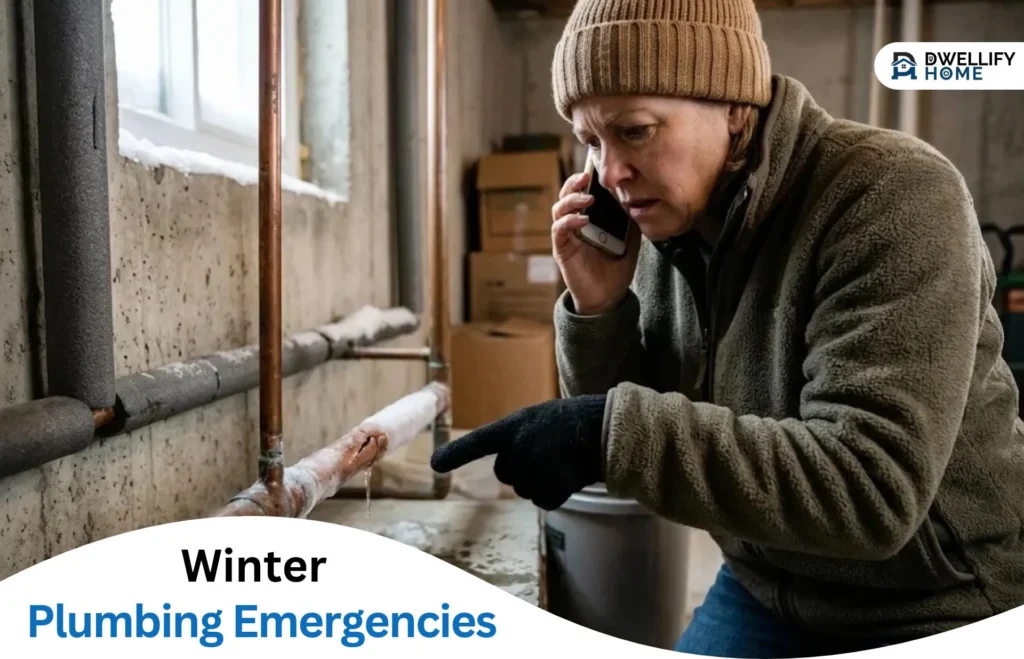
- Frost that forms on exposed pipes under sinks or in basements.
- An odd smell that drifts up from drains or faucets.
- A bulge or crack that appears along a visible section of pipe.
If one faucet shows these signs, check the others in your home too. When one line freezes, nearby pipes often freeze as well. Early detection keeps a frozen pipe from becoming a burst one. The next step is acting quickly and safely.
What to Do Right Away When a Pipe Freezes
The first few minutes after you notice a frozen pipe matter a lot. Calm, simple steps can limit damage while you arrange professional help. Some quick fixes can actually make things worse, so safety comes first. Follow these steps as soon as you suspect a frozen line.
- Locate the main water shutoff valve and keep it within reach.
- Open the affected faucet so melting water has somewhere to flow.
- Warm the pipe gently with a hair dryer, heating pad, or warm towels.
- Keep applying heat until full water pressure returns.
- Check other faucets in the home for low water pressure.
If the pipe has already burst, shut off the main water supply right away. Then move valuables, rugs, and electronics away from the leak. When you cannot find or safely reach the frozen section, stop and call a licensed plumber. A professional can thaw and repair the line without risking further damage.
Mistakes to Avoid When Pipes Freeze
Panic leads many homeowners into choices that make frozen pipes worse. A rushed fix can crack a line or even start a fire. Small errors also delay the call that actually solves the problem. Steer clear of these common mistakes during a winter freeze.
- Using a torch or open flame to thaw a frozen line.
- Turning the faucet off while the pipe is still thawing.
- Ignoring a trickle in the hope it fixes itself.
- Waiting until morning to call for professional help.
Each of these mistakes turns a manageable problem into a costly repair. Patience and safe heat sources protect both your plumbing and your household. When in doubt, a quick call costs less than a flooded basement. Acting early always beats cleaning up afterward.
How to Reach a Plumber Fast During a Freeze
Cold snaps flood local plumbing providers with calls on the same day. Every household in town faces the same weather, so demand spikes quickly. A little preparation helps your request reach the front of the line. These habits make it easier to get help when it counts.
- Save a trusted plumber’s number in your phone before winter arrives.
- Call as soon as you spot a problem rather than waiting until morning.
- Describe the issue clearly, including the pipe’s location and any leaks.
- Confirm the appointment and ask for an estimated arrival window.
- Choose a provider that answers calls at night and on weekends.
Responsiveness tells you a lot about a plumbing business. Companies that answer every call usually run organized, dependable operations behind the scenes. A quick, clear booking also means the technician can arrive prepared. That preparation shapes what happens once help reaches your door.
What to Expect When the Plumber Arrives
A professional visit for frozen pipes usually follows a clear, practical process. Knowing the steps ahead of time helps you feel more in control. It also helps you ask the right questions during the visit. Here is what a typical emergency call looks like.
- A full inspection to find every frozen or damaged section.
- Safe thawing with professional tools designed for plumbing work.
- Repair or replacement of any cracked or burst pipe.
- Advice on insulation and other steps to prevent future freezes.
Ask the technician to point out any weak spots they noticed. Plumbers often spot risks homeowners would never think to check. Their advice can save you from repeating the same emergency next winter. Prevention, after all, is the easiest fix of all.
How to Prevent Frozen Pipes Next Winter
The best winter plumbing emergency is the one that never happens. Most prevention steps are simple, affordable, and easy to repeat each year. The American Red Cross recommends several practical habits for protecting home water lines. These steps work well for most homes in colder regions.
- Insulate pipes in attics, basements, garages, and crawl spaces.
- Disconnect garden hoses and shut off water to outdoor faucets.
- Open cabinet doors under sinks so warm air can circulate.
- Let a cold faucet drip slightly on the coldest nights.
- Keep the thermostat steady day and night, even while traveling.
A slow drip may raise your water bill slightly, but it costs far less than repairs. Insulation and steady heat protect your plumbing through the harshest weeks. Pair these habits with a reliable plumber’s number, and you are ready. Winter can bring surprises, but your home does not have to suffer.
Conclusion
Frozen pipes can strike fast, but quick action keeps the damage small. Learn the warning signs, know where your shutoff valve sits, and avoid risky thawing methods. When a pipe freezes beyond easy reach, call a licensed plumber without delay. Fast help is often the difference between a minor fix and a flooded floor.
Choose a plumbing company that answers when you need it most. Responsive providers protect your home and your peace of mind all winter long. A little preparation now means fewer surprises when temperatures drop. Stay warm, stay ready, and keep your water flowing this season.
We occasionally collaborate with businesses and affiliate partners to support our website. Some links in this article may therefore generate commissions or other compensation for Dwellifyhome.com.