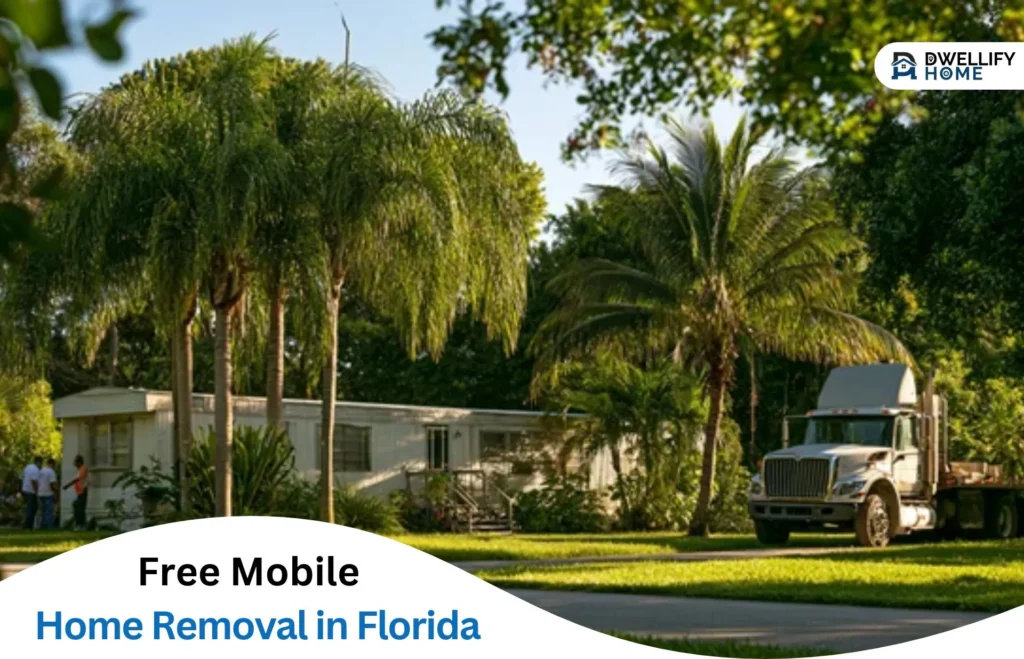
Removing an unwanted mobile home from private property involves more than simply arranging transportation or demolition. In Florida, property owners must comply with various legal requirements concerning ownership verification, permitting, environmental regulations, and contractual obligations. Whether a structure has reached the end of its useful life or is being replaced with a newer unit, understanding the legal framework governing free mobile home removal florida services can help property owners avoid unnecessary disputes, regulatory violations, and unexpected financial liabilities.
Legal Responsibilities of Florida Property Owners
Florida property owners have a legal duty to ensure that any mobile home removal is conducted in accordance with applicable state statutes, local ordinances, and county permitting requirements. Before authorizing removal, the owner should confirm that the structure is free from legal encumbrances, including unresolved title issues, tax liens, or outstanding ownership disputes.
A reputable removal company will generally verify ownership before beginning work, but the ultimate responsibility for providing accurate documentation remains with the property owner. Failure to establish lawful ownership may delay the project or expose the parties to potential legal claims.
Essential Documents to Prepare
Before scheduling a removal project, property owners should gather all relevant documentation, including:
- Certificate of title or proof of ownership
- Government-issued identification
- Property ownership records
- Local permits, if required
- Written agreements with the removal contractor
Maintaining complete records helps demonstrate compliance should questions arise during or after the removal process.
When “Free” Removal May Be Available
The term “free” removal can be misleading if not fully understood. In many situations, removal companies offer services at no direct cost because the mobile home retains salvageable value. Reusable building materials, metal components, appliances, or transportable structures may offset the contractor’s labor and transportation expenses.
However, free removal is generally subject to specific contractual conditions. Property owners should carefully review every agreement before signing to determine whether additional fees may apply under certain circumstances.
Situations That May Affect Eligibility
Several factors influence whether a mobile home qualifies for no-cost removal, including:
- Overall structural condition
- Age of the mobile home
- Accessibility of the property
- Salvage value of materials
- Local disposal requirements
If the structure has significant deterioration or environmental hazards, additional costs may become the owner’s responsibility.
Environmental Compliance and Disposal Requirements
Florida law imposes obligations regarding the lawful disposal of construction materials and potentially hazardous substances. Older mobile homes may contain materials requiring specialized handling, including asbestos-containing products, lead-based paint, or other regulated waste.
Removal contractors should comply with applicable environmental regulations governing transportation, recycling, and disposal. Property owners should verify that the selected contractor follows all legal requirements and possesses any licenses or permits required by local authorities.
Reducing Legal Risk During Removal
Property owners can reduce potential liability by taking several precautionary measures:
- Verify contractor licensing where applicable
- Request proof of insurance coverage
- Obtain written contracts detailing the scope of work
- Confirm responsibility for permits and debris disposal
- Retain copies of all project documentation
These steps help establish that reasonable care was exercised throughout the removal process.
Contractual Considerations
Every mobile home removal project should be governed by a clear written agreement defining the rights and obligations of each party. Contracts should identify who is responsible for transportation, site cleanup, permit acquisition, disposal fees, and any unforeseen conditions that may arise during removal.
Ambiguous contractual language may increase the likelihood of disputes regarding payment obligations or project completion. Property owners are encouraged to review agreements carefully before authorizing any work.
Documentation Supports Legal Protection
Proper documentation serves as valuable evidence if disagreements occur after removal has been completed. Records should include:
- Signed service agreements
- Ownership verification
- Permit approvals
- Photographs of the property before and after removal
- Final invoices and payment records, if applicable
Maintaining comprehensive documentation strengthens a property owner’s ability to demonstrate compliance with contractual and regulatory obligations.
Conclusion
Mobile home removal in Florida involves important legal considerations that extend beyond the physical removal of a structure. Property owners should understand ownership requirements, contractual obligations, environmental regulations, and permitting responsibilities before proceeding with any project. While free removal opportunities may be available under appropriate circumstances, careful review of all agreements and verification of contractor qualifications remain essential. By following applicable legal requirements and maintaining thorough documentation, property owners can protect their interests while ensuring the removal process is completed lawfully, efficiently, and with minimal risk of future disputes.
Some links shared in this article may be connected to affiliate or sponsored arrangements. We may earn a commission from eligible purchases, helping us maintain Dwellifyhome.com and continue providing useful information.