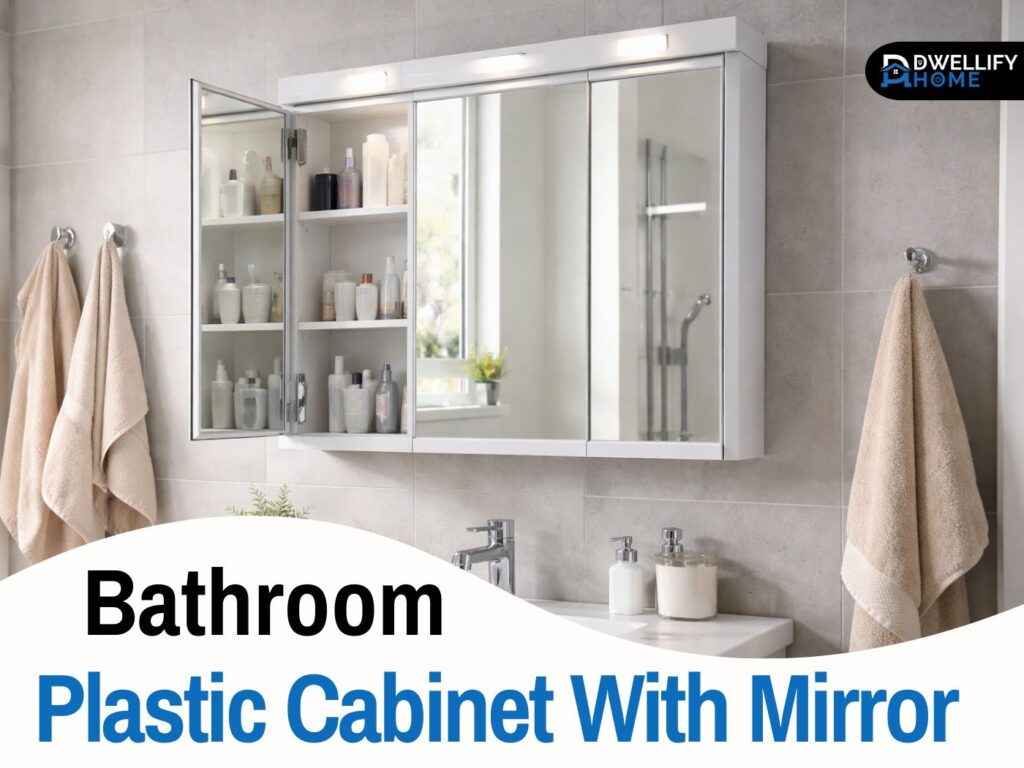
A bathroom plastic cabinet with mirror can be one of the simplest upgrades you can make in a busy bathroom. It gives you storage and a mirror in the same footprint, which is a big deal when counter space is already tight.
Here’s the thing, plastic gets a bad reputation sometimes, but in real bathrooms, it can be a smart, low-stress option. I’ve installed these in humid family bathrooms, small rental units, and guest baths that barely get used. The results depend on choosing the right style and installing it properly, not just grabbing the cheapest one.
In this guide, I’ll walk you through what actually matters: size, mounting type, lighting, durability, and the common mistakes I see people make. You’ll leave knowing exactly what will work in your space.
Snippet-ready definition:
A bathroom plastic cabinet with mirror is a lightweight, moisture-friendly wall cabinet that combines hidden storage with a front mirror. It helps reduce countertop clutter and works well in humid, small, or rental bathrooms.
Mission Statement:
Dwellify Home helps homeowners make smart, practical home decisions with clear, experience-based guidance, so every upgrade feels easier, safer, and worth the money.
Quick Guide Table
| What you need | Best choice | Why it works | Watch-outs |
| Fast upgrade, minimal wall work | Surface-mount medicine cabinet | Quick install, renter-friendly | Sticks out more, check door swing |
| Sleek look, saves space | Recessed medicine cabinet with mirror | Built-in feel, less bulk | Needs wall cavity space, more labor |
| Better grooming visibility | Medicine cabinet with mirror and lights | Light right where you need it | Power requirements, glare, quality varies |
| Budget-friendly, simple storage | Plastic body mirror cabinet | Handles humidity well, light weight | Cheap hinges can sag over time |
| Modern storage with clean style | Mirrored storage cabinet IKEA | Neat design, common sizes | Confirm shelf spacing and depth |
Step-by-step: Choose the Right Cabinet in 7 Steps
- Measure your vanity width and aim for a cabinet that looks balanced (often same width or slightly smaller).
- Check depth (especially in tight bathrooms). Slimmer usually feels better day to day.
- Decide surface vs recessed based on your wall and how “built-in” you want it to look.
- Pick a door swing direction that won’t hit lights, shelves, or towel rings.
- Look for adjustable shelves so tall bottles don’t become a headache.
- If you want lighting, decide between built-in LEDs or side sconces plus a standard cabinet.
- Don’t ignore hardware: solid hinges and a straight-closing door matter more than fancy extras.
What a Bathroom Plastic Cabinet With Mirror Is (And What It’s Not)
At its core, this is a storage cabinet designed for the bathroom, with a mirror on the front. Many people call it a medicine cabinet, but not all mirror cabinets are true medicine cabinets. Some are deeper, some are slimmer, some are meant to sit on the wall, and some are built to recess into it.
One key detail is what “plastic” refers to. Sometimes the whole cabinet body is plastic. Other times the cabinet is mixed material, with a plastic interior and a different frame or door edge. In a damp bathroom, the cabinet body material matters most because it’s the part sitting closest to moisture and steam.
Also, don’t assume every mirrored cabinet is meant to hold medicine. A mirrored storage cabinet can be perfect for skincare, toothbrushes, hair products, or daily essentials. If you need something more secure, like keeping medications away from kids, you’ll want a stronger latch and a layout that supports safe storage.
Why Plastic Can Be a Smart Choice in Bathrooms
Plastic makes sense in bathrooms for one big reason: humidity. Wood and some composites can swell or warp over time if they’re constantly exposed to steam and condensation. A plastic cabinet body typically handles damp air better, especially in bathrooms without strong ventilation.
On top of that, plastic cabinets are usually lighter. That makes installation easier and safer on drywall, as long as you use the right anchors or hit studs. For renters or quick renovations, a surface mount medicine cabinet made of plastic can be a practical win.
Now for the honest part. Plastic isn’t magic. Cheap plastic can flex, and flimsy doors can go out of alignment. I’ve seen cabinets where the hinge screws slowly loosen because the body is too thin. If you choose well, you’ll get years of use. If you choose poorly, you’ll feel it every time the door closes crooked.
Quick Buying Checklist (Before You Click “Buy”)
Before you commit, take two minutes and run through this checklist. It saves headaches later.
- Size and depth: Measure the wall space above your vanity, and check how far the cabinet sticks out.
- Mounting type: Decide if you want a recessed medicine cabinet with mirror or a surface mount style.
- Door swing: Make sure the door won’t hit a nearby light, shelf, or window trim.
- Mirror quality: Look for a clean reflection, smooth edges, and a sturdy feel.
- Shelves: Adjustable shelves make real life storage easier.
- Hardware: Hinges and latches matter more than most people think.
- Extras: If you want a bathroom mirror with storage and light, confirm how it’s powered and installed.
The best part is that once you know what you’re checking, you can spot a good cabinet fast, even online.
Choosing the Right Size and Layout for Your Bathroom
A mirrored cabinet should match the scale of your vanity and the way you actually use the bathroom. In most homes, a cabinet that’s too small becomes cluttered fast, and one that’s too large feels bulky and awkward.
A simple rule I use in homes: the cabinet width usually looks best when it’s close to the vanity width, or slightly smaller. Depth matters too. Deep cabinets hold more, but they can also make a bathroom feel tighter, especially if you have a narrow walkway.
Also think about your routine. If you share the bathroom, you’ll want shelves that can handle a few “zones” like daily skincare, dental care, and hair products. That kind of layout keeps it from turning into a messy box of bottles.
Small bathrooms (space-saving depth plus swing clearance tips)
In small bathrooms, depth and door swing are the two biggest issues. A slim wall-mounted mirror cabinet storage setup can feel much better than a deep box hanging over your sink. I’ve seen people install a deeper cabinet and then complain it feels like it’s leaning into their face when they brush their teeth.
If your bathroom is tight, look for:
- A slimmer depth
- A door that opens smoothly without hitting anything
- Adjustable shelves so you can still fit taller items without wasting space
One practical tip from installs: open your existing mirror area like a cabinet door in your mind. If a door would smack a nearby sconce or a towel ring, you’ll regret it daily.
When a large medicine cabinet with mirror actually makes sense
A large medicine cabinet with mirror is a great choice when you have a wider vanity, a family bathroom, or limited drawer storage. I’ve installed wider cabinets in shared bathrooms where two people needed separate shelf space. The difference is night and day.
Just make sure the larger size doesn’t interfere with lighting or feel visually heavy. If you have a single vanity with a small sink, an oversized cabinet can look out of proportion. In that case, a medium-width cabinet with smarter shelf spacing often works better than going huge.
Surface-Mount vs Recessed (Pick the Best Install Style)
This decision affects the look, the space, and the installation difficulty. I always tell homeowners to choose based on their wall situation and how much work they want to take on.
A recessed cabinet sits partly inside the wall cavity, so it looks cleaner and sticks out less. A surface mount cabinet attaches directly to the wall and is faster to install.
Recessed medicine cabinet with mirror (sleek look plus space-saving)
If your wall allows it, a recessed medicine cabinet with mirror can make a small bathroom feel less cramped. It’s one of those upgrades that looks “built-in” instead of “added later”.
But recessed installs need planning. You have to check what’s inside the wall: studs, plumbing vents, wiring, and sometimes insulation. In older homes, wall framing isn’t always standard, so the cabinet size has to match what the wall can accept.
A real-world note: I’ve seen people buy a recessed cabinet first, then discover a pipe is exactly where they wanted it. If you’re not sure, check the wall cavity before you commit.
Surface-mount (fast upgrade, renter-friendly option)
Surface mount cabinets are the easiest path. If you want a clean upgrade without opening the wall, this is usually the way to go. It’s also more realistic for rentals, because you can install it with minimal wall work.
The trade-off is depth. A surface mount medicine cabinet sticks out more, which is fine in many bathrooms, but can feel bulky in very small spaces. If you go surface mount, choose a slimmer profile if your bathroom is narrow.
Lighting Features That Matter (Mirror + Storage + Light)
Lighting is where a lot of homeowners feel disappointed, because a mirror cabinet can either improve your daily routine, or make your face look shadowy and uneven. If you do makeup, shave, or deal with detailed skincare, good lighting matters.
A bathroom plastic cabinet with mirror and lights can be a smart option, but you want the right type of light and the right placement. A bright light with poor tone can feel harsh. A soft light that’s too dim is frustrating.
Medicine cabinet with mirror and lights (built-in LED vs add-on lighting)
Built-in LED cabinets can look modern and clean. The convenience is real, especially when you want a tidy setup and less clutter around the mirror area.
That said, built-in lighting isn’t always the best quality. In real bathrooms, the biggest difference is how evenly it lights your face. Some lighted mirrored medicine cabinet designs create bright edges and a darker center, which isn’t great.
Add-on lighting, like sconces on both sides of the mirror area, often gives the most flattering and useful light. If your bathroom already has good side lighting, you might not need built-in lights at all.
Bathroom mirror with storage and light: what to look for in brightness and tone
When you’re choosing lighting, look for a light that’s bright enough for grooming but not so harsh it feels like a spotlight. Color tone matters too. A light that’s too cool can feel clinical, and one that’s too warm can make your reflection look off.
If you see options for anti-fog or fog-free mirror cabinet features, they can be worth it in steamy bathrooms. But good ventilation helps too. Sometimes a simple habit like running the exhaust fan longer solves most fog issues.
IKEA Options and How to Choose Without Guessing
I’ve installed a few mirrored cabinet IKEA style solutions over the years, and the biggest thing is making sure the measurements fit your wall and your daily needs. IKEA cabinets often have clean designs, but the internal shelf layout can be the difference between “love it” and “why is nothing fitting”.
Bathroom plastic cabinet with mirror IKEA: what to check first
If you’re considering a bathroom plastic cabinet with mirror IKEA option, check:
- The exact width, height, and depth
- Whether it’s surface mount or can recess
- Shelf adjustability and spacing
- How the hinges feel and how the door closes
One simple tip: plan for your tallest daily-use items. If your shelf spacing forces you to lay bottles sideways, the cabinet becomes annoying fast.
Mirrored storage cabinet IKEA vs medicine cabinet: which fits your routine
A mirrored storage cabinet IKEA option can be great if you mainly want hidden storage for daily items. A true medicine cabinet style setup is better when you want structured shelf space, easy access, and sometimes extra features like internal mirrors or outlets.
Think about how you use it. If you want quick access to toothbrushes and skincare, storage-first is fine. If you want a more “everything has a place” setup, go with a layout that’s closer to a classic medicine cabinet.
Storage Setup That Stays Organized (Not Just “More Shelves”)
More shelves don’t automatically mean more usable storage. The goal is to create space that’s easy to keep tidy, even when you’re rushing in the morning.
I like to set up cabinets with a “daily front row” and a “weekly backup” section. Daily items go at eye level. Less-used items go higher or lower. That way, you’re not constantly shifting things around.
A few practical setup ideas:
- Keep tall bottles on one side with a wider shelf gap
- Put dental care in a small basket or tray to prevent tipping
- Store meds in a higher shelf if kids use the bathroom
- Use one shelf as a “refill zone” for extra toothpaste, razors, or cotton pads
Guess what, this little organization step is what makes people love their cabinet long-term.
Installation Basics (Simple, Safe, Beginner-Friendly)
Installation doesn’t have to be scary, but it does need to be done safely. A cabinet above a sink gets opened and closed constantly, so it has to be stable.
For a surface mount install, the basics are straightforward: find studs if possible, use proper anchors if not, level the cabinet carefully, and secure it so it won’t shift. A slightly crooked cabinet is something you’ll notice every single day.
For a recessed install, it’s more about planning. You check the wall cavity, mark the cutout accurately, and make sure the cabinet sits square in the opening. If you have to cut drywall, do it slowly and carefully. Clean edges make the final result look professional.
If your cabinet includes lighting, this is where you need to be careful. Plug-in options are simpler. Hardwired lighting should be handled properly, and if you’re unsure, it’s smarter to involve an electrician. Safety beats saving a little money.
Best Placement Height (Comfort + Safety)
Placement height is one of those details that seems small, but it changes how the cabinet feels day to day. Too high and it’s annoying to use. Too low and it crowds the sink area.
In most homes, the mirror area should sit so the main viewing zone matches the height of the primary users. If you’re tall and the cabinet is installed for someone shorter, you’ll feel it. In shared bathrooms, I aim for a middle-ground height that works for most people.
Safety matters too. If kids use the bathroom, place meds higher and consider a cabinet with a better latch. Also check door swing, because a door that opens into a nearby light fixture or shelf can cause damage over time.
Maintenance and Cleaning in Humid Bathrooms
Plastic cabinets are low maintenance, but they’re not no maintenance. In humid bathrooms, the corners and shelf edges are where grime and moisture build up.
Use a soft cloth and gentle cleaner for plastic surfaces. Avoid abrasive pads, because they can dull the finish and leave scratch marks. For the mirror, a streak-free cleaner and a microfiber cloth work best.
One habit I always recommend: after a steamy shower, run the exhaust fan a bit longer. That simple step helps protect the cabinet, mirror edges, and hardware from constant moisture exposure.
Common Problems and Quick Fixes
Most issues I see come from hardware, not the cabinet itself. Hinges loosen, doors sag, and latches get finicky.
If the door starts to sag, tighten the hinge screws first. If the screw holes feel stripped in a thinner plastic body, you may need a slightly larger screw or a small reinforcement method, depending on the cabinet design. For sticky latches, a quick clean and a tiny bit of lubrication often solves it.
If the cabinet shifts or wobbles, that usually means the anchors weren’t strong enough, or the cabinet wasn’t mounted into studs where needed. This is why I’m big on proper anchoring from day one.
Medicine Cabinet Mirror Replacement (When You Can Upgrade Without Replacing Everything)
Sometimes the cabinet body is fine, but the mirror is damaged or cloudy. In those cases, a medicine cabinet mirror replacement can be the smarter move.
If the mirror has edge damage, persistent cloudiness, or deep scratches, replacing it can freshen the whole look. The main thing is safety. Mirrors are heavy and fragile. If you’re removing a mirror panel, protect your hands and eyes, and don’t rush.
In some cabinets, mirror replacement is simple because the mirror is held in place with clips or a frame. In others, it’s bonded in a way that makes replacement more work than it’s worth. If it’s complicated, replacing the whole cabinet might be the better option.
Price, Value, and What “Budget” Should Still Include
Price usually reflects features and hardware quality. Cabinets with LED lighting, anti-fog, or outlet features cost more. Recessed designs can also be pricier, especially if they’re built with sturdier frames.
Even on a budget, a few things should still be non-negotiable:
- Solid hinges that don’t wobble
- A door that closes straight and stays aligned
- Shelves that don’t feel flimsy
- Clear mirror quality
I’ve seen people save a little money upfront, then replace the cabinet a year later because the door wouldn’t stay shut. It’s better to spend slightly more on hinge quality than chase the cheapest option.
Final Recommendations (Choose the Best Option for Your Space)
If your bathroom is small, go for a slimmer cabinet with good swing clearance and adjustable shelves. The cabinet should feel like it disappears into the space, not like it’s pushing into your routine.
If you’re renting, a surface mount cabinet is usually the easiest win. Choose a model with reliable anchors and a clean, simple shape. You’ll get storage without turning it into a major project.
If you have a family bathroom, prioritize internal space and safe organization. A larger cabinet can be worth it, but only if it fits your vanity scale. Add a better latch if you need safer storage.
If lighting is your pain point, consider a bathroom mirror with storage and light, but don’t assume built-in lighting is always best. Good side lighting can outperform many built-in designs.
Conclusion
A bathroom plastic cabinet with mirror can be a practical upgrade when you choose it with real life in mind. The winning formula is simple: measure carefully, pick the right mounting style, don’t ignore hinge quality, and set up the shelves to match your daily routine.
Here’s the thing, most frustration comes from two mistakes: buying without measuring, and underestimating how much hardware quality matters. Fix those, and you’ll end up with a cabinet that feels easy to use, easy to clean, and genuinely helpful every single day.
If you want the cleanest finish and your wall allows it, a recessed option gives that built-in look. If you want a fast and flexible upgrade, surface mount is a great choice. Either way, once it’s installed correctly and organized well, it stops being “just a cabinet” and becomes one of those small improvements that makes the whole bathroom feel more functional.
Disclaimer
This article is for general informational purposes only. Bathroom walls can hide wiring, plumbing, or structural supports. For electrical work, heavy mounting, or recessed installations, follow local codes and use a licensed professional when needed.

I’m Bilal, the founder of Dwellify Home. With 6 years of practical experience in home remodeling, interior design, and décor consulting, I help people transform their spaces with simple, effective, and affordable ideas. I specialize in offering real-world tips, step-by-step guides, and product recommendations that make home improvement easier and more enjoyable. My mission is to empower homeowners and renters to create functional, beautiful spaces—one thoughtful update at a time.