When you’re planning a bedroom, the measurements aren’t just numbers on paper. They decide whether you can walk comfortably around the bed, open the wardrobe without bumping into it, and live in the room without constantly sidestepping furniture.
Here’s the thing, most bedrooms feel “too small” not because the square footage is terrible, but because the layout wasn’t planned around real-life movement. In this guide, I’ll walk you through standard size bedroom measurements, what sizes work best for different bed types, and the clearances that make a room feel easy to live in.
Snippet-ready definition:
Standard size bedroom measurements are the common bedroom dimensions used in most homes, usually around 10×10 to 12×14 ft, sized to fit a bed, storage, and comfortable walking space without feeling cramped.
Mission Statement:
At Dwellify Home, our mission is to help homeowners plan rooms that feel comfortable in real life, with clear measurement guides and practical layout advice you can trust.
What Is a “Standard Bedroom Size” (and why there isn’t one perfect number)
A “standard” bedroom size usually means the most common range builders and homeowners use because it fits typical furniture and feels functional. But it’s not one universal number. It changes by home type, location, and whether the room is meant to be a simple sleeping space or a full primary suite.
In many U.S. homes, a frequently referenced average bedroom is around 11 × 12 feet, which is about 132 square feet. That’s often enough for a queen bed and basic furniture, as long as you plan the clearances properly. On top of that, newer homes may push bedroom sizes bigger, while apartments and older homes often run smaller.
The best part is, you don’t need a mansion-sized room to make a bedroom feel comfortable. You just need the right match between room size, bed size, storage, and walking space.
Quick Guide Table (Comparison)
| Bedroom type | Common size (ft) | Area (sq ft) | Approx size (m) | Approx size (cm) |
| Small/secondary | 10×10 | 100 | 3.05×3.05 | 305×305 |
| Small/guest | 10×12 | 120 | 3.05×3.66 | 305×366 |
| Standard/medium | 11×12 | 132 | 3.35×3.66 | 335×366 |
| Standard/comfortable | 12×14 | 168 | 3.66×4.27 | 366×427 |
| Master/primary | 14×16 | 224 | 4.27×4.88 | 427×488 |
Notes: 11×12 ft (132 sq ft) is often cited as a typical average bedroom reference.
Step-by-step mini guide (fast planning checklist)
- Measure wall-to-wall (length and width), then mark doors, closets, and windows on a quick sketch.
- Pick your bed size, then protect walking space: aim for about 30 inches minimum, 36 inches feels comfortable on key sides.
- Check door and closet swings so furniture doesn’t block them.
- Plan storage (wardrobe or dresser) and confirm drawers can open with space to stand.
- Tape it on the floor (bed footprint plus walkways) before you buy anything big.
Common Bedroom Sizes (Quick Ranges Most Homes Follow)
Below are the ranges I see again and again in real projects. Think of these as practical categories, not strict rules.
- Small or Secondary Bedroom: 10 × 10 ft to 10 × 12 ft (about 100–120 sq ft)
Great for kids rooms, guest rooms, or a bedroom that also acts as a study. - Standard Bedroom: 11 × 12 ft to 12 × 14 ft (about 132–168 sq ft)
This range usually supports a queen bed and a normal dresser without feeling tight. - Master or Primary Bedroom: 14 × 16 ft and up (about 224+ sq ft)
This is where you start fitting a king bed, seating, larger dressers, and sometimes a walk-in closet or ensuite access.
Guess what, the difference between “okay” and “comfortable” often comes down to 2 feet in the right direction.
Bedroom Size Chart in Feet (Most-Searched Dimensions)
If you want quick reference sizes, these are the common ones I use when sketching early layout options. This section also naturally covers “standard bedroom size in feet” and “standard size bedroom measurements in feet.”
Very small
- 8 × 10 ft (80 sq ft): Tight. Best for a single bed or a minimalist setup.
Small
- 10 × 10 ft (100 sq ft): Works for a twin or full, a small dresser, and careful planning.
- 10 × 12 ft (120 sq ft): One of the most workable small bedrooms, especially for a guest room.
Standard-feel
- 11 × 12 ft (132 sq ft): Often feels balanced for a queen bed if storage is planned well.
- 12 × 14 ft (168 sq ft): A sweet spot for comfort and flexibility.
Master range
- 14 × 16 ft (224 sq ft): Comfortable master bedroom starting point.
- 16 × 20 ft (320 sq ft): Suite-like space with room for seating and larger storage.
A small tip from the field: when a room is narrow, even a “good” square footage can feel cramped. A 12 × 14 generally feels better than a long skinny 10 × 17, even though the areas are similar.
Standard Size Bedroom Measurements in Meters (and Square Meters)
If you work with metric, here are practical conversions for “standard size bedroom measurements in meters” and “standard bedroom size in meters.” I’m rounding to keep it readable.
- 10 × 10 ft is about 3.05 × 3.05 m (about 9.3 m²)
- 10 × 12 ft is about 3.05 × 3.66 m (about 11.1 m²)
- 11 × 12 ft is about 3.35 × 3.66 m (about 12.3 m²)
- 12 × 14 ft is about 3.66 × 4.27 m (about 15.6 m²)
- 14 × 16 ft is about 4.27 × 4.88 m (about 20.8 m²)
For a primary suite, you’ll also hear “master bedroom size in meters” discussed as roughly 4.3 × 4.9 m and larger, depending on closet and bathroom layout.
Standard Bedroom Size in CM and Inches (Fast Conversions People Actually Use)
This section helps when you’re working with suppliers, floor plans, or international measurements. It also fits your keyword variants: “standard size bedroom measurements in cm,” “standard bedroom size in cm,” and “standard size bedroom measurements in inches.”
Common sizes in centimeters (approx.)
- 10 × 10 ft: 305 × 305 cm
- 10 × 12 ft: 305 × 366 cm
- 11 × 12 ft: 335 × 366 cm
- 12 × 14 ft: 366 × 427 cm
- 14 × 16 ft: 427 × 488 cm
Quick inches note
- 1 ft = 12 inches
- 10 × 12 ft equals 120 × 144 inches
- 11 × 12 ft equals 132 × 144 inches
- 12 × 14 ft equals 144 × 168 inches
- 14 × 16 ft equals 168 × 192 inches
If you’re mixing units on a renovation, pick one system for your planning notes and stick to it. It saves you from costly mistakes.
Minimum Bedroom Size Requirements (What Qualifies as a Bedroom)
Bedroom requirements can vary by location, but there are a few widely referenced baseline ideas that show up in building guidelines and real estate definitions.
The commonly cited baseline (simple rule of thumb)
A common reference is a minimum of 70 square feet and at least 7 feet in one direction for a habitable bedroom space. Some places also require proper egress, ceiling height, and safe access, but the exact rules vary.
Here’s the thing, meeting the minimum doesn’t mean it feels good. A 7 × 10 ft room can qualify in some contexts, yet still feel tight once you place a bed and storage. If you’re designing new or doing a major renovation, aim for functional comfort, not just a passable minimum.
Bedroom Size by Bed Type (So You Know What Will Actually Fit)
This is where design becomes real. The bed is the largest object in most bedrooms, so the room should be planned around it.
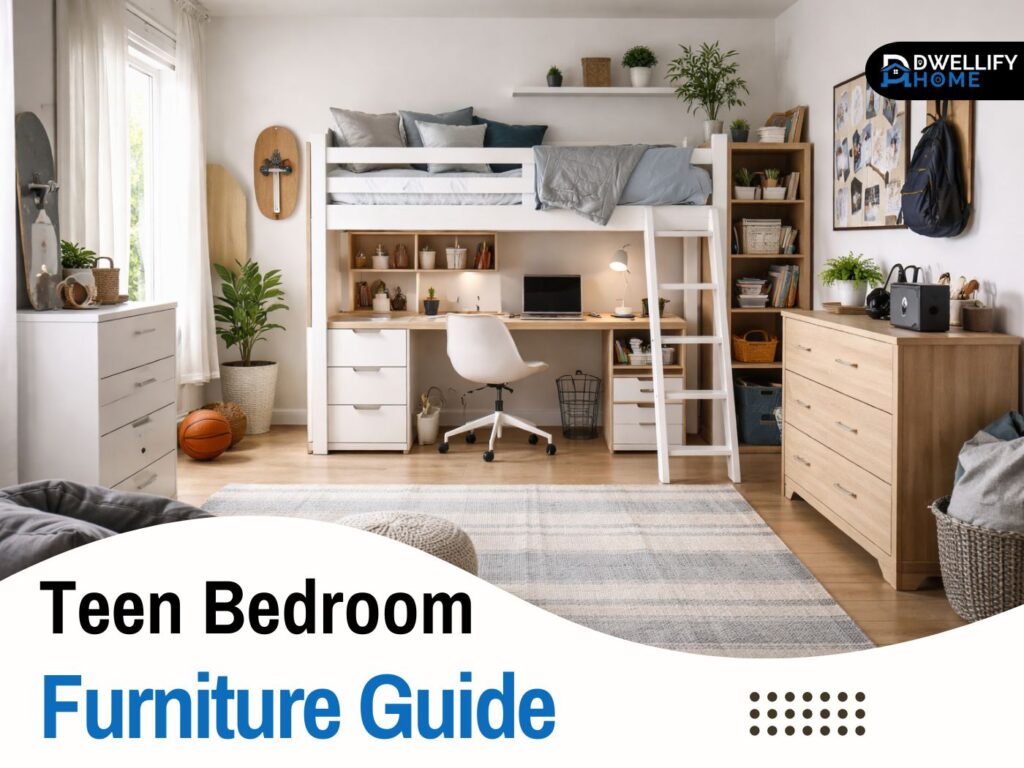
- Twin bed setups: A small room like 8 × 10 or 10 × 10 can work well, especially for kids, students, or a simple guest setup.
- Full bed setups: Full beds fit in 10 × 10, but it’s usually more comfortable in 10 × 12, where you can add a dresser and still move easily.
- Queen bed setups: A queen often feels best starting around 11 × 12 or 12 × 14, depending on wardrobe placement.
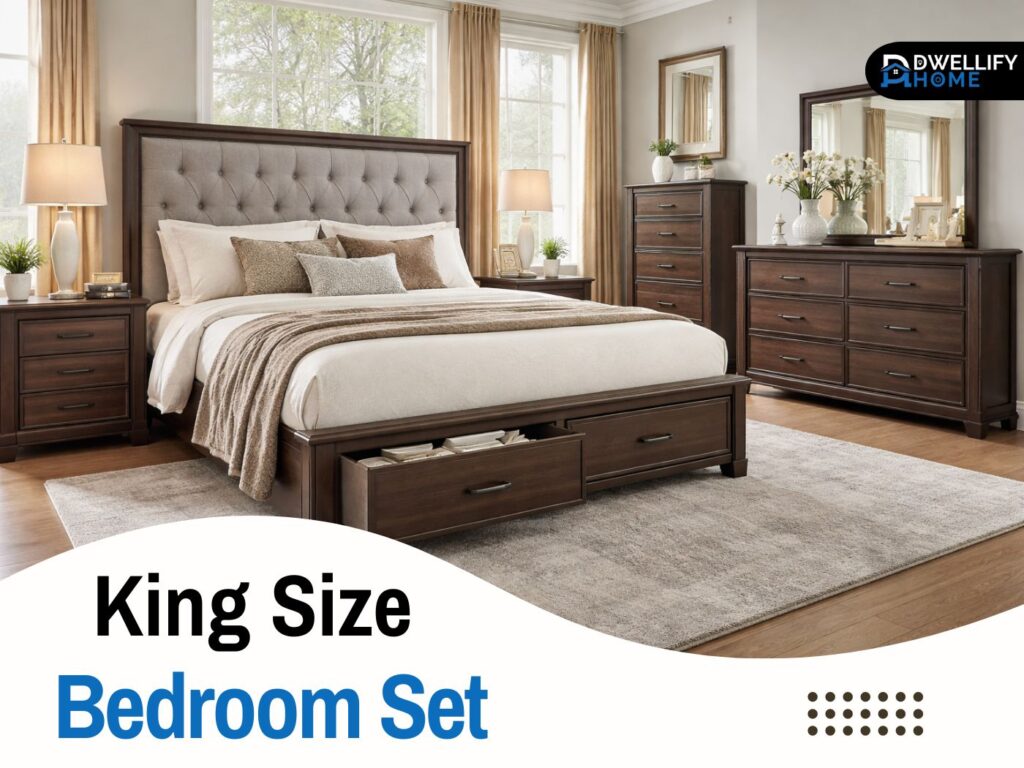
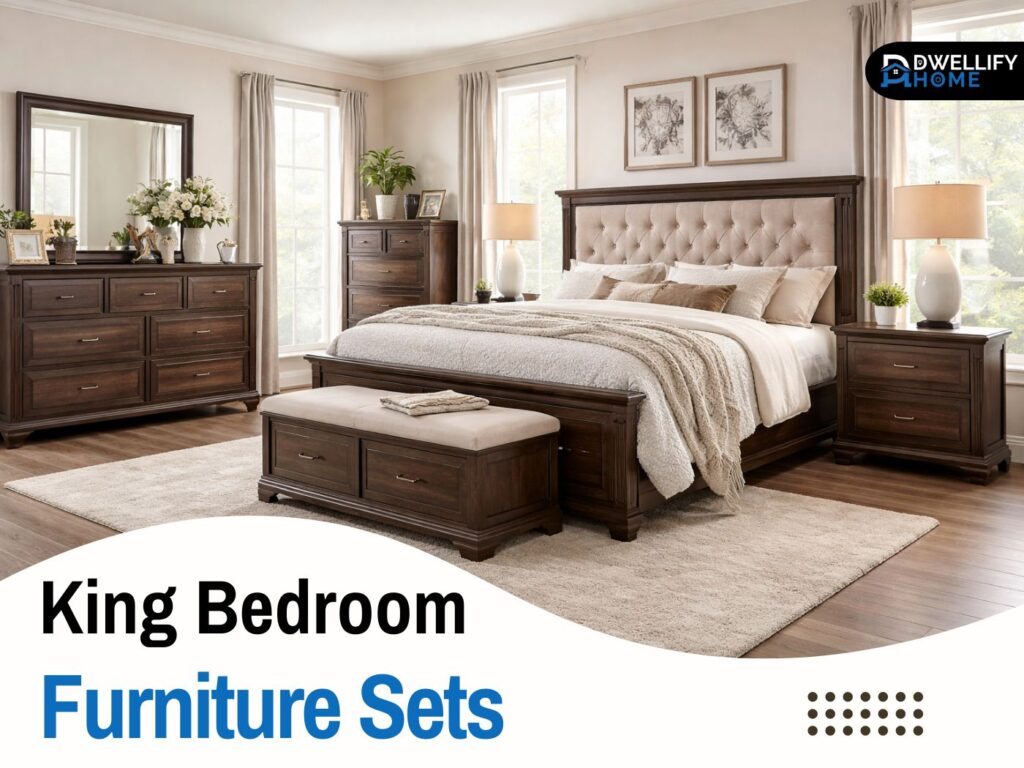
- King bed setups: You’ll usually want at least 12 × 14, and many homeowners prefer 14 × 16 for a king plus real breathing room.
A practical way I explain it on-site is this: the room isn’t “for the bed.” The room is for the bed plus the space you need to live around it.
Expert layout rule: clearance around the bed
A common comfort target is 30 inches minimum of walkway on key sides, with 36 inches feeling noticeably better. You don’t need 36 inches everywhere, but you do want at least one side that doesn’t feel like a squeeze.
The Clearance Checklist (Makes a Bedroom Feel Comfortable)
When a bedroom feels “easy,” it’s usually because movement was planned first. These are the clearance checks I run through before finalizing a layout:
- Bed sides: Can you walk beside the bed without turning sideways?
- Foot of the bed: Can you open drawers or step around without bumping shins?
- Wardrobe and closet: Can doors fully open without hitting the bed or dresser?
- Dresser drawers: Do drawers open with enough space to stand and use them?
- Door swings: Does the bedroom door crash into furniture, or block a closet door?
The best part is, even small bedrooms can feel great if the “paths” are clean.
Real Examples: What Fits in Common Bedroom Sizes
Let’s make this practical. Here’s what typically fits, assuming normal furniture sizes and a realistic need to walk around.
10 × 10 bedroom
This works best for a twin or full bed. A queen can fit, but it often becomes a “bed with walls” feeling. If someone really wants a queen in 10 × 10, I usually recommend slim nightstands or wall-mounted options and a very compact dresser.
10 × 12 bedroom
This is a classic guest room size. A full bed is easy, a queen is possible, and you can often fit a small dresser and one side nightstand without ruining movement. This is also a good size for a kids room that needs some storage.
11 × 12 bedroom
This is where a queen starts to feel more natural. You can often fit two nightstands and a dresser, especially if the closet is well placed. If the door and closet swing are fighting each other, switching to sliding closet doors can be a game changer.
12 × 14 bedroom
This is a comfort zone. You can do a queen bed with proper walking space, a dresser, and possibly a small desk. It’s one of the most flexible “standard” bedroom sizes because layout options still exist.
14 × 16 bedroom
Now you’re in true primary bedroom territory. A king bed becomes realistic, plus larger dressers or a seating corner. If the room also connects to an ensuite or walk-in closet, you’ll still want to protect walking paths so it doesn’t feel like a hallway.
What Changes “Standard Bedroom Measurements” in Real Homes
Two bedrooms can have the same square footage and feel completely different. These factors are usually why:
- Closet type: A reach-in closet is simpler. A walk-in closet steals floor space but can reduce the need for dressers.
- Ensuite access: A doorway to a bathroom changes furniture placement and flow.
- Room shape: Square rooms are easier to furnish. Narrow rooms reduce layout options quickly.
- Windows and built-ins: A large window can limit bed placement, especially if you want room for curtains or radiators.
Here’s a very real example: I’ve seen a 12 × 14 room feel cramped because the closet and bedroom door were placed in a way that killed the furniture walls. Meanwhile, a well-planned 10 × 12 felt calm and open.
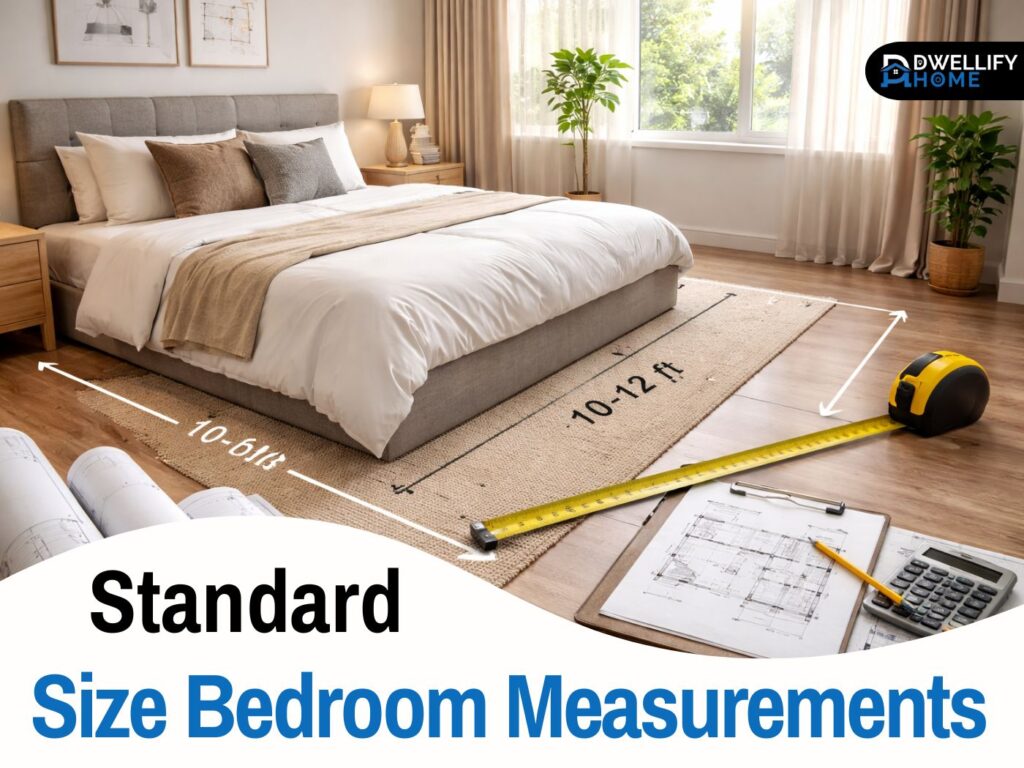
How to Measure Your Bedroom Correctly (So Your Plan Doesn’t Fail)
Before you buy furniture or finalize a design, measure like you mean it.
Start with wall-to-wall dimensions, then add the details that usually cause problems:
- Measure every wall, not just “about 12 feet.”
- Mark door swings and how far doors open.
- Mark closet doors and how far they project.
- Note window locations, radiators, vents, and outlets.
- Sketch the room and write measurements directly on the sketch.
A simple trick I use with homeowners is painter’s tape. Tape the bed footprint on the floor. Then tape a 30-inch walkway around it. You’ll instantly feel whether the room works.
Picking the Right Bedroom Size for Your Needs
Not every bedroom needs to be “standard.” It needs to match how you’ll use it.
- Sleep-only bedrooms: You can go smaller if storage is handled elsewhere.
- Bedroom plus desk: Add space for chair movement and a clear working corner.
- Kids rooms: Storage and play space matter more than oversized beds.
- Guest rooms: Comfort matters, but flexibility matters more. A queen is nice, but not always necessary.
- Apartments vs houses: Apartment bedrooms often rely on smart storage and slimmer furniture, while house bedrooms usually have more flexibility.
If you’re deciding between two sizes, choose the one that protects walking space. It’s the difference between “it fits” and “it works.”
Small Bedroom Tips That Create Space Without Remodeling
When a room is tight, you don’t have to give up comfort. You just need smarter choices.
- Use a storage bed: Under-bed drawers reduce the need for bulky dressers.
- Go slimmer on nightstands: Wall-mounted shelves or narrow tables keep paths open.
- Think vertical: Tall wardrobes and shelving use wall space, not floor space.
- Use sliding doors where possible: Closet doors that slide can free up a surprising amount of usable room.
- Light matters: Good lighting makes small bedrooms feel calmer and more open, even without changing size.
On top of that, don’t underestimate furniture legs. Pieces that sit off the floor often make a room feel visually lighter.
Common Bedroom Planning Mistakes (Quick Fixes)
I’ve seen the same mistakes show up in new builds and renovations. The good news is they’re avoidable.
- Choosing the bed first and hoping everything else fits: Plan the walkways first, then confirm the bed.
- Ignoring door and closet swings: This causes daily frustration, not just a design problem.
- Over-sizing dressers: Deep dressers can block movement when drawers open.
- Crowding both sides of the bed: One generous walkway can be better than two tight ones.
- Forgetting outlet placement: If you need extension cords to charge your phone, the layout isn’t finished.
A bedroom should feel restful. Constantly squeezing around furniture does the opposite.
FAQs
1) What is the normal size of a bedroom?
A common “normal” range is 10×10 to 12×14 ft (about 100–168 sq ft). Around 11×12 ft (132 sq ft) is often used as a typical reference point.
2) Is 12×12 a good size bedroom?
Yes, for many homes it’s a solid size for a queen bed with smart furniture choices. It feels best when you keep at least one clear walkway and avoid oversized dressers.
3) Is 7 feet too narrow for a bedroom?
It can be tight. Many guidelines use 7 ft in one direction as a minimum baseline for a room to qualify as a bedroom, but comfort usually improves a lot once you go wider.
4) Is a 10×10 bedroom a good size?
It’s good for a twin or full bed and a simple layout. A queen can fit, but you’ll need slim nightstands and careful clearance planning.
5) What size bedroom do I need for a queen bed?
Many layouts work best starting around 11×12 ft or 12×14 ft, especially if you want walking space and storage without crowding.
Conclusion
When you’re planning a bedroom, the goal isn’t just to hit a “standard” number. The goal is to create a space that feels comfortable every single day. The simplest way to do that is to think in layers: room size, bed size, clearance paths, then storage.
If you remember one thing, make it this: standard size bedroom measurements only work when the layout supports real movement. Measure carefully, tape out your furniture footprints if you can, and protect the walkways like they’re part of the design, because they are.
And once you do that, even a modest bedroom can feel calm, functional, and surprisingly spacious.
Disclaimer:
Bedroom size standards and “what qualifies as a bedroom” rules can vary by city and country. Use this guide for planning, and confirm requirements with your local building authority or a licensed professional for your area.

I’m Bilal, the founder of Dwellify Home. With 6 years of practical experience in home remodeling, interior design, and décor consulting, I help people transform their spaces with simple, effective, and affordable ideas. I specialize in offering real-world tips, step-by-step guides, and product recommendations that make home improvement easier and more enjoyable. My mission is to empower homeowners and renters to create functional, beautiful spaces—one thoughtful update at a time.