Choosing the best wheelbarrow isn’t about buying the biggest or most expensive model on the shelf. It’s about matching the tool to your work, your strength and your space. After years on job sites and in backyards, I’ve seen great wheelbarrows shine in the right hands and expensive ones become a headache when they’re wrong for the task.
If you’re hauling mulch on weekends, moving gravel for a patio, or doing light construction, this guide will walk you through what actually matters. I’ll share practical comparisons, common mistakes, and real-world tips so you can pick confidently and avoid buyer’s regret. This approach is exactly how we advise homeowners at Dwellify Home when they’re upgrading their outdoor tools.
Short Intro About Best Wheelbarrow:
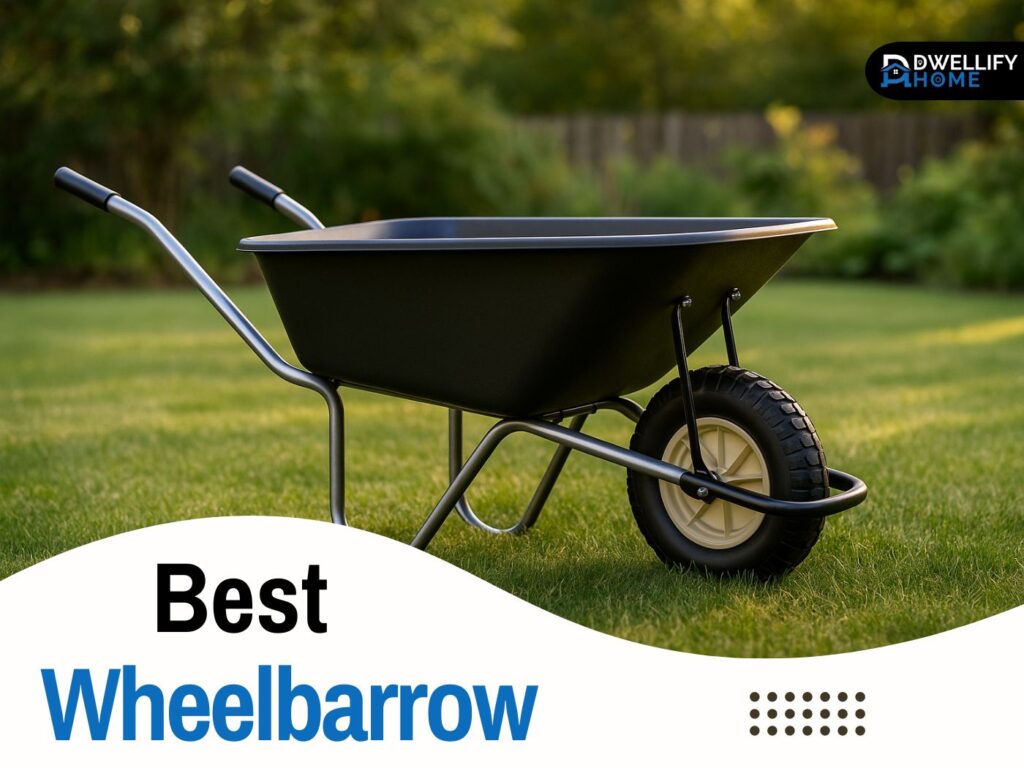
The best wheelbarrow is one that matches your workload, terrain, and strength, offering the right balance of capacity, stability, and durability for tasks like gardening, hauling gravel, or light construction.
Mission Statement:
Our mission is to help homeowners and DIY users choose practical, reliable tools by sharing real-world experience, honest comparisons, and clear guidance that makes everyday work easier and safer.
Quick Picks (1-Minute Decision Guide)
If you want the short answer before diving deep, start here. These categories cover most real-life needs.
Best wheelbarrow for home use
A dual-wheel or lightweight poly model is usually perfect. It’s easier to balance, doesn’t rust, and won’t wear you out moving soil, mulch or yard waste.
Best wheelbarrow for heavy loads
For gravel, concrete or firewood, a steel tray with a strong frame and a wide tire is still king. It’s heavier, yes, but it handles punishment far better.
Best wheelbarrow for the money
Mid-range dual-wheel models often hit the sweet spot. They’re stable, durable enough for most tasks, and don’t cost contractor-level money.
Best wheelbarrow for women
Lighter tubs, good balance and comfortable handles matter more than raw capacity. Control beats size every time.
Best wheelbarrow for seniors
Stability first. Dual wheels, loop handles and flat-free tires reduce strain and help prevent tipping.
Best wheelbarrow for stairs or steep slopes
Truthfully, this is where many people struggle. A traditional wheelbarrow isn’t always the safest choice. Garden carts or dump carts often make more sense.
Best stability pick
Dual-wheel wheelbarrows win here. They forgive uneven loads and keep spills to a minimum.
Best versatile option
Multi-function designs that convert into dollies or hand trucks are great if storage space is tight and tasks vary.
Best alternative: garden cart or dump cart
For large, bulky loads or long distances, four wheels and a dumping bed can save your back.
Quick Guide Comparison Table
| Use Case | Best Choice | Why It Works |
| Home gardening | Dual-wheel poly wheelbarrow | Stable, lightweight, easy to control |
| Heavy loads | Steel wheelbarrow | Handles concrete, gravel, firewood |
| Seniors | Dual-wheel with flat-free tires | Less tipping, low maintenance |
| Slopes / long distances | Garden cart or dump cart | Safer and easier than lifting |
| Tight spaces | Single-wheel wheelbarrow | Better turning and maneuverability |
| Best value | Mid-range dual-wheel model | Balance of price, strength, comfort |
Step-by-Step: How to Choose the Right Wheelbarrow
- Identify your main task
Mulch and soil need balance, gravel and concrete need strength. - Check your terrain
Slopes and uneven yards favor dual wheels or carts. - Choose the right capacity
Bigger isn’t always better. Overloading causes spills and strain. - Pick tub material wisely
Steel for abuse, poly for lighter, rust-free use. - Don’t ignore comfort
Good handles and tires matter more than most people think.
Comparison Snapshot: What Actually Matters
Most shoppers focus on brand names, but performance comes down to a few core features.
Capacity and weight rating tell two different stories. A large tub doesn’t help if the frame can’t handle the load. Wheel setup affects balance and turning. Material choices change maintenance needs. Tire type determines comfort versus convenience.
Think in terms of how often you’ll use it, what you’ll carry, and where you’ll push it. That mindset alone puts you ahead of most buyers.
Best Wheelbarrow Reviews: Top Picks Explained
Rather than listing dozens of models, it’s more helpful to understand categories that consistently perform well.
Best overall for most homeowners
Balanced wheelbarrows combine moderate capacity with good stability. In real yards, these feel forgiving. You can toss in mulch unevenly and still keep control. I often recommend these to first-time buyers because they build confidence quickly.
Best for heavy loads and contractor work
Steel wheelbarrows shine when loads get dense. Concrete, stone and wet soil demand a rigid tray and a solid frame. They’re heavier to push, but they don’t flex or crack under stress. On job sites, durability always beats comfort.
Best dual-wheel wheelbarrow
Dual-wheel setups dramatically reduce tipping. I’ve watched beginners struggle with single-wheel models, then relax instantly once they switch. For uneven lawns or sloped driveways, this design is a game-changer.
Best single-wheel wheelbarrow
Single wheels still have a place. They turn sharply and fit narrow paths. If you’re weaving through tight garden beds or gates, maneuverability can outweigh stability.
Best budget and best for the money
Value models skip fancy features but get the basics right. Look for solid welds, decent tires and comfortable grips. Avoid ultra-cheap frames that twist under load.
Best lightweight option
Poly tubs paired with aluminum or lighter steel frames reduce fatigue. These are excellent for routine garden chores and storage in small sheds.
Best dump cart or utility cart alternative
When loads get big and paths get long, carts outperform wheelbarrows. Four wheels distribute weight evenly, and dumping beds save time. They’re especially helpful for seniors or anyone dealing with slopes.
Best multi-function wheelbarrow
Convertible designs work well for homeowners who don’t want multiple tools. I’ve used these for moving appliances one day and soil the next. They’re not perfect at everything, but they’re surprisingly capable.
Wheelbarrow vs Garden Cart vs Dump Cart
This choice trips people up all the time.
A wheelbarrow excels at precise dumping and tight turns. It’s ideal for garden beds, trenches and small pours. A garden cart shines when stability matters more than precision. Dump carts handle bulk hauling with less strain.
Here’s my rule of thumb. If you’re lifting and dumping often, stick with a wheelbarrow. If you’re transporting heavy loads across longer distances, a cart is usually smarter.
Buying Guide: How to Choose the Right Wheelbarrow
This is where experience really pays off. Specs alone don’t tell the whole story.
Single vs dual wheel
Single wheels turn sharply but demand balance. Dual wheels trade agility for confidence. If you’ve ever spilled a full load halfway across the yard, you already know which matters more to you.
Capacity vs weight capacity
Cubic feet measure volume, not strength. Gravel weighs far more than mulch. Always check the weight rating if you’re handling dense materials.
Tub material: steel vs poly
Steel handles abuse and heat but can rust if neglected. Poly tubs resist rust and are lighter, but extreme cold or heavy impacts can cause cracks over time.
Tires: pneumatic vs flat-free
Air-filled tires roll smoothly and absorb bumps. Flat-free tires never go flat but push harder. For rough terrain, comfort often wins.
Handles and ergonomics
Loop handles and padded grips reduce wrist strain. I’ve seen people underestimate this until they’re halfway through a long project.
Also check storage space. Measure your gate width and shed door. It sounds basic, but it saves frustration later.
Special Use Recommendations
Different users need different solutions.
For heavy loads, prioritize frame strength and tire width. For home use, balance and weight matter more. Seniors benefit from stable designs that don’t demand constant correction. When stairs or steep slopes are involved, rethink the tool entirely. A cart or multiple smaller trips are safer than fighting gravity.
Comfort and Safety Tips from the Field
Load placement matters. Keep weight centered and slightly forward. Don’t overload just because the tray looks empty. On slopes, go slow and never rush dumping.
Wear gloves and proper footwear. It sounds obvious, but most injuries I’ve seen came from slips, not tool failures.
Maintenance and Longevity
A few minutes of care adds years of life. Rinse steel trays after concrete work. Store poly tubs out of direct sun. Check tire pressure regularly. Tighten bolts at the start of each season.
These habits separate tools that last a decade from ones that fail early.
What Real Users Say: Reddit-Style Takeaways
Across forums, the same themes pop up. People praise dual-wheel stability. Many regret buying too small or too cheaply. Others discover carts after struggling with slopes and wish they’d switched sooner.
Listening to these patterns helps avoid common mistakes.
How We Evaluate Wheelbarrows
I judge wheelbarrows the way professionals do. Stability under load, ease of turning, comfort over time and durability across seasons. This wirecutter-style approach focuses on real use, not marketing claims.
FAQs
Is it better to get a steel or poly wheelbarrow?
Steel is better for heavy, rough work like concrete or gravel. Poly is lighter, rust-free, and ideal for gardening and everyday home use.
Is a Gorilla cart better than a wheelbarrow?
For slopes, long distances, and bulky loads, yes. Gorilla carts are more stable and easier to pull, but wheelbarrows are better for tight dumping and precision work.
How do I choose the right wheelbarrow?
Match it to your job. Consider load type, terrain, stability needs, and how often you’ll use it. Comfort and balance matter more than size.
Is the Gorilla 6 cu ft Pro steel wheelbarrow any good?
Yes, it’s a solid heavy-duty option. It’s well-built and durable, but heavier than most, so it’s best for users who regularly haul dense materials.
What size wheelbarrow is best for homeowners?
Most homeowners do well with a 4–6 cubic foot wheelbarrow. It’s easier to control and still handles common yard tasks efficiently.
Conclusion
The best wheelbarrow is the one that fits your work, not just your budget. Think about what you’ll carry, where you’ll push it, and how often you’ll use it. When those factors line up, even tough jobs feel manageable.
Choose wisely, work smarter, and your wheelbarrow will feel like a trusted partner rather than a daily struggle.
Disclaimer
This article is based on professional experience, product research, and general user feedback. Individual needs may vary. Always follow manufacturer guidelines and safety practices when using wheelbarrows or garden equipment.

I’m Bilal, the founder of Dwellify Home. With 6 years of practical experience in home remodeling, interior design, and décor consulting, I help people transform their spaces with simple, effective, and affordable ideas. I specialize in offering real-world tips, step-by-step guides, and product recommendations that make home improvement easier and more enjoyable. My mission is to empower homeowners and renters to create functional, beautiful spaces—one thoughtful update at a time.