
Decluttering tips for hoarders start with safety, not appearance: clear walkways and exits first, work in tiny areas together, and let the person stay in charge of every decision about their belongings.
For someone struggling with hoarding, discarding an item can produce genuine distress, even when another person sees little or no value in it.
This guide is written for two readers at once: the person living with the clutter, and the family member or friend who wants to help. The same principles serve both. Go slowly, start small, focus on safety, and never surprise anyone with a cleanout. Progress here is measured in cleared walkways and usable rooms, not in bags filled.
Start With Understanding, Not Judgment
Learning how to help a hoarder declutter begins with understanding that the problem is rarely solved by simply removing possessions. Hoarding behavior goes beyond ordinary clutter, and the attachment to items is real, even when the items themselves look worthless to someone else. That attachment deserves respect, not ridicule.
In conversation, the words you choose matter. Referring to a person who is struggling with hoarding or clutter feels more respectful than using a label as a name. The same goes for the home: “this place is disgusting” shuts a conversation down, while “I am worried that it is hard to reach the front door quickly” opens one. The goal is a safer, more comfortable living environment, not a tidier-looking room for visitors.
Avoid labeling someone based solely on the appearance of the home. This article shares practical, non-medical tips for sorting and safety. It is not a guide to any condition, and it does not offer any health advice.
Talk About It Before You Touch Anything
The most useful starting point is usually permission, not persuasion. Ask what the person wants to improve, and listen to the answer before suggesting anything. Possible goals might include being able to use the kitchen table, creating a clear path to the bedroom, making the bathroom easier to use, allowing a repair technician into the home, clearing one chair, removing spoiled food, or reducing the risk of falling.
Begin with what the person values rather than what bothers you. Instead of “you do not need any of this” or “why can’t you just clean up?”, try focusing on specific concerns: “I am worried that it is hard to reach the front door quickly,” or “what part of the house would you most like to be able to use again?” Those questions invite the person into the plan instead of putting them on trial.
Build trust before you build momentum. Offer reassurance that the goal is a safe and comfortable living environment, not forcing anyone to get rid of everything. Respect boundaries and sensitive areas, and accept that the decision to declutter ultimately lies with the person who lives there. Patience is not a delay tactic here. It is the method.
Focus on Safety Before Appearance
If a home is heavily cluttered, the first goal does not need to be making it attractive. Focus on whether the essential parts of the home can be used safely. Start with simple goals like clearing walkways, hallways, doorways, and living rooms, so the person can move through the home without tripping or climbing over piles.
Fire safety guidance for heavily cluttered homes recommends maintaining clear exits and keeping combustible items away from cooking and heating equipment. Obstructed windows and doors, and piles near the stove or heater, are the risks to address first, before any sorting of keepsakes or collections begins.
Talk about the benefits of being able to cook a meal, use a bathroom free of hazards, and sleep in a clean room. Those are concrete, daily improvements, and they are easier to agree on than an abstract goal like
 “a tidy house.” Once the walkways are clear, the rest of the work gets easier, because there is somewhere to stand, somewhere to set a box down, and a visible result to build on.

Work in Tiny Areas With the 3-Container Method
Work in shifts and clean up after every session. If you agree to work on a pile of papers for an hour, spend 50 minutes sorting and 10 minutes finishing: bags out, keeps put away, surfaces clear. Short sessions with a clear end keep the work from becoming overwhelming, and they protect the trust you have built.
Use the 3-container method to make decisions easier: keep, donate, discard. Handle each item once and place it into a container. For paper, use three labeled bins: papers to recycle, papers to shred, and personal documents to keep. A single box, sorted together, is a realistic session.
 A whole room is not.
Move on to paper early in the process, because paper is usually the largest volume and the least emotional category. Newspapers, old magazines, and junk mail go to recycling.
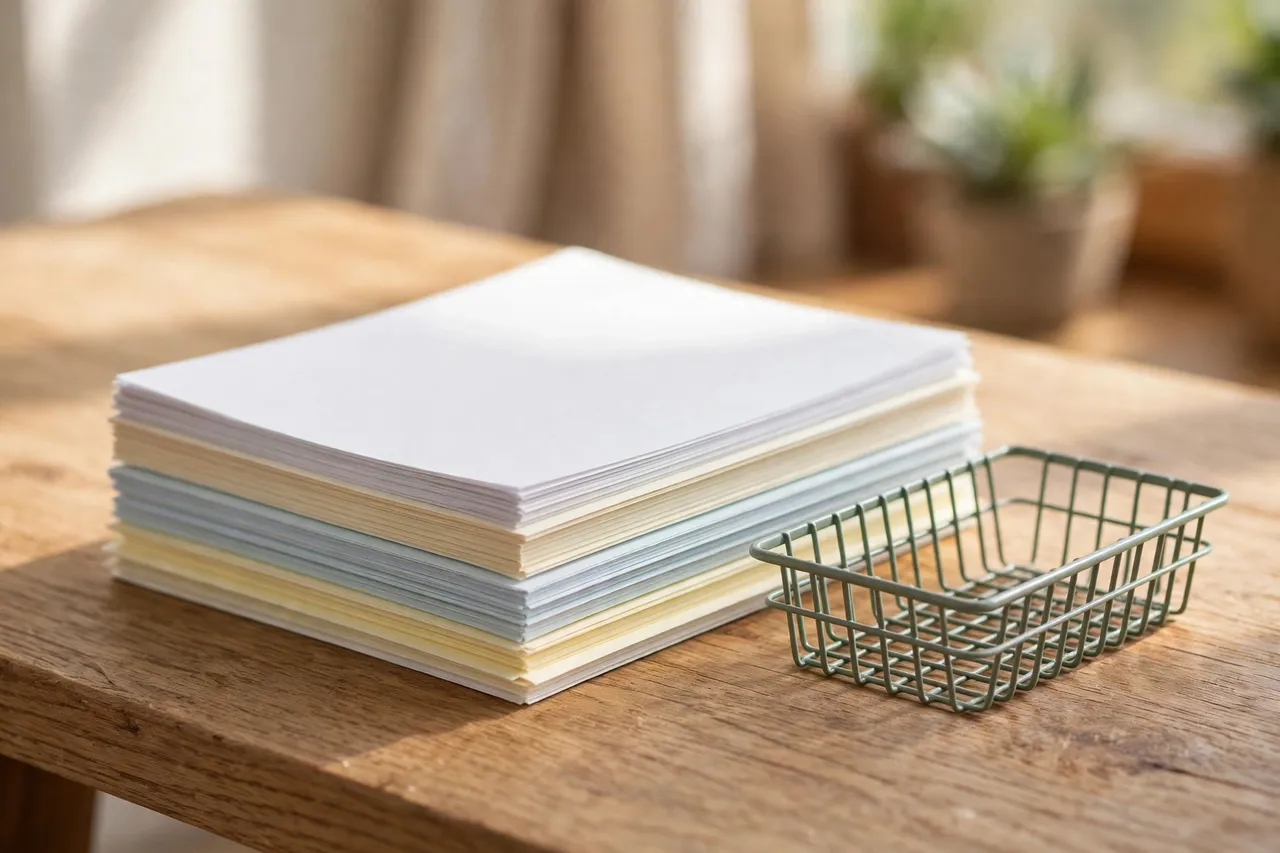 Bank statements and bills with private information go to shredding. Personal documents such as insurance papers and identification go in one safe place. Our guide to organizing paperwork at home covers a filing setup that keeps the important papers findable.
When your loved one agrees to part with an item, get it out of the house the sooner the better. If you spend an afternoon working in a room and fill a donation box, take the box to charity as soon as the session is over. A donation bag that sits by the door for three weeks is just clutter in a new location, and it gives doubt time to grow.
What to Do With Items That Have Value
Many people who struggle with hoarding see value in items around their home, and sometimes they are right. To get an idea of what a piece might be worth, do a quick price check on a resale site before deciding. Items with real resale value can be sold; most clutter does not qualify, and listing an item that will never sell just moves the problem.
For items that need a decision later, a storage space can help, but only with a specific timeline for sorting through it. Put stored items somewhere they can be sorted through later, such as a storage unit with proper shelving and containers, and set a date to return to them. Consider the one-in-one-out rule for anything that goes into storage: for every item that goes in, one comes out. Our guide to decluttering a storage unit explains how to keep that space from becoming a second attic.
Kitchen gadgets, dishes, and decorations in good condition can go to a charity shop or a local Buy Nothing group, where they can find a good home. The knowledge that a loved item is going to someone who wants it often makes letting go easier than throwing it away.
Bring in Help When the Job Is Bigger Than Family
Some situations are bigger than what family and friends can handle alone, and asking for help is a strength, not a failure. A professional organizer experienced with hoarding can work alongside the person at their pace. A support group can offer accountability and the comfort of talking with people who understand. A mental health professional who specializes in hoarding behavior can help with the parts of the process that sorting alone cannot reach.
Connect the person with a support group for accountability, and consider bringing in a support person to help navigate the process. If the home has safety risks that need urgent attention, such as blocked exits or spoiled food, a local professional organizer or a community service can help make a plan. The International OCD Foundation recommends focusing on harm reduction when complete decluttering is unrealistic, which means making the home safer first and working toward more over time.
What should never happen is a surprise cleanout. Unwanted cleanouts can create intense distress and anger, and they often fail as a long-term solution, because the home refills once the helpers leave. The person must remain involved in decisions about their belongings, at their own pace, or the progress will not last.
A Gentle Plan for the First Month
Week one is for conversation and safety: agree on one goal together, clear one walkway, and set up the three containers. Week two is for paper: one box a day, sorted together, with recycling and shredding leaving the house the same day. Week three is for one room’s surfaces: the kitchen table, then the bathroom counter, then one chair. Week four is for donations: every agreed item out of the house, and a short celebration of what has changed.
Keep sessions short, around 15 minutes at first, and build up only when the person is comfortable. Fifteen minutes a day is a realistic rhythm for this kind of work, and the general sorting method is in the pillar guide to decluttering. For the garage, which often holds the overflow, decluttering the garage covers the heavy lifting in detail.
And if the entryway is part of the problem, a low mudroom bench with hooks above it keeps coats, bags, and keys in one place by the door, while a little linen closet organization keeps towels and sheets from spilling into the hallway.
Related Guides
For the paperwork pass, how to organize paperwork at home keeps the important documents in one safe place. For storage overflow, decluttering a storage unit sets a timeline so storage stays temporary. And for a faster method once the safety work is done, how to declutter your home fast covers the same sorting system at weekend speed.
Frequently Asked Questions
How do you help a hoarder get rid of things?
The most useful starting point is usually permission, not persuasion. Ask what the person wants to improve, listen first, work in very small areas together, and allow the person to remain involved in decisions about their belongings.
What part of the house would you most like to be able to use again?
This is one of the best questions to ask a loved one, because it focuses on what they value rather than what bothers you. The answer might be the kitchen table, a clear path to the bedroom, or one comfortable chair, and that answer becomes the first goal.
Would you be comfortable working together to clear this walkway?
Asking this question invites the person into the plan instead of putting them on trial. Clearing one walkway together is a small, safe first step that makes the home easier to move through and shows visible progress in a single session.
Can I help you sort this box while you decide what happens to each item?
Offering to sort one box together, while the person decides what happens to each item, keeps them in charge of every decision. It is a gentle way to start, and it builds the trust that bigger sessions will need later.
Please note: this article shares practical, non-medical tips for sorting and home safety only. It does not offer health advice, and it cannot replace professional support. If the situation involves safety risks or significant distress, consider contacting a local professional organizer experienced with hoarding, a support group, or a healthcare professional for guidance.
Helping someone declutter is slow work, and that is exactly as it should be. One clear walkway, one sorted box, one donation bag out the door: that is progress, and it is enough for today.