If you’ve been scrolling through home design photos lately you’ve probably noticed a growing trend of clean vertical lines and textured wall accents. That’s the batten board wall or as most people call it board and batten. It adds instant style without you remodeling your whole house.
Here’s the thing a batten board wall works because it gives your space depth and structure without being loud or busy. On top of that it’s surprisingly budget friendly compared to full wood paneling. I’ve installed these walls in living rooms bedrooms entryways and even bathrooms and the reaction is almost always the same: Wow this makes the room feel expensive without trying too hard.
Snippet-Ready Definition:
A batten board wall is a vertical wall design made with flat panels and thin strips that add depth and style. It’s a simple way to make any room look modern and expensive without a full remodel.
Mission Statement:
Our goal is to help homeowners transform their spaces with simple practical upgrades like batten board walls. We share real-world advice design ideas and step-by-step solutions that anyone can follow with confidence.
What Is a Batten Board Wall?
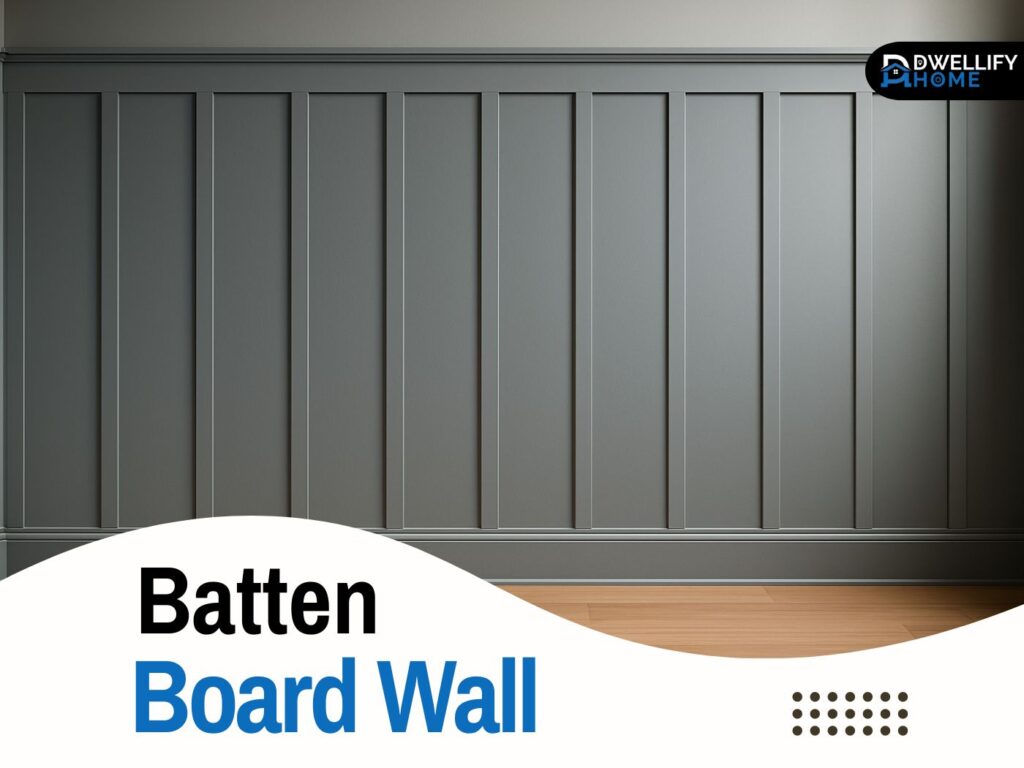
A batten board wall is simply a wall treatment made of wide vertical boards with narrower strips called battens covering the seams. Traditionally this was used on the exterior of barns and homes but it’s become a staple in interior design.
The goal is to create subtle depth and texture. You can go rustic with natural wood or clean and modern with straight lines and a smooth finish. It works indoors and outdoors and can adapt to farmhouse cottage modern or transitional styles without clashing with your furniture.
Guess what you don’t need thick or fancy lumber for this. A modern batten board wall can be done using MDF primed pine or high quality plywood which is easier to work with and lighter on your wallet.
Quick Guide Table: Batten Board Wall Options at a Glance
| Style | Best For | Look | Cost | Difficulty |
| Full Height | Living room bedrooms | Modern bold | Mid | Moderate |
| Two-Third Height | Bedrooms dining | Elegant balanced | Low-Mid | Easy |
| Half Wall | Entry hall bathroom | Clean subtle | Low | Easy |
| Natural Wood | Rustic warm | Cozy textured | Mid-High | Hard |
| Smooth MDF | Modern minimal | Sleek clean | Low | Easy |
Step-By-Step: How to Build a Batten Board Wall (Quick Version)
- Measure your wall and plan spacing
- Cut battens to height
- Apply adhesive and nail battens
- Fill holes and caulk seams
- Sand smooth
- Prime and paint
Pro tip: Don’t rush step 4. Clean caulking and sanding are what make the wall look professional.
Why Choose It? Practical Benefits You’ll Actually Notice
Most homeowners want something that makes the room feel interesting without taking over. That’s exactly where board and batten shines.
First it adds architectural depth. Even a flat boring wall suddenly looks intentional. Second it’s one of the most budget friendly upgrades that still gives a high end feel. You don’t need a pro-grade shop or huge materials budget to get results.
The best part is its style flexibility. You can make a batten board wall look modern minimal farmhouse rustic or anything in between just by changing spacing colors or texture. In many remodels I’ve seen homeowners get more compliments on this single wall than the pricey furniture they bought.
Design Styles and Batten Board Wall Ideas
You can take this wall in many directions but here are three design paths I see homeowners love.
Minimal modern uses thin battens wide spacing and paint that matches the wall. It feels clean and calming especially in bedrooms and living rooms.
Bold contemporary goes dark or saturated. Think deep green charcoal or navy. Add tight spacing and you get drama without clutter.
Warm natural wood brings texture and warmth. I’ve installed stained battens paired with plain white walls and the result feels elevated but cozy.
If you look at images of board and batten interior walls online you’ll see how versatile it is in living rooms bedrooms hallways and dining spaces. The right design can completely change the mood of a room.
Batten Board Wall Texture and Finish Options
Texture plays a big role in how this project turns out. If you want a modern batten board wall choose smooth MDF with a matte finish. It reflects light just enough to highlight the clean lines without looking shiny.
If you want a casual or rustic look consider wood grain panels. They give off a more handcrafted vibe but still look clean when painted.
Paint sheen matters too. Matte hides imperfections but satin is easier to clean. In kids rooms and hallways I usually recommend satin. It stands up to fingerprints better without looking glossy.
Height Layout and Spacing for a Professional Look
Interior trim looks its best when it’s proportional. Half walls are great for dining areas or entryways two thirds height works well for bedrooms and floor to ceiling creates instant drama.
Spacing is where things often go wrong. Too tight and it looks busy too wide and the pattern disappears. I usually work between 12 and 18 inches depending on the room width.
Here’s a tip that has saved more homeowners than I can count. Locate outlets and switches first. If a batten lands dead center over a switch it looks sloppy even if everything else is perfect.
Materials Guide Interior Bathroom Exterior
For most interior walls MDF is the most practical option because it’s easy to cut paint and fill. For bathrooms where moisture is a concern I use PVC or moisture resistant MDF with proper sealing.
Exterior batten board walls use different materials entirely. Board and batten siding often uses wood vinyl or fiber cement because they handle weather better. If you’re thinking about installing a batten board wall exterior make sure you pick something rated for your climate. Cheaper wood outside may look great for a year then start warping.
Tools You’ll Actually Need
A lot of homeowners get overwhelmed by tool lists so let me keep it simple.
Basic tools:
• Miter saw or hand saw
• Nail gun or hammer
• Level and measuring tape
• Wood filler caulk sander and paint
You don’t need a shop full of tools. Good prep and patience are more important than fancy equipment.
How to Attach Board and Batten to Drywall
Here’s the basic process I use on most jobs.
First find studs but don’t panic if your battens don’t line up with them. I use adhesive plus brad nails so I can place battens anywhere. Then I install a top horizontal board if the design includes it followed by vertical battens spaced evenly.
After installation comes the unglamorous but critical work. Fill nail holes caulk joints sand everything smooth and prime before painting.
A quick pro tip if your wall has heavy texture skim coat it first. Battens will never hide it completely and you’ll get weird shadows when the sun hits.
Batten Board Wall Bathroom Tips
Bathrooms need more planning because moisture is the enemy. Use moisture resistant materials seal everything and choose paint that resists mildew.
Height also matters. In splash zones full height or two third height works better than a low ledge.
Ventilation makes a bigger difference than people think. Even perfect materials fail if moisture sits there constantly.
Batten Board Wall Exterior
If you’re thinking about exterior siding the concept is similar but the materials weather exposure and fastening methods are very different.
Exterior board and batten siding is amazing for curb appeal and can make a dated house look fresh and architectural. Just be ready for seasonal maintenance. Even durable materials like fiber cement need cleaning and touch ups.
Cost Breakdown DIY vs Professional
A small interior wall can be surprisingly affordable especially if you choose MDF. Labor is usually the biggest cost so DIY can save quite a bit.
Exterior projects run higher because of materials weatherproofing and height work. If you need scaffolding hire a pro. I’ve seen too many injuries from homeowners trying to save money on ladders.
Common Mistakes and How to Fix Them
Uneven spacing is the number one issue I see and it immediately makes a wall look amateur. Measure from both ends not just one.
The second mistake is rushing prep. Filler sanding and caulking are boring but they’re what separates a clean professional finish from a rough one.
Last a big one for bathrooms sealing poorly. Water will find every weak spot.
Maintenance and Long Term Care
Interior walls need simple care. Light cleaning and touch up paint every few years. Bathrooms need more attention but if sealed right they hold up great. Exterior siding needs seasonal inspection especially in climates with big temperature swings.
FAQs
What are the disadvantages of board and batten?
It needs good prep work because any gaps or uneven spots will show. In bathrooms moisture can damage poor materials so sealing is important. Exterior siding requires occasional maintenance.
What is a board and batten wall?
It’s a wall treatment using flat boards and thin vertical strips called battens that add texture and style. It can be modern rustic or farmhouse depending on paint spacing and materials.
Do board and batten make a room look smaller or larger?
A tall batten board wall usually makes ceilings feel higher and rooms look bigger. Very tight spacing or dark colors on small walls can feel busier so design wisely.
What kind of wood is used for board and batten walls?
Indoors MDF and primed pine are common because they paint smoothly. Bathrooms often use PVC. Exterior siding uses wood vinyl or fiber cement because they handle weather better.
Conclusion: A Simple Upgrade With Big Impact
A batten board wall is one of those projects that gives you more style than effort. It adds depth personality and a sense of intention to any space. You don’t need to overcomplicate it. Plan your spacing pick the right materials and take your time with prep.
If there’s one thing I’ve learned after installing these walls in dozens of homes it’s that homeowners never regret doing it they only regret not doing it sooner.
Disclaimer
This content is for informational purposes only. Installation results can vary based on tools materials and experience level. Consult a qualified professional for safety concerns electrical work structural changes or exterior construction.

I’m Bilal, the founder of Dwellify Home. With 6 years of practical experience in home remodeling, interior design, and décor consulting, I help people transform their spaces with simple, effective, and affordable ideas. I specialize in offering real-world tips, step-by-step guides, and product recommendations that make home improvement easier and more enjoyable. My mission is to empower homeowners and renters to create functional, beautiful spaces—one thoughtful update at a time.