Panic room installation costs $3,000 to $40,000 for most homes, and the price depends on size, materials, and whether you build during new construction or retrofit an existing room. A small prefabricated safe room starts at about $3,000, while a professional conversion of a walk-in closet costs $15,000 to $40,000, according to FEMA’s homeowner guidance and the Engineer Fix cost guide.
Panic room installation cost is the first question every buyer asks, and the answer is not one number. A steel box bolted to a garage slab and a custom concrete room with a vault door, air filtration, and hidden entry are different projects with different prices. This guide breaks down the cost by type, size, material, and feature, so you can budget honestly before you call a contractor.
The Short Answer: How Much Does Panic Room Installation Cost?
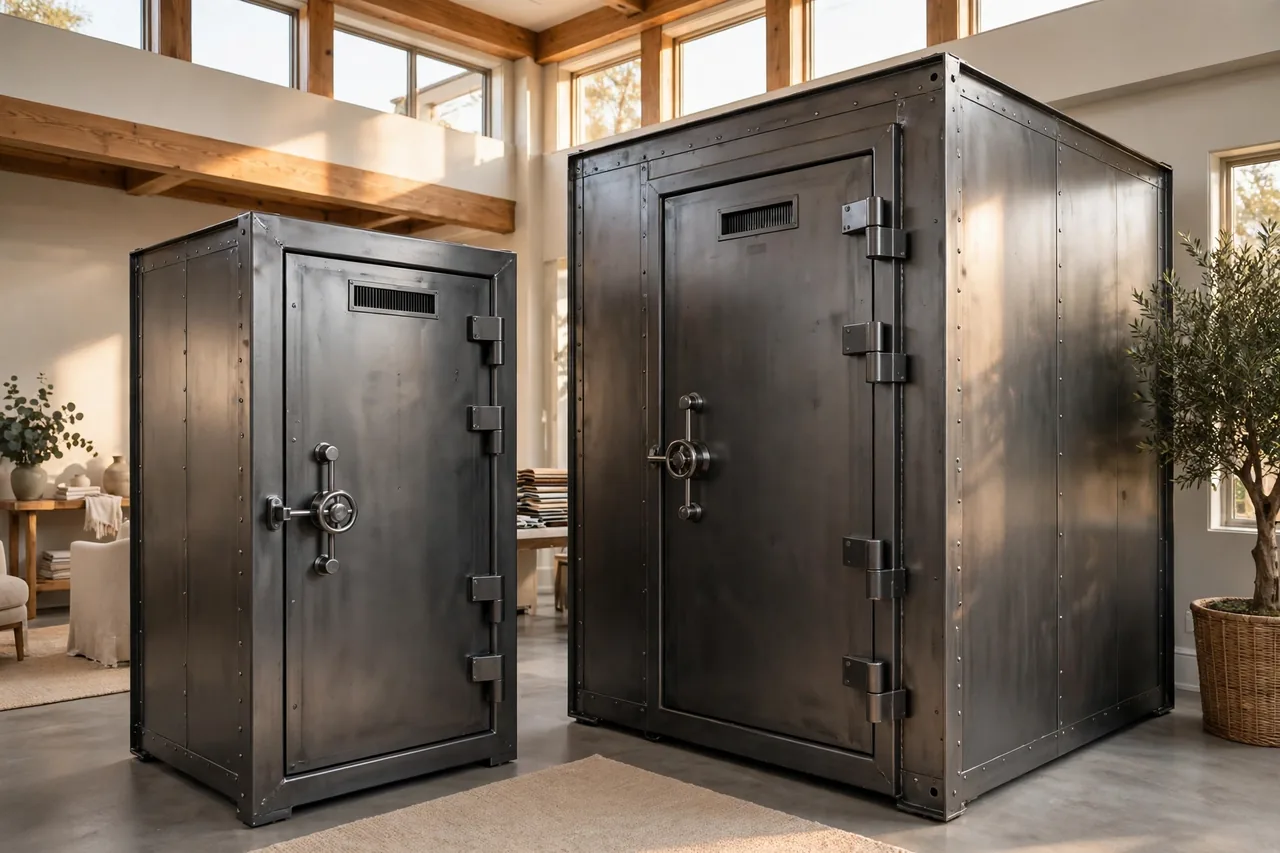
Most homeowners pay $3,000 to $40,000 to install a panic room, and the most common range for a prefabricated steel safe room is $3,600 to $11,200 installed. FEMA’s homeowner guidance puts a small 10-square-foot prefabricated safe room at about $3,000, and a 14-foot by 14-foot safe room at about $14,000 to $17,000.
The door decides the budget more than any other single item. A standard vault door costs about $1,750 to over $4,400, and a hidden door adds $600 to $4,500, according to the Engineer Fix cost guide. Labor usually adds 10 to 20 percent on a standard install, and far more on a custom build. The table below gives you the ranges at a glance, and the sections after it explain what moves the price up or down.
Panic Room Installation Cost at a Glance
Caption: Panic room installation cost by type — typical US ranges, 2026.
| Type | Typical cost | Best for |
|---|---|---|
| Small prefab steel safe room | $3,000–$8,000 | Budget storm and security shelter |
| Mid-size prefab steel safe room | $8,000–$15,000 | Family of 4–8, garage or closet |
| Professional closet conversion | $15,000–$40,000 | Hidden security room in an existing home |
| Custom built safe room | $50,000–$100,000+ | High security, new construction |
| Luxury panic room | $150,000–$500,000 | Long-stay, full systems, finishes |
These are planning ranges, not quotes. Your final price depends on size, material, door type, foundation, region, and whether you retrofit an existing home or build during new construction, as FEMA notes in its homeowner guidance. Retrofit work costs more, because workers must cut into an existing structure, move utilities, and sometimes add foundation work.
Cost by Size: Bigger Rooms Cost More Per Square Foot Than You Think
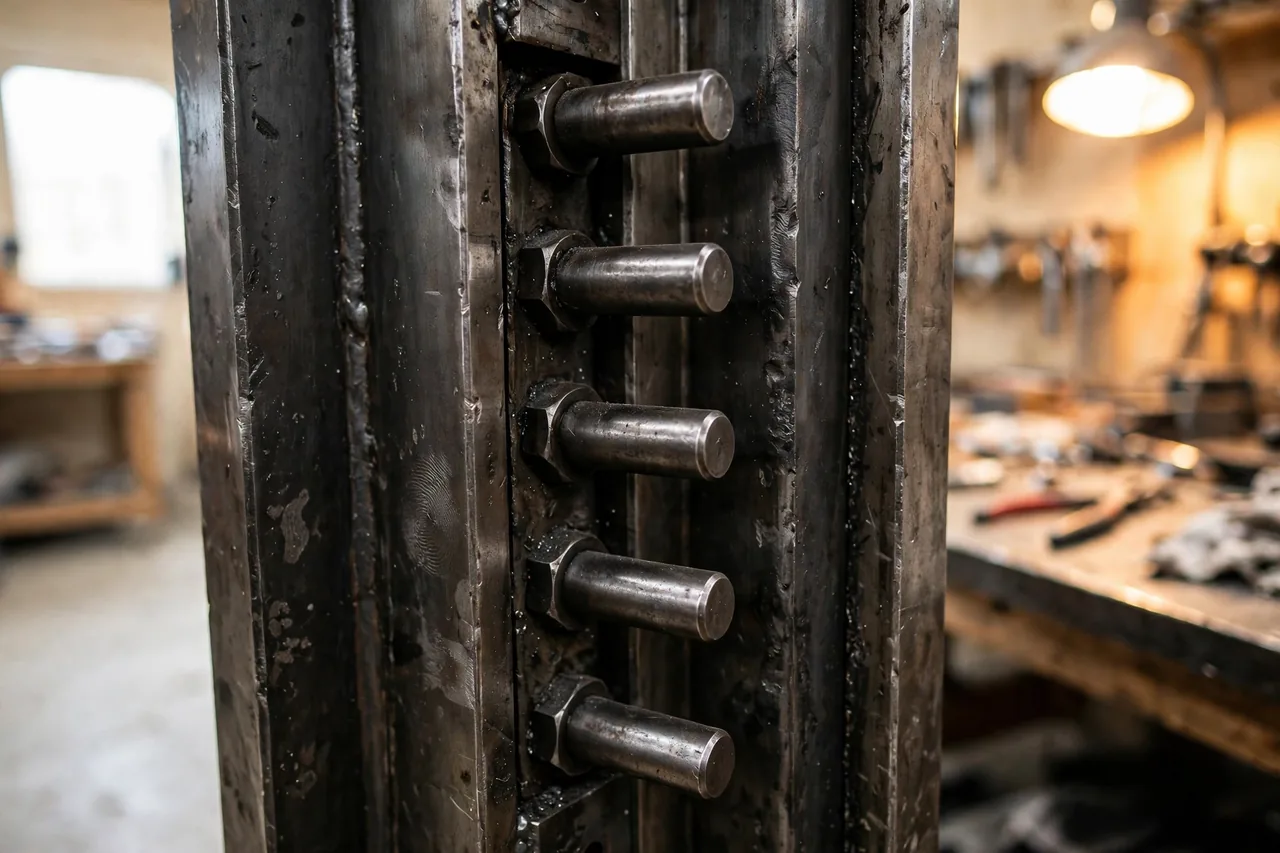
Size is the first thing that moves panic room installation cost, and the relationship is not simple. A small room costs less in total but more per square foot, because the door, the ventilation, and the labor cost almost the same whatever the size. A big room costs more in total but less per square foot, because those fixed costs spread over more space.
FEMA’s plans give the clearest public numbers. When a safe room is built during new home construction, the basic cost including materials, contingency, and labor runs $9,400 to $13,100 for an 8-foot by 8-foot space, and $18,900 to $25,500 for a 14-foot by 14-foot space, according to the State Farm summary of FEMA’s safe room plans. The basic cost does not include the safe room door assembly, and certified door assemblies run about $2,500 to $3,200.
For prefabricated steel safe rooms, HomeGuide puts the average installed cost at $3,600 to $11,200, with a national average of about $7,400 for a 4 x 6 to 4 x 8 room. A 4 x 4 unit costs about $2,400 to $5,600 installed, a 4 x 6 unit about $3,600 to $8,400, and a 4 x 8 unit about $4,800 to $11,200. Buy one size bigger than you think you need if your slab allows it, because the cost per person falls fast as the room grows.
Cost by Material: Steel, Concrete, and Ballistic Panels
Steel is the most common panic room material, and it costs $150 to $350 per square foot installed, or $5,300 to $12,300 for a typical room, according to HomeGuide. Steel safe rooms come prefabricated in many sizes, bolt together fast, and fit in a garage, a closet, or a basement.
Concrete costs less per square foot, at $100 to $200, or $3,500 to $7,000 for a typical room, according to the same HomeGuide data. Concrete rooms are less common and usually come in sizes from 5 x 7 to 8 x 10, but they are heavy, they need a strong foundation, and they are harder to retrofit into an existing home. A concrete room also needs proper waterproofing if it sits below grade.
Ballistic panels are the third option, and they are the right choice when you want protection without the weight of steel or concrete. Fiberglass panels rated to UL 752 fit behind drywall and keep the room discreet, and they stop multiple shots from a 9mm handgun. They cost more per square foot than plywood, but far less than a full steel build, and they are the material most professional closet conversions use. Whatever material you pick, ask for the rating in writing: a wall that has not been tested to a named standard is a guess, not protection.
The Door: The Single Biggest Line Item
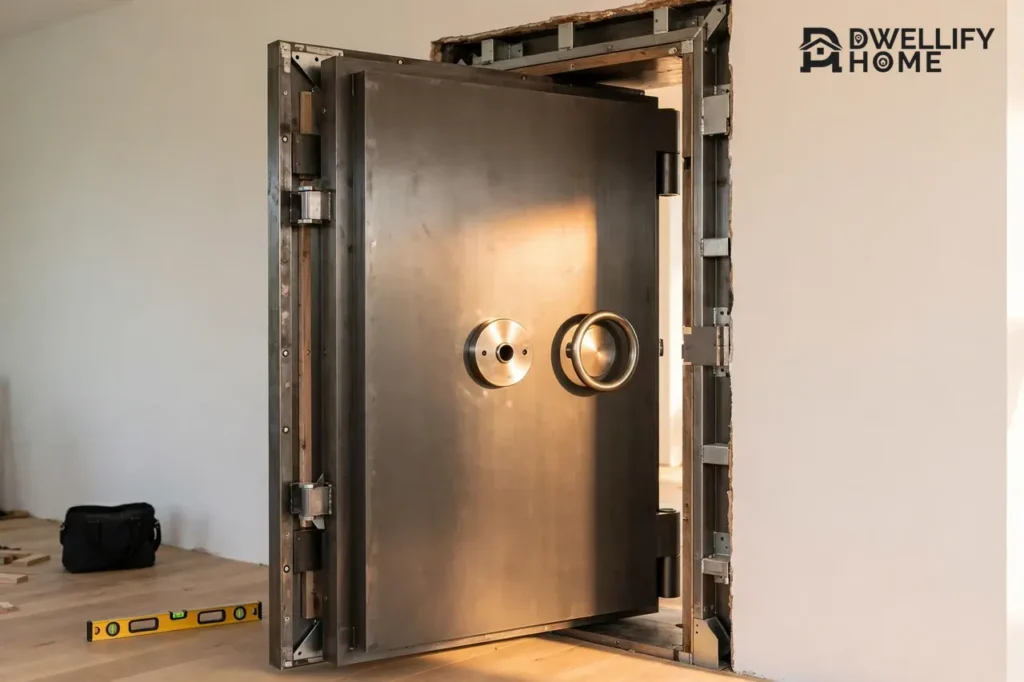
The door is the single biggest line item in most panic room installations, and it is the item buyers most often underestimate. A standard vault door for a safe room costs about $1,750 to over $4,400, with the price climbing with thickness, the multi-point locking mechanism, and the ballistic rating, according to the Engineer Fix cost guide.
A detailed 2026 cost model from ClampPro puts the range even wider: vault doors run $3,950 for a light 300-pound Smith Titan Light to $16,800 for a 2,000-pound Smith Stainless Elite, and setting a vault door costs $990 to $2,475 in labor depending on weight. A hidden door, such as a bookcase or flush panel on a pivot, costs $1,440 to $2,335 for the unit, plus $575 in labor to hang and tune it.
Budget at least $2,500 to $5,000 for the door alone on a mid-range install, and double that if you want a hidden entry plus a vault door behind it. The ClampPro model for an 8 x 10 basement safe room with a hidden door in front of a vault door totals $27,108 to $41,705, and the door decides the job: change the door, and the whole total moves. Get the door quote in writing before you approve the rest of the build.
What Most People Get Wrong About Panic Room Costs
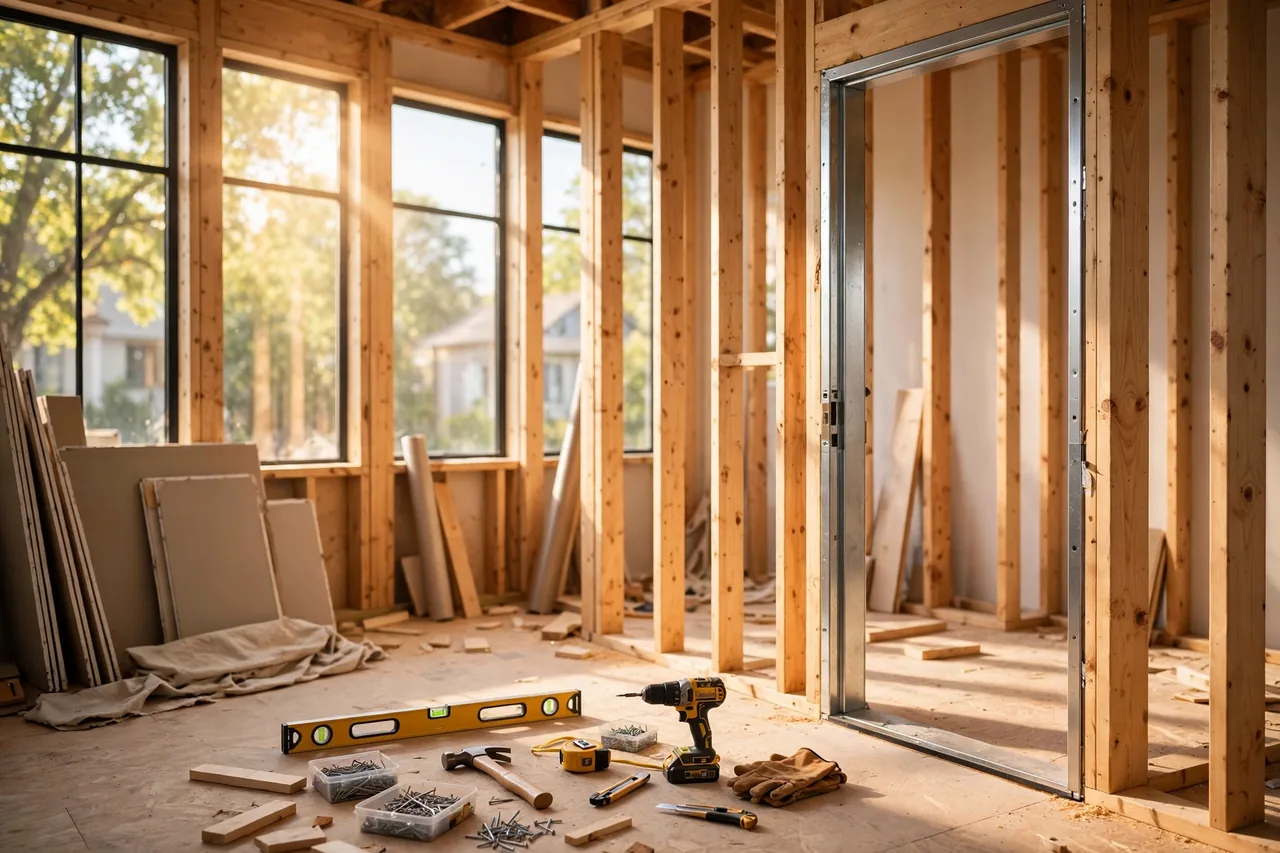
Most people get panic room costs wrong by budgeting for the room and forgetting the install. The unit price is only part of the bill. Delivery, a concrete pad, anchoring, electrical work, ventilation, and permits can add thousands, and on a custom build they can add tens of thousands.
The second mistake is comparing a storm safe room price to a security panic room price as if they were the same thing. They are not. A FEMA storm safe room is built to resist wind and debris, and its cost is driven by structure and anchoring. A security panic room is built to resist forced entry and bullets, and its cost is driven by the door, the ballistic rating, and concealment. A room can be both, but a room that is both costs more than either one alone.
The third mistake is trusting the lowest quote. A quote that is far below the rest usually leaves out the door, the pad, or the permits, and those items appear later as change orders. Ask every contractor for an itemized quote that lists the unit, the door, the pad, delivery, labor, electrical, ventilation, and permits as separate lines, and compare the lines, not the totals.
Installation and Labor: What the Crew Actually Charges
Labor usually accounts for 10 to 20 percent of a standard panic room installation, according to the Engineer Fix cost guide, but the share rises fast on custom work. A prefabricated unit that bolts to an existing slab can be installed in a day, while a custom room built into an existing home takes weeks.
Retrofit work costs more than new construction, and FEMA says so plainly. In new construction, workers build the room as part of the house, with easy access and no demolition. In a retrofit, they must cut into existing walls, move wiring and plumbing, shore up the floor, and work in a finished home. That is why a room that costs $9,400 to $13,100 in new construction can cost 20 percent more as a retrofit, and far more if the floor needs reinforcement.
Get three quotes from contractors who have built safe rooms before, not just general remodelers. Ask each one how many safe rooms they have installed, ask for the door model and rating in the quote, and ask who checks the slab and anchoring. A contractor who cannot name the standard the room meets is a contractor to skip.
Extra Features: Air, Power, Water, and Hiding the Room
Extra features are where a $15,000 room becomes a $50,000 room, and they are worth pricing separately so you can choose what you actually need. A complete 60 CFM NBC air filtration system, with manual battery backup and blast valves, can cost thousands of dollars, with high-quality Swiss systems starting around $8,800, according to the Engineer Fix cost guide.
A hidden interior door designed to blend into the wall adds $600 to $4,500, and a motorized hidden mechanism costs far more. A dedicated electrical circuit, battery backup, and lighting add hundreds to a few thousand dollars. A small water supply, a chemical toilet, and food storage add hundreds more. A camera or intercom so you can see outside the door without opening it adds a few hundred dollars and is one of the best-value extras you can buy.
Skip the luxury finishes first if your budget is tight, because a plain room with a strong door protects you just as well as a finished one. Spend on the door, the walls, and the air before you spend on wood paneling or a television. A panic room is a place you wait in for an hour, not a place you live in for a week, unless you are building a long-stay bunker, which is a different project with a different budget.
New Construction vs. Retrofit: The Cheapest Time to Build
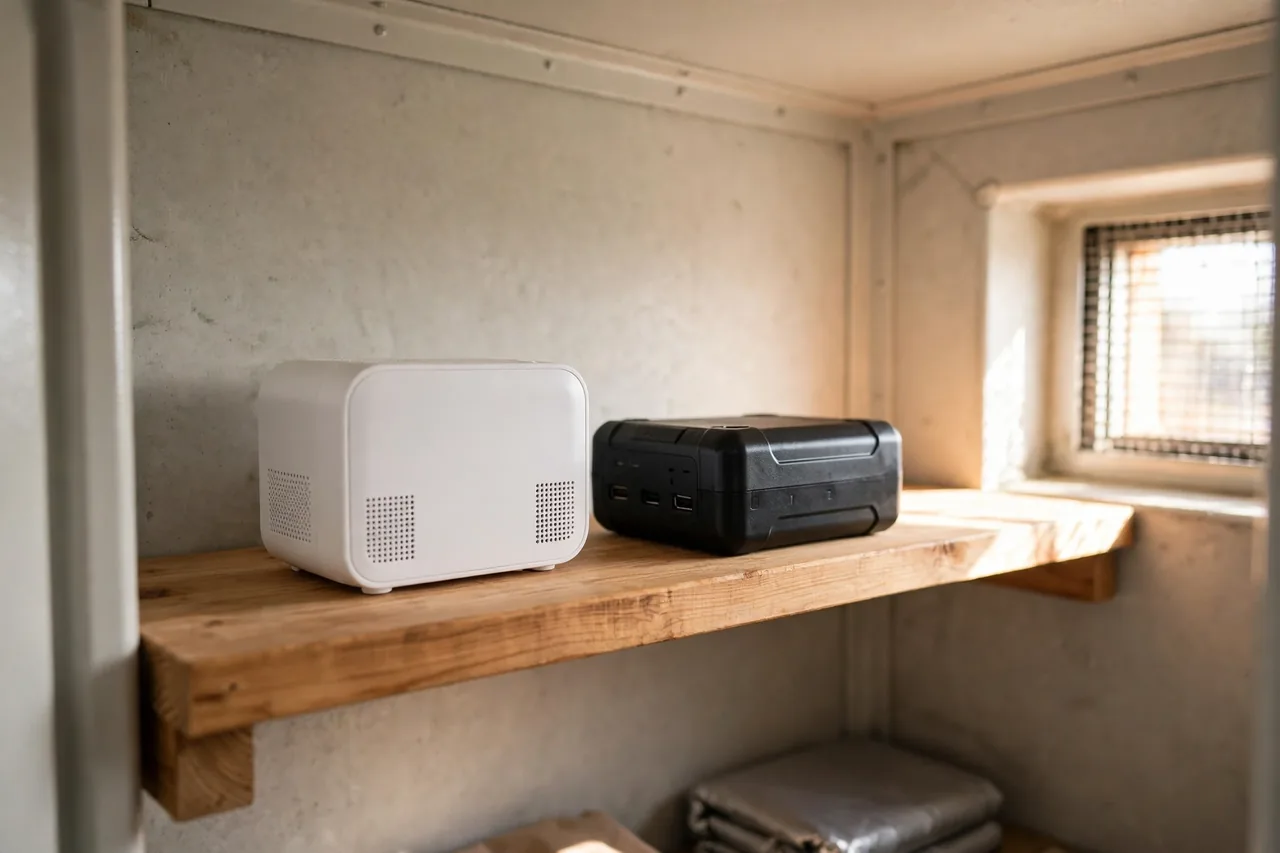
The cheapest time to build a panic room is during new home construction, and the difference is large. FEMA’s plans put an 8 x 8 safe room at $9,400 to $13,100 in new construction, and a 14 x 14 at $18,900 to $25,500, while a retrofit of the same room costs about 20 percent more, and often far more once demolition and floor work are counted.
In new construction, you can also hide the room in the plan: a walk-in closet, a bathroom, or a utility room that doubles as a safe room costs little extra beyond the hardening, and it gives you a room you use every day. In a retrofit, you must find the space, and that often means giving up a closet or a corner of the garage.
If you are building a new home in a tornado-prone or high-crime area, ask your builder for a safe room quote before the foundation is poured. Adding the room later will cost more, take longer, and disrupt your home. If you already own your home, a prefabricated unit in the garage is usually the cheapest retrofit, because it needs only a slab and anchoring, not demolition.
Can You Save Money? Grants, Rebates, and Smart Choices
You can save money on a storm-rated safe room through grants and rebates, but not usually on a security-only panic room. FEMA lists possible funding sources for safe rooms, including grants, rebates, and special financing such as FHA loans that cover storm shelter costs. Some states run rebate programs: Oklahoma’s SoonerSafe program has paid eligible homeowners 75 percent of the total cost up to $2,000.
Ask your state emergency management office what is open now, because programs open and close by year, and the 2026 SoonerSafe program was not open as of October 2026. Check with your homeowner’s insurance too: some insurers offer a discount for a certified safe room, and some offer a discount for a monitored security system, which can offset the cost over time.
The smartest saving is to buy the right size the first time. A room that is too small gets replaced, and a room that is too big wastes money on walls you do not need. Measure your household, add space for water and a first-aid kit, and buy one size up from the minimum. The second smartest saving is to skip the hidden door on your first build: a visible steel door with a strong lock protects you just as well, and you can add concealment later.
A Safety Note Before You Spend
A panic room is life-safety equipment, and this guide is general information based on prices and ranges published in 2026, not a quote or engineering advice. Get an itemized quote from a contractor who has built safe rooms before, check local building codes and permits, and have a structural engineer check the floor before you add heavy steel or concrete. Prices change by region and by year, so confirm every number with your contractor before you sign. Never install a shelter on a slab that does not meet the maker’s spec, and never run a generator inside a sealed room.
Related Guides
To warn you before an intruder reaches the door, read our best home security camera system guide, and for the most common entry point, our garage security camera guide. If you want a storm-rated room, our DIY storm shelter guide covers FEMA-rated safe rooms and their costs.
Frequently Asked Questions
How much does a panic room cost?
Most homeowners pay $3,000 to $40,000. A small prefabricated safe room starts at about $3,000, a mid-size steel room costs $3,600 to $11,200 installed, and a professional closet conversion costs $15,000 to $40,000.
How much does a safe room cost?
FEMA puts a small prefabricated safe room at about $3,000, an 8 x 8 room in new construction at $9,400 to $13,100, and a 14 x 14 room at $18,900 to $25,500, not including the door.
Is a panic room worth it?
A basic panic room is worth it if you want a safe place to wait for police during a break-in or a storm. It buys you time, and time is what lets help arrive. A luxury build is worth it only if you want long-stay protection.
Does a panic room add value to a home?
A well-built safe room can add value, especially in tornado-prone areas, but a custom luxury room rarely returns its full cost at resale. A storm-rated safe room is the safest bet for resale value.
How long does panic room installation take?
A prefabricated unit on an existing slab takes about one day. A professional closet conversion takes one to three weeks, and a custom built room takes four to eight weeks or more.
Can I install a panic room myself?
You can install a basic DIY panic room yourself for $3,000 to $8,000 in materials, but a vault door, ballistic walls, and structural work need a professional. Our DIY panic room guide covers the DIY route step by step.
Budget $3,000 to $8,000 for a basic prefab unit, $15,000 to $40,000 for a professional conversion, and get the door quote in writing before you approve anything else. The door decides the budget, the standard decides the protection, and the slab decides whether the room stays put when it matters.