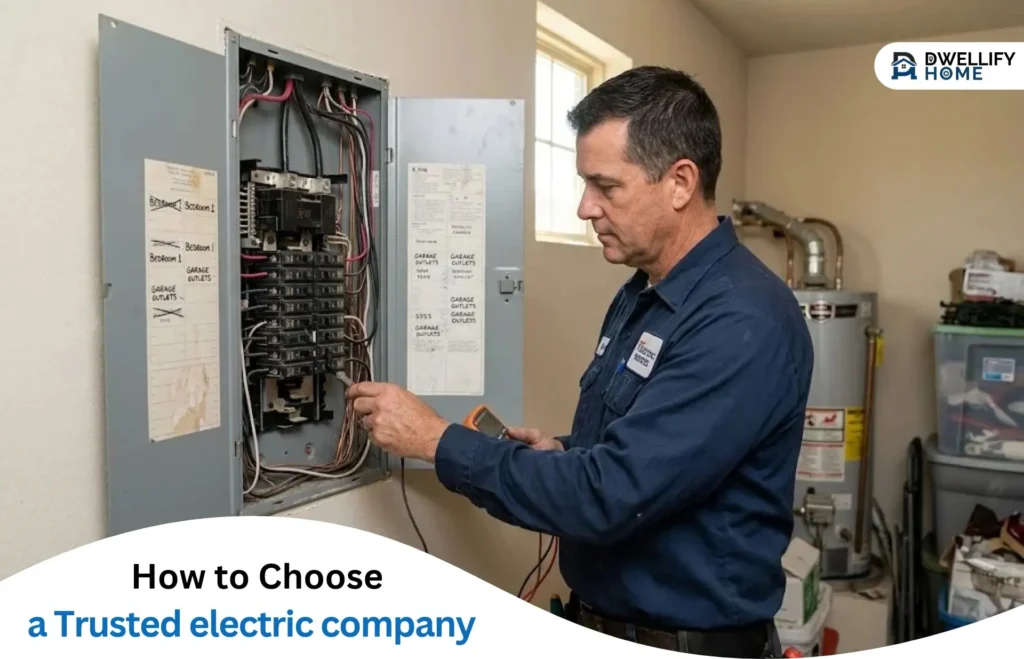
Forty minutes north of Dallas sits a town where the wind blows hard, the summer heat sits heavy, and half the houses went up in the last fifteen years. Little Elm grew fast, and fast growth leaves behind electrical systems that were fine on paper but quirky in practice. I’ve walked through enough North Texas homes to know the tell: a breaker panel with handwriting on the inside of the door and no labels that match reality.
Picking an electrician here isn’t a Google race. It’s a judgment call, and you want to make it before something trips or sparks. The short version: you want a crew that knows the local grid, will talk code without hiding behind it, and shows up with a real license you can verify in five minutes. Everything below is the long version, the one you’ll actually use when a panel starts humming or the lights flicker every time the AC kicks on.
You’ll also want a provider with a genuine footprint in the area, not a call center routing trucks from two counties over. Checking whether a company is a real electric company in little elm, tx takes one look at their service map and one phone call to see who answers.
Why Little Elm homes strain their electrical systems more than you’d think
New construction isn’t a guarantee of good wiring. It’s a guarantee of code-minimum wiring, which is a different thing. Builders put in what passes inspection at the time, and inspectors check a slice of it. That leaves room for panel brands you’ve never heard of, circuits that share more load than a modern family puts on them, and outdoor outlets installed without the weather protection they need when a storm rolls through.
Then there’s the weather. North Texas swings from ice storms to hundred-degree weeks, and every one of those swings works the breakers and the wire behind them. Decades of data from the National Fire Protection Association tie electrical failures to a substantial share of home fires in the United States, which is the reason I take panel problems seriously and you should too. If you hear a buzz at the box, that’s not personality. That’s a problem.
What separates a solid electrician from a guy with a van
Most people hire on price and regret on callback. The callbacks I hear about fall into three buckets: no permit pulled, no explanation of what was done, and no paperwork for the work. A good electrician will happily show you a state license number before you ask.
It matters because electrical work in Texas requires a license for anyone doing it for pay, and the Texas Department of Licensing and Regulation maintains the records you need to check. You can look up that license through the Texas Department of Insurance licensing system before a single truck pulls into your driveway.
Ask three questions on the first call and listen to the answers:
- Will you pull a permit for this job, and who pays for it?
- What’s your plan if the problem turns out bigger than the estimate?
- Do you carry insurance, and can you send the certificate?
Anyone who stumbles on all three isn’t your guy. Anyone who answers them in plain sentences is worth a second conversation.
Matching the job to the right kind of electrician
Not every electrician is set up for every job, and Little Elm homes run the whole range. Here’s how I’d sort typical requests so you know who to call before you start dialing.
| Your situation | What you actually need | What to ask before hiring
|
| Lights flicker when the AC starts | Panel or service check | Do you do load calculations, and will you document them? |
| Adding an EV charger in the garage | Dedicated circuit and permit | Will the install include a permit and inspection? |
| Outlets near the patio keep dying | GFCI and weather protection upgrade | Do you use enclosed weather boxes, not flip covers? |
| Older home with two-prong outlets | Rewire or grounding evaluation | Will you give me a written scope before you start? |
| Storm damage to the service drop | Emergency and utility coordination | Are you available after hours, and what’s the fee? |
Notice the pattern: every row is a test of whether the company will document what it does. Documentation separates a pro from a handyman with a voltage tester. The trades take safety seriously for reasons that go back decades, and the rules the Occupational Safety and Health Administration sets for electrical work exist because people got hurt before they existed. If a company is casual about the rules in its own industry, it will be casual in your home.
The little elm electrician vetting checklist
This is the part you can print and keep by the phone. Give any company you’re considering a once-over against this list before you schedule.
- License lookup. Ask for the license number and verify it online. If they dodge the question, that’s your answer.
- Insurance proof. Ask for a certificate of insurance. A real policy comes with a document, not a promise.
- Permit policy. Confirm they’ll pull a permit for anything beyond swapping a fixture or outlet. Say so out loud.
- Written scope. Get the diagnosis, the plan, and the price in writing before work begins, even for small jobs.
- After-hours terms. Ask what an emergency call costs, and whether it’s quoted up front. You want that number written, not mentally noted.
- Panel labels. Look for a company that labels every breaker. My rule: if they leave the panel a mess, they didn’t take the job seriously.
Red flags I wouldn’t ignore, even once
If a technician shows up with no identification and asks to start work without a written estimate, that’s a short conversation. Same for anyone who talks down to you for asking questions. The good ones invite curiosity. They’ll explain why that circuit is overloaded, why the GFCI keeps tripping, and what could happen if you ignore it. They don’t mind you reading the panel door.
Another one: no written estimate with a completion timeline attached. Price and scope matter, but the plan for finishing the job does too. Anyone who can’t tell you when and how the job ends is telling you something.
A quick word on timing and maintenance
Home electrical work doesn’t need an oil change. It does need a once-over when something changes: a new appliance, a growing family, a room conversion, a renovation. Panel checks before a major upgrade are cheap insurance, and they’re the kind of thing you’ll forget to do until a breaker trips during a holiday dinner. If you’ve had the same panel for fifteen years and added an EV or a hot tub, that’s your sign to get an inspection.
Frequently asked questions
How do I verify an electrician’s license in Texas?
Ask the company for its license number, then check it against the state’s online database. It takes a few minutes and it’s the single fastest way to sort out the real shops from the fly-by-night ones.
Do I need a permit for small electrical jobs?
It depends on the job. Swapping a light fixture usually doesn’t need one, but new circuits, panel changes, and anything that changes your service usually do. The permit protects you when you sell the house.
What’s a fair emergency fee?
Ask before you hire, and compare two or three quotes. It should be defined in writing, not negotiated at the door when you’re already stressed.
Bottom line
Choosing an electrician in Little Elm isn’t about finding the biggest company or the cheapest one. It’s about finding one you can verify, that documents its work, and that treats your panel like it matters. Do the license check, get the scope in writing, and keep your panel labeled. That’s the whole game, and it’s a game you can win with a phone call and ten minutes of homework.
So the next time a breaker trips at dinner, you’ll have a name already saved in your phone, not a panicked search of random numbers. Who’s going to be your go-to?
Maintaining a helpful website involves ongoing work and resources. Some links in this article may generate affiliate commissions or reflect sponsored collaborations that help support Dwellifyhome.com.