
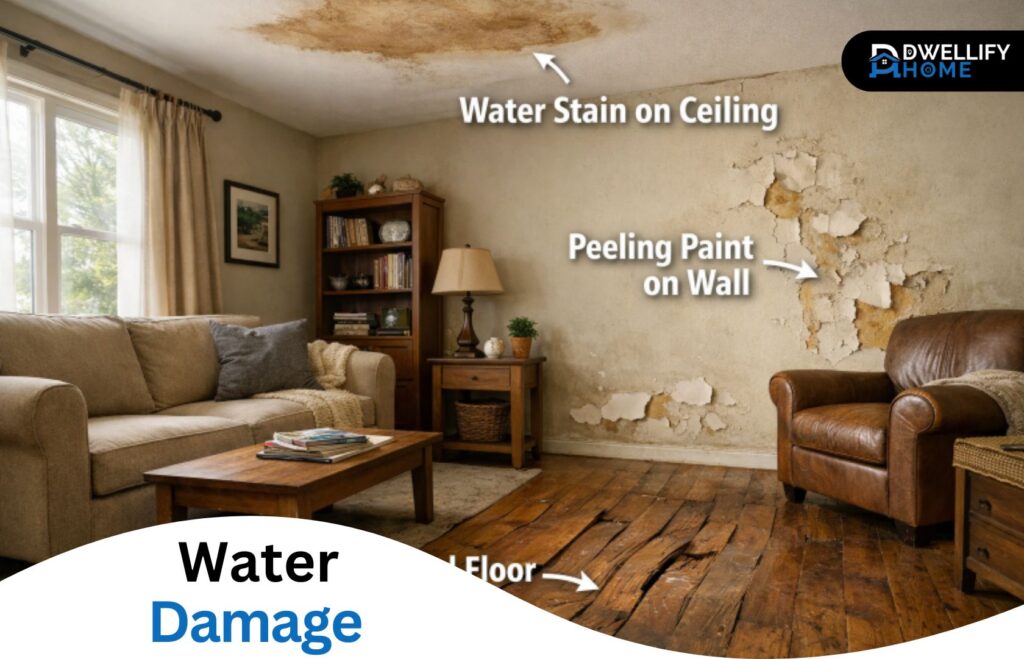
Water damage rarely announces itself. It tends to slip in slowly behind walls, under floors, or above ceilings, doing real harm long before anyone notices. Catching the early signs of water damage matters because waiting often turns a small repair into a major one. A faint stain or odd smell might be the only warning you get.
Homes in storm-prone or flood-prone regions face higher risk, so a sharp eye can save thousands in avoidable repairs. Spotting trouble early also limits health concerns tied to dampness and mold. Reliable water damage restoration Fort Myers crews are often the right call once the problem moves past a simple fix.
Hidden leaks tend to cause the worst damage because nothing looks wrong on the surface. Knowing what to watch for keeps your family safer and your structure sound. Quick action against any unusual stains, scents, or sudden jumps in your water bill keeps the problem contained. Stopping water at the source is the single most effective step you can take.
Letting moisture sit also raises the chance of long-term mold exposure, which carries real health consequences. When a source is hard to track down, water leak detection Fort Myers specialists can pinpoint the issue using moisture meters and thermal imaging before it spreads further.
Visible Stains and Discoloration
Brown, yellow, or rust-colored marks on a ceiling, wall, or floor are usually the clearest hint that water has been sitting somewhere it shouldn’t. The discoloration shows up because moisture pulls minerals and dust through drywall, wood, or grout as it dries.
Left alone, these patches grow. The drywall behind them softens, paint loses its grip, and ceilings can sag under the added weight. Ignored stains often lead to floor joists rotting underneath, which is a far costlier fix than patching a leaky supply line.
Peeling or Bubbling Paint and Wallpaper
Paint that peels in sheets or bubbles up like a blister almost always means moisture is trapped behind the wall. Wallpaper does the same, lifting at the seams or pulling away in soft, wet patches.
The cosmetic issue is the smaller problem. The bigger concern is the active leak feeding it. A pipe joint, window seal, or roof flashing is usually the source, and it’ll keep working its way deeper until the cause is found and fixed.
Musty Odors and Mold Growth
A damp, earthy smell in a closet, bathroom, or basement deserves attention even when nothing looks wrong. That odor is the byproduct of mold or mildew working through hidden materials like insulation or subflooring.
Visible colonies show up as black, green, or chalky white patches in corners, around vents, or on furniture pushed against exterior walls. The Centers for Disease Control and Prevention notes that mold exposure can trigger respiratory irritation, sinus issues, and worsened asthma symptoms, especially in sensitive individuals.
Warped or Buckled Flooring
Floors collect water faster than almost any other surface in a home. Hardwood that suddenly cups, swells, or feels spongy underfoot has absorbed more moisture than it can release on its own. Laminate planks may separate at the seams or curl at the edges.
Tile floors hide damage longer, but loose grout, cracked tiles, or a hollow sound when tapped are clues that the subfloor underneath is failing. Walking across compromised flooring is a safety risk, so prompt repair matters.
Unexplained Increase in Water Bills
A water bill that jumps without any change in household habits is one of the most reliable indicators of a hidden leak. The leak might be inside a wall, under a slab, or buried in the yard between the meter and the house.
Even a small drip can waste several thousand gallons a month. Beyond the wasted money, that water is feeding rot, weakening framing, or saturating soil near your foundation. The U.S. Environmental Protection Agency suggests having a professional inspect fixtures and supply lines whenever a bill rises without a clear reason.
What to Do If You Suspect Water Damage
- Find the source. Trace the moisture back to its origin. Common culprits include a roof leak, a failing pipe joint, a worn appliance hose, or a foundation crack.
- Shut off the water. When the source is a plumbing line, close the main valve to stop additional damage while you figure out the next step.
- Document everything. Photos, short videos, and written notes of every affected area will support an insurance claim and give contractors a clearer picture later.
- Bring in licensed professionals. A qualified restoration company has the equipment to extract standing water, dry hidden cavities, and treat affected materials before mold takes hold.
Preventive Measures
- Schedule regular inspections. Walk through your plumbing, appliances, and attic spaces a few times each year. Most leaks start small and stay quiet for weeks.
- Maintain gutters and downspouts. Clogged gutters push water against the foundation, which is a leading cause of basement seepage and exterior wall damage.
- Install water detection devices. Small sensors near washing machines, water heaters, and sump pumps send alerts the moment moisture appears, often saving you days of unnoticed leaking.
Catching the signs of water damage early changes the entire outcome. Stains, odd smells, soft flooring, or a climbing water bill all deserve a closer look the moment they appear. Staying alert and pulling in qualified help when something looks off protects both your home’s structure and the people living inside it.
Stick around and explore more helpful posts on our site! Please be advised that some links in this article may be affiliate or sponsored in nature. We may earn a small commission from any purchases made through these links, which helps support Dwellifyhome.com. Any opinions expressed are the author’s personal views and do not necessarily reflect those of the website or its team.