
Most homeowners spend time and money on what they can see — new countertops, a coat of fresh paint, updated lighting. That’s understandable. But the systems doing the heaviest daily work inside your home are the ones tucked away behind walls, under floors, and beneath your yard.
The plumbing system is one of them. It delivers clean water, removes waste, and supports nearly every daily routine — yet it rarely gets attention until something goes wrong. That’s exactly where preventative plumbing maintenance earns its value. A consistent, simple routine around your home’s plumbing can protect you from water damage, unexpected costs, and the kind of repairs that throw off an entire week.
Why Preventative Plumbing Maintenance Matters
A well-functioning plumbing system quietly supports your home’s comfort in ways that are easy to take for granted. Bathrooms, kitchens, laundry rooms, outdoor water connections — they all depend on pipes, valves, and fixtures that need periodic attention to keep working as they should.
Routine maintenance delivers real, measurable benefits:
- Reduced risk of leaks and water damage
- Improved water efficiency throughout the home
- Lower monthly utility costs
- Extended lifespan of fixtures and connected appliances
- Fewer emergency repairs
- Better overall home performance
A small drip today might cost a few dollars to address. Left alone, that same drip can lead to mold growth, structural damage, and repair bills that climb into the thousands. Catching problems early almost always costs significantly less than dealing with them after they’ve had time to worsen.
Common Plumbing Problems Homeowners Face
Most plumbing issues don’t arrive without warning. They build slowly, giving off early signals that are easy to brush off — until they can’t be ignored anymore. Knowing what to look for is one of the more practical skills a homeowner can develop.
Slow Drains
A drain that takes noticeably longer to empty is usually pointing to buildup inside the pipe — soap residue, hair, grease, or mineral deposits from hard water. One slow drain might respond to basic cleaning. But when the same drain keeps slowing down, something more significant is likely happening and professional assessment is the sensible next step.
Leaking Fixtures
A faucet that drips once per second can waste well over 3,000 gallons of water in a single year. Leaking toilets, pipe joints, and supply lines under sinks carry similar consequences — both in water wasted and in the steady moisture damage they cause to surrounding areas over time. Even small leaks deserve prompt attention.
Low Water Pressure
Noticeably weak flow from a faucet or shower isn’t just an inconvenience. It can signal hidden pipe corrosion, a partially restricted valve, a developing leak behind a wall, or mineral buildup narrowing the flow path. Any change in water pressure — whether sudden or gradual — is worth investigating before it develops into something harder to fix.
Unexpected Water Bills
When your water usage habits haven’t changed but your bill has gone up, something in your plumbing system is likely working against you. Running toilets and slow hidden leaks are the most common causes. Identifying the source early — before another billing cycle passes — can save a real amount of money.
Simple Maintenance Tips for Homeowners
Keeping plumbing in good shape doesn’t require technical training. Most of what matters comes down to building consistent habits and staying observant.
Practical steps worth working into your routine:
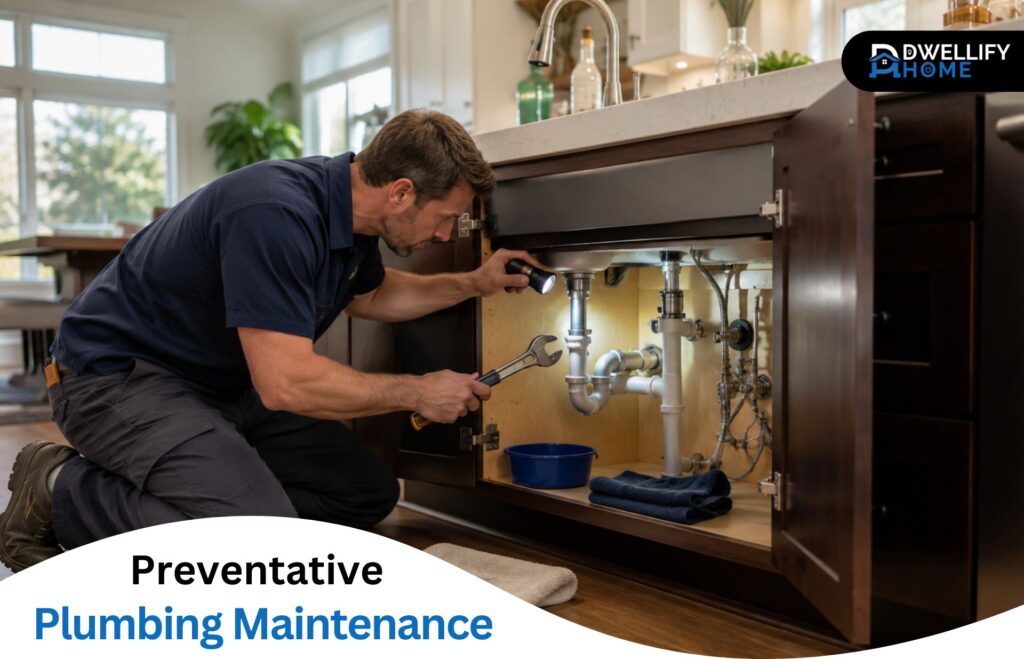
- Walk through your home periodically and check visible pipes under sinks, in utility closets, and near appliances for any signs of moisture or corrosion
- Fix small leaks as soon as they show up — don’t wait for them to get worse
- Keep grease, cooking oils, and food waste out of kitchen drains
- Use drain strainers in bathroom and kitchen sinks to catch hair and debris before it enters the pipe
- Know exactly where your main water shutoff valve is, and confirm it turns smoothly
- Schedule a professional plumbing inspection at least once a year, particularly in older homes
None of these steps are complicated. But done consistently, they make a meaningful difference in how long your plumbing holds up and how rarely you’re dealing with urgent, expensive repairs.
When Professional Assistance Is Needed
Some plumbing tasks are manageable on your own — swapping a worn washer, cleaning a strainer, or checking supply valves. But there’s a clear point where doing it yourself stops being a good idea.
Sewer line problems, leaks that keep returning after being fixed, pipe damage hidden inside walls, water heater issues, and anything involving main supply lines should all be handled by a licensed plumber. Applying the wrong fix to the wrong problem doesn’t just fail — it can make the original issue considerably worse and more expensive to correct.
Homeowners looking for dependable residential plumbing services can visit the official Fly Plumbing & HVAC website for information on professional repair services, maintenance support, and helpful homeowner resources.
Protecting Your Home for the Long Term
Plumbing works silently in the background every single day, which makes it easy to forget it exists — until it doesn’t work. That moment of disruption is usually when homeowners realize just how dependent the entire household is on a system they’ve never really thought about.
Consistent preventative plumbing maintenance is what keeps that moment from happening. Staying alert to early warning signs, handling small repairs before they compound, and knowing when to call a professional — these three habits are what protect a home’s plumbing over the long haul.
Homes that are well cared for hold their value better, cost less to maintain, and are more comfortable to live in day to day. The plumbing system plays a larger role in that than most homeowners realize. It deserves the same attention as anything else in the house.
We truly hope this article added value to your day! A quick transparency note — some of the links featured here may be affiliate links. Any small commission we earn from your purchases helps us continue delivering helpful, high-quality content. All opinions shared are exclusively the author’s own and are not an official representation of Dwellifyhome.com.