
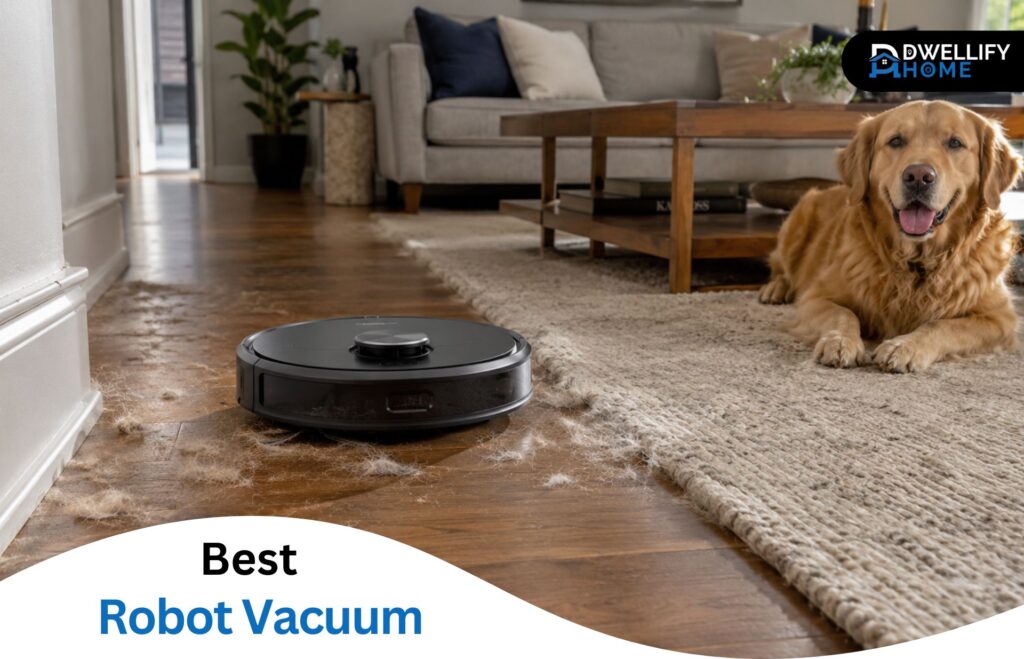
Sharing a home with dogs or cats means accepting a certain amount of fur, but the daily cleanup can wear thin. Hair gathers along skirting boards, settles into rugs, clings to carpet, and somehow finds its way beneath furniture only hours after you’ve cleaned.
Robot vacuums have made that routine much easier for Australian households. Newer machines can follow mapped cleaning routes, deliver stronger suction, and run on a schedule with very little day-to-day involvement.
Finding the Best Robot Vacuum for a pet household is really about matching the machine to the mess. One cat in a tiled apartment creates a different cleaning job from two shedding dogs in a carpeted family home. By focusing on suction, brush design, navigation, capacity, and floor type, you can choose a robot that keeps loose hair under control and makes regular cleaning far less demanding.
Why Pet Hair Requires a Specialised Robot Vacuum
Pet fur creates problems that ordinary household dust doesn’t. Fine hairs can grip carpet and rugs, while longer strands often wind around rollers. Dogs and cats also carry in sand, grass, and outdoor debris, especially after wet weather.
Basic robot vacuums may leave embedded hair behind or require frequent brush cleaning. Models suited to pet homes generally combine stronger suction, better roller designs, larger dustbins, and more organised navigation.
These features work best together. Powerful suction won’t help much if the brush is constantly tangled, and smart mapping is less useful when the bin fills halfway through a cleaning cycle. A pet-friendly design usually means more consistent cleaning with less hands-on maintenance.
Powerful Suction Makes the Difference
Suction matters because pet hair can sit deeper in carpet fibres than it appears from the surface. A weaker robot may collect loose fur while leaving the more stubborn strands behind.
Higher suction helps lift hair, dust, and tracked-in debris from carpet while collecting loose fur from timber, tile, laminate, and vinyl. The goal on soft flooring is to draw pet hair and dirt from carpets, not simply skim across the pile.
Many premium robots increase suction automatically when they move onto carpet. In a multi-pet home, that extra cleaning power can keep floors noticeably tidier between deeper vacuuming sessions.
Brush Design Matters
The roller underneath a robot has a major effect on pet hair pickup.
Long strands can wrap around traditional bristle brushes. Rubber rollers are often easier to manage because they tend to resist tangles and are simpler to clean.
Side brushes matter too. They sweep fur from corners, skirting boards, and furniture edges towards the main cleaning path.
When comparing models, check for a brush system designed to reduce hair wrap. Fewer tangles mean fewer interruptions and more reliable cleaning.
Smart Navigation Improves Cleaning Coverage
Older robot vacuums often moved randomly, cleaning one patch repeatedly while missing another. Modern mapping systems scan the home and build a floor plan.
The robot can then clean rooms methodically, avoid obstacles, and return to its dock more efficiently. Better navigation also reduces wasted movement around furniture.
This matters in larger Australian homes. With more rooms and open-plan areas, an organised route helps the robot use its battery and cleaning time more effectively.
Large Dustbins Reduce Emptying
Pet hair can fill a small robot vacuum bin quickly, even when the floor looks fairly clean.
A larger dustbin means fewer interruptions, especially with heavy-shedding dogs or several cats.
Some premium robots also use automatic emptying stations. After cleaning, the robot transfers collected fur and debris into a larger sealed bag in the dock. In a busy pet household, that can greatly reduce how often the onboard bin needs to be emptied by hand.
Mopping Features for Complete Cleaning
Mopping doesn’t remove pet hair, but it can handle the marks pets leave after dry debris is collected.
Muddy paw prints, drool marks, and fine dust are common on hard floors. A vacuum-and-mop robot can collect debris first and then clean the surface in the same routine.
This is useful in homes with plenty of tile, timber, laminate, or vinyl. Some premium models also recognise carpet and lift the mop, so rugs and carpeted areas aren’t wetted.
Intelligent Home Mapping
Detailed home maps let owners control where and how often the robot cleans.
Through a smartphone app, rooms can be divided, schedules created, restricted areas marked, and specific zones selected for extra attention. That helps when pets use only a few parts of the house heavily.
A dog bed, feeding area, or busy hallway may need more frequent cleaning than a spare room. Smart mapping lets the robot focus on the places where fur and dirt build up fastest.
Roborock and Pet Friendly Cleaning
Roborock is a common choice among Australian pet owners because its robots combine strong suction, mapped navigation, and brush technology suited to regular floor care.
The machines are designed for both hard floors and carpet. Depending on the unit, features may include obstacle recognition, automatic suction adjustment, smart maps, and self-emptying options.
These functions are practical when pet hair is a daily problem. Comparing different Roborock models by floor type, home size, and shedding level is still important because features vary across the range.
For many households, the appeal is the balance between cleaning performance, automation, and convenience.
Battery Life for Larger Homes
Battery capacity matters more as the cleaning area grows. A small home may be covered in one run, while a multi-bedroom or open-plan house can take longer.
Robots with extended battery life cover more rooms before returning to the dock. Many premium models also recharge automatically and then resume the unfinished job.
That helps larger homes receive complete floor coverage without a manual restart.
Noise Levels Matter
Some pets ignore a robot vacuum. Others become nervous around unfamiliar movement and sound.
A quieter machine is less likely to unsettle sensitive dogs or cats. Premium robot vacuums also tend to run more quietly than traditional upright vacuums, making them easier to use while people work from home or relax.
Introducing the robot gradually can also help cautious pets become familiar with it.
App Control and Smart Home Integration
Most premium robot vacuums connect to smartphone apps, giving owners more control over daily cleaning.
Users can check progress, view maps, set schedules, and change settings remotely. A cleaning cycle can also be started while no one is home.
Some models work with smart home assistants and respond to voice commands. For busy pet owners, this flexibility makes regular cleaning easier to fit around the day.
Maintenance Tips for Pet Owners
Even a well-designed robot vacuum needs regular care in a home with shedding pets.
Check brushes and rollers for wrapped hair, especially with long-haired dogs or cats. Clean or replace filters according to the manufacturer’s guidance so airflow and suction remain effective.
Empty the dustbin regularly unless the robot uses a self-emptying dock, and keep sensors clean for accurate navigation and obstacle detection.
A small amount of routine maintenance helps the vacuum clean consistently and can support a longer working life.
Choosing the Right Robot Vacuum for Your Home
Every pet household has a different cleaning workload, so start with your flooring and the mess your animals create.
Homes with mostly hard floors may value mopping more. Carpeted spaces need stronger suction and effective brushes. Several pets can justify a larger bin, longer battery life, or an automatic emptying station.
Dogs that regularly leave muddy paw prints may make a vacuum-and-mop model especially useful.
The right robot should suit your layout, floor surfaces, and level of shedding. Matching those needs usually gives better long-term results.
Is a Robot Vacuum Worth It for Pet Owners?
For many Australian pet owners, yes. Regular automated cleaning can collect loose fur, dust, and everyday dirt before it becomes obvious throughout the home. A robot vacuum may not replace occasional deep cleaning with a traditional machine, but it can significantly reduce the frequency and effort of routine floor cleaning.
That is its real value: cleaner floors with less daily vacuuming.
Finding the Best Cleaning Companion
Keeping floors clean with pets doesn’t need to become a daily battle. Robotic cleaning technology can collect loose hair and tracked-in debris regularly, reducing the amount of manual vacuuming needed around the home.
The Best Robot Vacuum for a pet household should match the actual cleaning job. Strong suction helps lift embedded fur, anti-tangle brushes reduce maintenance, and intelligent navigation improves coverage. Large dust capacity, dependable battery life, and smart mapping become even more useful in bigger homes or households with several pets.
Roborock pet hair cleaning options remain popular because they combine automated features with cleaning across different floor types. Still, a carpeted home with two dogs has different priorities from an apartment with one cat and mostly hard flooring.
Look at your floors, home size, and how heavily your pets shed. A dependable robot vacuum for dogs and cats won’t remove every deep-cleaning task, but it can take over much of the repetitive work and help keep an Australian home consistently cleaner throughout the year.
This article may contain affiliate or sponsored links. When you click on these links or make a purchase, Dwellifyhome.com may earn a small commission. This helps us continue creating useful content, while the views expressed remain the author’s own.