
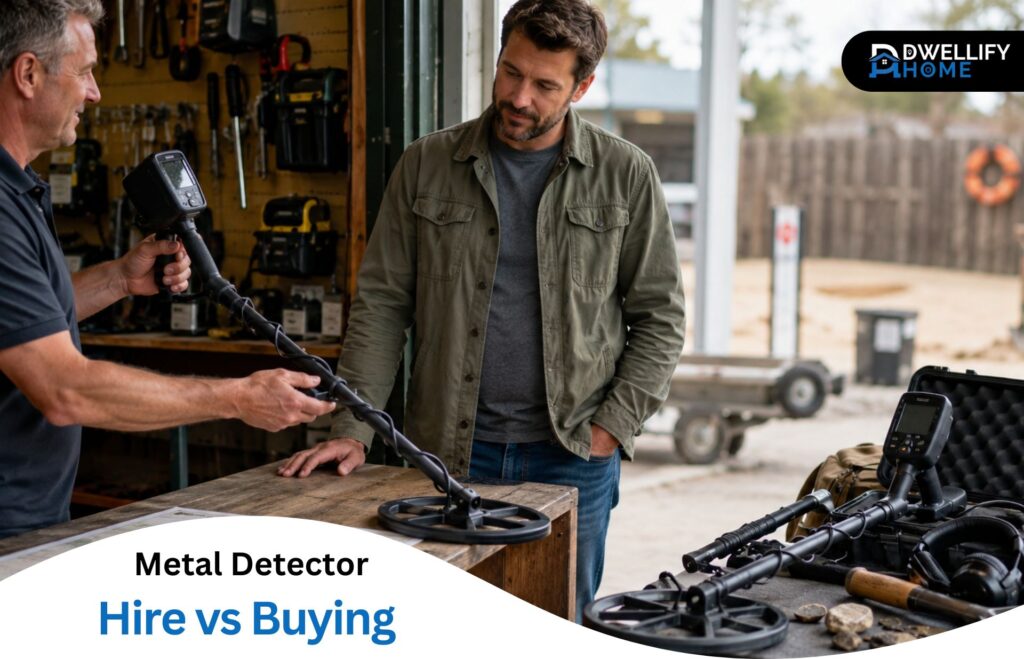
Metal detecting is a rewarding hobby and a practical tool used for everything from locating buried pipes to uncovering hidden treasures at the beach. Whether you’re a weekend prospector, DIY renovator, or simply curious, you might find yourself wondering: should you hire a metal detector or buy one outright?
Both options have their pros and cons, and the right choice depends on your needs, budget, and how often you plan to use the device. In this guide, we’ll compare metal detector hire and purchase options, helping you make an informed decision that suits your project or pastime.
Why Use a Metal Detector?
Before weighing hire vs buy, it’s important to understand the reasons people use metal detectors. Common uses include:
- Hobbyist treasure hunting (coins, relics, jewellery)
- Beachcombing along the coast
- Gold prospecting in rural and outback areas
- Utility location (finding buried pipes, cables, or septic lids)
- Construction prep for identifying hidden hazards
- Lost item recovery in gardens or on properties
The type of detector you need may vary depending on the application, which also influences whether hiring or buying is best.
Pros of Hiring a Metal Detector
1. Cost-Effective for One-Off Jobs
If you only need a metal detector for a day or weekend—say to find a lost ring or inspect a site before digging—hiring is significantly cheaper than buying. Daily hire rates are usually very affordable compared to the retail price of a quality unit.
2. Access to High-End Equipment
Hiring gives you access to advanced models that may be too expensive to buy outright. Professional-grade metal detectors are more accurate, go deeper, and perform better in mineralised or wet ground.
3. No Long-Term Storage or Maintenance
If you’re not using a metal detector regularly, storing it safely and maintaining it (battery care, calibration, etc.) can be inconvenient. Hiring removes this responsibility altogether.
4. Try Before You Buy
Hiring is a great way to test out different models before committing to a purchase. If you’re new to metal detecting, hiring lets you see if you enjoy it without investing hundreds of dollars up front.
Cons of Hiring a Metal Detector
1. Cost Adds Up with Repeated Use
If you hire frequently—such as every few weeks—the costs will quickly add up. Over time, buying may become more economical.
2. Limited Availability
Hiring relies on stock availability, especially during peak seasons or in popular holiday areas. You might find that your preferred model is already booked out.
3. Time Limits and Late Fees
Hire periods are usually fixed (e.g. 1–3 days), and late returns may incur extra charges. If your project runs over time, costs could rise unexpectedly.
Pros of Buying a Metal Detector
1. Long-Term Value
If you plan to use a metal detector regularly, buying can be more cost-effective in the long run. The initial investment pays off over multiple uses.
2. Freedom to Use Anytime
Owning your own device gives you the freedom to detect whenever and wherever you want, without booking or scheduling in advance.
3. Customisation and Familiarity
With your own detector, you can fine-tune settings, add accessories, and become familiar with its performance. This leads to better results and a more satisfying experience.
4. Potential for Resale
Many quality detectors retain good resale value. If you decide the hobby’s not for you or want to upgrade later, you can often recoup some of your investment.
Cons of Buying a Metal Detector
1. Upfront Cost
Even entry-level detectors can cost several hundred dollars. High-end models used for gold prospecting or deep detection may run into the thousands.
2. Maintenance and Repairs
Like any electronic equipment, metal detectors can require upkeep. Batteries, coils, and wiring can wear out, especially with regular outdoor use.
3. Storage and Transport
You’ll need to store the detector properly to protect it from moisture, dirt, and damage. Transporting it safely, especially on trips, is another consideration.
When to Hire a Metal Detector
Hiring is likely the better choice if:
- You only need it for a single task (e.g. locating a buried item or pipe)
- You want to try metal detecting without committing to the cost
- You need a high-performance detector for a one-off job
- You’re travelling and can’t carry your own gear
Many hardware stores and equipment hire centres across Australia offer short-term rental of metal detectors, making it convenient and affordable.
When to Buy a Metal Detector
Buying may be the better route if:
- You’re passionate about treasure hunting or prospecting
- You plan to detect regularly or over a long period
- You want full control over the features and accessories
- You’re located in a rural area with frequent opportunities to detect
In Australia, major retailers like Minelab, Garrett, and Nokta Makro offer models suited to beginners and experts alike.
What About Gold Detectors?
If you’re planning to go gold detecting in places like Victoria’s Golden Triangle or the WA goldfields, be aware that standard metal detectors may not perform well in mineral-rich soils. Specialist gold detectors are expensive and sensitive but can often be hired from prospecting shops in mining towns.
Hiring a gold-specific detector is often the best way to start prospecting without spending thousands upfront.
Final Thoughts
So, should you hire or buy a metal detector?
It depends on how often you’ll use it, what you’re looking for, and how much you’re willing to spend. Hiring is ideal for one-time use or testing the waters, while buying suits committed hobbyists or those who want flexibility and long-term value.
Whichever path you choose, metal detecting is a rewarding and engaging activity. Just make sure to follow local laws, get permission when searching on private land, and respect protected areas like heritage sites or national parks.
At Dwellifyhome.com, we aim to provide helpful and informative content. Some links in this article may be affiliate or sponsored links, which means we may earn a small commission if you purchase through them. This does not affect our opinions or recommendations.