Most homeowners think about paint, furniture, or flooring first when planning a renovation. Windows and doors rarely make the top of the list — yet they do more to shape how a home looks, feels, and performs than almost anything else you can change.
The right windows control how much light enters a room, how air moves through the space, and how well your home holds temperature. Well-chosen doors affect security, privacy, and the impression your home makes from the outside. These two elements work together quietly every day, and their impact is easy to underestimate until you actually upgrade them.
Many contractors and interior designers now source products from global manufacturers to find modern styles, better materials, and flexible pricing. Working with a reliable window and door manufacturer china gives homeowners access to customized designs, energy-conscious options, and well-built products that align with current renovation standards.
Whether you are updating one room or refreshing an entire property, windows and doors have the power to completely redefine the atmosphere of your home.
Natural Light Makes Every Room Feel Bigger
Natural light is one of the most effective tools in home design. A room that receives good daylight feels open, calm, and more welcoming — while a dark room can feel cramped regardless of how it is furnished.
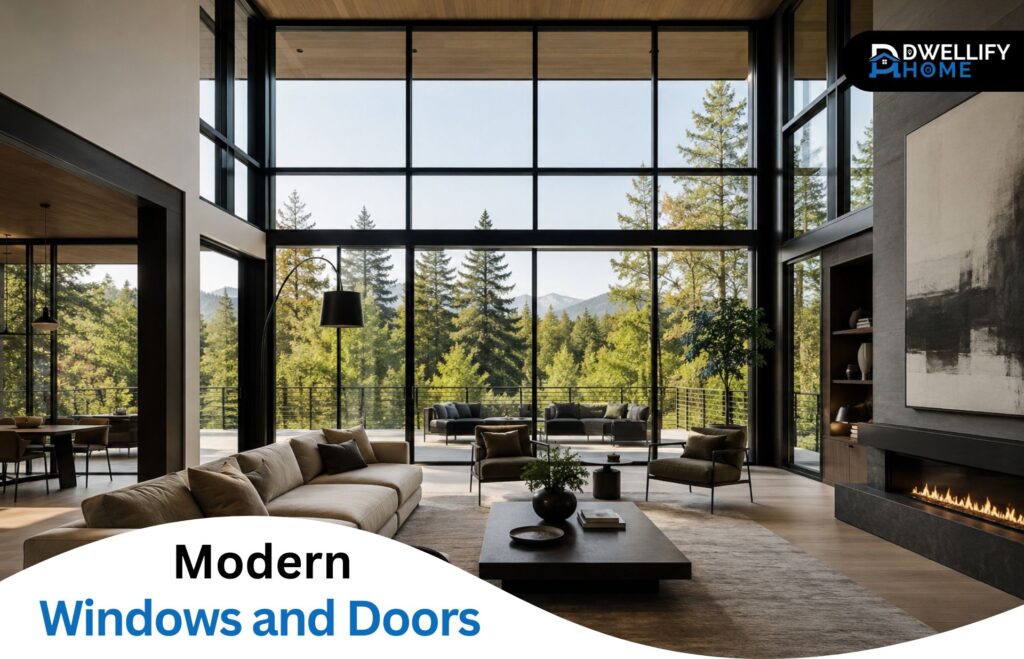
Large windows have become a defining feature of modern residential design for this reason. Homeowners want brighter interiors without depending entirely on electric lighting throughout the day. Floor-to-ceiling windows, sliding glass doors, and corner glazing create a stronger visual connection to the outdoors while making interior spaces feel considerably larger.
This matters even more in smaller homes and apartments where every square foot counts.
Some popular window styles include:
Casement Windows These open outward on a hinge and allow strong, directed airflow. They perform well in kitchens, bedrooms, and living areas.
Sliding Windows Practical and space-saving, sliding windows suit modern homes where clean lines and minimal visual clutter are priorities.
Picture Windows Fixed and non-opening, picture windows frame outdoor views and pull in generous amounts of daylight without interrupting wall space.
Black-Framed Windows Dark frames have remained a consistent trend in contemporary architecture because they create sharp contrast against lighter walls and add a defined, structured look to interiors.
Beyond aesthetics, natural light has real health benefits. Research from Harvard’s Center for Health and the Global Environment has indicated that regular access to daylight supports better mood, stronger focus, and more consistent sleep patterns.
Energy Efficiency Starts With Better Windows and Doors
Older windows and doors are often the main source of energy loss in a home — but the problem tends to go unnoticed until utility bills climb or rooms become uncomfortable during seasonal extremes.
Modern window and door systems use significantly better insulation technology. Double-glazed and triple-glazed glass units maintain indoor temperatures far more effectively than older single-pane designs, reducing how hard your heating and cooling systems need to work.
Key energy-saving features to look for include:
Low-E Glass Low-emissivity glass has a thin coating that reflects radiant heat while still allowing visible light through. It helps keep rooms cooler in summer and warmer in winter.
Thermal Break Frames These frames include a non-conductive barrier inside the frame profile, which reduces heat transfer through aluminum or metal components.
Weather Sealing Modern perimeter seals block drafts, fine dust, and moisture — small improvements that make a noticeable difference in both comfort and air quality.
Multi-Point Locking Systems These do not just improve door security. They also create a tighter seal around the door perimeter, reducing air infiltration significantly.
According to the U.S. Department of Energy, heat gain and heat loss through windows account for a substantial portion of residential energy consumption. That is why window and door replacement has become a common priority in renovation projects focused on long-term operating costs rather than short-term cosmetic changes.
Modern Entry Doors Improve First Impressions
The front door sets the tone for the entire home. A worn, outdated, or poorly fitted entrance can undercut the appearance of an otherwise well-maintained property. Modern entry doors combine thoughtful design with practical durability and current security expectations.
Popular material options include:
Steel Doors: Reliable for security, low-maintenance, and available in a wide range of finishes.
Fiberglass Doors: These resist warping and moisture damage well, and the better options replicate the texture and appearance of real wood convincingly.
Solid Wood Doors: Wood remains a preferred choice for homeowners who want a sense of warmth and traditional character at the entrance.
Glass Panel Doors: Incorporating glass inserts near the entrance improves natural light in hallways and entryways while giving the exterior a more contemporary look.
Oversized front doors with minimal hardware are increasingly popular in current residential design. They create a cleaner, more intentional exterior without adding visual noise.
Color choices also carry weight. Black, deep charcoal, natural timber tones, and understated greens continue to trend in exterior design — all of which photograph well and hold their appeal over time.
Indoor-Outdoor Living Continues to Grow
There has been a clear shift in how homeowners use and think about their living spaces. The line between inside and outside has become intentionally blurred in modern home design, and large patio doors are central to making that transition feel natural.
Connecting a kitchen, dining area, or living room to a garden, terrace, or balcony changes the scale and energy of interior spaces in ways that furniture and decoration simply cannot match.
Common patio door options include:
Sliding Glass Doors: These work well in spaces where there is limited room for a door to swing outward. The glass area is generous, and the visual transition is seamless.
Folding Doors: Bi-fold systems create wide, unobstructed openings that dissolve the boundary between indoors and outdoors entirely.
French Doors: A classic double-door configuration that suits homes where symmetry and a more traditional aesthetic are priorities.
Outdoor spaces became significantly more important in recent years as homeowners spent more time at home and reconsidered how they used every part of their property. Renovation priorities shifted accordingly, with backyard access and natural ventilation moving higher on the list.
Smart Features Are Becoming Standard
Technology has found its way into windows and doors in ways that go well beyond simple convenience. Modern systems now offer a range of smart features that improve both daily function and long-term security.
Some of the more common examples include:
- Smart locks that connect to mobile apps for remote access and monitoring
- Fingerprint or keypad entry systems that eliminate the need for physical keys
- Built-in blinds or shading systems sealed inside double-glazed units
- Automated window actuators that can open and close based on temperature or air quality sensors
- Security sensors integrated with home automation platforms
These features appeal particularly to homeowners who want greater control over lighting, ventilation, and access — all managed from a single system. They also add a layer of practicality for families managing multiple entry points or properties with high foot traffic.
Material Quality Matters More Than Trends
Trends in window and door design shift over time. Material quality does not change in importance — it stays fundamental regardless of what style is popular at any given moment.
Choosing poorly manufactured products can lead to:
- Water seeping through frame joints or seals
- Drafts that undercut the performance of your insulation
- Noise transmission that disrupts sleep and concentration
- Frame warping or distortion after prolonged exposure to heat or moisture
- Higher maintenance costs over the product’s lifespan
Aluminum is widely used in modern construction because it is lightweight, structurally sound, and suited to slim contemporary profiles. uPVC is valued for its thermal performance and relatively low cost. Solid wood offers a level of warmth and character that manufactured materials rarely replicate fully, though it does require more consistent upkeep.
The right material depends on your climate, architectural style, and long-term budget — not on which option looks best in a showroom photograph.
Noise Reduction Improves Daily Comfort
Sound is one of the more overlooked factors in how comfortable a home actually feels. Traffic, nearby construction, dogs, and general neighborhood activity can disrupt sleep and make it harder to focus during the day — and most people do not connect this directly to their windows and doors.
Modern insulated glazing creates a meaningful acoustic barrier between the interior and the outside world. Double-glazed units reduce sound transmission significantly compared to single-pane glass, and thicker laminated options perform even better in high-noise environments.
This benefit is especially relevant for:
- Apartments on busy urban streets
- Homes near major roads or motorways
- Properties in dense residential areas
- Houses close to schools, commercial zones, or public transport routes
A quieter home feels more private and more restorative — and that effect compounds over time in ways that are difficult to put a number on but very easy to notice.
Customization Gives Homes More Personality
Modern manufacturing processes have made customization far more accessible than it used to be. Homeowners no longer need to settle for standard catalog options that are a close approximation of what they actually want.
Customization now routinely includes:
- Frame colors, including custom powder-coat finishes
- Glass textures — frosted, tinted, patterned, or clear
- Handle and hardware finishes to match interior fittings
- Opening styles suited to specific room layouts
- Decorative grid patterns for traditional or divided-light aesthetics
- Oversized dimensions for statement windows or non-standard openings
This flexibility makes it much easier to match windows and doors to both the interior style of a home and its exterior architecture. A minimalist modern home might use slim matte black aluminum frames throughout, while a period property might call for warm timber finishes and classic proportioned glazing bars.
Customization also solves practical problems in renovation work. Older buildings often have openings that do not conform to standard sizes, and having the option to manufacture to exact specifications prevents costly structural adjustments.
Small Changes Can Create a Big Impact
A complete renovation is not always necessary to meaningfully improve a home. Replacing a set of outdated windows or fitting a new front door can shift the appearance and functionality of a property in ways that feel immediate and lasting.
These upgrades address multiple priorities at once — better natural light, improved ventilation, stronger energy performance, lower noise levels, tighter security, and a cleaner exterior presentation. Few other single investments cover that range of outcomes.
For anyone planning future renovation work, windows and doors deserve consideration early in the design process. They influence how light moves through a space, how temperature is managed, how sound is controlled, and how the home reads from the street — all of which affect how the space feels to live in day to day.
The right choices here are not just about appearance. They shape the lived experience of your home from the inside out.
We’re so glad you stopped by! Quick disclosure — a few of the links in this article may be affiliate links that earn us a modest commission if you shop through them. This helps us keep the lights on and the content flowing. All thoughts and opinions expressed are solely those of the author and not of Dwellifyhome.com.