Commercial painting plays a much bigger role in business spaces than most people realize. It’s not just about changing wall colors. It’s about protecting surfaces, improving the look of a property, and creating a space that feels clean and professional for everyone who walks in.
For business owners who want to explore reliable surface solutions, this page on services offers a clear starting point. It helps connect the idea of painting with real-world applications that go beyond simple decoration.
In this guide, we’ll break down how commercial painting works, why it matters for different types of buildings, what affects quality, and what you should know before hiring a contractor.
What Is Commercial Painting?
Commercial painting refers to professional painting services used in business environments such as offices, retail stores, warehouses, hotels, and public buildings. It involves specialized techniques, durable coatings, and careful planning to handle large spaces and high traffic conditions.
Unlike residential painting, commercial projects often require:
- Larger teams working in phases
- Industrial-grade paints and coatings
- Safety equipment like lifts or scaffolding
- Flexible schedules to avoid business disruption
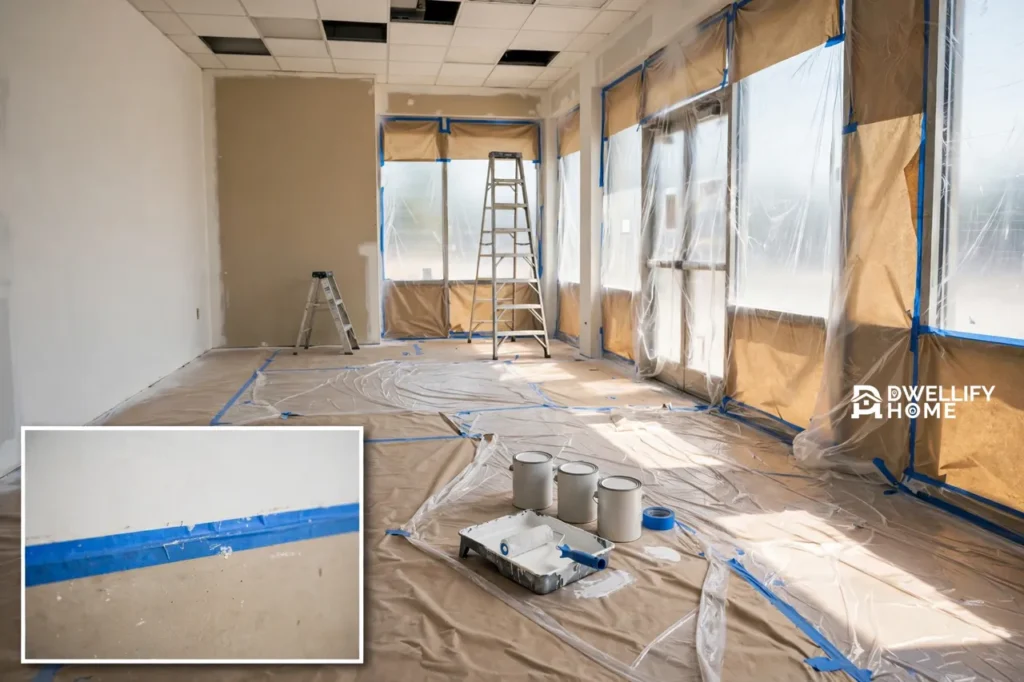
- Detailed surface preparation before painting begins
The goal is not only appearance but also long-term protection and functionality.
Why Commercial Painting Matters for Business Properties
A well-maintained property sends a message before anyone even speaks to your staff. Walls, ceilings, and exterior surfaces are part of that message.
Over time, buildings naturally face wear from sunlight, moisture, dust, and daily activity. Paint begins to fade, peel, or stain. This can make a property look older or poorly maintained, even if the business itself is running smoothly.
Commercial painting helps solve this by:
- Refreshing worn or outdated surfaces
- Protecting walls from damage and moisture
- Improving customer perception
- Supporting a clean and organized work environment
For example, a retail store with bright, clean walls often feels more welcoming than one with faded or scuffed surfaces. Small visual changes can influence how customers behave inside the space.
How Commercial Painting Projects Are Planned
A successful project always starts with planning. Without it, delays and unexpected costs become common.
Most contractors follow a structured approach:
Site inspection
The team checks surface condition, damage levels, accessibility, and safety concerns.
Surface preparation
This step includes cleaning, sanding, patching, and priming. It is often the most time-consuming part.
Scheduling
Work is planned around business hours to reduce disruption. Some projects happen at night or on weekends.
Painting application
Depending on the surface, painters may use rollers, sprayers, or specialty equipment.
Final inspection
The area is reviewed for consistency, missed spots, or touch-ups.
Each stage plays a role in the final result. Skipping preparation or rushing timelines often leads to early paint failure.
Common Areas That Need Commercial Painting
Different buildings have different needs, but some areas usually require attention more often than others.
Office interiors
Walls in offices experience scuffs, chair marks, and fading from lighting. Neutral tones are often preferred for a calm work environment.
Retail spaces
Stores need visually appealing interiors that match branding. Color choices can influence customer behavior.
Industrial buildings
Warehouses and factories often require protective coatings that resist dust, chemicals, and moisture.
Exterior surfaces
Outside walls deal with weather, UV rays, and pollution. This makes exterior painting essential for long-term protection.
Each environment requires different materials and techniques to get lasting results.
Choosing the Right Paint for Commercial Spaces
Paint selection is one of the most important decisions in any project. It affects durability, appearance, and maintenance needs.
Here are a few common types:
Flat or matte finishes
Used in low-traffic areas like ceilings. They hide imperfections but are harder to clean.
Eggshell and satin finishes
Common in offices and hallways. They offer a balance between appearance and cleanability.
Semi-gloss and gloss finishes
Best for high-moisture or high-touch areas like kitchens, bathrooms, doors, and trim.
In many commercial environments, durability matters more than appearance alone. A slightly higher upfront cost often saves money over time.
Interior vs Exterior Commercial Painting
Interior and exterior painting may seem similar, but they face very different challenges.
Interior painting
Interior work focuses on comfort, cleanliness, and air quality. Low-odor and low-VOC paints are often used in offices, schools, and healthcare facilities.
Key concerns include:
- Fast drying time
- Minimal disruption
- Clean finish under indoor lighting
Exterior painting
Exterior surfaces deal with harsh conditions like rain, sunlight, and temperature changes.
Key concerns include:
- Weather resistance
- UV protection
- Long-lasting adhesion
- Waterproofing
Using the wrong type of paint for either environment often leads to early wear and extra maintenance costs.
What Affects the Cost of Commercial Painting?
Pricing is not fixed because every building is different. Several factors influence the final cost:
- Size of the property
- Condition of existing surfaces
- Type of paint or coating used
- Height and accessibility of walls
- Amount of preparation work required
- Project timeline and urgency
For example, a simple office repaint with clean walls will cost less than a warehouse that needs rust removal and epoxy coating.
It’s always better to focus on value and durability instead of only choosing the lowest quote.
How to Identify a Reliable Painting Contractor
Choosing the right contractor makes a major difference in the outcome. A skilled team not only paints but also understands surface systems, safety rules, and project coordination.
Here’s what to look for:
- Proven experience in commercial projects
- Clear communication and written estimates
- Proper insurance and licensing
- Knowledge of safety procedures
- Strong references or past work examples
A good contractor will also explain the process in simple terms instead of rushing into the job.
Maintenance After Commercial Painting
Once a project is complete, maintenance helps extend the life of the paint job. Even high-quality coatings need basic care over time.
Simple maintenance steps include:
- Regular cleaning of walls and surfaces
- Quick repair of small cracks or chips
- Monitoring moisture or leak issues
- Touch-ups in high-traffic areas
Ignoring small issues often leads to larger repairs later. Preventive care always costs less than full repainting.
A Practical Look at Long-Term Value
Commercial painting should be viewed as an investment, not just an expense. A well-maintained building can improve employee morale, customer trust, and even property value.
For example, businesses that maintain clean and modern interiors often find that clients feel more confident entering the space. It creates a sense of order and professionalism without saying a word.
That is why many property managers schedule regular repainting cycles instead of waiting for visible damage.
For those planning a renovation or maintenance schedule, professional services like can help ensure the work is done with proper materials and planning from the start.
Final Thoughts
Commercial painting is more than surface improvement. It supports how a business is perceived and how a building performs over time. From surface preparation to paint selection and long-term maintenance, every step affects the final outcome.
A well-executed project doesn’t just change how a space looks. It helps protect the structure, reduce maintenance issues, and create a more professional environment for everyone who uses it.
Taking time to choose the right approach, materials, and contractor makes a noticeable difference that lasts for years.
Before you move on, be sure to browse our other helpful guides! Please note that some links within this article may be affiliate or sponsored. Should you choose to purchase through these links, we may receive a small commission at no additional charge to you. Views and opinions are those of the author alone and not officially endorsed by Dwellifyhome.com.