
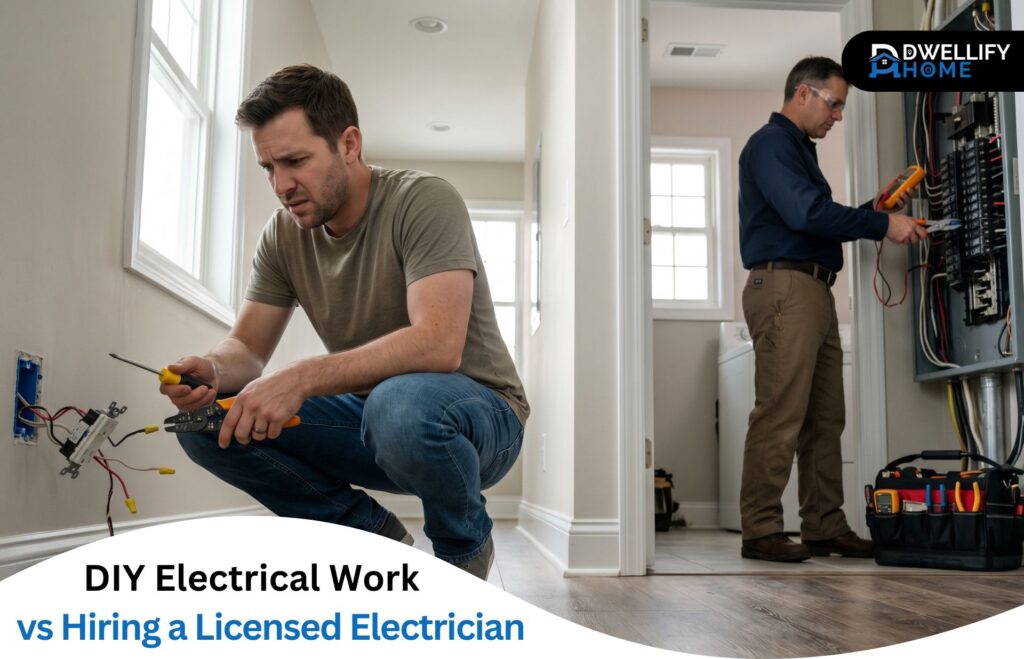
Electricity runs almost everything inside a modern home, from the lights above your head to the fridge keeping your food fresh. So when a switch stops working or an outlet starts acting up, the question hits fast: tackle it yourself or pick up the phone? The rise of weekend projects and online tutorials has pushed more people toward DIY repairs, but electrical work sits in a category of its own where small slips can turn into real trouble.
Plenty of homeowners begin researching repair options and quickly stumble across electrical contractors while weighing their next move. Calling in a pro might feel like an extra cost on paper, yet it usually turns out to be the smarter and safer route once you factor in everything that can go wrong. Knowing where the line sits between safe DIY and risky territory matters before you ever pick up a screwdriver.
Understanding the Risks of Electrical Work
Electricity doesn’t give second chances. Painting a wall the wrong shade is fixable, but a wiring mistake can lead to consequences that are far harder to undo:
- Severe shocks or electrocution
- House fires sparked by faulty connections
- Burned-out appliances or damaged circuits
- Failed inspections and code-related penalties
Fire safety reports consistently list electrical malfunctions among the top causes of residential fires. That single fact alone explains why every wire, breaker, and panel deserves a careful, informed approach.
What DIY Electrical Work Usually Involves
Home electrical projects cover a wide spectrum, from quick swaps to involved installations. The tasks homeowners most often try on their own include:
- Replacing light fixtures
- Mounting ceiling fans
- Swapping out outlets or switches
- Resetting tripped breakers
These jobs sound simple, and many of them are, but each still calls for a working grasp of how circuits behave, basic safety steps, and what your local code allows.
When DIY Electrical Work Can Be Safe
Some electrical tasks fall comfortably within reach of a careful homeowner, as long as the right precautions are followed and you’re not improvising as you go.
Replacing Light Bulbs or Fixtures
Changing a bulb or putting up a basic light fixture sits at the low-risk end. Flip the breaker off first, confirm the power is dead, and the job becomes routine.
Resetting a Tripped Breaker
A breaker that trips once in a while is normal, and resetting it is perfectly safe. But if it keeps tripping, that’s the system telling you something deeper is off, and guessing won’t fix it.
Installing Battery-Operated Devices
Smoke alarms, thermostats, and smart home gadgets that run on batteries don’t require any direct wiring. These projects are well within DIY territory.
Minor Outlet or Switch Replacements
Replacing a standard outlet or light switch is doable if you understand the basics of how they’re wired and you respect the safety steps.
Important reminders for any of these tasks:
- Cut power at the breaker before touching anything
- Use the right tools, not whatever is in the kitchen drawer
- Recheck every connection before restoring power
- Follow the instructions that came with the part
When DIY Electrical Work Is NOT Safe
Some jobs simply belong in the hands of someone who has trained for them. Trying to muscle through these without proper certification puts both your home and your safety on the line.
Electrical Panel Work
The panel is the nerve center of your entire electrical system. A wrong move here can knock out power, ignite a fire, or cause a serious injury within seconds.
Wiring New Circuits
Running a new circuit isn’t just about pulling wire through a wall. It involves load calculations, the right gauge of wire, proper grounding, and code compliance.
Major Installations
Bigger projects belong with professionals only:
- Rewiring an entire home
- Installing a backup generator
- Upgrading your service panel capacity
These are heavily regulated and require permits, inspections, and hands-on expertise.
Troubleshooting Hidden Issues
When you can’t see the cause behind a flickering circuit or random outage, taking apart walls and outlets can make the problem worse, or unsafe to be near.
The Hidden Dangers of DIY Electrical Work
Even small jobs can carry risks that aren’t obvious until something goes wrong.
Improper Wiring
Loose terminals or reversed connections quietly heat up over time and become fire hazards behind the wall.
Overloaded Circuits
Plugging too much into one circuit forces it past its limit. The breaker may trip, or worse, wiring inside the wall can overheat.
Code Violations
Local electrical codes exist for good reasons. Work that doesn’t meet them can fail inspection, hurt your home’s resale value, or result in fines.
Insurance Issues
If unlicensed electrical work leads to a fire or damage, your insurance company may refuse the claim entirely. That risk alone outweighs most savings.
Benefits of Hiring a Licensed Electrician
Bringing in a professional isn’t only about convenience. It’s a decision rooted in safety, accuracy, and the long-term health of your home.
Expertise and Training
Licensed electricians complete years of training, apprenticeship, and certification. They’ve already seen the kind of problems most homeowners only encounter once.
Code Compliance
Pros know the codes inside out and make sure every connection passes inspection, which protects you legally and physically.
Proper Tools and Equipment
Specialized testers, meters, and insulated tools allow electricians to work both safely and efficiently. These aren’t tools most households own.
Accurate Problem Diagnosis
Rather than swapping parts and hoping for the best, a trained electrician traces the problem to its source and fixes the actual cause.
Long-Term Cost Savings
DIY can look cheaper at the start, but a single mistake often costs far more to repair than the original service call would have. Professional work tends to pay for itself.
Cost Comparison: DIY vs Professional Work
Saving money is the usual reason homeowners reach for the toolbox, but the math isn’t always as friendly as it looks.
DIY costs typically include:
- Tools, parts, and materials
- The hours you spend learning and working
- The price of fixing mistakes when they happen
Professional costs cover:
- Labor by a trained technician
- Years of experience applied to your specific problem
- Workmanship guarantees and warranty protection
A modest upfront investment in professional service often prevents the kind of damage that drains thousands later, especially when hidden faults are involved.
How to Decide: DIY or Hire a Pro?
Before starting any electrical task, run through these honest questions:
Do I really understand this job? A short video isn’t the same as actual training.
How risky is this specific task? Replacing a fixture is one thing. Touching a panel is another.
Do I have the proper tools? Using the wrong equipment increases both injury risk and the chance of getting it wrong.
What happens if I mess it up? If the worst-case outcome is a fire, shock, or major damage, that answer is your decision.
Real-Life Scenarios
Scenario 1: Flickering Lights DIY fix: Tighten the bulb or replace the fixture. Call a pro if: It keeps happening, which often points to wiring trouble upstream.
Scenario 2: Dead Outlet DIY fix: Reset the breaker or swap in a new outlet. Call a pro if: Multiple outlets stop working or you spot scorching.
Scenario 3: Frequent Breaker Trips DIY fix: Unplug a few devices and lighten the load on that circuit. Call a pro if: It still trips, which can mean an overloaded line or damaged wiring inside the wall.
Safety Tips for Homeowners
Whether the job stays in your hands or goes to a professional, safety habits never change.
- Cut power at the breaker before any work
- Use insulated, well-maintained tools
- Stay out of damp or wet conditions
- Wear protective gloves and eyewear
- Keep someone nearby in case something goes wrong
- Test wires with a voltage tester before contact
Warning Signs You Need a Professional Immediately
Pick up the phone and bring in a licensed electrician the moment you notice any of these:
- A burning or melting smell near outlets
- Sparks, popping, or buzzing sounds
- Outlets that feel warm or look discolored
- Repeated outages with no clear cause
- A small shock when touching plugged-in appliances
These aren’t minor annoyances. They’re early signs of fire or electrocution risk, and they need eyes and hands that know what to look for.
The Bottom Line
DIY electrical work can be perfectly fine for small, well-understood tasks, but its safe range is narrower than most people assume. The bigger the job, the higher the stakes, and electricity isn’t a place to learn through trial and error.
A licensed electrician gets the job done correctly, safely, and in line with the codes that protect your home and family. DIY may stretch your budget further on simple fixes, but the risks usually outweigh the savings the moment things move past the basics.
The smartest move is recognizing where your skills end. When the situation feels uncertain, lean on a professional, because with electricity, safety has to come before everything else.
Hope you enjoyed reading! Take a look at our other useful articles before you click away. Please keep in mind that some links in this post may be affiliate or sponsored, meaning a small commission may be earned if you make a purchase. These commissions help us keep Dwellifyhome.com up and running. The opinions expressed are those of the author alone and do not necessarily reflect the views or policies of Dwellifyhome.com.