Farmers face constant pressure to keep equipment, crops, and livestock organized without wasting time or space. A messy farm loses money through misplaced tools, spoiled harvests, and inefficient daily routines. Agricultural steel frame structures offer a practical answer to these common problems. These structures change how a farm operates by providing clear zones for different tasks. Steel buildings bring order to the chaos of farm life with their open floor plans and durable materials. This article explains five ways that steel frame construction improves farm organization.
Clear Zones for Work and Storage
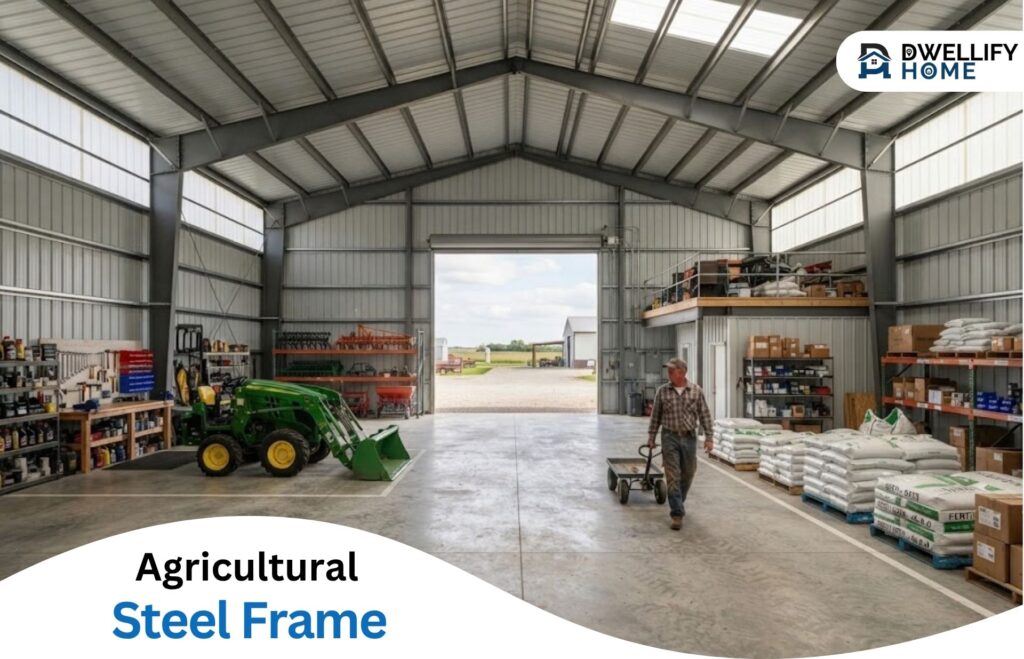
A steel frame building allows a farm to divide tasks into separate, logical areas. One section of the building can hold heavy machinery, while another corner stores feed or seed bags. Walls inside the structure are easy to add or remove, so the farmer decides the layout. This separation, offered by agricultural steel frame buildings, prevents cross-contamination between chemical sprays and animal bedding. Workers move faster when they know exactly where to find a tractor part or a bale of hay. Steel buildings turn a pile of random supplies into an orderly system of zones.
Protection Against Weather and Pests
Weather damage ruins organized plans quickly when rain soaks through a wooden barn roof. Steel frames resist rot, mold, and termite attacks that break down traditional farm structures. A tight seal around doors and roof panels keeps moisture out of valuable grain storage areas. Rodents struggle to chew through steel walls, so feed stays safe inside locked metal bins. The building protects equipment from rust caused by damp wooden walls. This defense means less time spent repairing damage and more time for productive farm work.
Easy Access With Open Floor Plans
Wooden post and beam barns have support columns that block pathways and limit movement. Steel frame buildings remove those obstacles with wide span trusses that hold up the roof without interior poles. A farmer drives a combine harvester straight through the center of the building without turning or backing up. Large sliding doors on both ends create a drive-through layout for quick loading and unloading. Workers move pallets and tools on forklifts without dodging posts or low beams. This free flow of traffic saves hours each week during harvest season.
Long-Term Cost Savings
Wood buildings need paint, roof patches, and wall repairs every few years as materials age. Steel frames carry a much lower maintenance demand because galvanized metal resists cracks and warping. Insurance companies often offer lower premiums for steel agricultural buildings due to their fire resistance. A farmer avoids replacement costs for decades since steel does not decay like timber. The initial price of steel construction pays for itself through reduced repair bills and longer service life. These savings free up cash for other farm improvements like new irrigation lines or planting equipment.
Scalable Design for Growing Farms
A successful farm rarely stays the same size from one year to the next. Steel buildings attach to each other with bolt-together frames that make expansion simple. The farmer adds another bay onto a hay storage shed without tearing down existing walls. Extra lean-to sections go up along the sides for animal shelter or tool racks. This modular growth avoids the cost of building a second structure from scratch. The farm grows in an organized way without losing past investments in older buildings.
Agricultural steel frame buildings solve the organizational problems that plague working farms every day. Low maintenance needs and modular expansion make steel a smart financial choice for the long run. Any farm looking to bring order to daily operations should consider steel frame construction as a reliable answer.
Some of the links you see in this article may be provided through affiliate or sponsored partnerships. Dwellifyhome.com may earn a small commission when qualifying purchases are made through these links, at no additional cost to the reader.