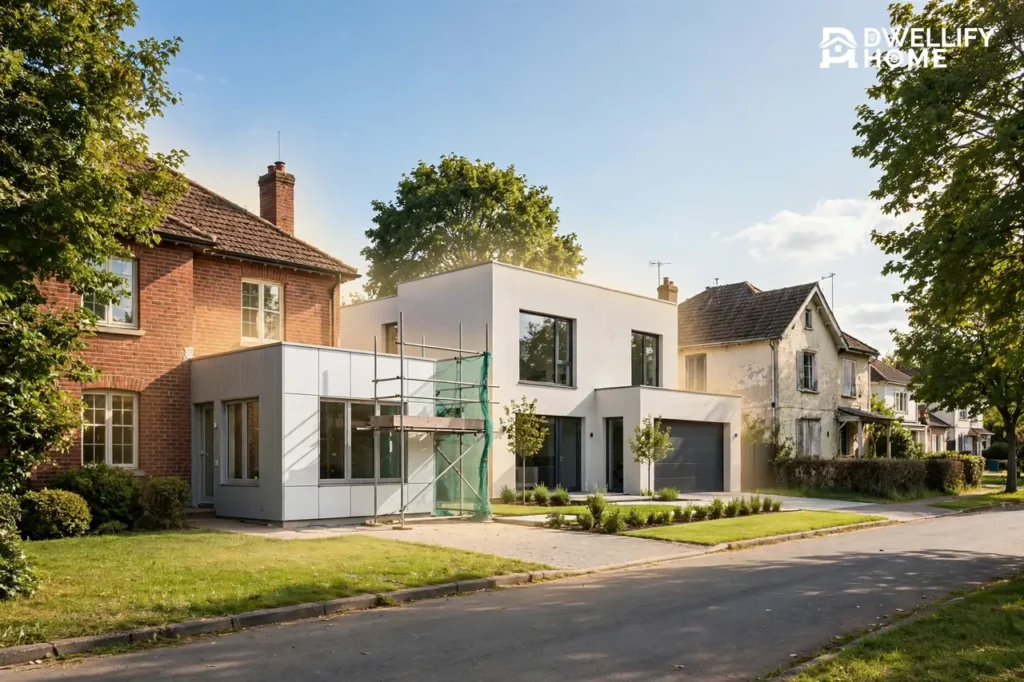
Small homes and toddlers make an awkward pair. The toys spread from the sofa to the hallway, the living room floor becomes a hazard after dark, and the adults end up with no corner of the place that is theirs. A toddler play corner solves most of that with a few square feet and a little discipline: one defined spot where play happens, with everything the child needs within reach and everything else put away.
The trick is not finding more space but using a small patch of it deliberately. A rug, a low shelf and a short list of toys do more for daily peace than a whole playroom, because the corner sits in the room where the family actually is. The steps below cover where to put it, what to keep in it and how to stop it swallowing the apartment.
The Case for a Toddler Play Corner Over a Playroom
Separate playrooms sound like the goal, but in a small home they rarely get used. Toddlers want to play where the adults are, so a room down the hall sits empty while the toys migrate back to the kitchen. A play corner in the living room works with that instinct rather than against it: the child is in view, the adult can cook or answer email, and the mess has a boundary.
The corner also forces good decisions. Limited space means fewer toys on display, which usually means longer play with each one, and it means furniture has to earn its place. The same thinking that drives Dwellify’s guide to small living room furniture ideas applies here: choose pieces that are scaled to the room and that do two jobs, and keep the floor as open as you can.
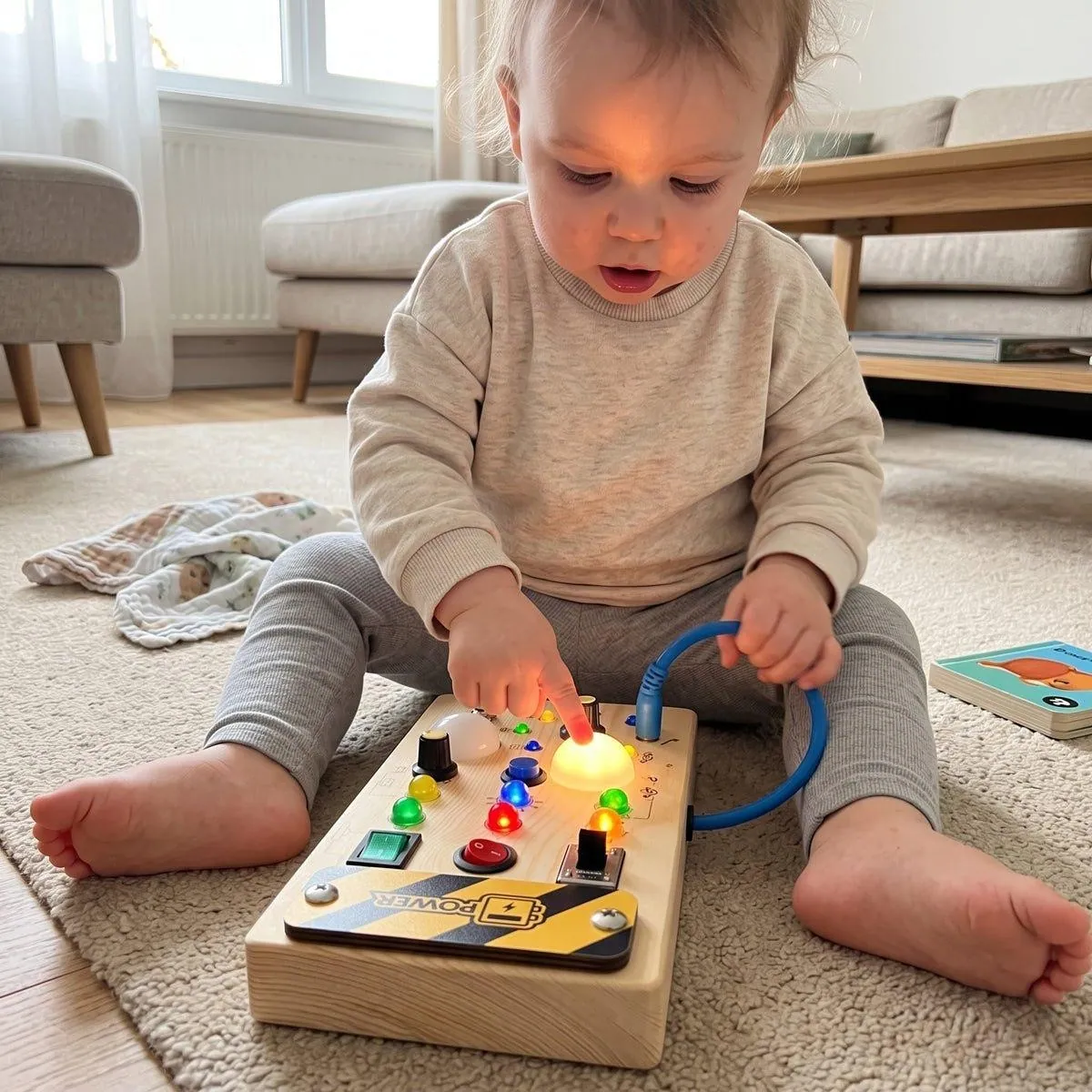
Six Steps to Set Up a Toddler Play Corner
Setting up the corner takes an afternoon. The order matters a little, because the spot you choose decides the rug size, and the rug decides how much storage fits beside it.
Pick a Spot You Can See From the Kitchen
Line of sight is the first rule of a toddler play corner. Choose a corner of the living room or dining area that you can watch while doing something else, away from the television, radiators and any window with a blind cord. Natural light helps, and a wall on two sides gives the corner edges without adding furniture.
Mark the Edges With a Rug
Rugs do the job that walls do in a playroom. Something around four feet square is enough for one toddler, and a washable, low-pile rug in a color that hides crumbs will outlast a fluffy one. The rug tells the child where play lives, and after a few weeks you will see them carry toys back onto it without being asked.
Keep Storage Low and Open
Toddlers use what they can see and reach. A two-shelf cube unit or a low bookcase against the wall, with open bins at floor level, lets the child choose and put away on their own. Anything above their eye line turns into clutter you manage for them.
Choose Fewer Toys With More in Them
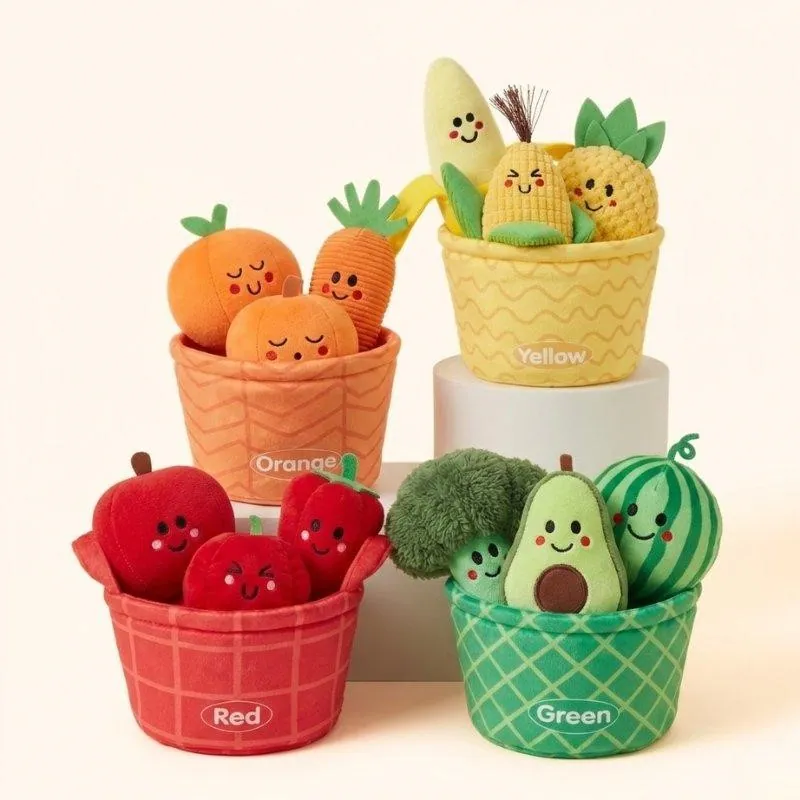
Six to eight toys on the shelf is plenty, and the best of them pack several activities into one piece so nothing spills across the floor. Sensory play is easy to fit in this way: brands such as Toddla design sensory toys for toddlers like a sorting set of crinkly plush fruit and vegetables with four color-coded baskets, which gives a child textures, colors and a sorting game in something that tidies into one basket in seconds.
Rotate the Toys, Not the Corner
Keep the rest of the toys in a closet or under the bed and swap three or four into the corner every couple of weeks. The corner stays small, the child treats returning toys as new, and you never need more shelf space than you started with.
End Each Day With a Two-Minute Reset
Play corners survive on the reset: bins back on the shelf, rug clear, done before the lights go down. Toddlers can help from about eighteen months if each bin has one kind of thing in it, and a corner that starts every morning tidy gets used far more than one that starts buried.

Which Toy Storage Keeps a Small Play Corner Tidy?
Storage decides whether the play corner stays a corner. The aim is a home for every toy that the child can operate alone, in furniture that does not read as a nursery when guests arrive. A few options that work in tight rooms:
- Cube shelf laid on its side, with fabric bins in the lower cubes and books up top.
- Storage ottoman that holds blocks and doubles as adult seating.
- Wall rail or shallow picture ledge for books and light felt toys, fixed at toddler height.
- Baskets with a single category each, so sorting is the child’s job rather than yours.
- One lidded box for the rotation stash, kept out of sight.
Drawers and compartments inside larger pieces help too, since a sideboard drawer fitted with organizer trays can hold a week of rotation toys without a visible bin. Dwellify’s piece on hidden storage you will actually use covers how to retrofit that kind of layered storage into furniture you already own.
Safety Checks for a Toddler Play Corner
Before the first toy goes on the shelf, anchor every freestanding unit to the wall, cover the outlets in the corner and run any lamp cords behind furniture or into a cord cover. Nothing on the lower shelves should have small parts if your child is under three, and every toy on offer should match the age range on its packaging rather than the age you expect your toddler to reach next. A rug pad stops the rug sliding on hard floors, and a look at the corner from the child’s eye level shows up anything you missed from standing height.
How Much Space Does a Toddler Play Corner Need
Around sixteen square feet is enough: a four-foot rug, one low shelf beside it and clear floor in front. Most living rooms have that much in a dead corner already, behind an armchair or beside the television unit. The play corner works because it is small, so resist the urge to grow it. Hold the edges, rotate the toys, reset it nightly, and a toddler play corner will carry a small home through the toddler years without the rest of the apartment becoming a playroom by default.
Common Questions About Play Corners for Toddlers in Small Homes
Can a play corner share a room with a home office?
Yes, as long as the two have separate edges. A rug for the child and a desk mat or different flooring zone for the adult keep the roles clear, and the toddler learns which side of the room is theirs.
What age does a play corner suit?
The setup works from the time a child can sit and reach for toys, usually around six months, and stays useful until school age. Simplify the bins for younger children, then add books and puzzles as they grow.
Does the corner need its own lighting?
Not usually, since daylight and the room’s main light are enough for play. A small clip lamp fixed to the shelf helps on dark afternoons, provided the cord is out of reach.
You may notice affiliate or sponsored links throughout this article. These links may generate compensation for Dwellifyhome.com, helping us support our website and continue publishing relevant information for our readers.