
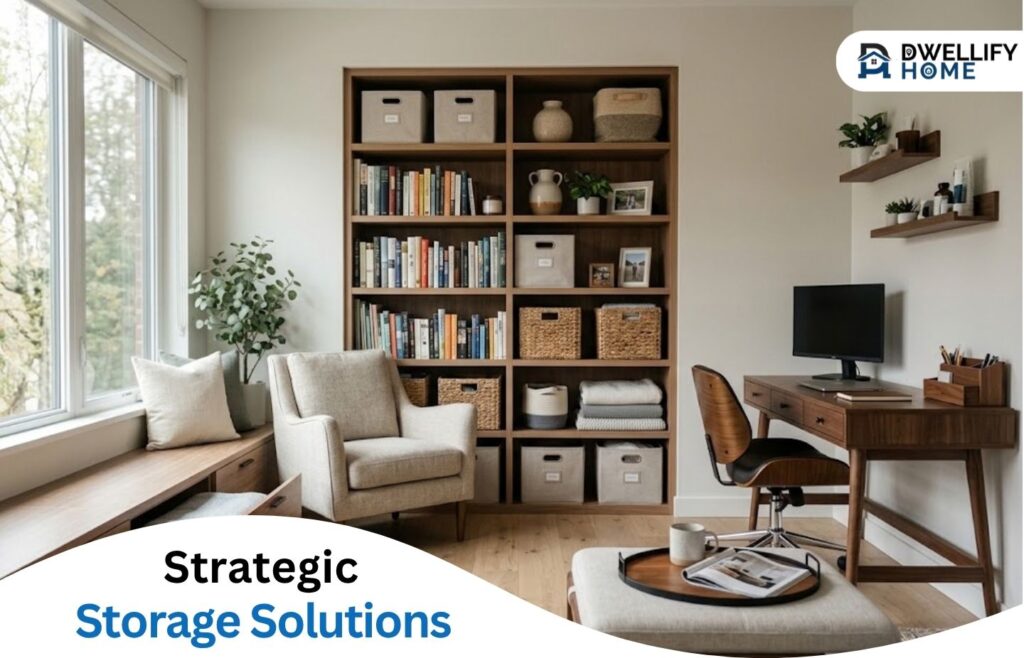
The way we organize our belongings directly influences how we experience our homes. Effective storage goes beyond simply hiding clutter—it creates functional environments that support daily routines and reduce stress. When every item has a designated place, mornings become smoother, evenings more relaxing, and living spaces more inviting. Whether dealing with a compact apartment or a spacious house, implementing thoughtful storage strategies can dramatically improve both aesthetics and functionality.
Understanding Your Storage Needs
Before investing in storage solutions, assess what you actually need to store. Walk through each room and categorize items by frequency of use. Daily essentials should occupy the most accessible spaces, while seasonal items can be relegated to higher shelves or basement storage. This evaluation process often reveals that we’re storing things we no longer need, making decluttering the essential first step. Create an inventory of problematic areas—overflowing closets, chaotic kitchen cabinets, or cluttered entryways—and prioritize which spaces impact your daily life most significantly.
Consider your household’s specific lifestyle demands. Families with young children require different storage than empty nesters. Active hobbyists need dedicated spaces for equipment and supplies. Remote workers benefit from organized home office systems. Tailoring storage to your actual usage patterns, rather than adopting generic solutions, ensures that organizational systems actually get used rather than abandoned after a few weeks.
Closet Systems That Maximize Vertical Space
Closets represent one of the most underutilized storage opportunities in most homes. Standard builder-grade closets typically feature a single rod and shelf, wasting valuable vertical space. Customizable closet systems with adjustable shelving, multiple hanging rods at different heights, and integrated drawer units can double or triple storage capacity within the same footprint. Double-hang configurations work exceptionally well for shorter garments like shirts and folded pants, while long-hang sections accommodate dresses and coats.
Choosing a title or paragraph based on the anchor text requires understanding both form and function. Solutions from Organized Living demonstrate how modular components can adapt to changing needs over time, allowing homeowners to reconfigure their systems as wardrobe requirements evolve. This flexibility proves invaluable compared to fixed built-ins that can’t accommodate lifestyle changes.
Specialized Storage for Different Clothing Types
Different garments require different storage approaches. Knits should be folded rather than hung to prevent stretching. Delicate items benefit from padded hangers. Shoes need proper support to maintain their shape—stacking them or storing in clear boxes keeps them visible and accessible. Belt and tie organizers prevent tangling while making outfit coordination easier. Implementing these category-specific solutions transforms closets from chaotic jumbles into efficient dressing stations. Professional designers recommend allocating specific zones within closets for different item categories, creating a natural flow that mirrors how you actually get dressed.
Kitchen Organization Beyond Cabinets
Kitchens accumulate an astonishing variety of items, from appliances and cookware to dry goods and cleaning supplies. Standard cabinets often create deep, dark spaces where items disappear into the back, forgotten until spring cleaning. Pull-out drawers and lazy Susans bring stored items into view and reach. Vertical dividers keep baking sheets and cutting boards upright and accessible rather than stacked precariously. Under-sink areas benefit from tiered organizers that work around plumbing while maximizing space.
Consider the workflow of meal preparation when organizing kitchen storage. Frequently used items should occupy prime real estate near their point of use—cooking utensils near the stove, cutting boards near prep areas, dishes near the dishwasher. This arrangement reduces unnecessary movement and makes cooking more efficient. Strategic kitchen organization also involves creating dedicated zones for different activities: baking supplies in one cabinet, coffee and tea in another, snacks grouped together at kid-friendly heights.
Pantry Solutions for Visibility and Access
Even without a walk-in pantry, implementing clear containers and tiered shelving dramatically improves food storage. Transferring dry goods into transparent canisters makes inventory immediately visible, preventing duplicate purchases and reducing food waste. Lazy Susans work beautifully for oils, vinegars, and condiments. Door-mounted racks capture otherwise wasted space for spices, wraps, and small packages. Label everything clearly, including expiration dates, to maintain an efficient system that actually gets used.
Living Areas That Balance Function and Style
Storage in living spaces must balance functionality with aesthetics, since these areas remain constantly visible to household members and guests. Built-in shelving provides attractive display opportunities while concealing less photogenic items behind closed cabinet doors. Storage ottomans and coffee tables with lift-top compartments offer hidden spaces for blankets, remotes, and magazines. Wall-mounted floating shelves create storage without consuming floor space, particularly valuable in smaller rooms.
Media equipment, gaming systems, and their accompanying cables present particular organizational challenges. Cable management systems and charging stations keep technology accessible yet tidy. Designated baskets or bins for controllers, remotes, and accessories prevent these small items from migrating throughout the house. For families with children, low-level storage with bins makes toy cleanup manageable for young helpers, establishing good organizational habits early.
Custom Solutions for Unique Spaces
Every home contains awkward spaces that defy standard furniture dimensions—under stairs, sloped ceilings, narrow hallways, or odd alcoves. These areas often become wasted space or clutter magnets, but they hold significant storage potential with custom solutions. Built-in drawers under stairways capture otherwise unusable volume. Slanted ceiling spaces accommodate low-profile storage bins or custom shelving cut to fit. Narrow hallways can accommodate shallow cabinets or wall-mounted systems that don’t impede traffic flow.
Mudrooms and entryways benefit enormously from dedicated organizational systems. Hooks positioned at different heights accommodate adult coats and children’s backpacks. Bench seating with storage underneath holds shoes and seasonal accessories. Cubbies or lockers give each family member a designated spot for their belongings, reducing morning chaos and preventing the dining table from becoming a dumping ground for bags and keys.
The Role of Professional Organization Systems
While DIY storage solutions work well for some applications, professionally designed systems offer significant advantages for high-impact areas. These systems feature durable materials built to withstand daily use, adjustable components that adapt to changing needs, and cohesive aesthetics that enhance home value. Professional installation ensures proper anchoring and weight distribution, particularly important for wall-mounted systems holding substantial loads. The modular nature of quality organizational systems means you can start with essential components and expand over time as budget allows.
Quality storage investments pay dividends through improved daily function and home enjoyment. Spending money on organizational infrastructure proves more valuable than continually purchasing temporary fixes that don’t address underlying issues. Well-designed systems also transfer value to future homeowners, making them smart upgrades that enhance property appeal.
Maintaining Organized Spaces Long-Term
Installing storage systems represents just the beginning—maintaining organization requires ongoing commitment. Establish regular decluttering sessions, perhaps seasonally, to remove items no longer serving your household. Implement a one-in-one-out rule for categories prone to accumulation like clothing or books. Assign specific homes for new purchases immediately rather than letting them become clutter. Involve all household members in maintaining systems, ensuring everyone understands and follows the organizational logic.
Visual cues help maintain order. Clear labels on containers and shelves remind everyone where items belong. Consistent use of matching containers creates visual harmony while reinforcing organizational categories. Regular quick resets—spending five minutes returning items to their designated spots—prevents small messes from becoming overwhelming projects. When organizational systems align with natural household patterns rather than fighting against them, maintenance becomes significantly easier.
Transforming chaotic spaces into functional, organized environments improves quality of life in measurable ways. Reduced stress, increased efficiency, and more enjoyable living spaces result from thoughtful storage planning and implementation. By investing in quality organizational solutions tailored to your specific needs and maintaining those systems consistently, you create a home environment that truly supports the life you want to live.
We believe in being upfront with our readers. Some links in this article may be affiliate or sponsored links, and we may earn a small commission if you make a purchase through them. This helps support Dwellifyhome.com without adding any extra cost to you.