
Our homes are more than just buildings; they are where we spend over 90% of our lives. Because of this, the quality of our indoor environment directly impacts our comfort, health, and well-being. Keeping a home at the right temperature and humidity, known as climate control, is not just about feeling good. It’s also about smart energy use. In fact, nearly 48% of the energy used in U.S. homes goes to heating and cooling. This shows how crucial effective climate control truly is.
In this extensive guide, we will dive deep into home interior and climate control. We will explore its importance for both comfort and energy savings. We will also look at how modern systems enhance indoor air quality and protect your home’s valuable assets. This includes everything from delicate electronics to your beautiful residential flooring installation. We will cover the different types of systems available, the power of smart automation, and the environmental benefits of efficient climate management. Our aim is to give you a complete picture, helping you make informed choices for a healthier, more comfortable, and more valuable home.
At its heart, home climate control involves actively managing your indoor environment’s temperature, humidity, and air quality. It’s about creating a consistent, comfortable atmosphere that adapts to your needs, rather than letting external weather dictate your indoor experience. This goes beyond simply turning a thermostat up or down; it encompasses a sophisticated interplay of technologies designed to optimize your living space.
The primary goal is to achieve thermal comfort, ensuring that occupants feel neither too hot nor too cold. However, the benefits extend far beyond immediate comfort. Effective climate control significantly contributes to energy efficiency, reducing the substantial portion of household energy consumed by heating and cooling. Modern systems are engineered to minimize waste, leading to lower utility bills and a smaller carbon footprint. They also play a vital role in maintaining the structural integrity of your home and protecting your valuable possessions.
How Home Interior and Climate Control Influences Air Quality and Health
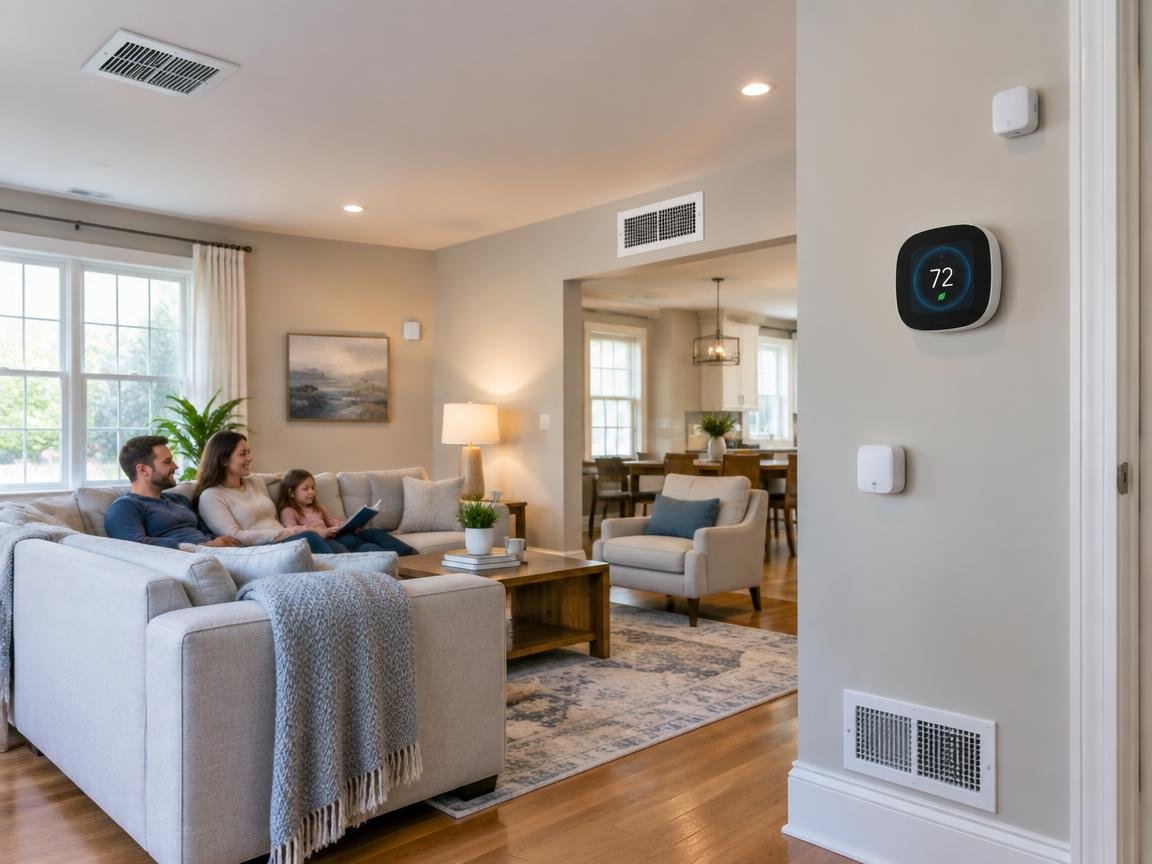
The air we breathe indoors can often be more polluted than outdoor air, a significant concern given how much time we spend inside. Modern climate control systems are pivotal in transforming indoor air quality (IAQ) and safeguarding our health.
One of the most critical functions is air filtration. High-efficiency particulate air (HEPA) filters, often integrated into advanced HVAC units, can capture microscopic particles like dust, pollen, pet dander, and other allergens, significantly reducing their presence in your home. This is particularly beneficial for individuals with allergies or asthma, who may experience fewer symptoms and improved respiratory health.
Humidity regulation is another cornerstone of healthy indoor air. Maintaining consistent humidity levels, typically between 40% and 60%, is crucial for preventing the growth of mold and mildew, which thrive in damp conditions. Mold can trigger allergic reactions, respiratory problems, and even structural damage. Some systems, like RoomMind, can even estimate surface humidity to warn against mold risk. Conversely, excessively dry air can lead to skin irritation, dry sinuses, and static electricity. By balancing humidity, climate control systems create an environment less hospitable to pathogens and more comfortable for occupants.
Beyond allergens and mold, modern systems can also help with VOC mitigation. Some advanced thermostats, such as the Honeywell ElitePRO, can monitor volatile organic compounds (VOCs) and estimated CO2 levels, providing insights into potential indoor pollutants. Proper ventilation balance ensures a steady exchange of stale indoor air with fresh outdoor air, diluting pollutants and maintaining a healthier atmosphere. For a deeper dive into creating a comprehensively comfortable and healthy indoor environment, considering specialized HVAC and plumbing solutions can provide expert guidance and advanced system installations.
Modern System Types and Energy Efficiency
The landscape of home climate control systems has evolved dramatically, offering a diverse array of options tailored to different needs, climates, and budgets. Understanding these types is key to making an informed decision for your home.
Traditional HVAC systems (Heating, Ventilation, and Air Conditioning) remain a popular choice, providing centralized heating and cooling through a network of ducts. However, modern iterations are far more energy-efficient than their predecessors, with some units using up to 40% less energy than models from a decade ago.
Heat pumps are increasingly favored for their dual heating and cooling capabilities and impressive energy efficiency. They work by transferring heat, rather than generating it, making them highly effective in moderate climates. Geothermal heat pumps take this a step further by leveraging the stable temperatures underground, offering exceptional efficiency and reduced operating costs.
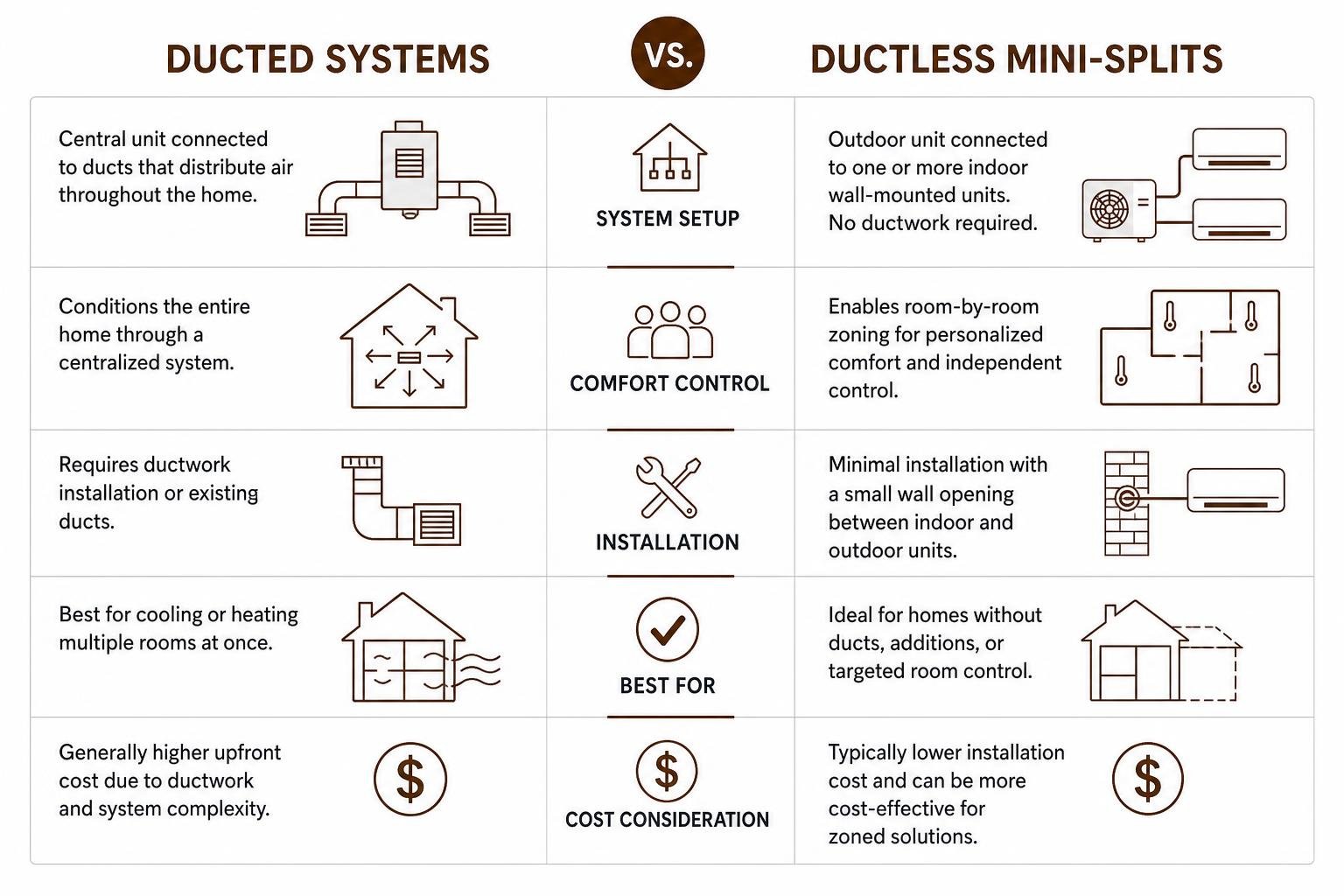
For homes without existing ductwork or those seeking zoned control, ductless mini-split systems are an excellent solution. These systems allow individual rooms or zones to be heated or cooled independently, preventing energy waste in unoccupied areas. Similarly, zoning dampers can be integrated into ducted systems to achieve similar room-by-room control. Radiant heating systems, which warm surfaces directly, provide a comfortable, even heat that many find superior to forced-air systems.
When considering an upgrade or new installation, comparing the different system types is essential. Here’s a brief overview:
Energy-efficient models and smart controls can significantly reduce your utility bills. In fact, energy-efficient HVAC units can cut utility bills by up to 30% compared to older models, making the initial investment a smart long-term decision.
Maximizing Home Interior and Climate Control with Smart Automation
The advent of smart home technology has revolutionized climate control, transforming it from a static, manual process into a dynamic, intelligent system that anticipates your needs and optimizes energy usage.
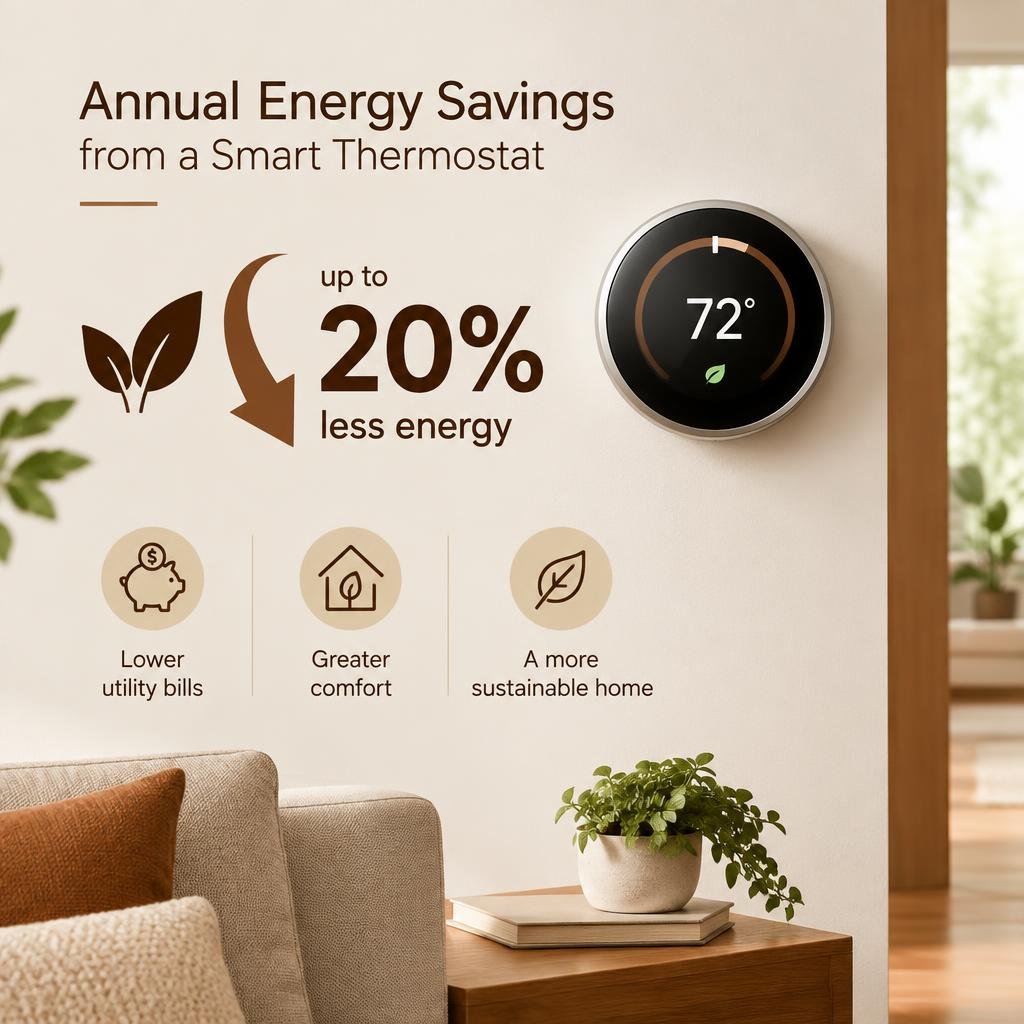
Smart thermostats are at the forefront of this revolution. Devices like ecobee, Honeywell T9, and IQ Air learn your preferences, adapt to your schedule, and can be controlled remotely via smartphone apps. The ecobee Smart Thermostat Enhanced, for example, is ENERGY STAR certified and can save up to 26% on heating and cooling costs. Smart thermostats can save homeowners an average of $150 per year on heating and cooling, demonstrating a clear return on investment. The market for these devices is booming, projected to grow over 20% annually through 2025.
Key features of smart automation include:
Integrating these smart devices—thermostats, blinds, air purifiers, and even humidifiers/dehumidifiers—creates a cohesive system that works in harmony. This not only enhances comfort and convenience but also significantly boosts energy savings and reduces your environmental impact.
Protecting Interior Finishes, Flooring, and Maximizing Home Value
Beyond comfort and energy efficiency, a well-managed climate control system is a silent guardian of your home’s interior. It plays a crucial role in asset protection, preserving everything from delicate electronics and expensive artwork to furniture and, notably, your flooring. This protective function directly contributes to your property appraisal and enhances buyer appeal, making it a significant factor in your home’s overall value and resale potential.
Maintaining stable indoor conditions prevents damage caused by extreme temperature fluctuations and uncontrolled humidity. For instance, electronics are less likely to malfunction in a consistent environment, and wooden furniture is less prone to cracking or warping. A modern HVAC system is consistently ranked as a top three feature by homebuyers, indicating its importance not just for living but also for future investment.
Protecting Flooring and Furnishings through Humidity Management
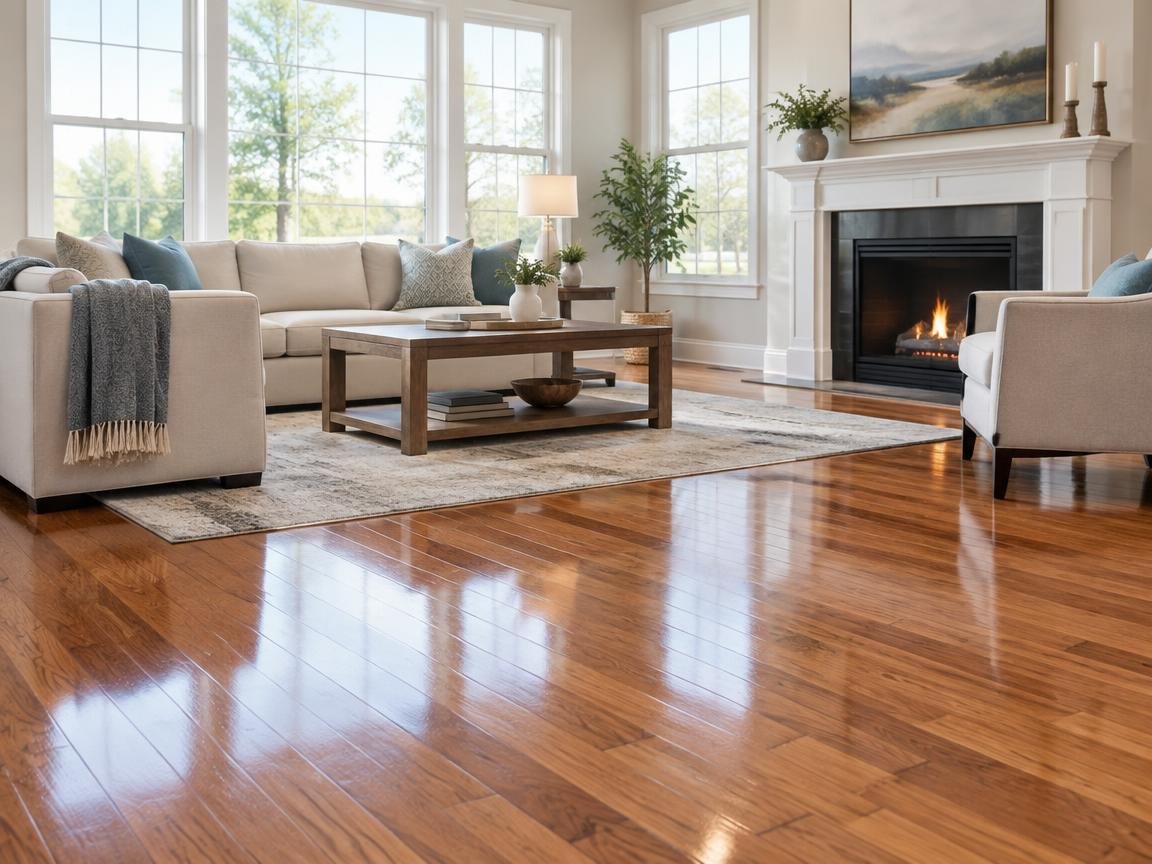
Perhaps nowhere is the impact of climate control more evident than on your home’s flooring and furnishings, especially those made of natural materials like wood. Hardwood stability is highly dependent on consistent humidity levels. When humidity fluctuates wildly, wood expands and contracts, leading to issues like cupping, crowning, gapping, or even cracking. This can be particularly problematic in regions with distinct seasonal changes.
Maintaining a relative humidity between 40-60% year-round prevents these problems, ensuring your hardwood floors remain beautiful and durable for decades. This also extends to other wooden furnishings, preventing them from drying out and splitting or absorbing too much moisture and swelling. For new installations, proper moisture barriers and subfloor protection are critical foundations, working in conjunction with your climate control system to safeguard your investment. Adequate expansion gaps during installation also allow for minor natural movement, but consistent humidity minimizes the stress on the wood.
When it comes to professional flooring upgrades, such as a new residential flooring installation, understanding the role of climate control is paramount for longevity. For existing hardwood floors, proper humidity management is key to their preservation. If you’re considering refinishing your hardwood floors, you’ll find that costs can vary significantly based on factors like the type of wood, the square footage, the chosen finish, and any necessary repairs. In New Jersey, for instance, basic sanding and refinishing might range from $3 to $5 per square foot, while more intricate work or specialized finishes could push that to $6-$10 per square foot or more. It’s an investment that not only restores beauty but also extends the life of your floors, especially when paired with diligent climate control.
Beyond wood, consistent humidity also protects sensitive electronics from static discharge and corrosion, and preserves textiles, art, and other delicate interior elements from degradation.
Integrating Architectural Controls and Shading
Effective climate control isn’t solely about mechanical systems; it also involves smart integration with your home’s architectural elements, particularly windows and shading.
Automated window treatments like smart blinds and shades are increasingly recognized as powerful tools for climate management. These systems can be programmed to adjust based on the time of day, sun’s position, or even integrated with your smart thermostat. For example, during hot summer afternoons, shades can automatically lower to block intense solar gain, significantly reducing the load on your air conditioning system. Conversely, in winter, they can open to allow passive solar heating, then close at dusk to retain warmth.
This strategy contributes to passive cooling and daylight harvesting. By strategically managing natural light and heat, you can minimize the need for artificial lighting and mechanical cooling. Smart window placement and even features like green roofs (though more common in commercial settings) also contribute to naturally regulating indoor temperatures.
Crucially, maintaining a robust thermal envelope is foundational. This involves ensuring adequate insulation in walls, attics, and floors, and meticulously sealing any drafts around windows, doors, and utility penetrations. A well-sealed and insulated home prevents unwanted heat transfer, allowing your climate control system to operate more efficiently and effectively, regardless of how sophisticated your HVAC unit or smart thermostat might be.
Long-Term ROI and Upgrading Conclusion
Investing in a comprehensive home interior and climate control system is far more than a luxury; it’s a strategic decision with significant long-term benefits. The return on investment (ROI) is multifaceted, encompassing financial savings, enhanced quality of life, and increased property value.
The most tangible benefit is utility reduction. Modern HVAC systems use significantly less energy—up to 40% less than models from just a decade ago—and smart thermostats can further optimize this, leading to substantial savings on your monthly heating and cooling bills. These ongoing savings can quickly offset the initial investment.
An upgraded, energy-efficient climate control system also directly impacts your home’s resale value. Homebuyers consistently view a modern, well-maintained HVAC system as a highly desirable feature, often willing to pay a premium for a home that offers superior comfort, lower operating costs, and advanced technology. This can lead to a quicker sale at a higher price, making it a wise investment in your property’s future.
Furthermore, the environmental benefits of energy-efficient climate control systems are undeniable. By consuming less energy, you reduce your household’s carbon footprint. Many modern systems also utilize eco-friendly refrigerants that have a lower impact on global warming, contributing to more sustainable retrofits.

To maximize these benefits, a proactive maintenance strategy is essential. Regularly replacing air filters, scheduling professional tune-ups, and maintaining consistent humidity levels are simple steps that ensure your system operates at peak efficiency and prolongs its lifespan.
As we spend more of our lives indoors, the quality of our home environment becomes increasingly important. By embracing modern home interior and climate control technologies, we not only create spaces that are more comfortable and healthier but also more energy-efficient, valuable, and environmentally responsible. It’s an investment in your well-being, your wallet, and the planet.
We believe in being transparent about how our website is supported. Some links in this article may be affiliate or sponsored links, and qualifying purchases through them may provide Dwellifyhome.com with a small commission.