
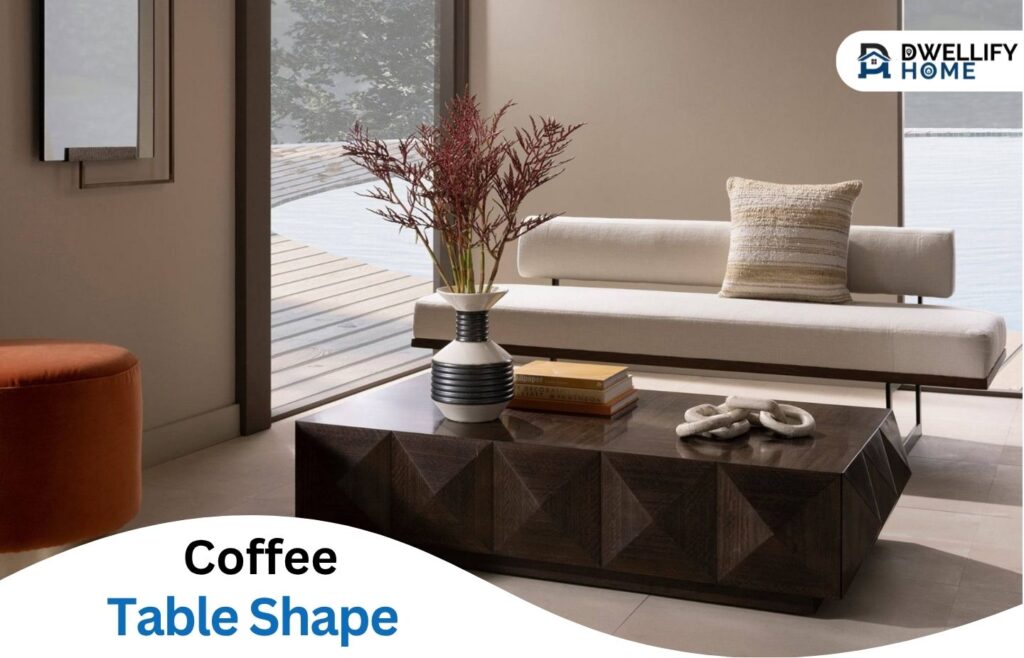
A living room can have comfortable seating and attractive furniture yet still feel awkward around the center. Sometimes, the coffee table’s shape is part of the problem. It influences where people walk, how easily they reach their drinks, and how the seating fits together. Choosing a luxury coffee table starts with understanding that space. The right outline should work with your furniture and daily habits while bringing a sense of balance to the room.
Use Your Sofa as a Starting Point
Look at the sofa before deciding which table shape you prefer. Its length and position help show how much surface you need and where that surface should sit.
A long sofa often pairs comfortably with a rectangular or oval table. Both extend along the seats, giving people at either end somewhere convenient to place a cup or book.
For a sectional, examine the opening between its sides. A fairly square gap may suit a round or square table, while a sofa with a projecting chaise might leave a narrower space. Choose for that opening rather than assuming every sectional needs the same shape.
Round Tables Can Ease Movement
A round table removes the projecting corners that can interrupt movement around a seating area. This can be useful beside an armchair or near the point where people enter the room.
The curved outline also offers a gentle contrast to straight shelves, a rectangular rug, and a boxy sofa. It gives the eye something different to follow without requiring a change in the room’s colors or materials.
Still, check the diameter carefully. A large round table can occupy too much width in a narrow room. Curved edges help at the corners, but the table must still leave enough space across its widest point.
Oval Tables Combine Length With Curves
An oval coffee table can work well when you need a longer surface but want more room around its ends. It follows the direction of a sofa while its curves open up the surrounding corners.
Picture a doorway near one end of the seating area. An oval table may leave a more comfortable route through that spot than a rectangular table of similar length and width.
There is a small compromise in surface space. The curved ends provide less room than full rectangular corners would. If you regularly use the table for games or serving snacks, check whether its usable surface fits those activities.
Rectangular Tables Create a Clear Arrangement
A rectangular table gives a seating area a clear direction. Placed along a straight sofa, it repeats that horizontal line and can help the furniture look settled within the room.
The surface is easy to organize, too. Books can sit at one end while the other remains clear for drinks or everyday use. Its straight edges also make it simple to position alongside a sofa or rug.
Pay attention to depth as well as length. A table may look right against the sofa but reach too far into the opposite walkway. A narrower design can sometimes solve this without losing useful surface along the seats.
Square Tables Suit Wider Seating Areas
Square tables can bring together furniture arranged around an open center. They often suit a broad sectional or a conversation area where chairs face the sofa.
Their equal sides give the center of the room a noticeable presence. There is also room to spread out books, a serving tray, or a game, depending on the table’s dimensions.
That extra depth needs space around it. In a narrow living room, a square table may crowd the route between the seating and nearby furniture. Make sure people can get up comfortably, and avoid choosing such a large surface that objects in the middle become difficult to reach.
Follow the Routes Through the Room
Before settling on a shape, walk through the living room as you normally would. Follow the route from the entrance to the sofa, around the chairs, and toward any nearby doors or cabinets.
Notice where you turn or step sideways. These are the places where a table corner or an overly deep top may become inconvenient. A curved shape might help, although a smaller table could be the more effective adjustment.
When comparing a luxury coffee table with your existing layout, consider its full dimensions alongside its shape. A useful outline still needs suitable proportions. Leave room for everyday movement, including someone passing while another person remains seated.
Think About How You Use the Top
A coffee table should accommodate the things you use regularly. Think about whether it usually holds a single mug, several drinks, magazines, or a board game.
Rectangular and square tops offer more surface than oval and round tops with the same maximum dimensions. That can matter if you need to spread things out. A smaller curved table may be enough when you prefer to keep the center mostly clear.
Arrange objects where they are useful. Keep drinks within reach of the seats and leave space beside decorative pieces. On any table shape, an oversized tray or too many accessories can make a generous surface feel surprisingly cramped.
Balance the Shapes Already in the Room
Look at the outlines around the table. A room filled with straight furniture can benefit from a curved centerpiece, while rounded chairs may look balanced beside a table with cleaner, straighter edges.
The base also changes the effect. A solid round table can look substantial, whereas a rectangular design with slender legs may feel visually lighter because more floor remains visible.
Consider the whole piece rather than expecting shape alone to create a particular mood. Repeating a finish or material elsewhere in the room can connect different shapes without making every item match. The aim is a comfortable relationship between the pieces.
Choose a Shape That Works Every Day
The most suitable coffee table shape depends on the space between your seats, the routes through the room, and what you need the surface to hold.
Before buying, lay out paper or cardboard in the proposed shape and size. Walk around it, sit on the sofa, and check access to nearby furniture. This simple test can reveal an awkward corner or excessive width before the table arrives.
Choose the shape that makes those ordinary movements feel comfortable. It should give the seating a useful center while leaving enough room for the living room to be lived in.
Please note that this article may contain affiliate or sponsored links. Dwellifyhome.com may receive a commission when readers make qualifying purchases through these links. Our editorial content is created independently, and compensation does not determine our opinions or recommendations.