
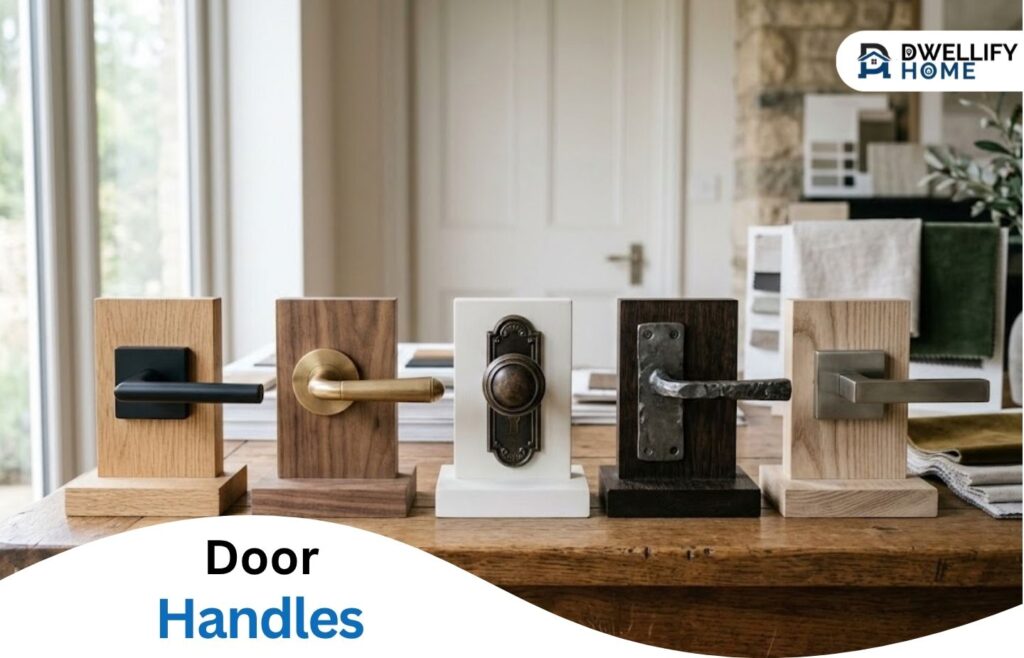
Door handles may be small, but they influence how a room looks and feels every day. Their shape, scale, finish, and weight all contribute to the wider design of a home, especially when doors are visible from several spaces at once. For homeowners who want hardware to feel considered rather than incidental, exploring high end door handles can help clarify which materials, proportions, and forms work best with the architecture and interior style.
Start With the Style of the Home
The architecture should guide the first decision. A traditional home often works well with handles that have more detail, stronger profiles, or classic proportions. Contemporary spaces tend to suit cleaner forms with less ornament, while transitional interiors can combine familiar materials with simpler shapes.
It helps to look beyond the room where the handle will be installed. Doors, trim, cabinetry, lighting, and flooring all contribute to the character of the home. When the handle relates to these elements, it feels like part of the design rather than an isolated finishing touch.
What Shapes Work Best?
The shape of a handle affects both its appearance and the way it feels in the hand. Straight, minimal forms can reinforce a modern interior, while curved or more sculptural profiles may suit spaces with softer architectural details.
Proportion matters as much as shape. A substantial door can carry a larger handle, while a smaller or more delicate door may benefit from something more restrained. Looking at the full door elevation before making a final choice can help prevent the hardware from feeling undersized or overly dominant.
Which Finish Belongs in the Room?
Finish is one of the most visible aspects of door hardware, so it should relate to the rest of the material palette. Warm metals can complement wood, stone, plaster, and neutral paint, while darker finishes may create stronger definition against pale doors and trim.
There is no need to match every metal in the room exactly. In many interiors, a related family of tones feels more natural than a perfect match. The aim is to create continuity between door hardware, cabinet pulls, lighting, plumbing fixtures, and other architectural metalwork.
What Role Does Material Play?
Material affects more than appearance. It also influences weight, touch, durability, and the way the hardware changes over time. Handles made from substantial materials tend to feel more grounded in daily use and can add a sense of permanence to the door.
Bronze is a good example of a material that can bring warmth and depth to an interior. Its surface can develop character as it ages, which may appeal to homeowners who value natural materials and finishes that evolve rather than remain visually static.
Which Handle Fits the Way the Door Is Used?
The right handle should support the function of the door as well as its appearance. A frequently used family-room door may benefit from an easy-to-grip lever, while a formal or less frequently used space can accommodate a more decorative choice.
Privacy needs also matter. Bedrooms and bathrooms may require locking functions, while passage doors do not. Exterior doors introduce further considerations related to security and exposure. Thinking about these practical requirements early helps narrow the choices before finish and style decisions become overwhelming.
What Works Across the Whole Home?
Choosing hardware one room at a time can lead to a fragmented result. A more cohesive approach starts with a general hardware language for the home, then adapts it to different spaces.
This does not mean every door needs the same handle. Entry doors can have greater presence, while secondary rooms may use simpler forms. Keeping the finish, material, or general design language related creates continuity without making the interior feel repetitive.
Which Details Should Be Coordinated?
Handles rarely appear alone. Hinges, backplates, locks, door stops, and other accessories all contribute to the finished look. These pieces should be considered together so the door reads as one complete composition.
Visible hinges are especially important because a mismatched finish can interrupt an otherwise cohesive design. The same applies to locks and plates that sit close to the handle. Small differences can be effective when intentional, but random variation tends to make the door feel less resolved.
What Will Still Feel Right Years From Now?
Door hardware usually stays in place far longer than paint colors, cushions, or decorative accessories. It makes sense to choose pieces that feel connected to the architecture rather than tied too closely to a short-lived trend.
Material quality, comfortable proportions, and a finish that works with the wider home are all useful guides. When these qualities are considered together, the handle can remain relevant even as furniture and decoration change around it.
The most successful door hardware balances appearance, touch, and everyday function. When the shape suits the architecture, the finish belongs to the material palette, and the scale feels right on the door, the result becomes part of the home rather than an accessory added at the end.
We want to keep things transparent with you. Some of the links in this article may be affiliate or sponsored links. If you purchase through one, we may receive a small commission at no extra cost to you. This helps us continue bringing you helpful content.