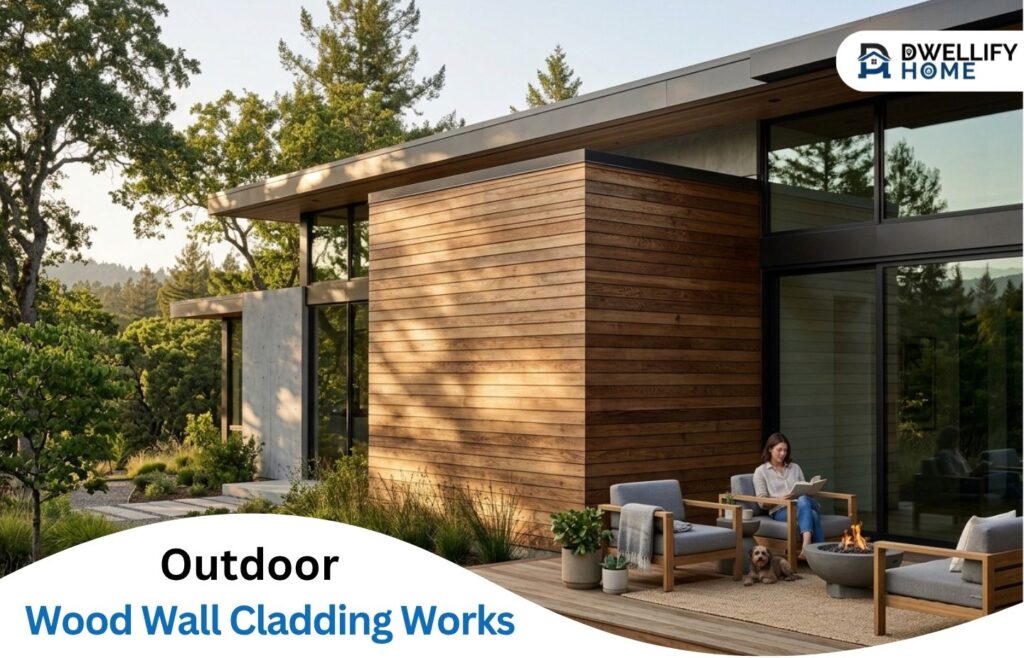
Modern architecture often combines clean lines and practical materials with natural textures. Wood remains a popular choice because it can soften the appearance of contemporary buildings while adding warmth and visual interest.

Outdoor wood wall cladding provides a way to introduce timber to exterior walls without relying solely on traditional finishes such as brick, concrete, or painted surfaces. It can be used on residential homes, commercial buildings, hospitality venues, extensions, and other architectural projects.
However, exterior wood is exposed to weather conditions that can affect its appearance and performance. Choosing an appropriate cladding product, planning the wall system properly, and following suitable installation and maintenance practices are therefore important. For more information on suitable options and applications, visit woodywalls.com/exterior-wall-panels/ .
Creating a Modern Exterior With Natural Materials
One of the main advantages of wood cladding is its ability to bring a natural finish to contemporary architecture.
Modern buildings often feature materials such as glass, concrete, steel, and stone. Adding timber creates a contrast between these harder surfaces and the natural grain of wood.
The result can be a facade that feels more balanced without compromising the clean appearance associated with modern design.
Wood can also be used selectively rather than across an entire building. Feature walls, entryways, balconies, upper levels, and recessed areas can all provide suitable locations for timber cladding.
Different Installation Patterns
The direction and arrangement of outdoor wood wall cladding can significantly influence the appearance of a building.
Vertical boards can emphasise the height of a structure and create a more streamlined appearance. Horizontal boards can make a wall appear broader and are commonly associated with residential and contemporary designs.
Some projects use narrower boards with consistent spacing, while others use wider panels or more pronounced profiles.
The choice should take into account the architectural design, surrounding materials, drainage requirements, and installation system.
Choosing the Right Timber or Cladding Product
Outdoor applications require materials that can withstand exposure to the environment.
Different timber species have different levels of natural durability, dimensional stability, and resistance to moisture and decay. Some may require additional treatment or protective finishes to perform effectively outdoors.
Manufactured cladding products may also be designed specifically for exterior use, providing alternative options for projects where traditional timber is not preferred.
Before selecting a product, check its intended application, durability characteristics, installation requirements, and maintenance recommendations.
The local climate should also be considered, particularly in areas with high humidity, heavy rainfall, or significant temperature changes.
Managing Moisture and Drainage
Moisture management is one of the most important considerations when installing wood cladding outdoors.
Water should be able to drain away from the wall rather than becoming trapped behind the cladding. Adequate ventilation behind the cladding can also help manage moisture within the wall assembly.
The design should account for areas where water may collect, including joints, corners, openings, and horizontal surfaces.
Correct flashing and detailing around windows and doors are also important.
A well-designed cladding system helps protect both the timber and the underlying wall structure.
Protecting Wood From Sun and Weather
Outdoor wood naturally changes when exposed to sunlight and weather.
Ultraviolet radiation can cause timber to change colour over time. Depending on the species and finish, wood may gradually become lighter or darker or develop a weathered appearance.
Some property owners prefer this natural ageing process, while others want to maintain the original colour.
Protective coatings can help manage the appearance and provide additional surface protection. However, coatings have their own maintenance requirements and may need to be reapplied periodically.
Understanding how a particular product is expected to weather can help avoid surprises after installation.
Combining Wood With Contemporary Materials
Outdoor wood wall cladding works particularly well when paired with other architectural materials.
For example, timber can be positioned beside concrete to create contrast, used around large glass openings to add warmth, or combined with metal elements for a more industrial appearance.
Stone and brick can also work alongside timber, particularly when the design aims to combine natural textures.
The key is to consider the relationship between colours, textures, proportions, and installation patterns.
A relatively small amount of timber can have a strong visual impact when positioned strategically.
Considering Durability and Maintenance
Choosing a cladding product based solely on appearance can create problems later.
Outdoor wood needs to cope with environmental exposure, and maintenance requirements can vary significantly between products.
Some timber cladding systems require periodic cleaning and recoating, while others are designed to weather naturally.
Regular inspections can help identify issues such as loose boards, damaged finishes, moisture-related deterioration, or problems around fixings.
Following the manufacturer’s maintenance instructions can help extend the useful life of the cladding.
Installation Quality Makes a Difference
Even a high-quality cladding product can experience problems when installed incorrectly.
The supporting structure, fixing system, board spacing, ventilation, drainage, and allowance for natural timber movement all need to be considered.
Wood can expand and contract as moisture levels change. Appropriate detailing helps accommodate this movement and reduces the risk of cracking, warping, or excessive gaps.
Installers should follow the product manufacturer’s instructions and relevant building requirements.
For larger architectural projects, using an experienced cladding contractor can provide additional assurance that the system is installed correctly.

Is Wood Cladding Suitable for Every Building?
Outdoor wood wall cladding can work across many architectural styles, but it is not automatically suitable for every building or location.
The building’s exposure, wall construction, local weather, fire requirements, maintenance expectations, and project budget should all be considered.
Some areas may also have specific requirements concerning external wall materials, particularly for certain building types or locations.
Before committing to a product, confirm that it is appropriate for the intended application and meets relevant project requirements.
Making a Practical Design Decision
When selecting outdoor wood wall cladding, consider more than the initial appearance.
Think about how the material will look after several years, how much maintenance you are prepared to carry out, and how it will interact with the rest of the building envelope.
The budget should also include installation, protective finishes, ongoing maintenance, and potential repairs rather than focusing only on the initial material cost.
A product that suits the building’s environment and your maintenance expectations is more likely to provide satisfactory long-term results.
Final Thoughts
Outdoor wood wall cladding can be an effective choice for modern architectural designs because it combines natural texture with a wide range of design possibilities. It can complement concrete, glass, metal, stone, and other contemporary materials while giving exterior walls a warmer appearance.
Its long-term performance depends on choosing a suitable product and paying close attention to moisture management, ventilation, installation, weather exposure, and maintenance.
When these factors are considered from the beginning, wood cladding can provide an attractive exterior finish that works well with both modern and more traditional architectural styles.
Before you continue exploring, here’s a quick note about our links. Some may be affiliate or sponsored links that provide us with a small commission when you make a purchase. This support helps Dwellifyhome.com continue producing helpful content for our readers.