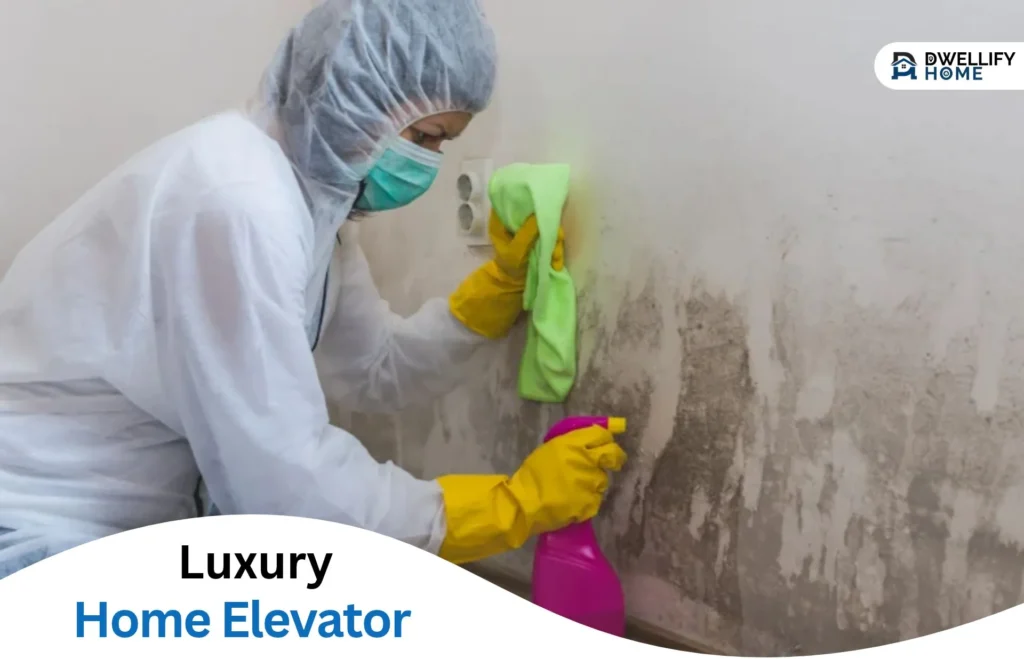
Mold problems rarely announce themselves on a schedule. A ceiling stain that follows a slow roof leak, a musty smell in a finished basement, or a spike in allergy symptoms during humid months usually arrives long after the colony started growing. The reputation behind reliable mold remediation services in Atlanta, GA rests on certification, response time, and how a company handles the parts of a house nobody can see, and those measures are where this company has built its standing across the metro area rather than on volume.
Certification and Local Standing
Credentials in this field vary widely, and the gap between them shows up in the finished work. Pure Home is IICRC certified and operates under Georgia license RBCO008559, which sets a baseline for how containment, air filtration, and material removal are carried out on every job. The company has worked across the region since 2017, giving it nine years with the housing stock here: crawl space homes in older in-town neighborhoods, slab construction in newer subdivisions, and finished lower levels built into Georgia clay. Identical growth can trace back to entirely different sources depending on how a house was built.
An Origin That Shapes the Approach
Companies formed around a business plan tend to behave differently from those formed around a loss. Pure Home began after its founder lost a friend to mold poisoning, and that history explains why the work is treated as a health matter rather than a cosmetic one. Surface cleaning that leaves the moisture source intact produces a room that looks corrected while continuing to feed the same problem behind the drywall. Crews trace the water rather than the stain, and document conditions so a homeowner understands what was found instead of accepting a verbal summary on faith.
Attention to the Spaces Nobody Sees
Much of the most damaging growth sits in areas a homeowner rarely enters, and the attic is among the most common. Handling attic mold removal by Pure Home means tracing roof leaks, blocked soffit vents, and exhaust ducts that terminate inside the attic rather than outdoors, then correcting the condensation those create against cold sheathing. Treating the visible staining on the roof deck without fixing the ventilation leaves the same conditions in place, so the source is addressed as part of the scope rather than after the growth returns the following season.
Response Windows That Limit Spread
Mold does not pause between the phone call and the appointment. Colonies expand wherever moisture and organic material remain available, which is why a two-week wait can turn a single wall cavity into a multi-room scope. Pure Home responds to inspection requests within 24 to 48 hours, a window built specifically around how quickly conditions worsen in Georgia humidity. Summer compresses that timeline further, since indoor humidity in an unconditioned basement or crawl space can stay high enough to support growth continuously. Acting inside that window generally keeps a project in the category of contained repair.
Costs, Insurance, and What Homeowners Pay Upfront
Price uncertainty keeps many households from acting while a problem is still small. Pure Home charges nothing upfront and provides free consultations, so the decision to proceed comes after the findings are on the table rather than before. Insurance coordination is handled directly with carriers, which removes the documentation burden that causes so many valid claims to stall on technicalities. Photographs, moisture logs, and scope records are prepared in the format adjusters expect, and hundreds of families across the region have already been through that process.
Conclusion
Selecting a remediation provider comes down to verifiable measures rather than impressions. Certification and licensing establish a floor for how the work is performed, response time determines how much material is still salvageable, and transparent pricing decides whether a household acts early or waits until the damage turns structural. Claims handling and thorough documentation carry equal weight once an insurer is involved. Homeowners across the metro area who weigh those factors before making a call tend to end up with a smaller project, a shorter displacement, and a result that holds through the next humid summer.
Before using any links in this article, please note that some may be affiliate or sponsored links. Qualifying purchases through affiliate links may generate a commission for Dwellifyhome.com at no additional cost to you.