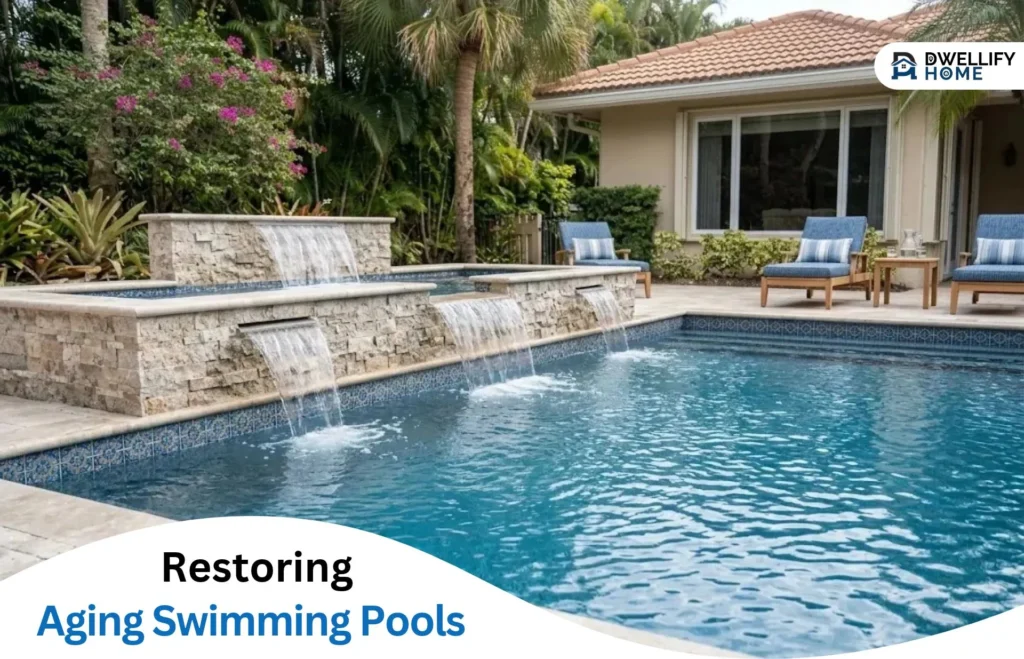
In a subtropical climate where swimming pools operate twelve months a year, even the highest-quality concrete shell eventually shows its age. Unlike northern regions where pools sit dormant and covered for half the calendar, coastal yards endure relentless ultraviolet radiation, torrential summer downpours, and continuous chemical treatment.
Over time, this constant exposure erodes the interior finish, turning a once-inviting backyard centerpiece into a rough, stained, and increasingly difficult-to-balance body of water. When routine acid washes and chemical shocks no longer restore clarity or comfort, investing in professional pool resurfacing in South Florida becomes essential for preserving both the structural integrity of the vessel and the overall value of the property.
Understanding how pool finishes degrade, what modern materials are available, and what happens during a renovation allows homeowners to approach the project with confidence and maximize the lifespan of their backyard investment.
Recognizing the Warning Signs: When Is It Time to Resurface?
A swimming pool’s interior finish—whether traditional plaster, quartz, or pebble—is not merely decorative. It serves as the primary waterproof barrier protecting the underlying gunite or shotcrete structural shell from water intrusion and rebar corrosion. Catching surface failure early prevents minor cosmetic wear from escalating into expensive structural repairs.
Homeowners should watch for several telltale indicators that a pool finish has reached the end of its serviceable life:
- Rough Texture and Etching: If swimmers frequently complain about scraped feet or snagged swimsuits, the surface has likely etched. Aggressive, low-pH water dissolves the calcium within the cementitious matrix, leaving behind a sandpaper-like texture that also provides microscopic crevices for algae to anchor.
- Stubborn, Permanent Staining: While isolated organic stains from leaves or acorns can often be lifted with targeted treatments, widespread discoloration—such as copper blues, iron rusts, or mottled gray patches—typically indicates that the porous plaster has absorbed minerals deep beneath the surface.
- Chalking and Powdering: Rubbing a hand along the pool wall and seeing a milky white cloud disperse into the water is a classic sign of surface breakdown. As the finish deteriorates, it sheds fine calcium dust, driving up filter pressure and clouding the water.
- Spalling, Flaking, and Delamination: When sections of the plaster begin to peel away or pop off in sheets—exposing the darker gray gunite beneath—the bond between the finish and the structural shell has failed. Delamination compromises waterproofing and requires prompt attention.
- Structural vs. Cosmetic Cracking: Fine, spiderweb-like lines (known as craze cracks) are usually superficial shrinkage cracks in the plaster. However, long, continuous cracks that run across the floor or walls, especially if accompanied by unexplained water loss, point to structural movement that must be stabilized before a new finish is applied.
Why Subtropical Climates Accelerate Finish Degradation
A standard plaster finish that lasts twelve years in a mild, dry climate may show significant wear in seven to eight years along the Atlantic coast. Several environmental factors unique to subtropical regions speed up this timeline.
First is the absence of a true off-season. Year-round swimming means year-round sanitization. Continuous exposure to chlorine, saltwater electrolysis, and pH-adjusting acids gradually wears down cement-based surfaces. Second, intense summer rainstorms regularly dump inches of slightly acidic rainwater into the pool within an hour. This sudden dilution strips away total alkalinity and calcium hardness, causing the water’s Langelier Saturation Index (LSI) to plummet. When water becomes aggressively under-saturated, it actively pulls calcium out of the pool walls to restore its own chemical equilibrium. Finally, high ambient heat accelerates chemical reactions and evaporation, leaving behind concentrated mineral deposits (calcium scale) along the waterline tile and upper walls.
Comparing Modern Interior Finishes: Plaster, Quartz, and Pebble
One of the most rewarding aspects of renovating an older pool is the opportunity to upgrade from outdated materials to modern, high-performance aggregates. Today’s interior finishes offer dramatically improved chemical resistance, richer water colors, and extended lifespans.
Traditional White Marcite Plaster
Marcite—a blend of white Portland cement and crushed marble dust – has been the industry baseline for decades. It delivers a smooth, classic light-blue water appearance and remains the most budget-friendly option upfront. However, because it is entirely cementitious, it is highly susceptible to etching, staining, and chemical imbalance. Under heavy year-round use, standard marcite typically lasts 7 to 10 years.
Quartz Aggregate Finishes
Quartz finishes bridge the gap between basic plaster and premium pebble surfaces. By replacing a significant portion of the soft marble dust with crushed, color-fast quartz crystals and polymer-modified cements, manufacturers create a much harder, denser surface. Quartz resists staining and etching far better than standard marcite, feels smooth underfoot, and offers a subtle, sparkling depth to the water. Homeowners can expect a well-maintained quartz finish to last 10 to 15 years.
Exposed and Polished Pebble Finishes
For maximum durability, exposed pebble aggregates have become the gold standard in coastal pool renovation. These finishes embed smooth, naturally tumbled river pebbles into a high-strength, fortified cement matrix. Because the surface is predominantly stone rather than cement, it is virtually impervious to chemical etching and easily withstands the demands of saltwater chlorine generators.
Standard exposed pebble offers a slightly textured, slip-resistant feel, while newer polished pebble and mini-pebble blends are ground smooth after application, delivering the longevity of stone with the silky feel of plaster. Pebble finishes routinely last 15 to 20+ years and allow homeowners to achieve dramatic, resort-style water hues ranging from deep sapphire to tropical lagoon teal.
Glass Bead Accents
For those seeking a contemporary, high-impact aesthetic, iridescent glass beads can be broadcast into a quartz or pebble finish – or used as a primary aggregate. Glass beads are non-porous, completely resistant to pool chemicals, and refract sunlight to create a luminous, jewel-like shimmer across the water.
The Step-by-Step Pool Resurfacing Process
Understanding the mechanical workflow of a resurfacing project helps homeowners set realistic timelines—typically one to two weeks from draining to refilling—and recognize the hallmarks of quality craftsmanship.
- Draining and Hydrostatic Pressure Management: Before pumping the water out, experienced technicians evaluate the local water table. In coastal areas with high groundwater, draining a pool without opening the hydrostatic relief valve (or drilling temporary relief holes in the deep end) can cause groundwater pressure to lift the empty concrete shell out of the ground. Proper dewatering protects the structure throughout the renovation.
- Surface Preparation and Chip-Out: A new finish is only as strong as the surface it bonds to. Crews remove loose, hollow, or delaminated plaster using pneumatic chipping hammers, followed by high-pressure hydro-blasting (often at 3,500+ PSI) or sandblasting to roughen the existing surface. For pools that have been resurfaced multiple times, a full chip-out down to the original gunite is necessary to prevent excessive layering. A specialized polymer-modified bond coat is then applied to ensure mechanical and chemical adhesion.
- Structural Repairs and Safety Upgrades: With the shell exposed, technicians repair any structural cracks using hydraulic cement or epoxy-injected carbon-fiber staples. This is also the mandatory window to replace aging main drain covers with compliant, anti-entrapment covers meeting the Virginia Graeme Baker (VGB) Pool and Spa Safety Act.
- Application of the New Interior Finish: The chosen finish is mixed on-site and pneumatically sprayed or hand-troweled onto the walls and floor in a uniform coat, typically 3/8 to 1/2 inch thick. For quartz and pebble surfaces, crews follow up with a controlled water-wash or mild acid wash the next day to expose the aggregate and bring out the true color of the stone.
- Refilling and the Critical 28-Day Curing Phase: The pool is refilled continuously to prevent a permanent “ring” from forming on the curing finish. Once full, the first 28 days are the most critical period in the finish’s life. As cement hydrates, it releases calcium hydroxide, causing the water’s pH to spike rapidly. Daily brushing with a nylon brush removes curing dust (plaster cream), while careful acid dosing and sequestering agents keep the water balanced so the surface cures hard, smooth, and stain-free.
Smart Upgrades to Pair With Your Renovation
Because the pool is already drained and a skilled crew is on-site, resurfacing is the most cost-effective moment to tackle adjacent aesthetic and mechanical upgrades. Coordinating these improvements avoids paying for mobilization and draining twice.
- Waterline Tile and Coping Replacement: Installing a pristine new interior finish beneath cracked, calcium-encrusted 1990s ceramic tile immediately dates the project. Swapping in modern iridescent glass tile and cool-to-the-touch tumbled travertine or porcelain coping completely transforms the visual frame of the pool.
- Color-Changing LED Lighting: Replacing aging incandescent niche lights with energy-efficient, low-voltage LED fixtures reduces electricity draw by up to 80% and highlights the depth and color of a new quartz or pebble finish at night.
- Variable-Speed Filtration: Upgrading to a Department of Energy-compliant variable-speed pump ensures superior water circulation during the critical startup phase and cuts ongoing utility bills by half or more.
Elevating Your Backyard for the Next Two Decades
Resurfacing a swimming pool is far more than a routine maintenance chore; it is an opportunity to reset the clock on a major residential asset. By addressing underlying surface wear before it compromises the concrete shell, selecting an aggregate engineered to withstand subtropical sun and rain, and respecting the science of the curing process, homeowners secure a cleaner, safer, and more visually striking backyard retreat. With the right materials and disciplined water chemistry, a freshly restored pool will deliver effortless enjoyment and enduring property value for decades to come.
Please note that this article may include affiliate links or sponsored references. Dwellifyhome.com may receive commissions or other compensation through these arrangements, helping us maintain our website and continue sharing informative content.