A smoke alarm randomly goes off most often because of a dying battery, steam, cooking fumes, dust, or insects in the sensor — not because of a fire. Researchers at the University of South Carolina explain that most smoke detectors are designed to sound when the electrical current in the sensor drops, and a dying battery drops that current just like smoke does, which is why a weak battery is the most common cause of a false alarm. Check for real danger first, then work through the battery, the air around the alarm, and the age of the unit.
Never assume a random alarm is false. A full alarm can also mean a real fire you cannot see yet, like a smoldering wire inside a wall. Check for smoke, heat, and smell before you silence anything. Once you are sure the house is safe, you can hunt the cause in peace.
First, Make Sure It Is Not a Real Fire
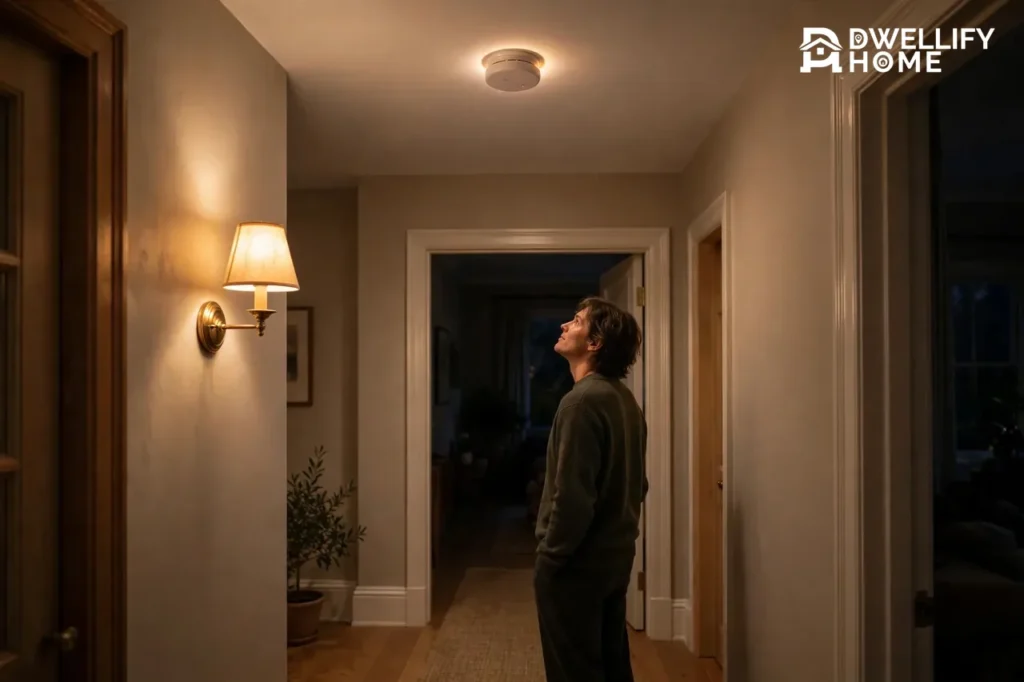
When the alarm sounds, stop and check before you press any button. Walk through the house and look for smoke, haze, or a smell of burning. Feel doors with the back of your hand before you open them. Check the kitchen, the furnace room, and any room with a heater. Every full alarm is real until you prove it is not.
If you see smoke or flame, feel unusual heat, or smell burning and cannot find the source, get everyone out and call 911. Do not open windows to clear the air first, and do not go looking in the attic or the basement. Firefighters would rather answer a false alarm than arrive too late.
If the house is clear and the air smells normal, press the hush button to quiet the alarm for a few minutes. That gives you time to find which unit sounded and what set it off, without the siren drowning out your thinking.
Find Which Alarm Sounded
In a home with several alarms, the noise can echo and blame the wrong unit. Walk under each alarm and listen. The one that started the alarm usually has a flashing red light, and on interconnected hardwired systems only that unit needs silencing to quiet the whole house.
Write down the room, the time, and what was happening when the alarm went off. Was someone showering? Was the oven on? Did the heating just start? That note is your best diagnostic tool, because random alarms almost always have a pattern once you look for one. The unit with the flashing light is the one that sounded first.
If the same alarm sounds again and again while the others stay quiet, the problem is in that unit or its spot in the house. If different alarms sound at different times, the cause is more likely house-wide, like power trouble or high humidity.
The Most Common Cause: A Dying Battery
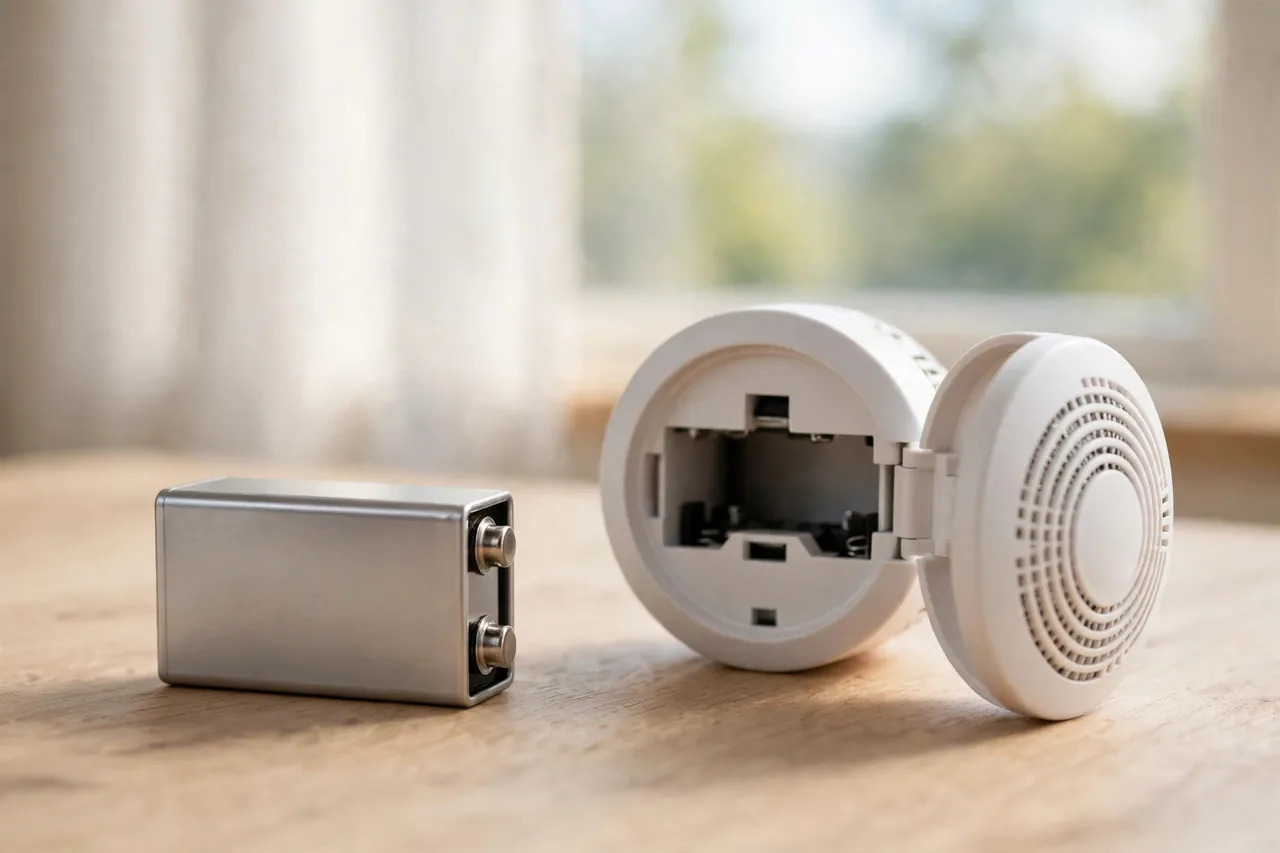
A dying battery is the top cause of random alarms, and the science is simple. In an ionization alarm, a small current flows through the sensing chamber. Smoke lowers that current, and the alarm sounds. A dying battery lowers the current too, so the alarm cannot tell the difference and sounds anyway. That is why the University of South Carolina researchers call the dying battery the most likely reason for a false positive.
People often change the battery when they move in and then never touch it again. The battery is supposed to be changed at least once every six months or so, according to those researchers, and the NFPA recommends at least once a year. Either way, most homes run their alarms far longer than they should.
Fit a fresh battery of the exact type printed on the back label. Use a brand-new cell from a sealed pack, not one from a drawer. Then press the test button and listen for a loud siren. If the random alarms stop, you found it. If they keep coming, move on to the next cause.
Steam, Cooking Fumes, and Humidity
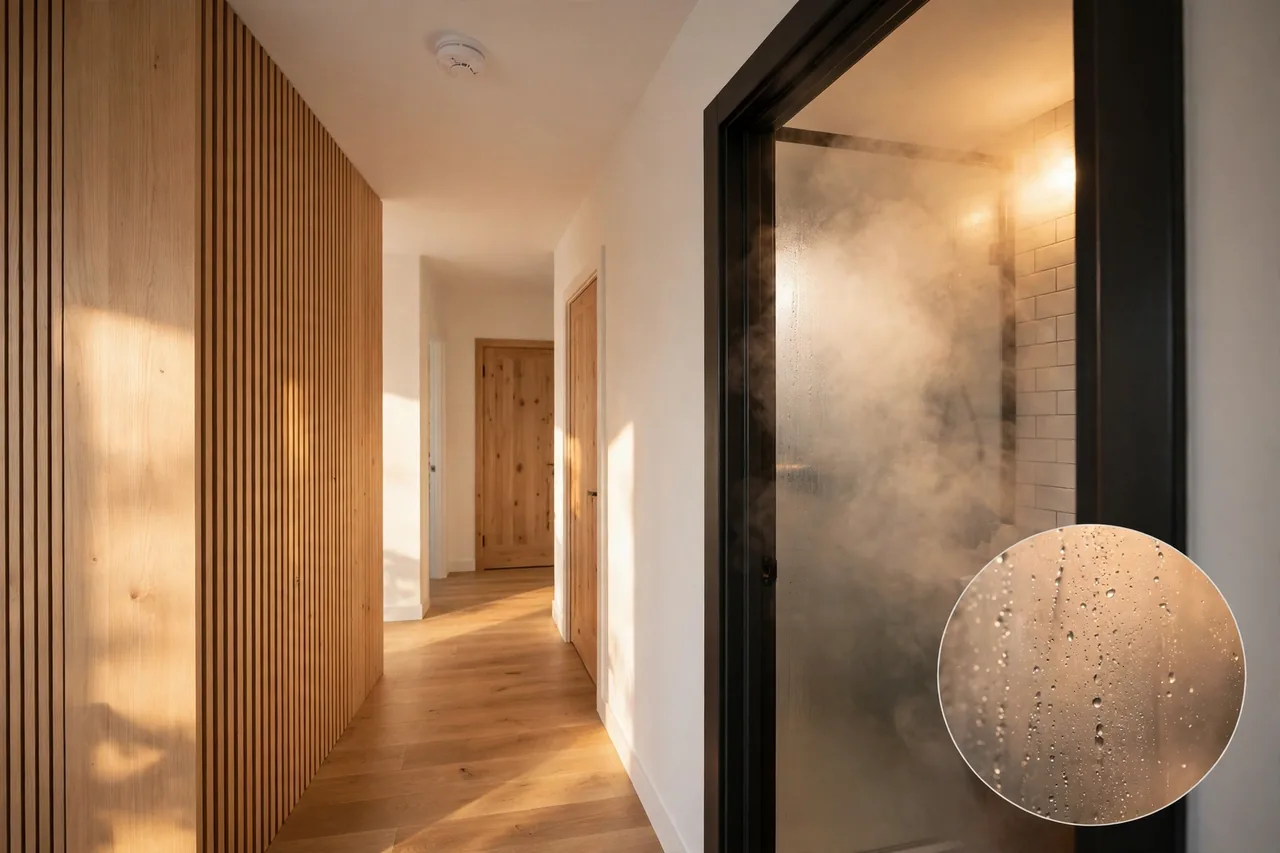
The second most common cause is an alarm placed too close to steam. A hot shower fills the air with dense water vapor, and the sensor reads those droplets much like smoke. The same goes for boiling water, a dishwasher on a steam cycle, and a humidifier running near the alarm. Researchers at the University of South Carolina name a detector too close to the bathroom as the second most common cause of false alarms.
Cooking is the other big trigger. Frying, broiling, and grilling throw tiny oil and grease particles into the air, and burnt toast or popcorn sends up a dense cloud of carbonized particles. An alarm near the kitchen catches all of it. The fix is placement, not patience: move the alarm farther from the kitchen and the bathroom, or swap an ionization alarm near the kitchen for a photoelectric one, which is less easily fooled by cooking fumes.
High humidity makes the problem worse. On a damp day, or in a basement laundry room, the air itself carries enough moisture to trip a sensitive alarm. Run exhaust fans during showers and cooking, shut bathroom doors while the shower runs, and keep alarms out of steamy rooms. Steam and cooking fumes are not smoke, but your alarm cannot tell the difference.
Dust, Insects, and a Dirty Sensor
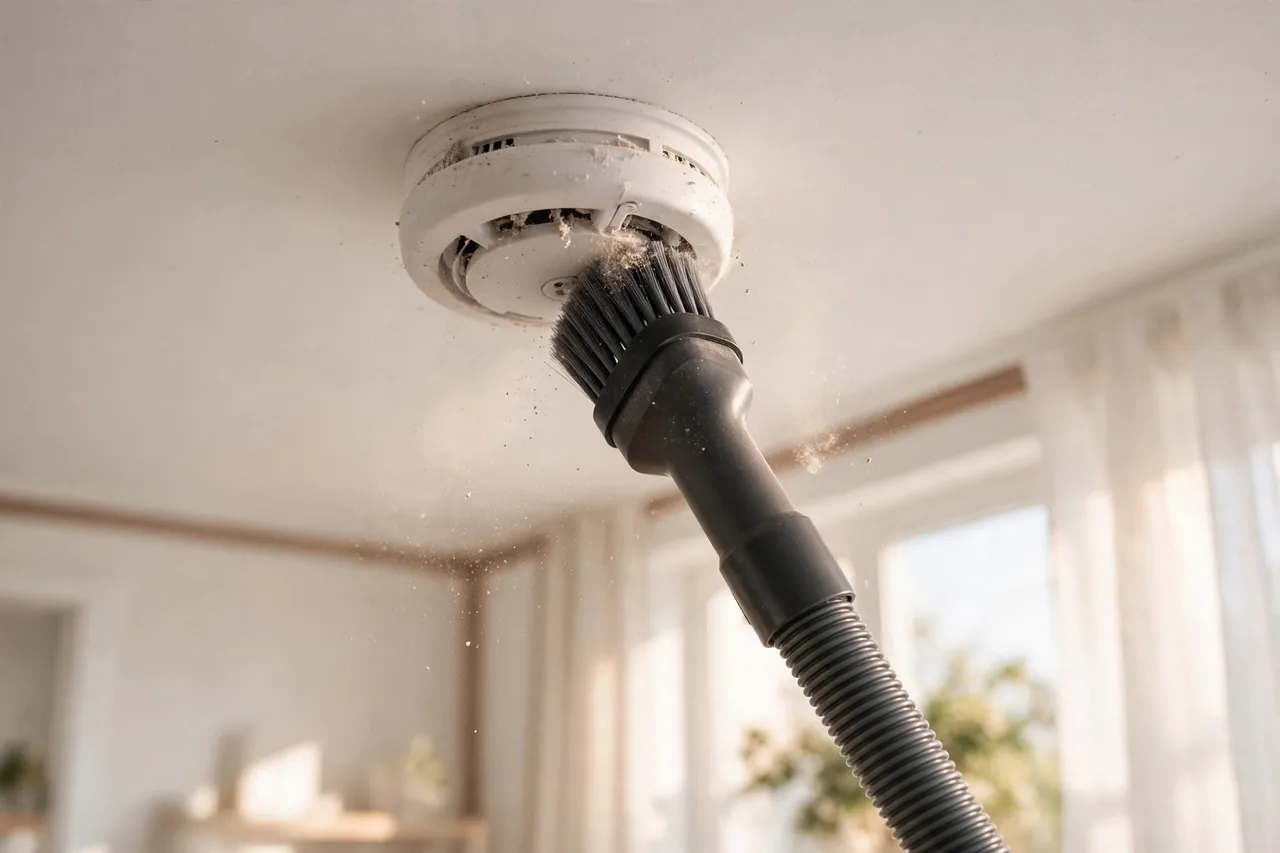
Dust builds up inside the sensing chamber over months and years, and it scatters the sensor’s light or breaks its ion current just like smoke. Remodeling dust, workshop sawdust, and pet hair make it worse. A dirty alarm can sound at random, often at night when the air cools and the dust settles.
Small insects love the dark, warm space inside an alarm. A spider or a tiny bug crawling across the sensor can block the light beam or touch the circuit and set the alarm off. Cobwebs around the vents are a warning sign that the inside needs cleaning too.
Vacuum the outside vents with a soft brush attachment once a month, and use a short burst of compressed air to clear the chamber. The American Red Cross advises vacuuming cobwebs and dust from smoke alarms monthly to prevent nuisance alarms. Never spray insecticide or cleaner into the unit, and never paint over it. A clean sensor is a calm sensor.
Power Problems and Hardwired Alarms
Hardwired alarms draw power from your home’s wiring, so power trouble can sound them at random. A surge, a brownout, a loose wire at the ceiling box, or a large appliance starting on the same circuit can break the steady current for a moment, and the alarm reads that break as smoke. Storms and power cuts are classic triggers.
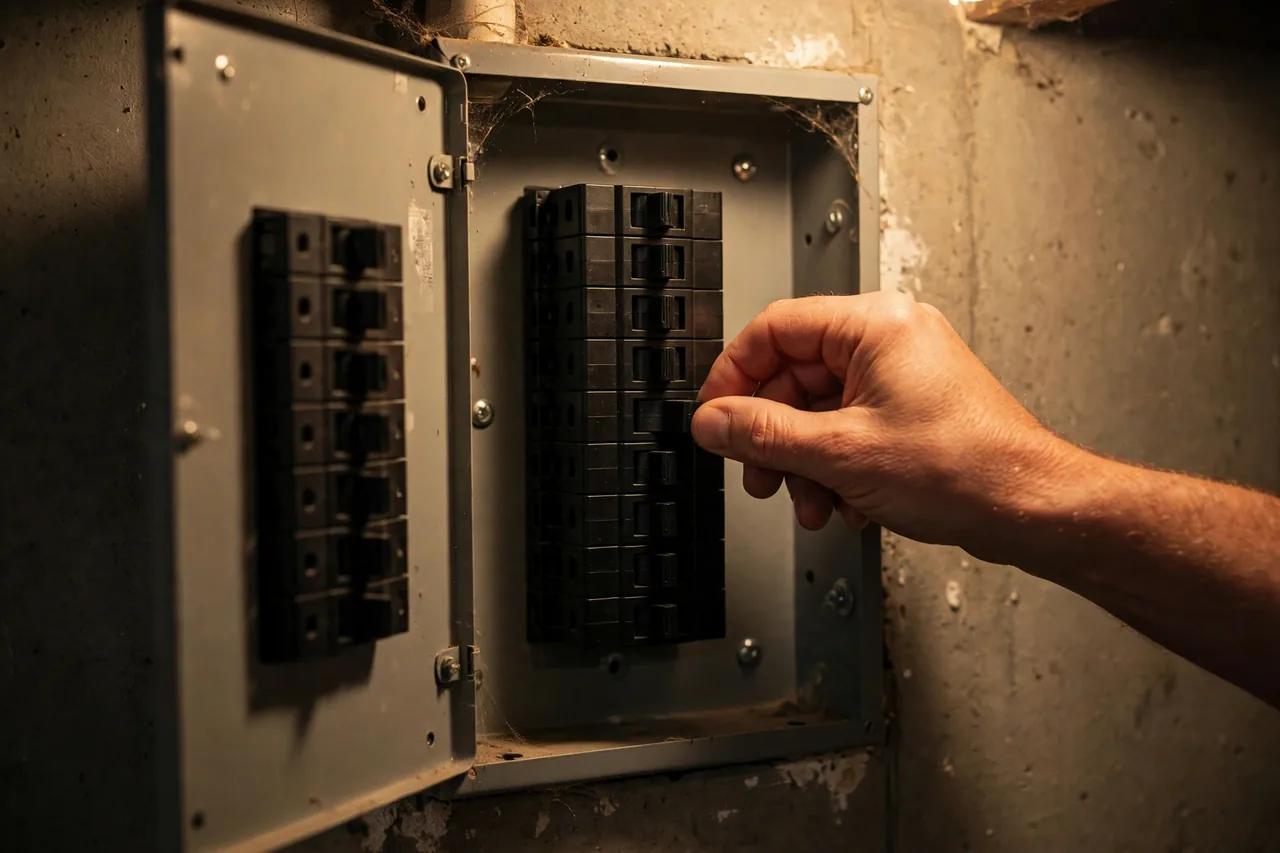
Check the breaker for the alarm circuit and make sure it is fully on. If the random alarms started right after a storm or an outage, reset the unit: switch the breaker off, unplug the power connector, remove the backup battery, hold the test button for 15 to 30 seconds, then reconnect everything and test. If the wiring looks loose, scorched, or damaged, switch the breaker off and call a licensed electrician.
A loose or badly seated backup battery can also cause random alarms on a hardwired unit. Open the battery door, check the terminals, and make sure the door latches fully. A battery that rattles loose at night is a classic cause of a 3 a.m. alarm.
Age, Sensor Wear, and the Wrong Alarm Type
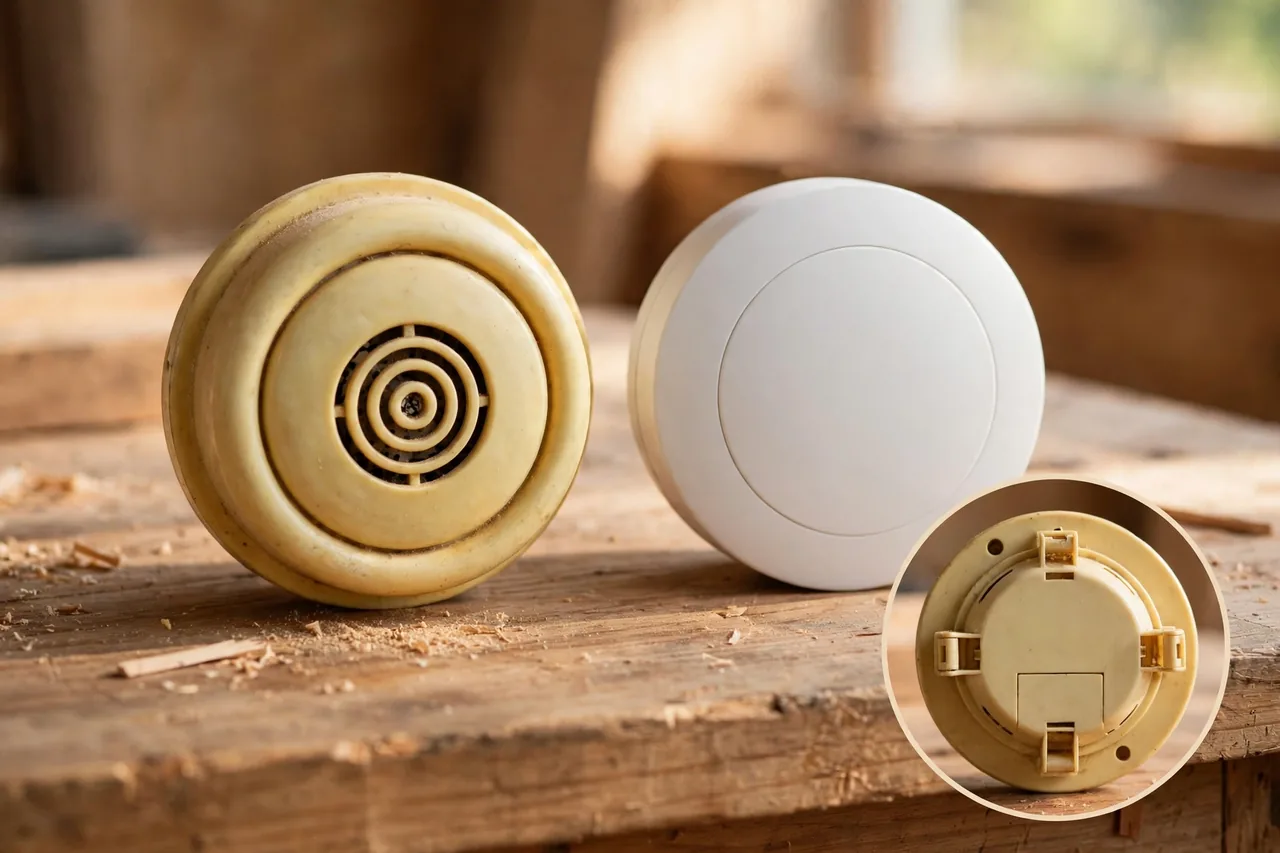
Smoke alarms wear out. The NFPA says all smoke alarms must be replaced 10 years after their manufacturing date, because the sensor drifts and becomes either too sensitive or too dull. An old alarm that sounds for no reason after a fresh battery and a cleaning is telling you its time is up.
The type of alarm matters too. Ionization alarms react fast to small, invisible particles from flaming fires, but they are also the most easily fooled by steam, dust, and cooking fumes. Photoelectric alarms react to larger, visible particles from smoldering fires and are steadier near kitchens and bathrooms. Many homes now use dual-sensor alarms or a mix of both types, with photoelectric units near the kitchen and ionization units in bedrooms and hallways.
If your alarm keeps going off in the same spot no matter what you do, the spot may be the problem. Alarms belong on the ceiling or high on a wall, at least 10 feet from a stove, away from bathrooms, and away from heating and cooling vents that blow dust straight into the sensor. Moving an alarm a few feet can end years of random alarms. An alarm in the wrong place will always be a noisy alarm.
A Step-by-Step Fix for Random Alarms
Work through these steps in order. Most random alarms stop at step two or three.
- Check for real danger first. Look for smoke, heat, and smell, and call 911 if anything is wrong.
- Find the unit that sounded by its flashing light, and write down the time and what was happening.
- Fit a fresh battery of the labeled type, then test the alarm.
- Vacuum the vents with a soft brush and blow out the chamber with compressed air.
- Reset the unit by holding the test button for 15 to 30 seconds with the power off.
- Look at placement. Move the alarm away from the bathroom, kitchen, and vents if it sits too close.
- Check the manufacture date on the back. Replace the unit if it is 10 years old or older.
- Replace the unit if it still sounds for no reason after all of the above.
Use this table to match what you see with the most likely cause.
| When it sounds | Most likely cause | Fix |
|---|---|---|
| During or after a shower | Steam from the bathroom | Move the alarm, run the exhaust fan |
| While cooking or frying | Cooking fumes near the kitchen | Move the alarm, use a photoelectric unit |
| At night, every night | Dying battery, cooler air | Fit a fresh battery |
| After a storm or power cut | Power surge or loose connection | Reset the unit, check the breaker |
| After remodeling or dust | Dust in the sensor | Vacuum and blow out the vents |
| Randomly, unit is 10+ years old | Worn-out sensor | Replace the whole alarm |
Why Random Alarms Spike in Winter
Many homeowners notice their alarms sound more often in the cold months, and there are good reasons for it. Cold night air drops battery voltage, so a battery that was fine in summer starts chirping or sounding on a January night. Heating systems stir up months of dust in the ducts and blow it past the alarms each time they start. Fireplaces, space heaters, and candles all add particles to the air at the same time of year.
Winter also means closed windows and dry indoor air. With the house sealed up, steam from showers and cooking has nowhere to go, so it hangs in the air longer and reaches alarms that stayed quiet all summer. A humidifier running near an alarm adds moisture on top of that, and the sensor reads the droplets like smoke.
The fix is seasonal. Change the batteries when the heating season starts, vacuum the alarms and the heating vents before the first cold snap, and run the bathroom exhaust fan a few minutes longer in winter. If an alarm sounds more in winter than in summer, check the battery first, then the dust, then the steam. Winter alarms are usually a battery or dust problem wearing a seasonal disguise.
When to Call a Professional
Call a licensed electrician if a hardwired alarm keeps sounding after a new battery and a reset, if you find loose or scorched wiring, or if several interconnected alarms sound together for no reason. Call your local fire department’s non-emergency line if you want a free home safety check, because many departments will check alarm placement and age for you.
Never disable an alarm to stop the noise. Taking the battery out or pulling the unit down leaves your home with no early warning, and that is far more dangerous than a false alarm. If an alarm will not stop, replace it the same day.
Disclaimer: This article gives general home maintenance guidance, not professional fire-safety advice. If you smell smoke or gas, feel ill, or cannot find why an alarm sounds, get everyone outside and call 911 or your local fire department. Call a licensed electrician for any wiring work you are unsure about.
Related Guides
Sort out the rest of your home’s safety gear with these guides: the best smoke alarm and carbon monoxide detector picks for a replacement, furnace not working if heating trouble is tripping your alarms, and how to stay warm without power for safe heating in an outage.
Frequently Asked Questions
Why did my smoke alarm randomly go off in the middle of the night?
Night alarms are usually a dying battery. Cooler night air can drop the battery voltage just enough to trip the low-current warning, so the alarm sounds when the house is quiet. Fit a fresh battery of the labeled type. If the alarm is 10 years old or older, replace the whole unit.
Why does my smoke alarm keep going off for no reason?
There is almost always a reason: a weak battery, steam, cooking fumes, dust, insects, or a worn-out sensor. Check the battery first, then clean the vents, then look at where the alarm sits. If it still sounds after a fresh battery, a cleaning, and a reset, the sensor is likely worn out and the unit needs replacing.
Can steam from a shower set off a smoke alarm?
Yes. Dense steam from a hot shower can fool the sensor, because the water droplets scatter light or break the ion current just like smoke. Keep alarms out of bathrooms, shut the bathroom door while showering, and run the exhaust fan. A photoelectric alarm near the bathroom is less easily fooled than an ionization one.
Can dust set off a smoke alarm?
Yes. Dust inside the sensing chamber scatters the sensor light or disrupts the ion current, which the alarm reads as smoke. Vacuum the vents with a soft brush attachment once a month and blow out the chamber with compressed air. Remodeling dust and pet hair make the problem worse.
Why would my smoke alarm go off after a power outage?
A power cut or surge can break the steady current in a hardwired alarm, and the unit reads that break as smoke. Reset the alarm by switching off the breaker, unplugging the power connector, removing the backup battery, and holding the test button for 15 to 30 seconds. If it keeps sounding, check the breaker and call an electrician.
Find the unit, fit a fresh battery, clean the sensor, and check the date on the back. Most random alarms end there — and the ones that do not are telling you it is time for a new alarm.