A fire escape plan is a simple written map of your home that shows two ways out of every room, one meeting place outside, and where every smoke alarm sits, and everyone in the household knows it and has practiced it. The U.S. Fire Administration warns that a household can have less than two minutes to get outside safely once a smoke alarm sounds, so a plan only helps if everyone already knows it. This guide shows you how to make a home fire escape plan, practice it, and keep it up to date.
Making a plan takes about half an hour, and it is one of the highest-value safety jobs in any home. You do not need special tools or drawing skills. A sheet of paper, a pencil, and a walk through your home with the whole household are enough.
What Is a Fire Escape Plan?

A fire escape plan answers four questions before a fire ever starts: how do I get out of each room, where do we meet outside, who calls for help, and who helps the people who cannot get out alone? The plan itself is a floor map of each level of your home, marked with doors, windows, stairs, smoke alarms, and the two escape routes from every room.
The plan covers more than the map. It names who helps young children, older adults, or anyone with a disability, and it says where the family meets outside so everyone can be counted at once. It also says when the plan gets practiced and who keeps it up to date. Without those parts, a drawing on the fridge is just a drawing.
Fire escape plans are different from a general fire safety plan. A fire safety plan also covers prevention, like safe cooking and heater habits, and detection, like smoke alarms. Your escape plan is the part that gets everyone out alive when prevention and detection have done their job and the alarm is sounding.
Draw Your Home Fire Escape Plan in 6 Steps
Do this together as a family. Children are good at the drawing part, and involving them means they remember the routes.
- Draw a simple floor plan of each level of your home, room by room, with all doors, windows, and stairs. It does not need to be to scale, just clear.
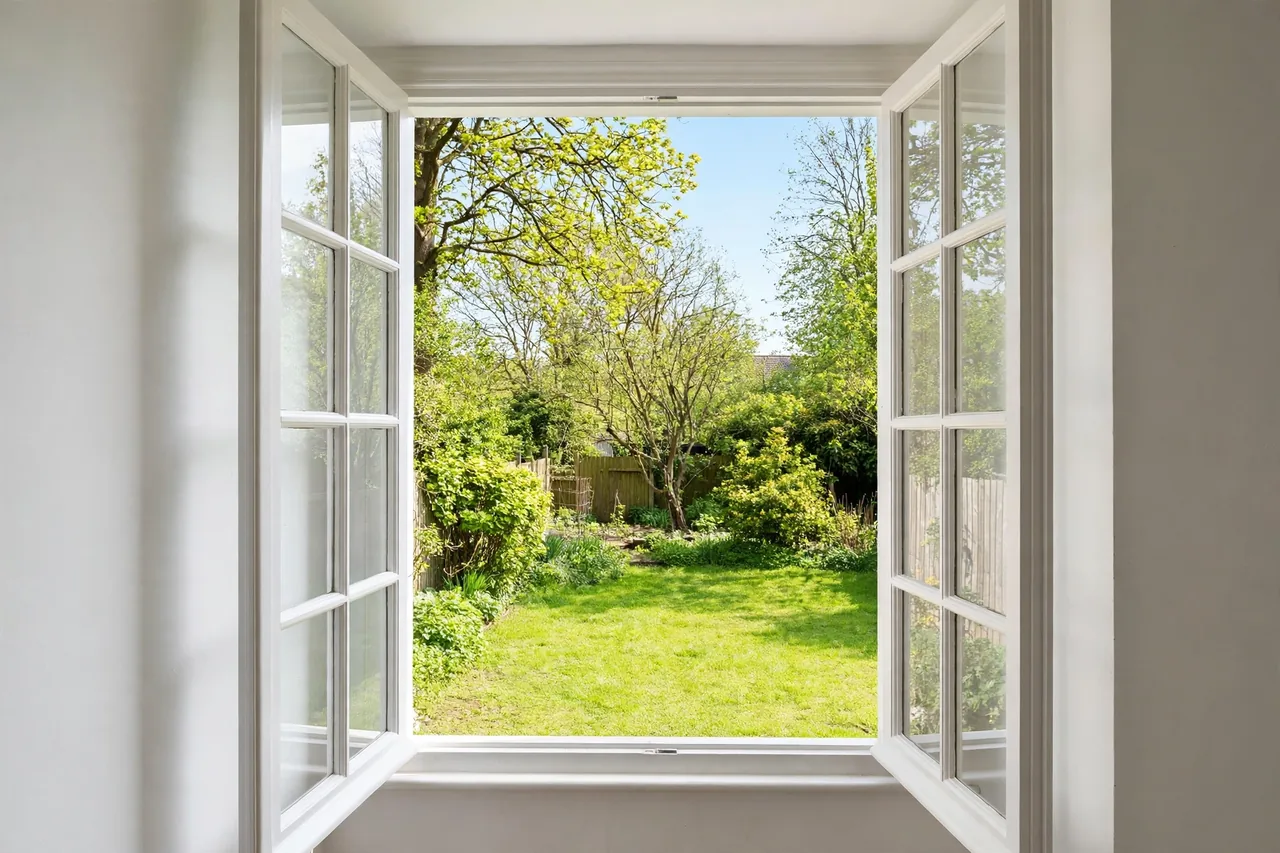
- Mark two ways out of every room. The door is usually the first way out, and a window is the second. Check that every window on an escape route opens easily and is not blocked by furniture.
- Mark every smoke alarm on the plan. The National Fire Protection Association recommends a smoke alarm on every level of the home, outside sleeping areas, and in each bedroom.
- Pick one meeting place outside, a safe distance from the house, that everyone will remember, such as a tree, a mailbox, or a neighbor’s driveway.
- Write the emergency number and your home address on the plan, so anyone, even a babysitter or a child, can call from outside.
- Assign helpers. Decide in advance who helps each child, older adult, or person with a disability to get out.
Two ways out of every room is the heart of the plan, because fire can block the usual way out, often the hallway or the stairs. If a door is hot or smoke is coming through its cracks, the second route is the one that saves you.
What About Windows With Security Bars?
Window bars can trap people inside during a fire. If any escape window has bars, it must have a quick-release device that opens from inside without a key or a tool. Check the release now, while you are calm, and make sure everyone in that room knows how it works. A key counts as a special tool, so a locked bar without a quick release is not a real exit.
What to Do When the Alarm Sounds
When a smoke alarm sounds, the rule is simple: get out, stay out, and call 911 from outside. Leave everything behind. Never go back inside for a pet, a phone, or a wallet. Tell firefighters if someone or a pet is still inside, and let them go in.
Before you open a closed door, feel it with the back of your hand. If it is hot, use your second way out. If it is not hot, open it slowly and be ready to close it again fast if smoke or flames are there. Close doors behind you as you leave, because a closed door slows fire and smoke.
If there is smoke, stay low and crawl under it to your way out, because the cleaner air sits near the floor. Smoke rises, and the air near the ceiling fills first. Teach children to crawl low too, and to never hide from firefighters. Hiding in a closet or under a bed is one of the most dangerous things a scared child can do.
Practice Your Fire Escape Plan Twice a Year
A plan that is never practiced is easy to forget. The National Fire Protection Association recommends practicing your home fire escape plan twice a year, and fire services in several states echo the same advice: practice at different times of day and night, and from different rooms.
Run the drill like this: press the smoke alarm test button to start, walk each marked route with the whole household, and meet at the outside meeting place. Time how long it takes to get everyone out, and aim to get everyone out in under two minutes. Try one daytime drill and one nighttime drill each year, so everyone knows the routes in the dark too.
After each drill, ask simple questions. Which exit did we use? What would we do if that exit was blocked? Did the window open easily? Did everyone go to the meeting place? Did anyone try to grab something before leaving? Fix whatever failed before the next drill.
Practice With Kids and Older Adults
Teach children to escape on their own in case you cannot reach them, and practice escaping through a first-floor window with an adult present. For older adults or anyone with limited mobility, plan the help in advance: who assists, which route works with a walker or wheelchair, and whether a ground-floor bedroom would be safer. If an upper-floor escape needs a ladder, keep a fire escape ladder near the window and practice unfolding it during a calm drill, never during a real fire.
Keep Smoke Alarms Working
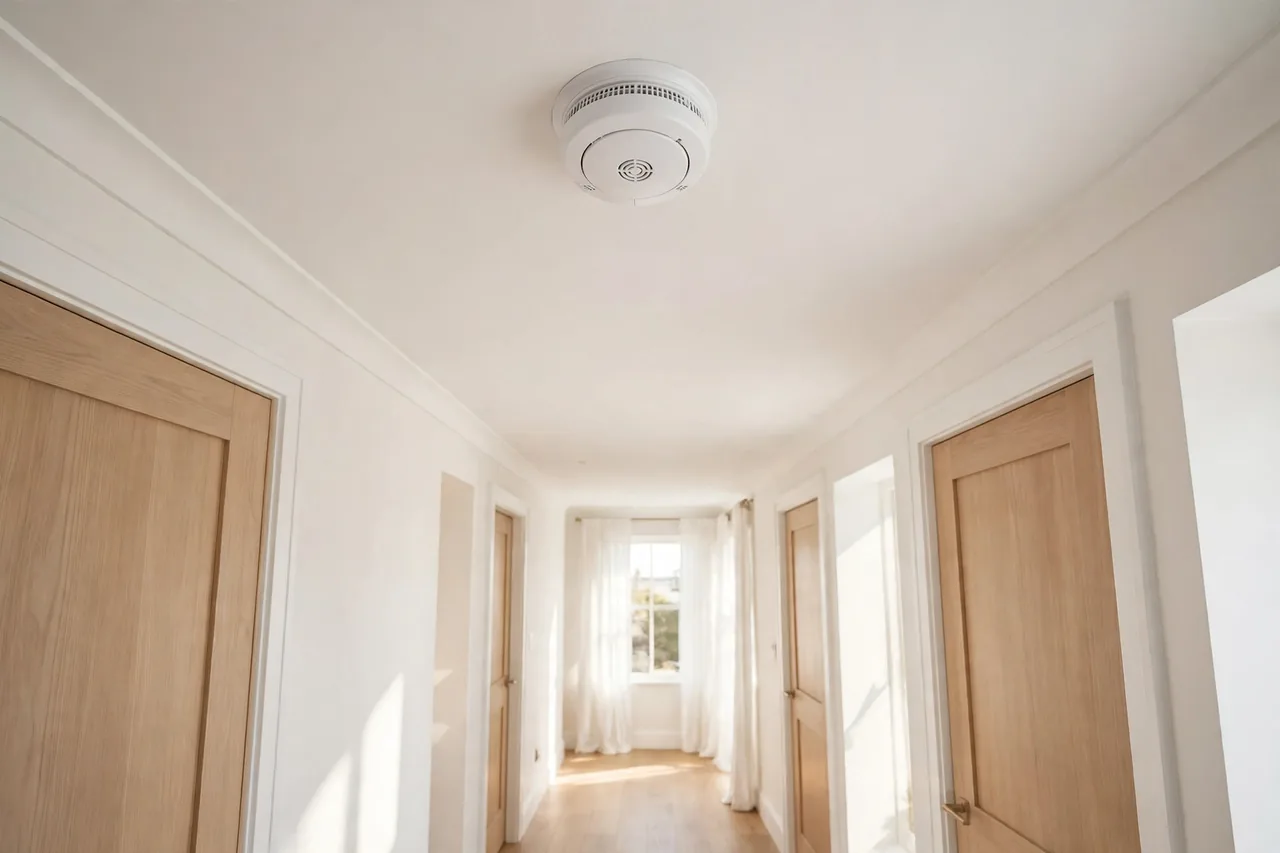
An escape plan only works if the alarm wakes you in time. Test every smoke alarm once a month by pressing the test button, and replace batteries at least once a year, or sooner if the alarm chirps. Replace the whole alarm if it is more than 10 years old, because the sensor wears out even when the battery is fresh.
Put an alarm on every level, outside each sleeping area, and inside each bedroom. If your home has gas appliances or an attached garage, add carbon monoxide alarms too, and learn the difference between their sounds. If you want a buying guide, read our guide to the best smoke alarm and carbon monoxide detector, which compares combined units for the home.
Common Fire Escape Plan Mistakes

Most plans fail on small, fixable points. The most common mistakes are easy to spot once you know them.
- Only one way out of a room is marked, so a blocked hallway leaves no option.
- The meeting place is too close to the house, or it moves, so people scatter instead of gathering.
- Windows on escape routes are painted shut, stuck, or blocked by furniture or heavy curtains.
- The plan is never practiced, so no one remembers the second route when it matters.
- The plan is not updated after a move, a new baby, a new bedroom, or a renovation that changed a room.
- People plan to grab valuables or pets first, which wastes the seconds that matter most.
Update the plan whenever your home or household changes. A new baby, an older parent moving in, a converted garage bedroom, or a new piece of furniture blocking a window all change the plan. Review it at the same time you practice the drill, twice a year.
Fire Escape Plans for Apartments and Two-Story Homes
If you live in an apartment building, follow the building’s posted evacuation plan first, because shared stairwells and alarms follow the building’s system. Learn where the stairs are, never use the elevator in a fire, and know the building’s meeting point. If you live in a two-story house, every upstairs bedroom needs a workable second route, which is usually a window with an escape ladder or a route to a porch or garage roof that an adult has checked is safe.
Renters should ask the landlord about the building plan and about smoke alarms in the unit. If an alarm is missing or broken, report it in writing and follow up. For seasonal fire risks around the holidays, our guide to Christmas tree safety covers tree, light, and candle risks that belong in your wider fire safety plan.
Keep a Printed Copy Where Everyone Can Find It
A plan on paper beats a plan in someone’s head. Print the finished floor map and put one copy on the fridge and one in each bedroom, so a babysitter or guest can find it without asking. Write the meeting place, the emergency number, and your home address on every copy in large print.
Keep the plan simple enough that a child can follow it. The City of Cedar Rapids Fire Department advises families to draw a floor diagram, mark regular and emergency escape routes, and practice exit drills in the home, while the Oregon State Fire Marshal reminds families that fire can leave as little as two minutes to get out safely once the smoke alarm sounds. When you update the plan, replace every printed copy the same day, so no old map is left on a wall.
Related Guides
Pair your escape plan with working alarms: see the best smoke alarm and carbon monoxide detector guide before you buy. For cold-weather fire risks, read how to winterize a house and how to stay warm without power, which cover safe heater use during outages.
Frequently Asked Questions
What is a home fire escape plan?
A home fire escape plan is a simple floor map of your home that shows two ways out of every room, one meeting place outside, and the location of each smoke alarm. Everyone in the household knows the plan and practices it, so that when the alarm sounds, nobody has to think about what to do first.
How often should I practice my fire escape plan?
Practice your home fire escape plan at least twice a year, as the National Fire Protection Association recommends. Run one drill in the daytime and one at night, from different rooms, and time how long it takes to get everyone to the meeting place. Aim for under two minutes.
What should be in a fire escape plan?
A complete plan has a floor map of each level, two marked exits from every room, every smoke alarm marked, one outside meeting place, the emergency number and home address written down, and named helpers for children, older adults, and anyone who needs assistance getting out.
What do I do if my escape route is blocked by fire?
Use your second way out. Before opening a closed door, feel it with the back of your hand; if it is hot, do not open it. Stay low under smoke, close doors behind you, get out, stay out, and call 911 from outside. Never go back inside.
Do I need a fire escape plan for an apartment?
Yes, and you should follow your building’s posted evacuation plan first, because it covers shared stairs and alarms. Learn the stair routes, never use the elevator in a fire, and know the building’s meeting point. Also keep working smoke alarms inside your own unit.
Make your plan this weekend. Draw the map, pick the meeting place, and run the first drill with everyone at home. A fire escape plan is a short job that can save your family when seconds count.
Disclaimer: This guide gives general fire safety information, not professional fire safety advice. Fire risks vary by home, so check with your local fire department for guidance on your home, and call 911 in any emergency. Never re-enter a burning building.