Rekey when your locks work well and you only need old keys to stop working; replace when the lock is worn, damaged, weak, or not what you want anymore. Rekeying changes the pins inside your current lock so a new key fits and the old one does not, while replacing takes the whole lock off the door and fits new hardware. Both stop old keys from working, but only replacing changes the lock itself.
The price gap is wide: rekeying runs $50 to $130 per lock with a locksmith visit, while replacing adds new hardware at $25 to $50 per standard lock or $130 to $265 per high-security lock, plus labor. One test settles the choice for most homes, and it is in the decision guide below: if your key turns smoothly, the deadbolt throws fully, and the lock has no rust or wobble, rekey it.
The Short Answer: Rekey or Replace?
Rekey if the only problem is who holds a key. You just moved in, lost a key, or a roommate moved out, and the locks themselves feel solid. Replace if the problem is the lock: it sticks, wobbles, rusts, or it is a cheap builder-grade lock you never trusted. Rekeying fixes key control; replacing fixes the hardware.
Most people only need to rekey. A Jacksonville locksmith guide puts it plainly: rekey when locks work well and you need old keys to stop working, and replace when locks are worn, damaged, weak, or not what you want anymore. See the Jax Locksmith guide to rekey vs replace for that short-answer rule and its side-by-side table.
The rest of this guide shows you exactly what each option changes, what each one costs, and the four-question test that tells you which locks in your home fall on each side.
What Rekeying Actually Changes
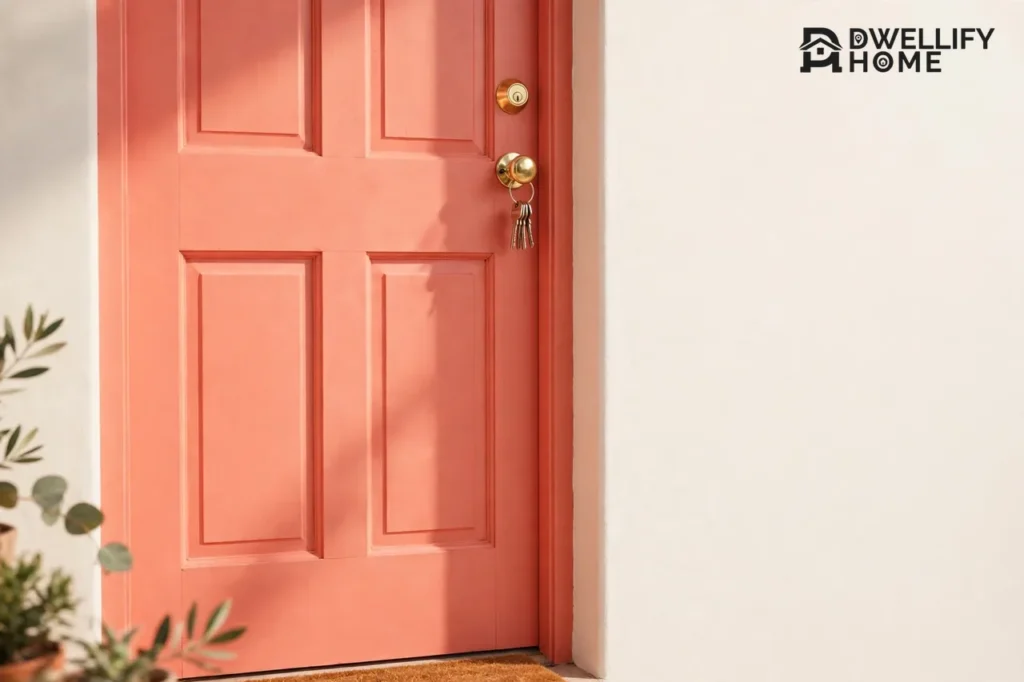
Most home locks use a pin tumbler cylinder: a stack of small pins of different lengths that line up when the right key slides in. Rekeying swaps those pins for a different set that matches a new key cut. The old key no longer lines the pins up, so it no longer turns the lock. The lock body, the bolt, the trim, the screws, and the finish stay exactly as they were.
That is the whole change, and its limits matter. Rekeying does not make a lock stronger, and it does not repair a lock that sticks or a latch that misses the strike. If the lock was loose, noisy, or worn before, it stays loose, noisy, or worn after, because only the pins changed.
Rekeying has one convenience that replacing cannot beat on price: a locksmith can rekey every lock in your home to a single key, so one key opens the front door, the back door, and the garage door. That works when all your locks share a keyway, which means they come from brands that use the same key shape. Kwikset and Schlage keys do not fit each other’s locks, so mixed-brand homes may need one lock swapped before a single key is possible.
What Replacing Actually Changes
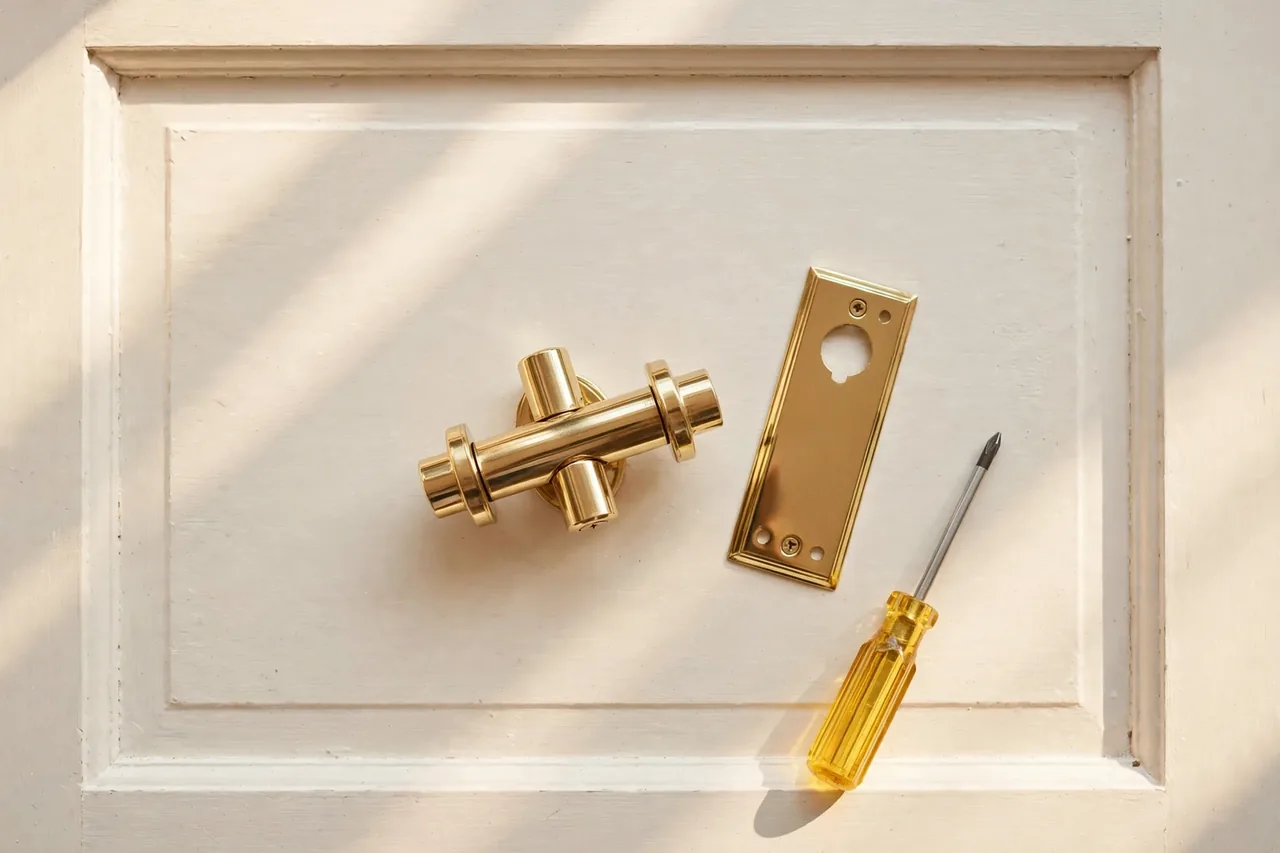
Replacing removes the whole lock and installs a different one. You get new hardware, a new look if you want it, fresh springs, tight tolerances, and new keys. The door may need minor work if the new lock does not match the old holes, and the strike plate may need adjusting so the bolt seats cleanly.
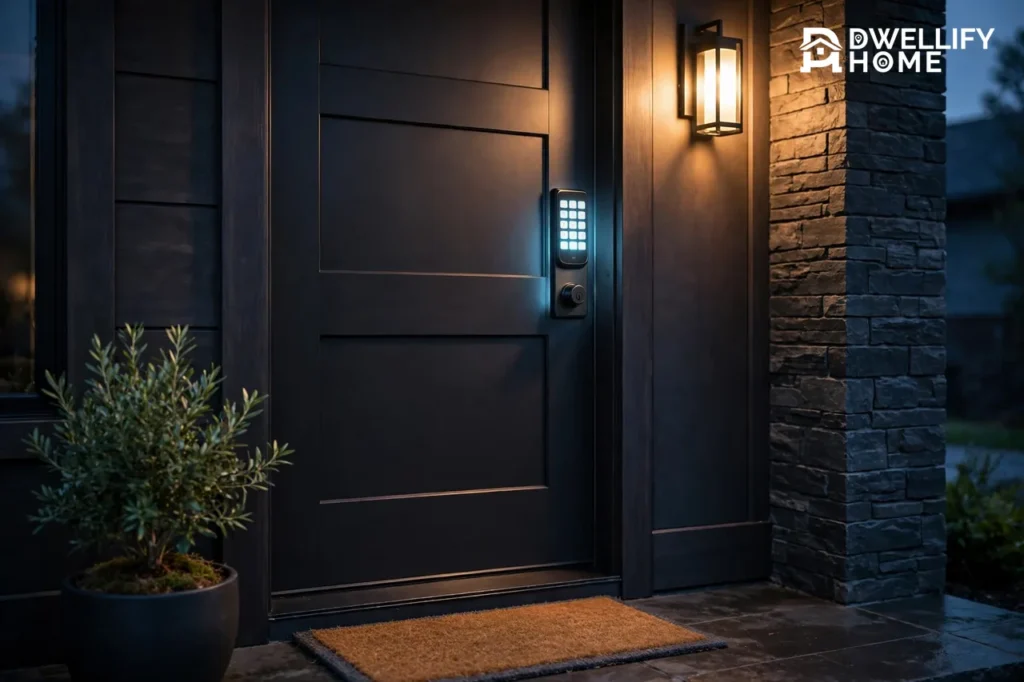
Replacing is the only option that changes what the lock can do. You can step up to a higher ANSI/BHMA grade, pick a finish that matches the door, choose a lever handle that is easier on arthritic hands, or move to a keypad or smart lock with codes instead of keys. A locksmith guide from Colorado Springs lists the same triggers: worn hardware, builder-grade locks, a break-in, or a wish for smart features. See the Colorado Springs rekey or replace guide for the full list.
Replacing also resets the clock on wear. A new lock starts with clean parts and a smooth turn, and it may resist force and weather better than the tired lock it replaces. That is the real value: you are not just changing keys, you are buying ten more years of smooth operation.
Rekeying vs Changing Locks: Side by Side
Caption: Rekeying vs replacing locks at a glance — the choice in one table.
| Factor | Rekey | Replace |
|---|---|---|
| Old keys stop working | Yes | Yes |
| Lock hardware | Stays the same | Brand new |
| Makes the lock stronger | No | Yes, if you upgrade |
| Fixes wear or damage | No | Yes |
| Time per lock | 15 to 30 minutes | 20 to 60 minutes |
| Typical cost per lock | $50 to $130 | $100 to $300 with hardware |
| One key for all doors | Yes, if same keyway | Yes |
| Changes the look | No | Yes |
| Adds smart features | No | Yes |
The table makes the trade clear. Rekeying wins on cost and speed whenever the hardware is sound. Replacing wins whenever the hardware is the problem, because no pin change fixes a worn bolt or a rusted cylinder.
When Rekeying Is the Right Call
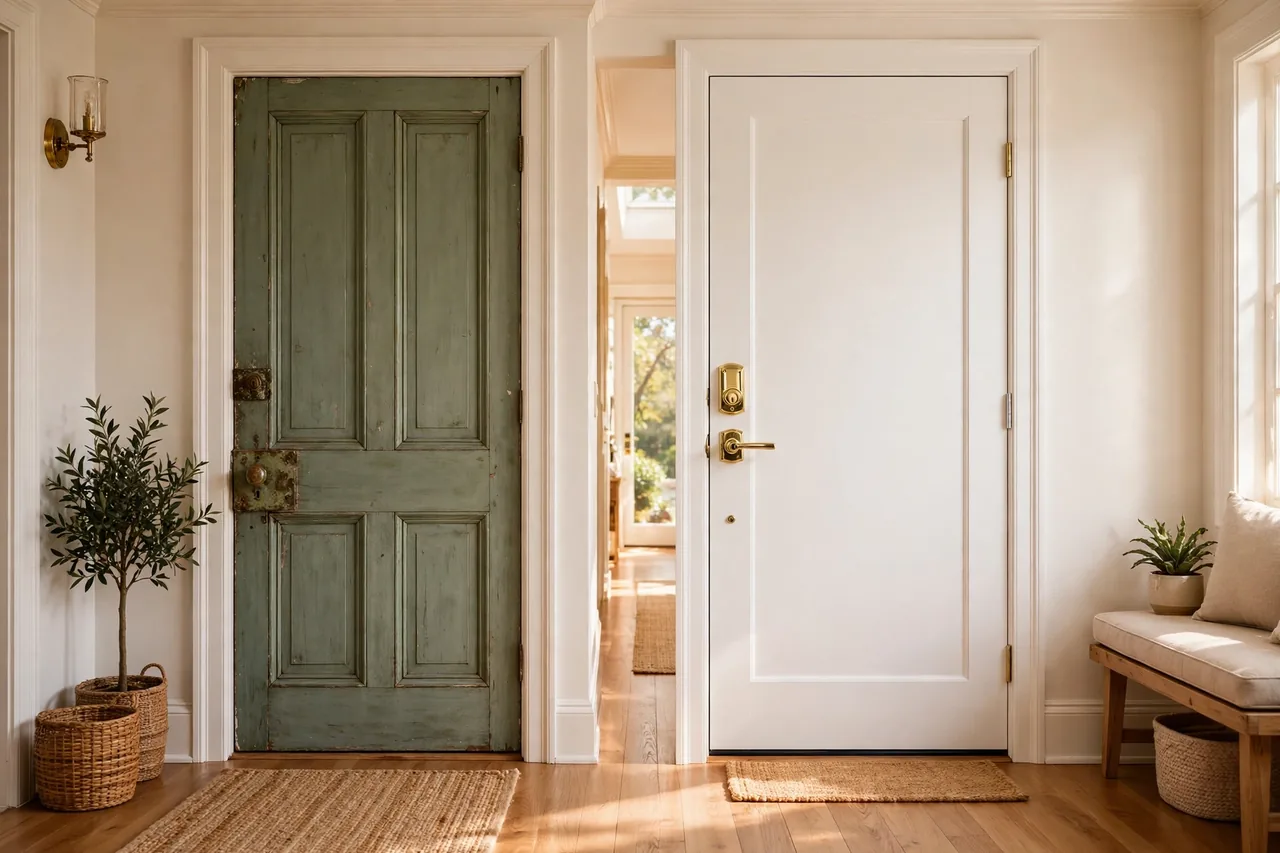
Rekey when you moved into a new home and do not know who holds copies of the old keys: former owners, relatives, contractors, cleaners, and agents. Rekeying cuts off every old key in one visit, and it is the first security job a new homeowner should do. Our cost guide breaks down exactly what that visit runs.
Rekey when you lost a key and do not know where it ended up. Replacing the deadbolt is overkill when the lock works fine; a rekey makes the lost key worthless and gives you a fresh set. Rekey when a roommate, tenant, or partner leaves, and check the lease or landlord rules first if you rent.
Rekey when you want one key for the whole house. A locksmith can match all your cylinders to a single key in one visit, which ends the jingle of four keys on one ring. One key for every door is the best reason to rekey even when nothing is wrong, because it is a daily convenience you feel at every door.
Rekey when the locks are in good shape and the only goal is key control. Walk each door, turn each key, and watch the deadbolt throw fully with the door closed. If everything feels smooth and solid, rekeying is enough.
When Replacing Is the Right Call
Replace when the lock is mechanically tired. If the deadbolt feels stiff, the key is hard to turn, the cylinder wobbles, or the latch does not catch cleanly, the lock is wearing out. Rekeying a worn lock just gives you a new key for the same failing hardware, and the failure will come at the worst time, usually when you are carrying groceries in the rain.
Replace when the hardware is builder-grade or low quality. Many homes ship with the cheapest locks the builder could install, and a rekey keeps that weak hardware in place. A Grade 1 or Grade 2 deadbolt costs more up front and resists force far better than a Grade 3 builder lock.
Replace when you want a different feature: a keypad so the kids never carry keys, a smart lock you can open from your phone, a lever handle that is easier to grip, or a finish that finally matches the door. None of those come from a rekey.
Replace when a break-in damaged the lock or the door around it. After an attempted entry, the door frame matters more than the lock: a split frame must be repaired first, because even the best new lock cannot hold a broken frame. A locksmith can check both and tell you what the door needs.
The Four-Question Test That Decides It
Go to each outside door and ask four questions. Does the key turn smoothly? Does the deadbolt go all the way out with the door closed? Is the lock free of rust, cracks, and wobble? Are you happy with how it looks and works? If you answered yes to all four, rekey that lock. If you answered no to any of them, that lock needs repair or replacement.
Run the test door by door, because the answer is rarely the same everywhere. The front door may be a tired builder lock that deserves replacing, while the back door and garage door are solid and only need a rekey. A sensible plan is to have a locksmith check each lock for wear, rekey the good ones to a single key, and replace only the ones that fail the test.
The brand and keyway catch trips up most people here. Lock brands are not interchangeable, and different makers use different keyways. If your front door is Kwikset and your back door is Schlage, one key cannot open both unless you swap one lock to match the other. Ask the locksmith which brand your doors use before you decide, because that answer shapes the whole plan.
What Most People Get Wrong
Most people think rekeying makes a lock more secure. It does not. A rekeyed lock is exactly as strong as it was before, because the bolt, the strike, and the door frame did not change. If a burglar could force the door before, they can force it after. Real security comes from the lock grade, the strike plate screws, and the frame, not from the key.
The second wrong belief is that replacing is always the safer choice. A new cheap lock is no safer than the old cheap lock it replaced, and it costs far more than a rekey. A rekeyed good lock beats a replaced cheap lock every time. Spend the replacement money only where the hardware truly earns it.
The third mistake is rekeying a lock that cannot be rekeyed. Mortise locks, some smart locks, and restricted-keyway locks each follow their own path, and some cannot be rekeyed at all. A locksmith can tell in a minute by looking at the lock face, so ask before you book the job.
How Much Each Option Costs
Rekeying with a locksmith runs $50 to $130 per lock, with a trip fee of $50 to $150 on top, and a whole home with four to six locks lands between $200 and $500. A do-it-yourself kit costs $8 to $15 and covers up to six locks. Replacing costs more: a locksmith charges a $40 to $100 minimum fee plus $20 to $30 of labor per lock, and the hardware adds $25 to $50 per standard lock or $130 to $265 per high-security lock.
Do the math for a four-lock home. Rekeying all four runs roughly $200 to $500 in one visit. Replacing all four with standard hardware runs $220 to $420 with the locksmith supplying the locks, and high-security hardware pushes it to $640 to $1,280. The gap is real, and it is why rekeying is the default unless a lock fails the four-question test.
Get the quote in writing before the visit, and ask it to list the trip fee, the per-cylinder or per-lock charge, and the number of keys included. A locksmith who quotes clearly usually bills clearly too. Our companion cost guide has the full price tables and the questions to ask.
Related Guides
If you are securing a home after a move, our best home safe guide shows where to store spare keys and valuables, and our best home security camera system guide compares full camera setups so you can watch the doors you just secured.
.
Frequently Asked Questions
Does rekeying cost less than replacing locks?
Yes, almost always. Rekeying charges labor and new pins only, while replacing adds new hardware at $25 to $50 per standard lock or $130 to $265 per high-security lock, plus labor. A four-lock home costs $200 to $500 to rekey and $220 to $420 or more to replace.
Is a rekeyed lock as secure as a new one?
It is exactly as secure as it was before the rekey, because only the pins changed. The bolt, strike, and frame are untouched. A rekeyed good lock is safer than a replaced cheap lock, so replace only when the hardware itself is worn or weak.
Should I rekey or replace locks after moving into a new home?
Rekey, if the locks are in good condition. You do not know who holds copies of the old keys, and rekeying cuts them all off in one visit. Replace only the locks that fail the four-question test: smooth turn, full bolt throw, no rust or wobble, and a look you like.
Can all my locks be rekeyed to one key?
Yes, if they share a keyway. Locks from the same brand family usually can be matched to one key. Kwikset and Schlage use different keyways, so mixed-brand homes need one lock swapped to match the other before a single key works everywhere.
How long does rekeying take compared to replacing?
Rekeying takes 15 to 30 minutes per lock, while replacing takes 20 to 60 minutes per lock because the old hardware comes off and the new lock must be fitted and adjusted. A whole-home rekey usually finishes in one to two hours.
Walk your doors, run the four-question test, and rekey the good locks while you replace only the tired ones. That plan cuts off every old key, fixes the weak spots, and spends your money where it actually makes the home safer.