
Key Takeaways
- Garage doors are an important part of a home’s storm-readiness plan.
- Visible wear, loose hardware, and unusual movement deserve attention before storm season.
- Safety features should work correctly, but normal operation does not prove storm resistance.
- Wind-rated and impact-rated doors provide different forms of protection.
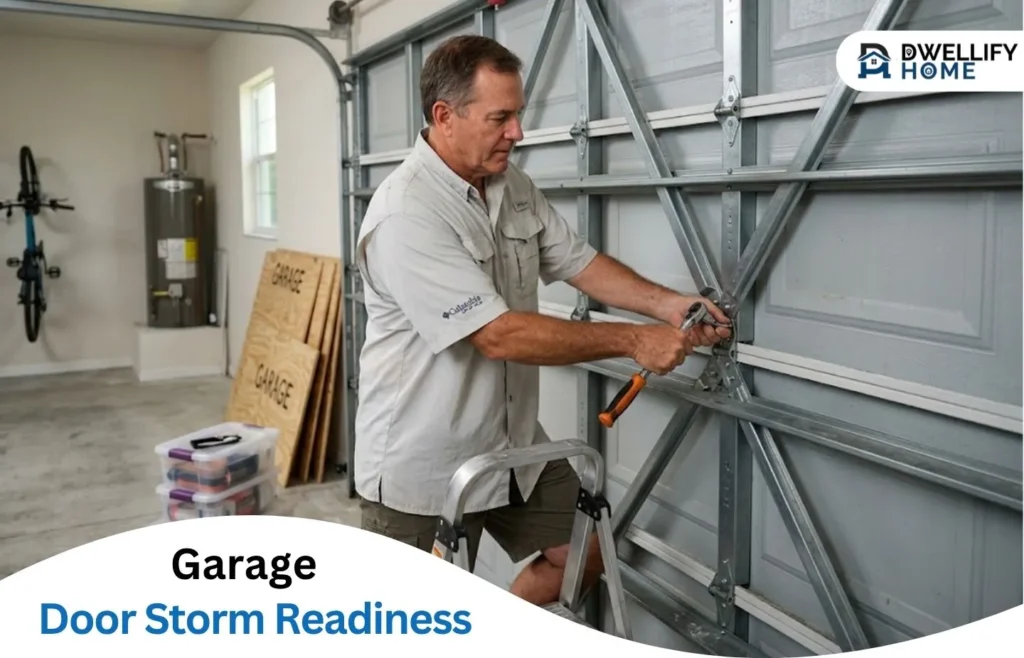
- Springs, cables, tracks, and structural damage should be handled by trained professionals.
In Estero, Florida, garage doors face year-round humidity, driving rain, salt-laden coastal air, and the possibility of tropical weather. Because the garage is often one of the largest openings in a home, storm preparation should include more than stocking supplies and clearing the yard. Homeowners who notice wear or unreliable operation should arrange Estero garage door repair well before a storm watch is issued.
A door that is bent, loose, poorly sealed, or off balance may be more vulnerable when wind and rain intensify. A simple preseason inspection, a clear plan for storm day, and prompt attention to warning signs can help homeowners avoid making urgent decisions when conditions are already deteriorating.
Why Garage Door Preparation Matters in Estero
A garage door covers a broad opening, which means wind can place significant pressure on its panels, tracks, and mounting points. If the door fails or opens unexpectedly, wind-driven rain can enter the garage. In some situations, air entering a large opening can add pressure inside the home and increase stress on other building components.
Small problems can become larger storm-day hazards. For example, a roller that sticks or a track that has shifted slightly may not stop daily operation, but the door can move unevenly or bind under stronger wind conditions. Local reporting on hurricane protection has emphasized that garage doors are vulnerable openings and that reinforcement should be designed for the door rather than improvised at the last minute.
When reviewing protection for doors, windows, and other openings, Florida homeowners can consider this storm-preparation guidance for protected windows and doors alongside the specifications for their own garage door.
Check the Door Before Storm Season
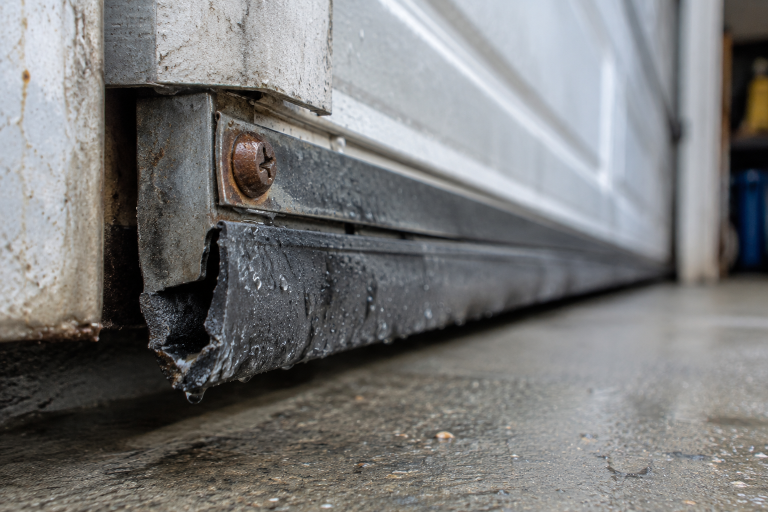
Start with a visual inspection from the ground while the door is closed. Look for cracked or dented panels, corrosion, rusted fasteners, loose hinges, worn weather seals, and gaps around the frame. In Estero’s humid environment, moisture-related corrosion and deteriorated bottom seals can be especially important to catch early.
- Confirm that the door sits evenly against the floor when closed.
- Operate the door and watch for shaking, scraping, sticking, or unusual noise.
- Inspect the tracks for obvious bends, loose brackets, or debris.
- Check the surrounding frame for movement, gaps, staining, or signs of water entry.
- Do not remove spring covers or handle high-tension springs and cables yourself.
Test Main Safety Features
Follow the opener owner’s manual to test the auto-reverse feature with a small object placed in the door’s path. Test the photo-eye sensors, clean away dust or cobwebs, and make sure the sensors are aligned according to the manufacturer’s instructions. Also, confirm that the wall control, remote controls, and manual release function as intended.
A safety test is not a wind-resistance inspection. A door can reverse properly during ordinary use and still lack the rating, reinforcement, condition, or installation needed for severe weather.
Understand Wind-Rated and Impact-Rated Protection
Wind-rated doors are designed and tested for specified wind pressures. Impact-rated products address another concern: resistance to debris impacts as well as wind pressure. These features are not interchangeable, so homeowners should not assume that a heavy door, extra hardware, or a general “hurricane” label provides every type of protection.
Check the door label, product approval information, and installation instructions. The suitable rating depends on the opening size, location, door design, and applicable local requirements. Any reinforcement system should match the manufacturer-approved configuration for that door.
Review Bracing, Locks, and Hardware
Inspect hinges, rollers, brackets, bolts, tracks, and fasteners for looseness, wear, or damage. If the door uses removable storm bracing, store all parts and instructions in a dry, easy-to-reach place. Do not use a parked vehicle, lumber, or unapproved equipment as a substitute for a designed bracing system.
If the door has a manual lock, know how it works and do not engage it while the automatic opener is expected to operate. A locked door can strain the opener if someone tries to run it.
Create a Simple Storm-Day Plan
- Move vehicles, patio items, bins, and loose outdoor objects away from the garage door.
- Close the door before dangerous winds arrive, rather than waiting until conditions worsen.
- Use any approved bracing system exactly as instructed.
- Keep flashlights, batteries, basic tools, and manual-release instructions accessible.
- Plan another safe exit route in case the garage door cannot be opened after the storm.
Garage preparation works best as part of a broader household plan. Reviewing tropical cyclone preparedness can help families think through supplies, communication, evacuation decisions, and home protection before severe weather approaches Southwest Florida.
When Repair or Replacement Makes Sense
Cleaning tracks, replacing weather seals, or tightening accessible hardware may resolve minor issues. However, a sagging door, broken cable, loud grinding, unstable movement, damaged track, or door that drops quickly calls for professional evaluation. Spring and cable systems store substantial tension and can cause serious injury if handled incorrectly.
Replacement may be more practical when the door has recurring failures, widespread corrosion, bent panels, a shifted frame, unavailable parts, or no clear wind-rating information. Compare repair costs with the door’s age, overall condition, storm-readiness goals, and the availability of an appropriately rated replacement. Appearance matters, but proper fit and approved installation matter more.
Post-Storm Garage Door Inspection
After a storm, look for dents, broken windows, torn seals, water intrusion, shifted tracks, loose hardware, and panels that no longer align. Do not operate a door that appears off track, unstable, or visibly damaged. Photograph damage for insurance records, keep children and pets away from the area, and have the door inspected before using the opener if there is any doubt about its condition.
Common Questions Homeowners Ask
How often should a garage door be checked?
Perform a seasonal visual check and inspect the door after major storms or any unusual operating problems.
Can every garage door be reinforced?
No. Some doors may accept manufacturer-approved reinforcement, while others may need replacement because of their design, condition, or available documentation.
Does a wind-rated door stop flying debris?
Not necessarily. Verify whether the product is rated for wind pressure, debris impact, or both.
What if the door will not open after a storm?
Do not force it. Check for visible hazards, keep clear of the door and tracks, and arrange an inspection when damage or instability is present.
Conclusion
Garage door storm readiness is easier when it begins early. For Estero homeowners, a short inspection, working safety features, approved protection, and a practical storm-day plan can reduce avoidable problems when severe weather arrives.
This article may contain links associated with commercial affiliate or sponsored arrangements. Dwellifyhome.com may receive compensation from qualifying transactions completed through these links, contributing to the ongoing operation and maintenance of the website.



