A productive property exploration day starts before you step outside. Whether you want to simply explore grounds or investigate an area’s potential for gold, a clear plan helps you spend more time exploring and less time solving avoidable problems.
Start by defining what you want to learn about the property. Then match your tools, route, and safety preparations to that goal, leaving enough flexibility to turn back when conditions change.
Gather Tools for Your Outdoor Property Exploration Day
Build your kit around the terrain and your main activity rather than packing every tool you own. Keep essentials accessible so you can check your location, treat a scrape, or adjust your plans without emptying your backpack.
Pack Navigation and Recording Supplies
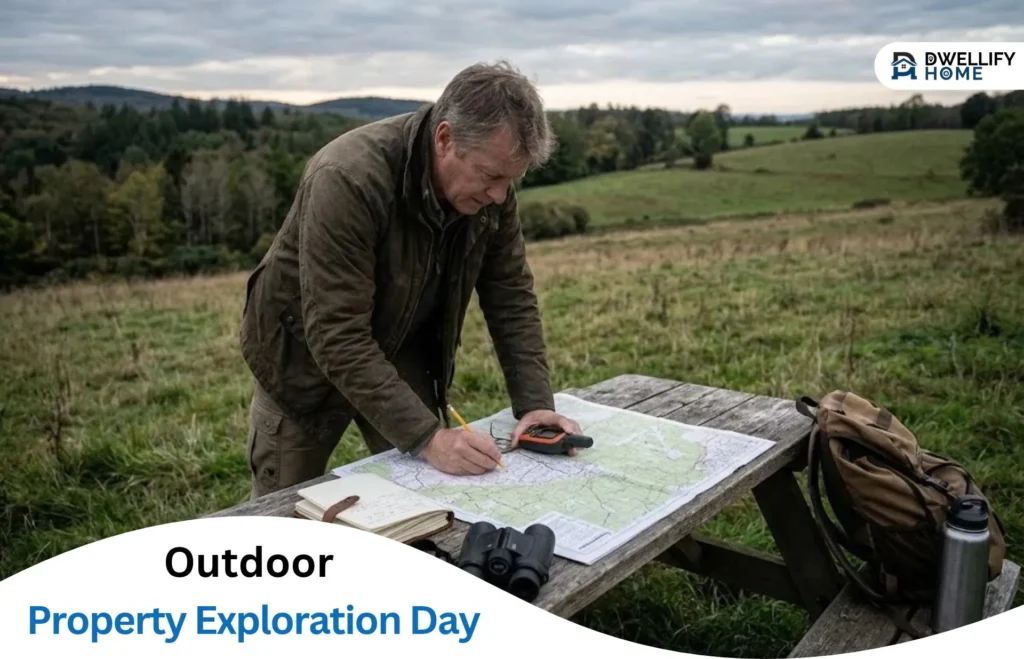
Carry a property map that shows boundaries, access points, and recognizable landmarks. Download an offline map before leaving home, and bring a paper backup in a waterproof sleeve.
A compass, notebook, and pencil give you ways to navigate and record observations without relying entirely on batteries. Label photos and notes with locations so you can revisit interesting features without retracing every step.
Match the Detection Equipment to Your Goal
Choose specialized equipment to serve your exploration plan. One item you’ll undoubtedly need is a metal detector.
If you plan on gold prospecting as part of your day, look at Serious Detecting gold detectors. They’re designed to find small, low-conductivity nuggets in mineralized ground.
Practice with your detector before heading out, including adjusting its settings and recognizing different signals. Bring charged batteries, headphones if appropriate, and permitted recovery tools, but avoid digging until you have confirmed permission and checked for buried utilities.
Pack Reliable Communication Equipment
Carry a fully charged phone in a protective case, along with a power bank and the correct charging cable. Save your emergency contacts and the property’s address or access coordinates where you can find them quickly.
If you are exploring with others, bring two-way radios to help everyone stay in touch. Test them before setting out, and agree on a channel and check-in schedule.
Carry Essentials for Delays
Pack drinking water, extra food, a headlamp, weather protection, and a compact first aid kit. Also, navigation equipment and supplies for unexpected delays belong in your basic kit.
Choose sturdy footwear suited to uneven ground and gloves for handling rough equipment. Keep the pack manageable by checking that every item has a clear purpose.
Prepare Your Route and Property Access
Good preparation reduces uncertainty without turning the outing into a rigid schedule. Set a modest goal, then plan a route that leaves time for observation, breaks, and a comfortable return.
Confirm Boundaries and Permissions
Get the landowner’s permission before entering private property, and ask which areas are off-limits. Clarify whether that permission includes detecting, digging, collecting specimens, or using access roads.
Public access does not automatically mean unrestricted collecting. The Bureau of Land Management explains that mineral collection on its lands remains subject to restrictions, including active mining claims and closed areas, so check the rules for your exact destination.
Choose a Manageable Route
Study slopes, water crossings, vegetation, and available exit points before selecting your route. Estimate time generously, especially if you expect to stop frequently or carry equipment across uneven ground.
Mark three practical checkpoints before departure:
- Your starting point and parking location
- Your farthest planned exploration point
- Your turnaround point and return deadline
Favor a short route with room for careful observation over an ambitious loop that forces you to rush. Identify an easier alternative in case the ground is wetter, steeper, or more overgrown than expected.
Check Conditions and Share Your Plan
Review the weather forecast shortly before leaving, including expected heat, rainfall, wind, and thunderstorms. Ask the property owner about recent flooding, damaged fences, livestock, or work taking place on the land.
Give a trusted person your route, parking location, companions’ names, and expected return time. Agree on what they should do if you miss your check-in, rather than leaving them to guess whether a delay matters.
Follow a Clear Safety Plan
Safe exploration depends on paying attention throughout the day, not simply packing emergency supplies. Reassess your surroundings whenever the terrain, weather, or group’s energy changes.
Watch Your Footing and Respect Hazards
Walk slowly around loose rock, hidden holes, fallen branches, and slippery banks. Keep enough distance between companions that a sudden stop or stumble does not cause a collision.
Stay out of abandoned structures, mine openings, wells, and unstable excavations. A promising signal or interesting feature is not worth entering a place where the ground or structure may fail.
Avoid disturbing unknown containers, suspicious metal objects, or anything that could be hazardous. Mark the location from a safe distance and report the concern to the property owner or appropriate authorities.
Manage Sun Exposure and Biting Insects
Use sun protection, take breaks, and drink water regularly rather than waiting until you feel worn out. Adjust your pace and shorten the route if heat or fatigue starts affecting the group.
For brushy or wooded areas, follow prevention guidance from the CDC, including appropriate insect repellent and protective clothing. Check your clothing and skin for ticks after exploring, and make that check part of your return routine.
Set Firm Turnaround Rules
Turn back when daylight, weather, water supplies, or someone’s condition makes continuing a poor choice. Keep the group together, and never let a discovery override the agreed return deadline.
If someone becomes injured or you lose your bearings, stop and assess the situation before moving farther. Use your map and communication equipment, seek emergency help when needed, and avoid improvising a shortcut through unfamiliar terrain.
Making Your Next Exploration Day Easier to Plan
A successful outdoor property exploration day leaves you with useful observations, clear records, and a safe return. The right tools support your goal, preparation keeps the route realistic, and firm safety limits help you make sound decisions outside.
Afterward, review what worked and what you would change before returning.
Has this article been useful? If so, take a moment to explore some of our other insightful posts!
Please note that Dwellifyhome.com may earn revenue through affiliate links and sponsored content. Certain links in this article may generate commissions or reflect paid partnerships that help support our website’s operations.