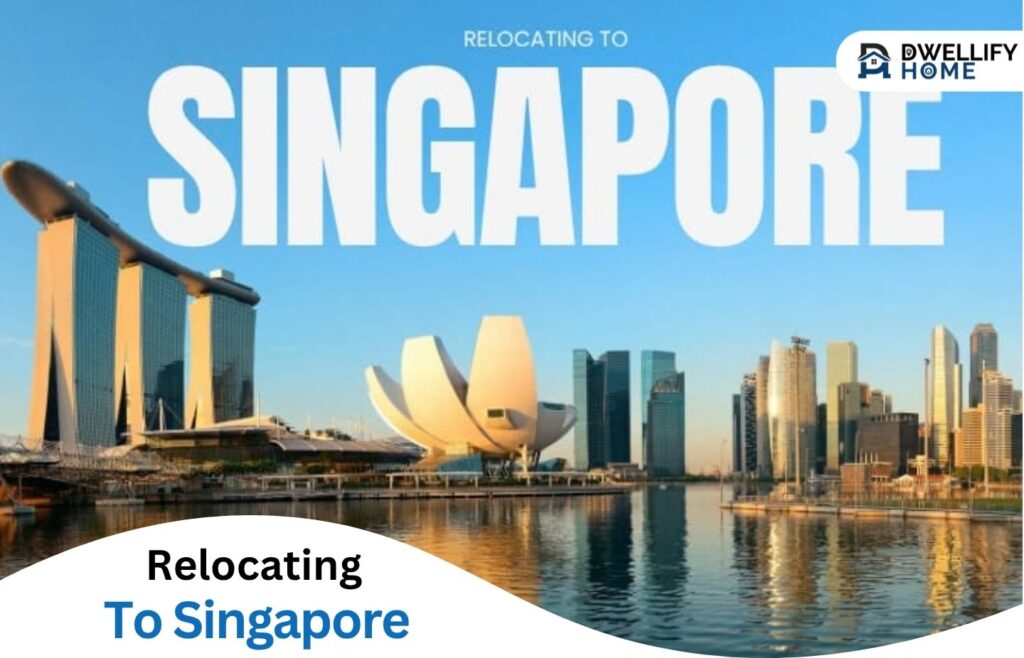
Singapore’s total population has jumped to an estimated 6.12 million, driven primarily by an increase in foreign professionals, relocations and specialised workers moving to the city-state. In fact, based on global benchmarks like the 2026 Rumavi Global Relocation Index, Singapore ranks second worldwide and first in Southeast Asia as the leading destination for global families, entrepreneurs and wealth migration.
Singapore’s strategic location, stable regulatory environment, stringent rule of law and political neutrality are key growth drivers for relocations. Its attractive taxation system, quality of life and flourishing economy (with more corporations viewing it as a Gateway to Asia for their HQs) are other reasons. Yet, choosing the right accommodation is a must while relocating to Singapore. There are several things to consider before choosing an apartment in Singapore. Let us look at them more closely below.
Choosing Singapore Apartments: What You Should Look At
Choosing traditional or furnished short-term or long-term apartments requires you to look at several aspects in more detail. They include:
1. Upfront Costs and Financial Preparation
- Initial Costs: You will mostly need 3-4 months of rent in upfront cash as the security deposit (1-2 months’ rent and the first month’s advance rent), along with Government stamp duty.
- Added Charges: Factor in agent commissions if applicable and extra internet, utilities and home maintenance for traditional unfurnished rentals.
- Watch Out For: Landlords may need you to serve air conditioning units quarterly at your expense in some cases.
- Extra Hassles/Costs: For unfurnished rentals, you’ll have to spend a significant amount on buying/renting furniture, essentials and setting up utilities (not to mention the time involved).
2. Eligibility & Property Types
- Regular Options: Newcomers or expats on work passes may look to private market rentals like landed properties or condominiums. Public housing (HDB flats) is mainly restricted to citizens or permanent residences or needs stringent occupancy periods.
- Legal Rules: Private properties like condos may need minimum rental periods of 3 months, while HDB rentals need a minimum of 6 months. Short-term vacation rentals cannot be private residences.
- Serviced Apartments: Serviced apartments can be good options to move in and settle down before looking for more permanent accommodation. They often come with flexible short- and long-term leases, along with full furnishings, essentials, utilities, and on-site perks like hotels (pools, gyms, lounges, etc.).
- Lease Terms: Check the lease terms for all-inclusive weekly or monthly pricing (covering utilities, housekeeping, and Wi-Fi). Also enquire about workspaces if you need them, along with housekeeping frequency and minimum stay requirements (if any).
- What You Get: Kitchens and on-site laundry enhance convenience, along with concierges, cleaning, and 24/7 security at serviced apartments. They are ideal for extended stays for expats and families before considering a future move. They also eliminate the initial hassles and costs of relocation.
- Added Benefits: You can choose from a range of apartment configurations, from studios to three-bedroom apartments, depending on your space and stay requirements. Many serviced apartments may also offer monthly advance payments instead of requiring a large security deposit.
3. Location and Neighbourhood
- Transit Points: Living close to MRT (mass rapid transit) stations or bus stops heavily influences the rental rates but saves you commute time.
- Prime Areas: Central locations near the CBD or Orchard Road have higher rates, while fringe regions offer more space at lower prices.
- What to Look For: Check how close you are to supermarkets, pharmacies, hawker centres, international schools and clinics, along with transit points.
4. Inspection & Inventory Checks
- Physical Condition: Before signing the lease or moving in, check the unit carefully for water damage, scratches, mould, or broken fixtures.
- Inventory: Record an inventory list with the landlord to safeguard your security deposit when you move out.
- Reputation Matters: Try renting a serviced apartment from a leading brand to avoid all these hassles. Read reviews of your chosen property before moving in.
- What to Check: Check maintenance conditions in serviced apartment leases, along with flexibility in terms of extensions or cancellations.
Best Neighbourhoods to Move to Singapore
Now that you have a basic checklist for choosing apartments to move to Singapore, it’s time to look at the locations in more detail. Which are the best neighbourhoods to stay in the city-state? Let us look at some of the top recommendations below:
1. River Valley and Robertson Quay
It is a central location offering riverside lifestyles with a vibrant environment.
- Ideal For: Younger professional couples, families, and solo travellers who want quick commutes to the CBD and excellent dining/nightlife options.
- Apartment Options: Contemporary high-rise luxury condos and premium serviced apartments.
- Average Rental Range: SGD 6,500-11,000 per month.
- Key Perks: Great connectivity through the Great World MRT station and easy walkability along the river directly into the CBD. The Great World City mall is also accessible, along with top-notch medical clinics, retail stores, and supermarkets.
2. Holland Village & Buona Vista
It is a more community-centric neighbourhood with a suburban yet bohemian vibe.
- Ideal For: Expat families with school-going children and professionals working in the nearby One-North research and technology hub.
- Apartment Options: High-rise condominiums around Farrer Road, low-rise apartments near the centre, and newer housing complexes.
- Average Rental Range: SGD 6,000-12,000 per month.
- Key Perks: Easy access to leading international schools like the Tanglin Trust School and United World College. The Holland V enclave offers pedestrian-friendly streets with artisanal bakeries, bars, and European-style cafes.
3. Tanjong Pagar & Chinatown
These zones offer more authentic and local experiences with several cultural landmarks and a bustling vibe.
- Ideal For: Urban professionals and solo relocators who want to stay next to the financial district without transit hassles.
- Apartment Options: Premium and contemporary skyscrapers with great lifestyle amenities and fully furnished boutique co-living spaces within historic shophouses.
- Average Rental Range: SGD 5,000-9,000 per month.
- Key Perks: Walk-to-work benefits for those with offices in the Central Business District (CBD). There is also quick access to Michelin-starred restaurants, well-known rooftop bars and iconic hawker markets like the Maxwell Food Centre.
4. East Coast (Katong & Joo Chiat)
It is a relaxed beachside community with rich cultural heritage.
- Ideal For: Relocators looking for better work-life balance, pet owners and those looking to embrace local Peranakan culture.
- Apartment Options: Plenty of apartments from leading brands like TheSqua.re serviced apartments in Singapore (along the East Coast).
- Average Rent Range: SGD 5,000-10,000 per month.
- Key Perks: Excellent connectivity through the Thomson-East Coast MRT Line and direct connectivity to the pristine East Coast Park for running, cycling and seaside meals. There is more square-footage value for the price than in central districts, with access to Parkway Parade and popular local markets.
Plan Your Singapore Move with Confidence
Choosing an apartment in Singapore requires careful consideration of the factors mentioned above before you make the move. If you are planning to book a serviced apartment, it is worth booking in advance, as Singapore attracts a steady flow of travellers throughout the year. Early booking can give you access to better availability and potentially better rates. You can also ask about extended-stay or long-term discounts to help reduce your overall accommodation costs.
Please note that some links throughout this article may be monetized through affiliate or sponsored arrangements. Dwellifyhome.com may receive a small commission from qualifying purchases, helping us continue operating and developing the site.