There are tons of things to navigate and factor in when purchasing property or renovating a house. But set aesthetics and comfort aside for a second. There are 3 main things that modern-day homeowners really care or scare about the most every day: water, electricity, and gas.
Propane happens to be at the center of all three, keeping homes warm, water heated, kitchen stoves working, and laundry machines running.
The perks of propane’s clean-burning energy are fantastic, but caution is always warranted during major home renovations or house purchases. If the home in question is equipped with propane energy infrastructure, here’s an approach you can use to make sure your household’s energy needs are safely met.
Evaluating the Home Square Footage and Baseline Energy Loads
Calculating total square footage forms the bedrock of any successful residential energy audit. Larger floor plans demand significantly greater BTU output from your central systems to maintain comfortable indoor temperatures.
Mapping out thermal envelopes helps determine whether your current infrastructure can handle peak winter demands without excessive strain. Ignoring these baseline calculations often leads to severe underheating issues during sudden cold snaps.
Assessing the Existing Tank Size and Condition
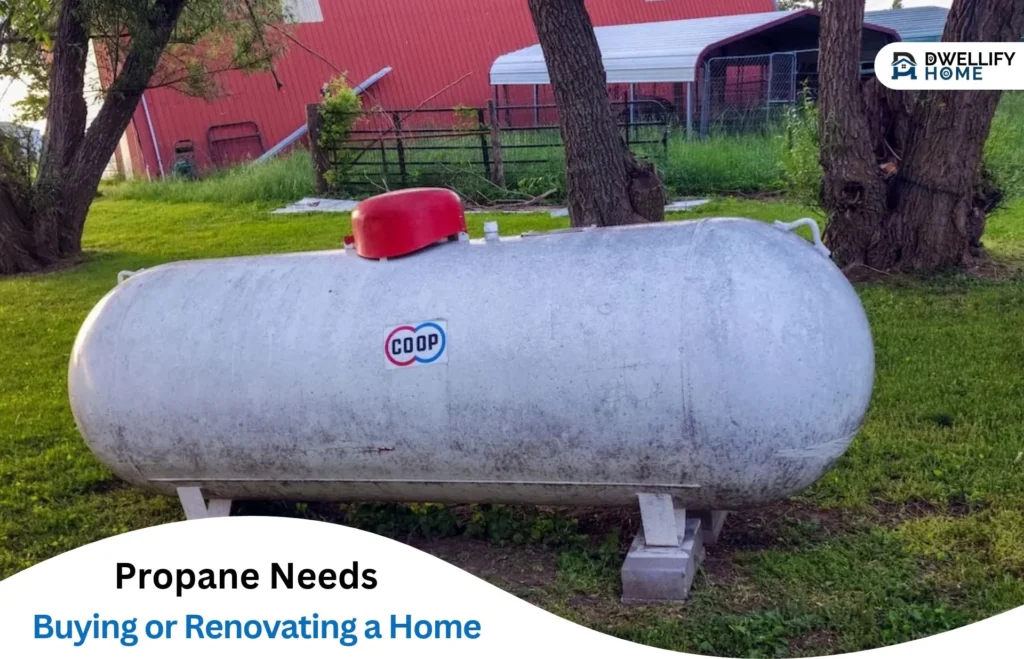
Before finalizing a property purchase or kicking off a major renovation, it’s wise to first evaluate your current tank’s condition and usage projections carefully. You’d want to ask yourself one question many smart homeowners ask: What size propane tank do I need for my household? The tank guys at Pinnacle Propane explain the numbers in detail, like what to expect from a 500-gallon or 1000-gallon tank depending on the size of your home and specific usage demands.
If aesthetics matter or space is a factor, these gas tanks are also available in different styles and models that can be installed above ground or underground. Inspecting tank age certification plates prevents sudden regulatory compliance issues. Reviewing past fill logs also reveals historical consumption patterns that guide future purchasing decisions.
Review Current and Prospective Propane Appliances
A successful system update requires auditing every gas-burning appliance currently on the premises alongside any future upgrades you plan to install.
- Cooking ranges and clothes dryers drawing steady daily fuel
- Outdoor fire pits and pool heaters consuming high volume during peak seasons
- Propane powered house heating systems
Mapping these loads prevents unexpected fuel shortages when multiple units operate simultaneously.
Analyzing the Main Heating System
Central furnaces represent the largest single draw on residential fuel supplies during winter months. Choosing high efficiency mechanical equipment reduces overall fuel consumption without sacrificing indoor comfort.
Proper duct sealing further optimizes performance across cold weather cycles while lowering monthly utility expenditures. Upgrading outdated furnaces protects your household against unexpected heating failures.
Inspecting Water Heater Specifications
Tankless water heaters deliver endless hot water while minimizing standby energy losses common in older storage tank models. Matching burner capacity to household occupancy prevents frustrating temperature drops during peak morning hours. Upgrading to modern units significantly enhances overall household efficiency.
Factoring in Backup Generator Requirements
Grid reliability remains a persistent concern during severe weather events across many suburban and rural neighborhoods. Integrating a standby generator requires precise electrical load balancing to ensure seamless emergency startup operations during unexpected outages.
It is important to size your generator correctly so you can prevent power drops when heavy household appliances kick on simultaneously. Adequate fuel reserves ensure uninterrupted backup power during extended grid failures.
Examining Potential Future Property Additions
Ignoring propane load planning during a renovation is like tuning a high-performance engine while keeping the parking brake engaged. You consume resources rapidly without moving forward. A distinction between what to repair and what to replace must be established before contractors open up interior walls.
Future additions like guest suites or outdoor kitchens will strain existing lines if capacity is not budgeted upfront. Proactive planning eliminates the need for disruptive retrofits down the road.
Reviewing Local Delivery and Safety Regulations
Municipal zoning codes dictate strict clearance distances for propane storage vessels relative to property lines and ignition sources. Reviewing the remodeling compliance standards set by the local government helps avoid costly project delays or failed building inspections.
Delivery truck access paths also require careful consideration during landscaping layout planning. Having clear tanker routes in your plan prevents service disruptions during scheduled refill visits.
Budgeting for Maintenance and Fuel Consumption
Operating gas appliances involves ongoing operational costs beyond initial installation fees. You want to set aside funds for periodic safety valve inspections to ensure long-term system reliability. With a keen eye on fuel price fluctuations, you cushion your household cash reserves against severe winter spikes.
Prudent financial forecasting keeps your energy budget stable year-round.
Navigating Your Propane Property Journey
Smart planning transforms a complex energy transition into a smooth homeownership experience. Evaluating structural capacity and appliance demands early prevents costly redesigns later.
Local code compliance protects both your investment and family safety, and proper maintenance schedules guarantee uninterrupted comfort through every season. If this piece was helpful, take the time to explore more practical tips on home energy management here.
Disclosure: Certain links in this article may be affiliate or sponsored links. Dwellifyhome.com may receive a commission or other compensation through these partnerships, supporting our continued content creation.