A home can be filled with furniture and décor you genuinely like yet still feel disconnected. That usually isn’t a lack of taste. It means the room is missing a clear thread linking its colors, shapes, materials, and mood.
Asking “what is my interior design style?” is really asking which visual qualities you repeatedly prefer and how to use them consistently. The goal isn’t to squeeze your taste into one rigid category. It’s to develop a useful direction for decorating, shopping, and working with what you already own.
Short Definition
Your interior design style is the recurring mix of colors, shapes, materials, furniture, and moods you prefer. Identifying it helps you make cohesive decorating and shopping decisions.Mission Statement
DwellifyHome helps homeowners, renters, and home lovers make practical, informed choices that create more comfortable, functional, and personal living spaces.
Quick Style-Discovery Checklist:
- Choose three to five words describing your ideal home.
- Collect rooms and objects you genuinely love.
- Note recurring colors, shapes, materials, and finishes.
- Identify your dominant style and secondary influences.
- Consider your lifestyle, architecture, lighting, and budget.
- Write a one-sentence style brief.
- Test the direction before making major purchases.
What Is an Interior Design Style—and Do You Need One Label?
Your interior design style is the recurring combination of mood, color, form, material, and detail that makes a room feel right to you. It might align closely with one recognized style, but it can just as easily combine several influences. What matters is finding a clear direction, not a perfect label.
Style names are useful because they give you vocabulary. Terms such as transitional, organic modern, or mid-century modern make it easier to search for furniture, explain your preferences, and compare ideas.
They aren’t rules, though. A traditional house can contain contemporary lighting, and a modern apartment can include an antique cabinet. Your personal style should guide decisions without limiting meaningful or functional choices.
Decide How You Want Your Home to Feel and Function
Start with atmosphere before choosing furniture or saving more inspiration. A room’s mood often reveals more about your taste than a style quiz result.
Choose Three to Five Words That Describe Your Ideal Home
Consider which side of these preferences feels closer to you:
- Calm or energetic
- Light and airy or dark and intimate
- Clean and restrained or layered and collected
- Casual and relaxed or tailored and formal
- Fresh and modern or aged and character-rich
Choose words that describe how you want to feel in the room, not what currently appears fashionable. “Warm, uncluttered, natural, comfortable, and quietly refined” gives you a more useful direction than simply choosing “modern.”
Check Whether That Feeling Fits How You Actually Live
An attractive room isn’t automatically suitable for your routines. A household with pets, children, frequent guests, or limited storage may need durable fabrics, comfortable seating, washable surfaces, and fewer delicate accessories.
Consider your tolerance for clutter and upkeep as well. A layered maximalist room may look appealing online but feel demanding to maintain. A highly minimalist space may appear peaceful but feel impersonal if you enjoy displaying books, art, and travel finds.
Your style needs to work on an ordinary weekday, not only in a carefully photographed room.
Find the Common Thread in What You Already Love
Your preferences are probably visible in the rooms, clothes, objects, and places you already choose. The task is to identify what keeps repeating.
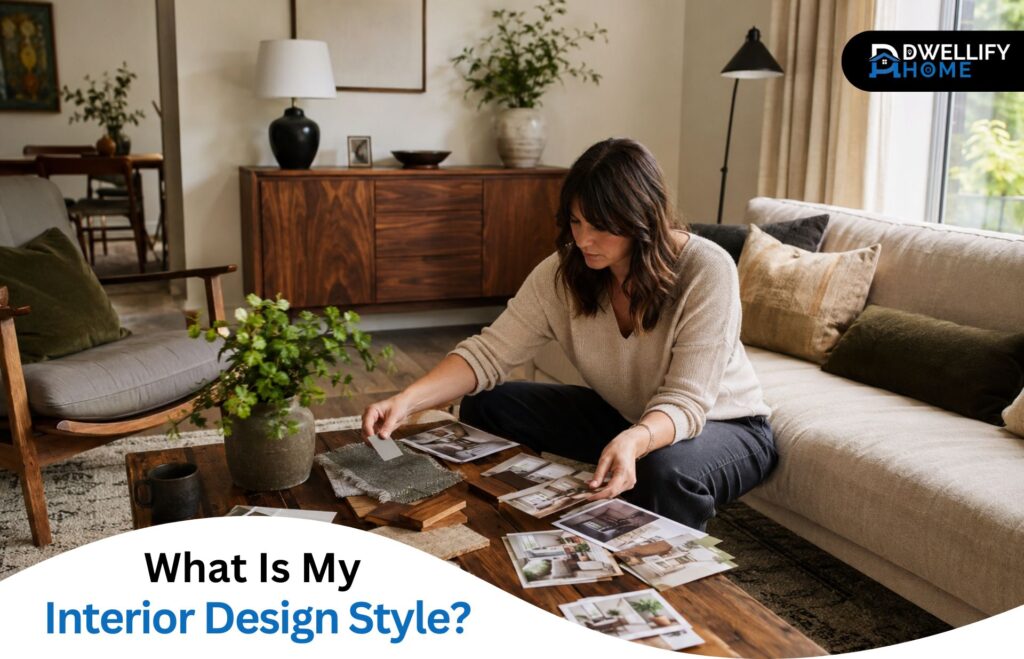
Build a Focused Mood Board
Collect rooms that receive an immediate and genuine “yes.” Use saved photos, magazine pages, screenshots, hotel interiors, restaurants, or pictures from homes you’ve visited.
Keep the collection focused enough to compare. A board containing hundreds of vaguely appealing rooms often creates more confusion.
Record Exactly What You Like—and Dislike
Don’t assume you love every element in a saved room. Add a short note explaining the attraction:
- “I like the curved sofa, not the beige palette.”
- “The dark walls feel cozy, but the furniture is too formal.”
- “I like the pale wood and natural light.”
- “The room is too cluttered, but the vintage rug works.”
Dislikes are equally useful. They help eliminate high-maintenance materials, overly formal furniture, cold palettes, busy patterns, or other features that don’t suit you.
Look for Patterns Instead of Isolated Pieces
Review the complete collection and mark recurring features. You might repeatedly choose warm wood, low-profile furniture, rounded edges, woven textures, black metal, muted green, or vintage artwork.
Several repeated clues are more meaningful than one dramatic image. They reveal the visual language you’re likely to enjoy beyond a passing trend.
Read the Clues in Color, Shape, Materials, and Details
A favorite color alone cannot define your style. Study several design dimensions together.
| Style clue | What to examine |
| Mood | Calm, dramatic, polished, relaxed, cozy, airy, or playful |
| Color | Warm or cool tones, muted or saturated colors, low or high contrast |
| Form | Straight or curved lines, slim or substantial furniture, simple or ornate shapes |
| Materials | Pale or dark wood, glass, metal, stone, linen, leather, velvet, or woven fibers |
| Pattern and detail | Plain surfaces, geometric patterns, florals, decorative trim, or layered textiles |
| Age and formality | New or vintage pieces, tailored arrangements, casual layouts, or timeworn finishes |
| Function and setting | Room size, natural light, architecture, storage, comfort, and maintenance needs |
Your style becomes clearer where these preferences overlap. Warm neutrals do not automatically mean Scandinavian, for example. Pairing them with pale wood, restrained shapes, natural textiles, and open space provides a much stronger clue.
Match Your Clues to Common Interior Design Styles
Use the following styles as reference points rather than fixed boxes.
| Style family | Common identifying features |
| Modern | Clean lines, uncluttered layouts, streamlined furniture, smooth finishes, and deliberate contrast |
| Contemporary | Current, evolving design with updated shapes, mixed finishes, and flexible use of trends |
| Minimalist, Scandinavian, and Japandi | Edited rooms, practical furniture, natural light, restrained palettes, and simple forms; Scandinavian and Japandi generally add more warmth and natural texture |
| Organic modern | Modern shapes softened with stone, pale or medium wood, linen, curved forms, and tactile neutral layers |
| Mid-century modern | Tapered legs, warm wood, low furniture, simple retro forms, and earthy or muted accent colors |
| Traditional and transitional | Classic furniture, symmetry, rich materials, and familiar shapes; transitional interiors combine these foundations with cleaner modern elements |
| Coastal, farmhouse, and rustic | Relaxed rooms, natural materials, sturdy furniture, aged or pale woods, and comfortable textures |
| Bohemian, eclectic, and maximalist | Collected objects, expressive color, mixed periods, artwork, pattern, and layered textiles |
| Industrial | Raw or utilitarian materials, dark metal, exposed architectural elements, leather, brick, and weathered wood |
| Glam and Art Deco | Polished metals, velvet, strong geometry, rich colors, contrast, and statement lighting |
Choose the closest family, then note where your preferences differ. You might prefer transitional furniture with a coastal palette or organic-modern shapes with vintage accents. Those differences are what make the result personal.
What If You Like More Than One Interior Design Style?
Having more than one interior design style is normal and often produces a more personal home. Choose one influence to guide the room’s large pieces, then bring secondary styles through lighting, art, textiles, or smaller furniture. Cohesion matters more than following a fixed percentage formula.
Choose a Dominant and Secondary Influence
Look at the room’s largest visual elements: architecture, sofa, bed, dining table, rug, and major storage pieces. Together, these usually establish the dominant direction.
Secondary influences can appear through an antique side table, sculptural lamp, patterned pillow, woven chair, or contemporary artwork. They should add character without competing with every other object.
Repeat Colors, Materials, and Shapes for Cohesion
Mixed pieces feel intentional when they share something visible. Repeat the wood tone of a vintage cabinet in a picture frame, or connect a modern sofa with an antique table through curved shapes and warm upholstery.
You don’t need exact matches. Repetition creates recognition, while small differences prevent the room from feeling like a furniture set.
Connect Rooms Without Making Them Identical
Each room can lean toward a different influence. Maintain continuity through two or three recurring elements, such as:
- A related color palette
- Consistent wood tones
- Repeated metal finishes
- Similar furniture shapes
- The same level of formality
This allows the bedroom to feel softer and the dining room more polished while both still belong to the same home.
Turn Your Findings Into a One-Sentence Style Brief
A style brief is more useful than a label because it describes how your preferences should appear in a real room.
Use this formula:
Desired mood + dominant style + secondary influence + preferred colors and materials + elements to avoid
For example:
“Warm, relaxed organic modern with mid-century accents, muted earth tones, medium wood, soft curves, and natural textiles—without high-gloss finishes or busy patterns.”
Use that sentence as a shopping filter. Before buying something, ask:
- Does it support the intended mood?
- Does its shape or material connect with the room?
- Will it work with the largest pieces already present?
- Does it suit the room’s scale and daily use?
- Would I still choose it without the trend label?
A piece doesn’t need to match every word, but it should strengthen the overall direction.
Apply Your Style Without Replacing Everything
Build the Room Around Existing Anchor Pieces
Start with items that are expensive, useful, meaningful, or difficult to replace. An inherited wood cabinet can become an anchor rather than an obstacle. Its finish might be repeated through frames, a coffee table, or smaller decorative objects.
Decide what can stay, what could move to another room, and what genuinely works against the new direction. A cohesive home usually develops through editing and connection—not a complete restart.
Adapt the Look to Your Home and Lifestyle
Architecture influences the room, but it doesn’t have to dictate every decorative choice. Restrained contemporary lighting can refresh traditional molding, while vintage wood can add warmth to a plain modern apartment.
Renters can establish a style through rugs, curtains, lamps, art, bedding, and removable treatments. Homes with children or pets may need durable upholstery and fewer fragile accessories. These practical adjustments don’t weaken your style; they make it livable.
Test the Direction Before Making Major Purchases
Mark a large furniture footprint on the floor before ordering it. View paint, fabric, and finish samples in the room during daylight and after the lights are on. Colors and textures can look different from the edited photograph shown online.
For projects involving hardwired lighting, plumbing, structural changes, or permanent installations, use appropriately qualified professional help rather than treating them as simple decorating updates.
How Can Couples Combine Different Decorating Styles?
Couples can combine different styles by identifying shared moods, colors, materials, and functional needs before debating labels. The goal isn’t to divide the room into two competing halves. It’s to build a shared design direction that gives both people recognizable input.
Create separate inspiration boards, then compare them. Mark:
- Features both people like
- Strong dislikes
- Items that must remain
- Comfort and function requirements
- Areas where either person is flexible
One partner might prefer traditional furniture while the other favors modern simplicity. A transitional foundation, shared warm palette, and mixture of classic furniture with cleaner lighting could satisfy both without making either style disappear.
Common Mistakes That Make a Home Feel Mismatched
- Trusting a quiz more than your own reactions: A home décor style quiz provides possibilities, not a final diagnosis.
- Saving images without analyzing them: Record the exact color, shape, material, or mood you like.
- Buying before defining a direction: An attractive item can still be wrong for the room.
- Making everything match: Cohesion comes from visual relationships, not identical sets.
- Giving every style equal weight: Too many competing statement pieces weaken the room’s focus.
- Ignoring scale and proportion: A suitable style cannot compensate for furniture that overwhelms the space.
- Following trends too literally: Test whether the idea supports a lasting preference before making an expensive purchase.
- Prioritizing appearance over function: Uncomfortable seating, poor lighting, and impractical materials will undermine the room.
- Replacing meaningful pieces unnecessarily: Personal objects often provide the character that catalog-style rooms lack.
Interior Design Style FAQs
How Accurate Are Interior Design Style Quizzes?
Interior design style quizzes can identify broad preferences, but their accuracy depends on the images, questions, and limited categories they provide. Use the result as a starting point, then compare it with your existing furniture, saved rooms, lifestyle, and dislikes. A result that doesn’t feel right doesn’t need to be followed.
Should Every Room in a House Have the Same Design Style?
Every room doesn’t need the same design style. Rooms can have different moods and secondary influences while remaining connected through recurring colors, materials, wood tones, finishes, or shapes. Aim for visual continuity rather than repetition. The home should feel related from room to room, not copied.
Can Your Interior Design Style Change Over Time?
Your interior design style can change as your home, routines, relationships, and priorities evolve. The need for easier maintenance, additional storage, better comfort, or a calmer atmosphere may alter your preferences. Updating gradually allows you to keep meaningful signature elements while adapting the home to your current life.
Does Your Decorating Style Have to Match Your Home’s Architecture?
Your decorating style doesn’t have to duplicate the home’s architectural period. It should acknowledge prominent permanent features and either complement or contrast with them intentionally. A modern interior can work in an older home when scale, colors, materials, and transitions are handled thoughtfully rather than ignoring the building completely.
What If None of the Standard Style Labels Fit You?
Create a descriptive style brief instead of forcing a label. Combine mood, dominant influence, secondary details, preferred palette, materials, and dislikes in one sentence. A description such as “relaxed modern with vintage wood and colorful collected art” may guide decisions better than any single category.
Create a Home That Feels Like You
Finding your style isn’t a test with one correct result. Look for the choices you repeat, connect them with how you live, and turn them into a simple design direction. Once that thread is clear, it becomes easier to choose what belongs, avoid costly distractions, and create a cohesive home that still feels personal.
Disclaimer
DwellifyHome content is for general informational purposes only. Homes, needs, preferences, budgets, and circumstances vary. Seek qualified professional advice for safety, installation, repair, legal, structural, electrical, plumbing, HVAC, or major property decisions.