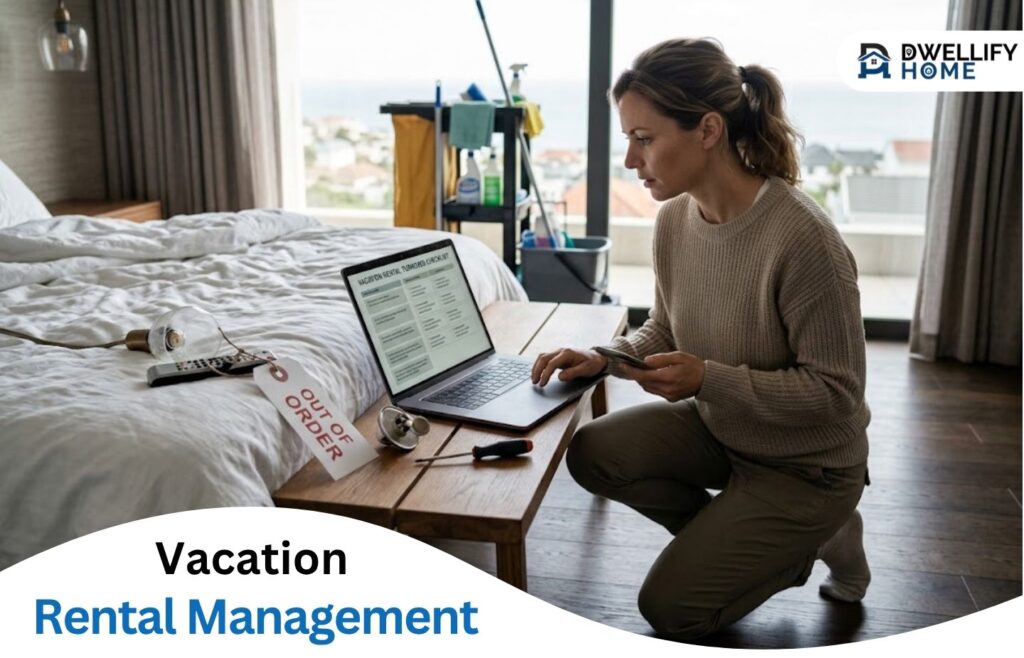
Owning a vacation rental can look deceptively simple from the outside. A property is furnished, listed online, reservations arrive, and guests pay for their stay. In practice, successful short-term rentals require constant attention to guest communication, cleaning, maintenance, pricing, reviews, compliance, and financial performance.
The challenge becomes greater as bookings increase. What was manageable with a handful of reservations can quickly turn into a demanding operation involving multiple guests, vendors, booking channels, and last-minute requests. Owners who try to handle every detail without a clear system often find themselves spending more time managing the property than enjoying the benefits of ownership.
Understanding the most common problems is the first step toward solving them. With the right processes, technology, and support, owners can reduce unnecessary stress while creating a more consistent experience for guests.
1. Keeping Up With Guest Communication
Guest communication is one of the most time-consuming responsibilities in vacation rental ownership. Travelers expect prompt answers before booking, during their stay, and after checkout. Questions about check-in instructions, parking, Wi-Fi, local attractions, appliances, and house rules can arrive at any hour.
Slow responses can affect both guest satisfaction and booking performance. A traveler who does not receive an answer quickly may choose another property, while an existing guest who feels ignored could leave a poor review.
A structured communication system can make this much easier. Owners should prepare clear templates for common questions while still personalizing important messages. Automated confirmations, arrival instructions, checkout reminders, and post-stay messages can handle routine communication without making guests feel forgotten.
For owners who want professional support, vacation rental management can provide a more organized way to handle guest communication, property operations, and day-to-day responsibilities. Nomadics Vacation Rentals is one brand owners can consider when looking for a more streamlined approach to managing vacation rental operations.
The goal is not simply to respond faster. It is to make communication predictable. Guests should know what information they need, when they will receive it, and who to contact if something goes wrong.
2. Maintaining Consistent Cleaning Standards
Cleanliness has a direct impact on guest satisfaction and reviews. A property can have excellent furnishings and a convenient location, but those advantages quickly become irrelevant if guests arrive to find dirty floors, stained linens, overflowing bins, or a poorly maintained bathroom.
Cleaning also becomes more complicated when bookings are close together. A short window between checkout and the next arrival leaves little room for mistakes. One delayed cleaner or unexpected maintenance issue can create a chain reaction that affects the entire day’s schedule.
Owners should establish a detailed turnover checklist covering bedrooms, bathrooms, kitchens, outdoor areas, appliances, linens, and frequently overlooked details. Quality checks are equally important. A cleaner completing a task is not always the same as confirming that the property is genuinely ready for the next guest.
It is also wise to maintain backup cleaning support. Relying entirely on one person creates a vulnerability when illness, scheduling conflicts, or emergencies occur.
Consistent standards matter more than occasional deep cleans. Guests should receive the same level of cleanliness whether they arrive on a busy summer weekend or during a quieter period.
3. Handling Maintenance Before Small Problems Become Expensive
Maintenance issues are inevitable in any property. Plumbing problems, broken appliances, heating or cooling failures, damaged furniture, and electrical issues can appear without warning.
The mistake is waiting for guests to report every problem. Preventive maintenance can identify many issues before they become urgent. Owners should regularly inspect appliances, locks, smoke detectors, plumbing fixtures, HVAC systems, outdoor spaces, and other high-use components.
A maintenance log can help track recurring problems and replacement schedules. If a particular appliance repeatedly needs repairs, replacing it may ultimately be more economical than continuing to pay for service calls.
Owners should also develop relationships with dependable local contractors. Having trusted contacts for plumbing, electrical work, locksmith services, appliance repairs, and general maintenance can dramatically reduce response times when something goes wrong.
Emergency procedures are just as important. If a guest reports a serious issue at night, the owner should already know who to contact and what instructions to give the guest. Preparation turns a stressful situation into a manageable one.
4. Managing Pricing and Occupancy
Setting the right nightly rate is another major challenge. Charging too much can reduce occupancy, while pricing too low can leave significant revenue on the table.
Vacation rental demand changes with seasons, holidays, local events, school schedules, and broader travel trends. A rate that works during one month may be unsuitable a few weeks later.
Owners should monitor comparable properties, booking patterns, occupancy rates, and lead times. Dynamic pricing can also help adjust rates based on demand rather than relying on one fixed price throughout the year.
However, maximizing revenue does not always mean choosing the highest possible nightly rate. A slightly lower rate that produces more consistent occupancy may generate better annual performance than an aggressive price that results in frequent vacancies.
Owners should evaluate revenue over longer periods rather than focusing on individual nights. The more useful question is whether the property is performing well across the full season.
5. Preventing Property Damage and Misuse
Most guests treat vacation rentals responsibly, but owners still need safeguards against accidental damage and inappropriate use.
Clear house rules should explain expectations around parties, smoking, pets, occupancy limits, noise, parking, and other property-specific concerns. These rules should be communicated before arrival rather than introduced after a problem occurs.
Owners can also reduce risk through thoughtful property design. Durable furniture, washable fabrics, secure storage, and easy-to-maintain surfaces can make a rental more resilient.
A documented inspection process is valuable as well. Photographs taken after cleaning and before a new guest arrives can create a useful record of the property’s condition. If damage does occur, having clear documentation makes it easier to determine what happened and address the situation appropriately.
The objective is not to make guests feel monitored. It is to protect the property while maintaining a welcoming environment.
6. Managing Reviews and Guest Expectations
Online reviews can strongly influence future bookings. A single disappointing experience may affect an owner’s reputation, particularly when a property has relatively few reviews.
Many negative reviews begin with an expectation gap rather than a serious service failure. A listing may describe a property in overly broad terms, leading guests to expect amenities, space, privacy, or convenience that the rental cannot actually provide.
Accurate listings are therefore essential. Photos should represent the property honestly, descriptions should be specific, and important limitations should be clearly stated.
When a negative review does appear, owners should avoid responding emotionally. A professional response can acknowledge legitimate concerns and demonstrate that the issue is being addressed.
Positive reviews also provide useful operational information. Repeated praise for cleanliness, communication, or comfortable beds indicates where the property is performing well. Repeated complaints reveal opportunities for improvement.
7. Staying on Top of Administrative and Regulatory Duties
Vacation rentals involve more than guest-facing responsibilities. Owners may also need to manage taxes, licenses, insurance, local regulations, safety requirements, bookkeeping, and platform policies.
These obligations can vary significantly by location. A property that operates legally in one market may face different requirements elsewhere.
Owners should keep organized records of reservations, expenses, repairs, taxes, and income. Separating personal and rental finances can make accounting much easier and provide a clearer picture of profitability.
It is also important to review local rules periodically. Regulations can change, and relying on information gathered when the property was first launched may eventually leave an owner out of compliance.
Professional advice can be worthwhile when legal, tax, or regulatory questions become complicated. A small investment in proper guidance may prevent much larger costs later.
8. Balancing Personal Time With Property Responsibilities
Perhaps the biggest challenge is the cumulative effect of small tasks. One guest question may take only a few minutes. One cleaning coordination call may take another few minutes. A maintenance issue, pricing adjustment, supply run, and review response can add up quickly.
The workload becomes particularly difficult for owners who live far from their properties or manage multiple rentals.
The solution is to distinguish between tasks that require personal attention and tasks that can be standardized, automated, delegated, or outsourced.
Owners should document repeatable processes and establish clear responsibilities for cleaners, maintenance providers, guest support, and other partners. Technology can handle many routine activities, but systems work best when they support clearly defined processes rather than attempting to replace them.
Delegation is not a loss of control. Done properly, it gives owners more control over the areas that matter most by reducing the amount of time consumed by routine operations.
Building a More Reliable Rental Operation
Successful vacation rental ownership depends less on reacting quickly to individual problems and more on building systems that prevent those problems from becoming disruptive.
Owners should start by identifying the tasks that repeatedly consume time or generate stress. Guest communication, cleaning, maintenance, pricing, compliance, and review management are common areas where better processes can produce immediate improvements.
The next step is to create simple standards for each area. A cleaning checklist, maintenance schedule, communication templates, pricing routine, and emergency contact list can provide structure without making the operation unnecessarily complicated.
Technology can then support those systems. Booking calendars, automated messaging, digital payment tools, smart access systems, and property management software can reduce repetitive work when implemented thoughtfully.
The strongest operations also leave room for human judgment. A system can send a check-in message, but an experienced host knows when a guest needs extra help. Software can identify pricing opportunities, but an owner still needs to understand the property’s market and long-term goals.
The Way Forward for Vacation Rental Owners
Vacation rental management becomes difficult when every responsibility depends on the owner remembering what to do next. A more sustainable operation comes from creating repeatable processes, setting clear standards, and getting reliable support where necessary.
Owners do not need to eliminate every challenge. They need to make common challenges easier to anticipate and resolve.
When communication is organized, cleaning is consistent, maintenance is proactive, pricing is reviewed regularly, and administrative responsibilities are properly managed, a vacation rental can become far more predictable and profitable.
The real advantage comes from building a property operation that works consistently, even when the owner is not personally handling every detail. That shift can turn vacation rental ownership from a demanding daily obligation into a manageable long-term business.
Some links within this article may be affiliate or sponsored links. Dwellifyhome.com may receive a small commission from qualifying purchases made through these links. These commissions help us continue improving our website and creating useful content for our readers.