The safest place to take shelter during a tornado is a basement or a certified storm shelter, and the National Weather Service says to get to the lowest floor, to a small interior room away from windows, and to cover your head and neck. If you have no basement or shelter, go to a bathroom, closet, or interior hallway on the lowest floor of your home.
Where to take shelter during a tornado depends on the building you are in, and the wrong choice can cost lives. A mobile home offers almost no protection, a car offers none, and an overpass is one of the most dangerous places you can stand. This guide gives you the safest spot for a house, an apartment, a mobile home, a car, a workplace, and outdoors, so you can decide in seconds when a warning sounds.
The Short Answer: Where Is the Safest Place During a Tornado?
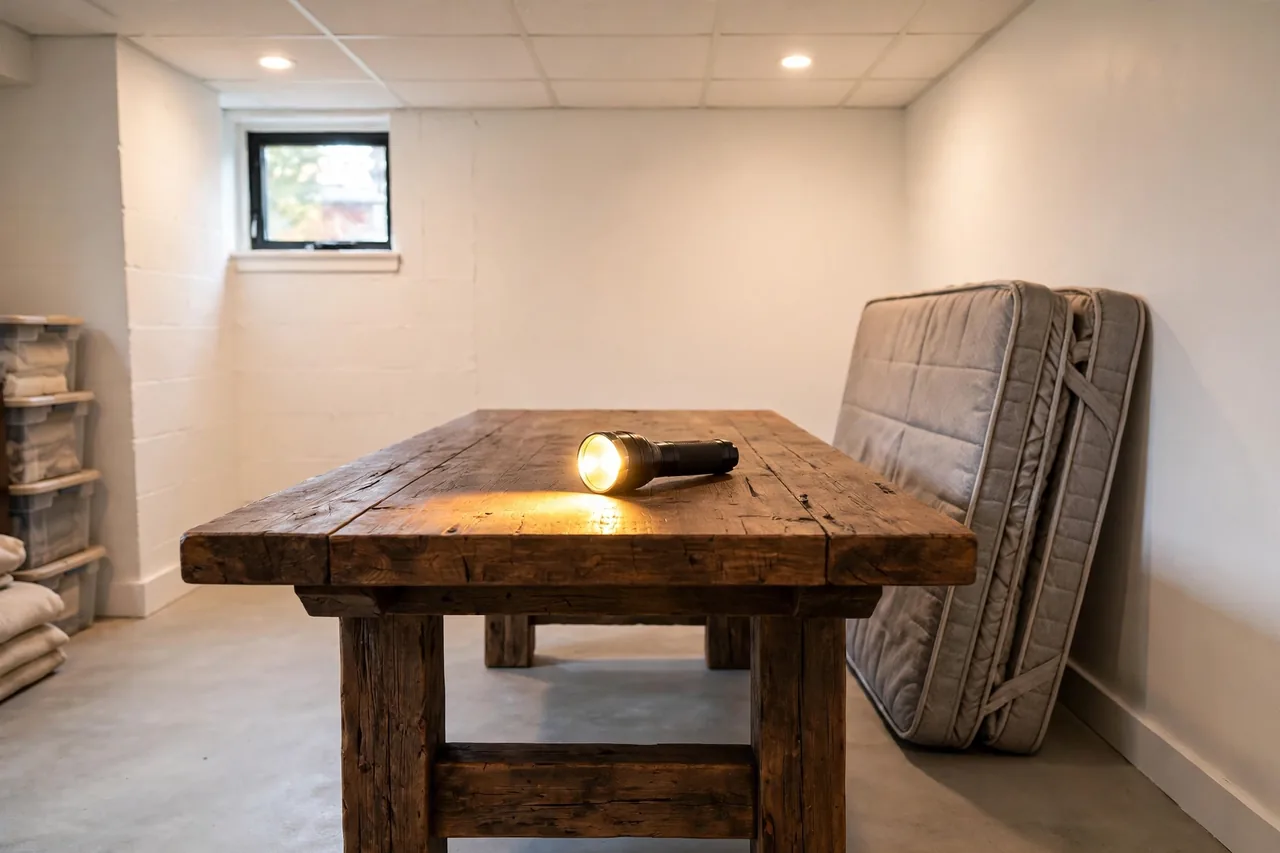
The safest place during a tornado is underground, in a basement or a storm shelter built to FEMA P-320 guidance or the ICC 500 standard. The Federal Emergency Management Agency says a safe room built to those standards gives near-absolute protection from tornado winds and flying debris, as the FLASH safe shelter guide explains.
If you have no basement or shelter, the next safest spot is a small interior room on the lowest floor, away from windows, doors, and outside walls. A bathroom, a closet, or an interior hallway all work, because they put the most walls between you and the storm. Get under something sturdy, like a heavy table, and cover your head and neck with your arms, a blanket, or a mattress. One thing on this list surprises most people: the corner of a room is not safer, and the next section explains why.
House With a Basement: Go Low and Get Under Cover
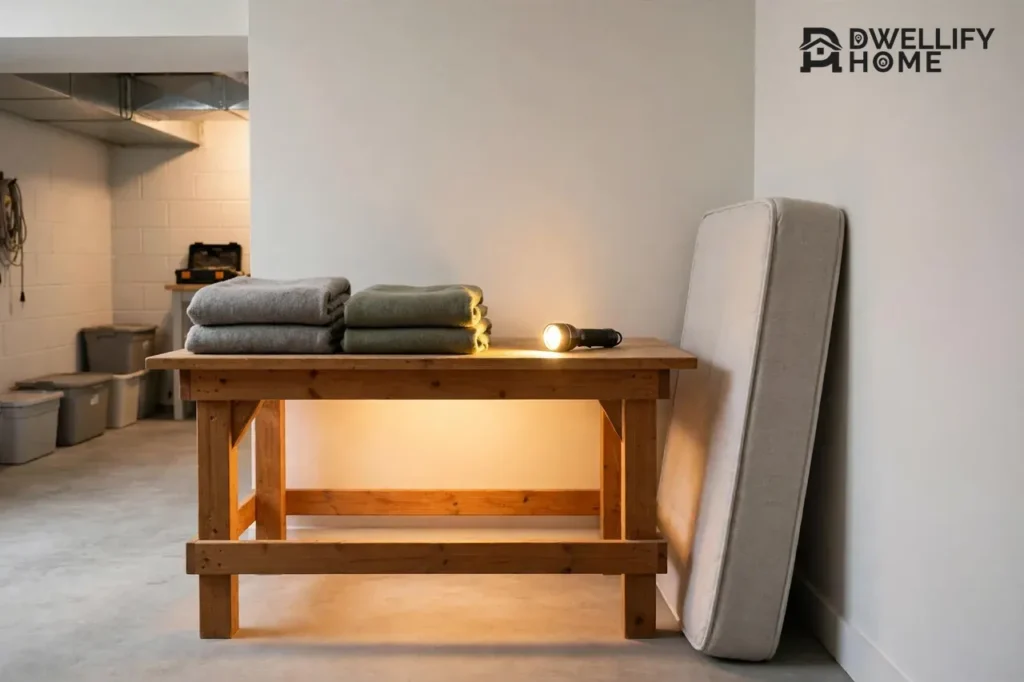
In a house with a basement, go to the basement at once, move to the center of the room, and get under a sturdy table or workbench. The National Weather Service advises sheltering under sturdy protection in the basement and covering yourself with a mattress or sleeping bag.
Stay away from basement windows and from the area under heavy objects on the floor above, such as a piano, a refrigerator, or a waterbed. Those objects can fall through a weakened floor. Go to the center of the basement, not the corners, because corners tend to collect debris. Crouch low, face down, and protect your head and neck. Keep a flashlight and shoes nearby, because power loss is common and broken glass may cover the floor after the storm passes.
If your basement has a safe room or a reinforced corner, use it. If it does not, the space under the stairs can work well, since the stair structure adds strength. The key idea is simple: the more earth and walls between you and the wind, the safer you are.
House Without a Basement: The Smallest Interior Room Wins
In a house without a basement, shelter in the smallest interior room on the lowest floor, such as a bathroom, a closet, or an interior hallway, with no windows and no outside walls. The Minnesota tornado safety sheet gives this exact advice: go to a small center room on the lowest floor, crouch low, and cover your head.
A bathroom often works best. Its pipes add strength to the walls, its span is short, and a bathtub gives you a shell of partial protection. Climb into the tub and pull a mattress or thick blankets over yourself. A walk-in closet works too, especially one near the center of the house. An interior hallway is a good third choice, but stay out of any hallway that opens to the outside.
Put as many walls as you can between yourself and the outside, and stay away from windows, doors, and outside walls. Do not open windows. The old idea that opening windows equalizes pressure is a myth, and open windows let wind and debris inside. That fixes the room choice, but the room is only half the plan — you also need to know what to do in the seconds before you get there.
What Most People Get Wrong About Tornado Shelter
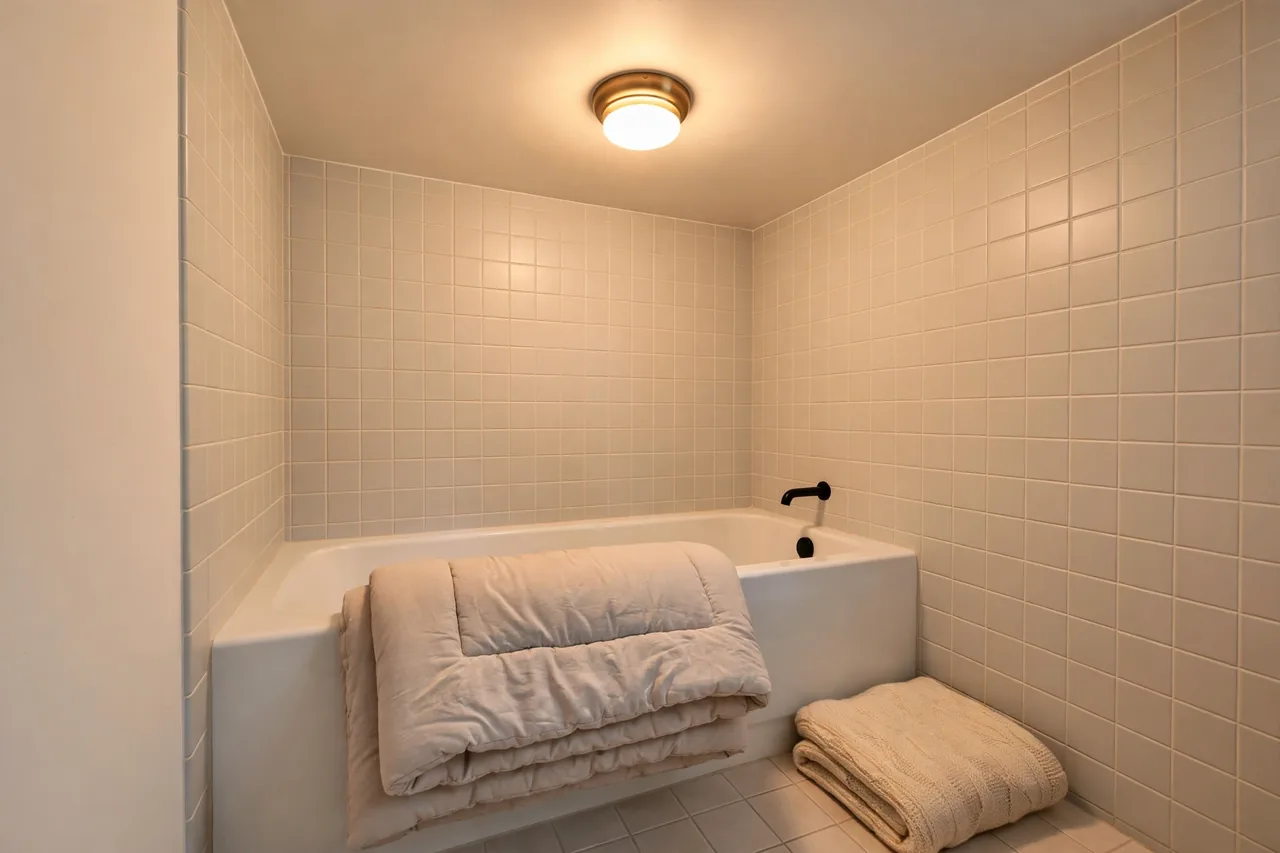
Most people get tornado shelter wrong in three ways: they shelter in the wrong corner, they open windows, and they wait too long to move. The corner of a room feels safe because two walls meet there, but the Oklahoma Emergency Management Agency warns that corners tend to attract debris, so the center of the room is safer.
The second mistake is opening windows. The National Weather Service says plainly: do not open windows. A tornado does not need an open window to get in, and an open window only gives the wind a path inside. The third mistake is waiting to see the tornado. A tornado warning means a tornado has been sighted or shown on radar, and it means imminent danger. Move the moment the warning sounds, not when you see the funnel.
A fourth mistake is choosing a room with a wide-span roof, such as a garage, a gym, or a large open living room. Wide roofs can collapse, so pick a small room with a short ceiling span. If your home has no good room at all, that is the sign you need a real shelter, and the guide below on storm shelters shows the options.
In an Apartment: Get to the Lowest Floor You Can Reach
In an apartment, go to the lowest floor of the building you can reach safely, then move to the most interior area possible, away from windows. If you live on an upper floor, go down to a ground-floor unit, a basement, or an underground parking garage, and shelter in an interior hallway, bathroom, or closet there.
In a high-rise, you may not have time to reach a lower floor. In that case, pick a place in the hallway in the center of your building, such as a stairwell, which the Minnesota safety sheet calls the best idea for high-rise residents. If no stairwell is open, use the closet, bathroom, or interior hall of your own unit. Never use the elevator during a tornado warning, because a power cut can trap you inside.
Know your building’s shelter plan before storm season. Ask your landlord or building manager where the designated shelter area is, and walk the route once so you can find it in the dark. Keep a flashlight by your bed, because power loss during a tornado is common.
In a Mobile Home: Get Out Immediately
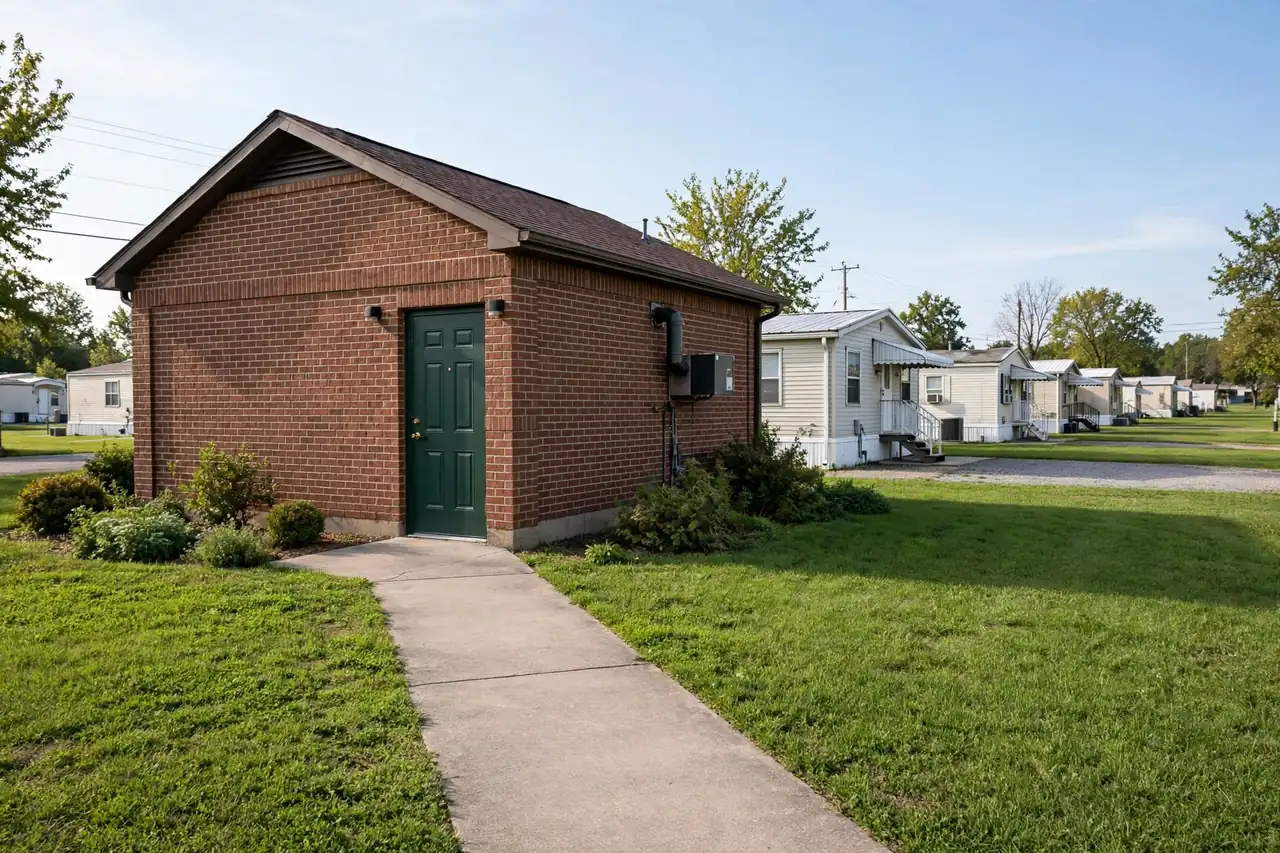
If you are in a mobile home during a tornado warning, get out immediately and go to a sturdy building or a community storm shelter. The National Weather Service says mobile homes, even if tied down, offer little protection from tornadoes, and most tornadoes can destroy even a tied-down mobile home.
More than half of all tornado deaths happen in mobile homes, so this is the most important rule in this guide. Do not stay to protect your belongings, and do not trust tie-downs to hold the home in place. If your community has a tornado shelter, go there fast. If a sturdy permanent building is within easy running distance, go there instead.
If no building is close, lie flat in a ditch or low-lying area a safe distance from the mobile home, away from trees and cars, and cover your head. A ditch is a last resort, not a plan. The real plan is a shelter: a small above-ground safe room installed near a mobile home is the best long-term answer, and our guide to the DIY storm shelter planning, costs, and build basics explains the options and the costs.
In a Car: Never Try to Outrun a Tornado

If you are driving and a tornado is near, never try to outrun it. Tornadoes can change direction quickly and can lift a car and toss it through the air, so a car is not a shelter. The Oklahoma Emergency Management Agency says the same: never try to outrun a tornado, get out of the vehicle at once, and take shelter in a nearby building.
If the tornado is close and you cannot reach a building, get out of the car and lie flat in a ditch or low-lying area away from the vehicle, face down, covering your head with your arms and a blanket or coat. Stay lower than the road level if you can. Never park under an overpass, because wind speeds up under it and debris funnels through it.
If the tornado is not in your path and you are already stopped, stay in the car, buckle your seat belt, get below the window level, and cover your head. Do not stop under a bridge or overpass for any reason. The ditch option is a last resort when no building is within reach, and it only helps if you lie flat and low.
At Work, School, or a Store: Follow the Building Plan
At work, school, or a store, follow the building’s shelter plan and go to a pre-designated area on the lowest floor, away from glass and wide-span roofs. Interior stairwells are usually good shelter, and they also let you reach a lower level fast if they are not crowded.
Avoid auditoriums, cafeterias, gymnasiums, and large hallways with wide-span roofs, because those roofs can collapse. The Oklahoma Emergency Management Agency lists these as places to avoid, and says to get under a sturdy piece of furniture such as a desk or a heavy table instead. Stay off elevators and away from windows and glass doors.
At school, follow the drill your teachers give you: move to the interior hallway, sit facing the wall, and cover your head. If you manage a workplace, post the shelter route where everyone can see it and run a drill once a year. A plan you have practiced is a plan you can follow in the dark with the sirens going.
Outdoors With No Shelter: Lie Low and Cover Your Head
If you are outdoors with no shelter available, there is no single research-based recommendation for the best last-resort action, because so many factors affect the choice. The National Weather Service lists the options: get into a vehicle, buckle up, and drive to the closest sturdy shelter, or lie in an area noticeably lower than the road and cover your head.
If you cannot reach a building, lie flat in a ditch or low-lying area, face down, and cover your head with your arms and a blanket, coat, or other cushion. Stay away from trees, power lines, and cars, which can be blown onto you. Watch for flooding, because heavy rain can fill a ditch fast, and be ready to move to higher ground if water rises.
Do not get under an overpass or a bridge. The National Weather Service is clear on this: you are safer in a low, flat location than under an overpass. The wind accelerates under the structure and turns it into a wind tunnel full of debris.
Watch vs. Warning: Know the Difference Before the Sirens
A tornado watch means tornadoes are possible in and near the watch area, so review your plan and be ready to move. A tornado warning means a tornado has been sighted or indicated by weather radar, and it means imminent danger to life and property, so take shelter at once.
During a watch, check forecast updates, keep an eye on the sky, and know where you will shelter. Charge your phone, put shoes on, and move your emergency kit near your shelter spot. During a warning, do not wait for more information, do not go outside to look, and do not drive to film the storm. The National Weather Service says that when your area is under a warning, or you see a tornado approaching, you should seek shelter immediately.
Learn your community’s warning system now. Know the difference between the outdoor siren, a phone alert, and a weather radio alarm, and keep a battery-powered weather radio in your shelter spot so you still get updates if the power and cell signal fail.
Your Tornado Shelter Checklist: Pack It Before Storm Season
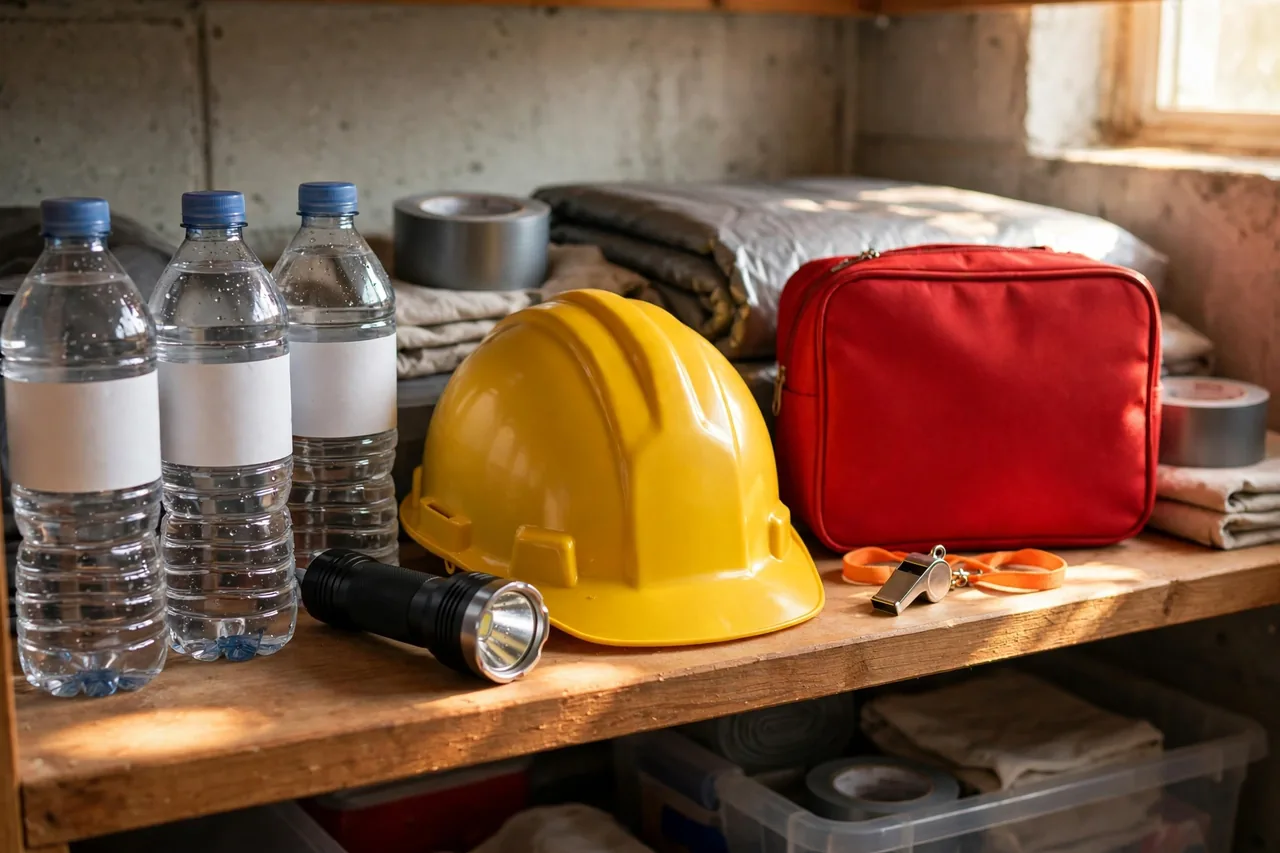
Pack a small kit in your shelter spot before storm season starts, because you will not have time to gather supplies when a warning sounds. The American Red Cross recommends a kit with water, food, a flashlight, a first-aid kit, and a battery-powered radio, and the National Weather Service adds helmets for head protection.
Caption: Tornado shelter kit checklist.
| Item | Why it matters |
|---|---|
| Water, 1 gallon per person per day | You may be trapped or without water for hours |
| Flashlight and extra batteries | Power loss is common during tornadoes |
| Helmet or hard hat per person | Head injuries from debris cause most tornado deaths |
| Sturdy shoes for everyone | Broken glass and debris cover the floor after a storm |
| Blankets or a mattress | Cover against falling debris and broken glass |
| Phone charger and battery radio | Alerts and updates after the power fails |
| First-aid kit and medicines | Treat cuts until help arrives |
| Whistle | Signal rescuers if you are trapped under debris |
Keep the kit in or next to your shelter spot, not in the garage or attic. Check it every spring: swap the water, test the flashlight, and replace expired medicines. A kit you have to hunt for is a kit you will not have when the siren sounds.
A Safety Note Before You Rely on Any Room
No ordinary room in a house can promise the same protection as a basement or a certified storm shelter. The guidance in this article follows the National Weather Service and FEMA, but it is general information, not a guarantee of safety, and local conditions can change what is safest. If you live in a tornado-prone area and have no basement, talk to your local emergency management office about a safe room or a community shelter, and consider a certified shelter as a permanent fix. Never enter a damaged building after a tornado, and stay away from downed power lines.
Related Guides
For the permanent fix, read our DIY storm shelter guide on planning, costs, and build basics. If your home has a garage, our garage security camera guide helps you watch the structure, and our best home security camera system guide covers the full setup for keeping an eye on your home before and after a storm.
Frequently Asked Questions
Where is the safest place during a tornado?
The safest place is a basement or a certified storm shelter. If you have neither, go to a small interior room on the lowest floor, such as a bathroom or closet, away from windows and outside walls, and cover your head and neck.
What should you do during a tornado at home?
Go to your basement or the lowest interior room at once, get under a sturdy table, and cover your head and neck with a blanket or mattress. Stay away from windows, and do not open them.
Is it safe to shelter in a bathtub during a tornado?
A bathtub gives partial protection because its pipes add strength to the walls and its shell shields you from debris. Climb in, crouch low, and pull a mattress or thick blankets over yourself for the best protection.
Should you open windows during a tornado?
No. The National Weather Service says not to open windows. Opening them does not equalize pressure, and it lets wind and debris inside your home.
Is it safe to stay in a mobile home during a tornado?
No. Mobile homes offer almost no protection, even when tied down, and more than half of tornado deaths happen in them. Get out at once and go to a sturdy building or a community shelter.
Is it safe to shelter under an overpass during a tornado?
No. Wind speeds up under an overpass and funnels debris through it, so you are safer in a low, flat location such as a ditch, lying flat and covering your head.
Pick your shelter spot today, walk the route with your family, and pack the kit beside it. When the warning sounds, you will not have time to decide — you will only have time to move, and a plan you have practiced is the plan that saves lives.