
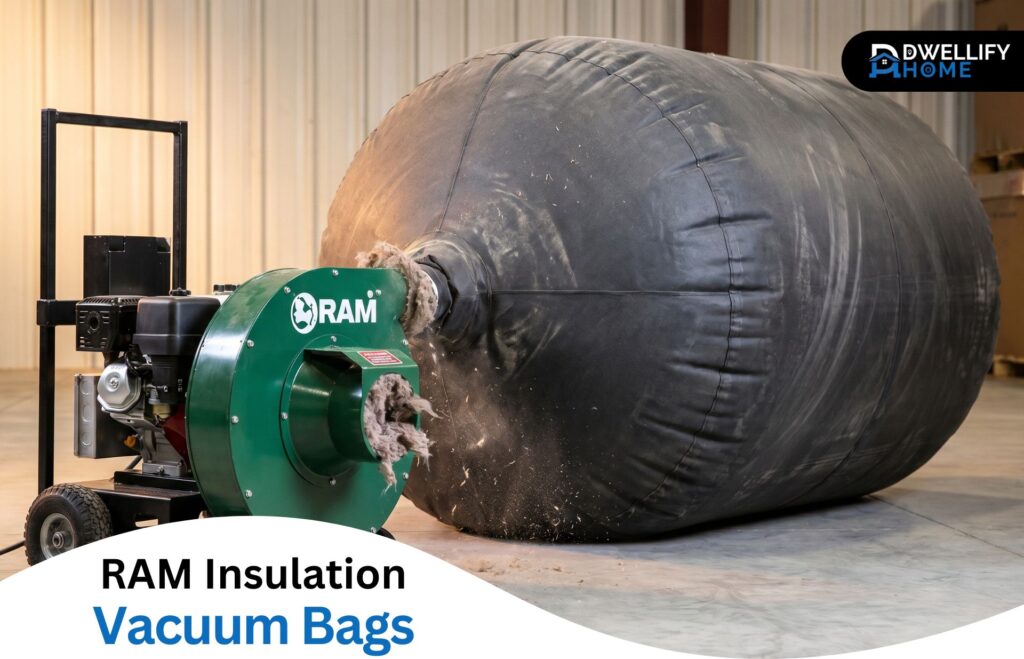
Good insulation removal work comes down to more than just having a powerful vacuum. The accessories you pair with that equipment matter just as much — and vacuum bags are one of the most important pieces of the puzzle. The wrong bag slows you down, creates mess, and costs more over time. The right one keeps everything running smoothly from start to finish.
For contractors handling heavy-duty insulation jobs, RAM insulation vacuum bags have built a solid reputation. They’re purpose-built for the demands of real job sites — not light-duty alternatives that fall short when the work gets serious.
What Are RAM Insulation Vacuum Bags?
RAM insulation vacuum bags are purpose-made collection bags designed to work with professional insulation vacuum systems. They safely contain materials like fiberglass, cellulose, and general insulation debris throughout the removal process — keeping it all contained from the moment it’s pulled out to the moment it’s disposed of.
Designed for Heavy-Duty Use
These bags are constructed from tough, tear-resistant material. That matters on real job sites, where debris includes sharp fibers, compressed cellulose, and other materials that can easily puncture a flimsy bag. The reinforced build holds up even when the bag is filled with dense or abrasive content — no splitting, no leaks mid-job.
Optimized for Performance
Beyond durability, RAM bags are built to support proper airflow inside the vacuum system. When a bag restricts airflow, suction drops — and so does your productivity. A well-designed bag maintains consistent suction pressure, so the vacuum keeps performing the way it should throughout the job.
Benefits of Using RAM Insulation Vacuum Bags
Choosing a quality vacuum bag isn’t just about avoiding breakage. There are real, practical advantages that show up in how efficiently a job gets done.
Improved Efficiency
Higher capacity bags mean fewer stops to swap or empty. On large insulation removal jobs, that time adds up quickly. When you’re not constantly pausing to deal with the bag, you stay in a working rhythm — and the job gets done faster.
Cleaner Work Environment
Insulation debris — especially fiberglass — doesn’t just look messy. It becomes airborne and creates real health concerns for workers and anyone else in the space. A well-sealed, durable bag keeps particles contained rather than circulating back into the air. That’s a basic safety requirement, not just a preference.
Cost-Effective Solution
Premium bags cost more upfront, but they tend to pay for themselves. A bag that lasts through a full job without tearing or needing replacement reduces your per-project material costs. Over the course of a busy season, that difference in bag quality adds up in your favor.
How to Use RAM Insulation Vacuum Bags Properly
Even the best bag won’t perform well if it’s not used correctly. A few straightforward practices make a real difference in both performance and longevity.
Secure Installation
Before you start any job, confirm the bag is seated properly in the vacuum system. A loose or misaligned bag creates gaps that allow debris and dust to bypass containment — which defeats the entire purpose. Take the extra minute to check the fit before switching the machine on.
Monitor Fill Levels
Overfilling is one of the most common mistakes on busy job sites. When a bag is pushed past its capacity, suction drops noticeably, and the stress on the material increases the risk of a tear. Check the bag regularly during use and replace or empty it before it reaches its limit — not after.
Safe Disposal or Reuse
Some bags are single-use; others are designed to be emptied and reused. Either way, handle the bag carefully when removing it from the system. Insulation materials — particularly fiberglass — require appropriate handling and disposal. Wear gloves and a dust mask, seal the bag securely before moving it, and follow local disposal guidelines for the specific material type.
Tips for Choosing the Right Bag
Not every bag works the same way on every machine or every job. Getting the right match matters.
Match Your Equipment
Compatibility is non-negotiable. Using a bag that doesn’t fit your vacuum correctly — wrong size, wrong connection type — creates poor sealing and reduced suction. Always verify that the bag you’re purchasing is listed as compatible with your specific vacuum model before committing to a bulk order.
Consider Job Requirements
The scale of the job should guide your bag selection. For large commercial or multi-room residential projects, high-capacity bags save time and reduce interruptions. For smaller, single-room jobs, a standard-capacity option works just fine and keeps costs reasonable. There’s no need to over-spec for light work.
Final Thoughts
The difference between a smooth insulation removal job and a frustrating one often comes down to the details — and vacuum bags are one of those details that’s easy to overlook until something goes wrong. Durable, well-fitted bags keep the debris contained, the suction consistent, and the job site cleaner.
RAM insulation vacuum bags deliver on all three fronts. For contractors who take their work seriously, using the right bags isn’t an upgrade — it’s just part of doing the job properly. Pair them with correct installation habits and a few basic maintenance checks, and you’ll notice the difference on every project.
Enjoyed this read? Check out more of our content! Please note that this post may include affiliate or sponsored links. Any commissions earned help us continue creating valuable content for our readers. The views presented here belong solely to the author and do not represent Dwellifyhome.com as a whole.