Home appliances do their work so quietly that most of us only notice them when something goes wrong. The refrigerator hums along for years, the washer finishes load after load, and then one morning there is a puddle on the floor or a noise that was never there before. When that happens, many Austin homeowners turn to Austin appliance repair specialists who can find the fault before a small problem becomes a ruined appliance or a much larger repair bill. This guide covers the warning signs worth acting on, the simple maintenance that prevents most breakdowns, and how to decide when a job is yours and when it belongs to a professional.
The goal is not to turn you into a repair technician. It is to help you catch trouble early, when a fix is usually quick and affordable, and to avoid the two expensive mistakes: ignoring a symptom until the machine dies, and paying for a repair that a little routine care could have prevented.
Warning Signs You Should Not Ignore
Appliances rarely fail without warning. They usually complain first, in small ways that are easy to brush off. Pay attention to these changes, and act on them sooner rather than later.
- Refrigerator trouble: food spoiling faster than usual, frost building up in the freezer, or the motor running almost constantly.
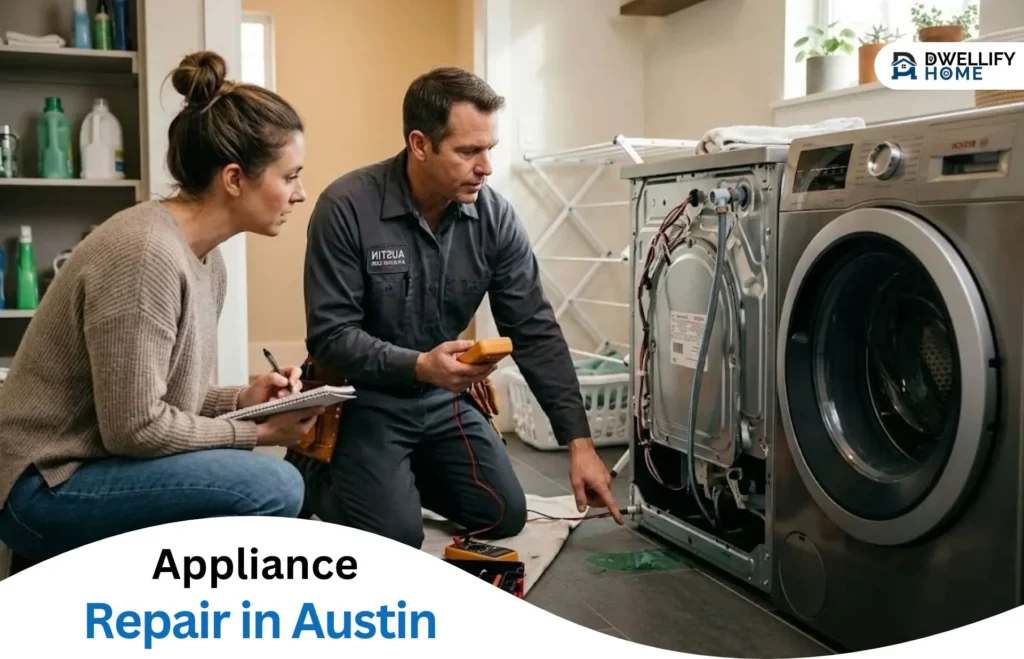
- Washer trouble: water on the floor, violent shaking, clothes still soaking wet at the end of a cycle, or a smell that does not go away.
- Dryer trouble: clothes needing two cycles to dry, the outside of the machine feeling unusually hot, or a burning smell.
- Dishwasher trouble: gritty dishes, standing water at the bottom, or a door that no longer seals properly.
- Oven and cooktop trouble: uneven baking, burners that will not hold a steady temperature, or a gas smell.
- New noises and smells: grinding, squealing, or buzzing that was not there before, and any electrical or burning odor.
- Rising energy use: a sudden jump in your electricity or water bill with no change in how you live can point to an appliance working too hard.
One warning sign on its own may be minor. Two or more together, or a sign that keeps getting worse, usually means the machine is telling you something. That is the right time to investigate, not the time to hope it goes away.
Simple Maintenance That Prevents Most Breakdowns
Most appliance breakdowns are not bad luck. They are the result of dust, lint, and wear building up over months and years. A few small habits, done regularly, prevent a surprising share of service calls.
- Clean the refrigerator coils. Dust on the coils at the back or underneath makes the compressor work harder. A vacuum with a brush attachment, a couple of times a year, is usually enough. Your owner’s manual will show where the coils are on your model.
- Check the door seals. Close the door on a thin piece of paper and pull gently. If the paper slides out easily, the seal is letting cold air escape, which wastes energy and strains the machine. Wipe seals clean and replace them when they are cracked or loose.
- Clean the dryer lint filter after every load, and check the vent hose behind the dryer now and then. Lint buildup is not just an efficiency problem; it is one of the most common household fire risks.
- Clean the dishwasher filter and the washer door seal. Food trapped in a dishwasher filter leaves dishes dirty, and moisture trapped in a washer seal turns into mold and odor. Both jobs take a few minutes.
- Do not overload machines. An overstuffed washer cannot clean properly and wears out its bearings faster, and an overloaded dryer takes longer and runs hotter. Full loads are efficient; stuffed loads are not.
- Look at the hoses. Washer hoses that are cracked, bulging, or stiff are a flood waiting to happen. Check them when you clean, and replace them at the first sign of wear rather than after they burst.
For energy-saving advice on running the machines you already own, ENERGY STAR publishes practical guidance for homeowners. Following your manufacturer’s manual matters just as much: the right cycle, the right detergent, and the right load size differ from one model to the next.
What You Can Safely Check Yourself
Before you call anyone, a few safe checks can save you a visit. Make sure the machine is plugged in and the breaker has not tripped. Check that the settings are what you think they are, since a bumped dial or a child lock can look exactly like a breakdown. Clear a clogged filter, empty an overfull lint trap, or straighten a kinked drain hose.
Stop there when the problem involves gas, refrigerant, or anything electrical inside the machine. Never remove a back panel to poke at wiring or a sealed system, and never bypass a safety switch to keep a machine running. If you smell gas, leave the area and call your gas utility or emergency services first. If you smell burning, unplug the machine if you can do so safely and do not use it again until it has been checked.
Choosing the Right Local Specialist
When the job is beyond a basic check, the right specialist matters more than the fastest one. Look for someone with experience on your type of appliance and, ideally, your brand. Ask what the diagnosis will cost, whether you will get a written estimate before work starts, and whether the visit covers the whole problem or just the first part of it.
Local companies such as ProStar Appliance Repair focus on in-home appliance service across the Austin area, which is worth knowing when you want someone who can come to you rather than asking you to haul a machine across town. Whoever you choose, a good sign is a technician who explains what failed, why it failed, and what you can do to keep it from happening again.
A Note for Austin Homes
Austin summers are hard on refrigerators. A fridge in a hot garage or pressed against a wall with no airflow has to work much harder than one with room to breathe, so keep vents clear and coils clean, especially before summer. Hard water is another local factor: mineral buildup can dull dishwasher results and leave deposits in a washing machine, so run the cleaning cycle your manual recommends and wipe seals dry after use.
The Bottom Line
Appliances last longest when small problems get attention early and routine care never slips for long. Learn the warning signs, keep up with the simple maintenance, and call a specialist when the problem goes past a basic check. That combination is what keeps a kitchen and laundry room running quietly, year after year.
As part of our website’s business model, some articles may include affiliate or sponsored links. Dwellifyhome.com may receive commissions from qualifying purchases or compensation for sponsored placements where applicable.