Homeowners often invest tens of thousands of dollars into high-efficiency HVAC systems, smart thermostats, and triple-pane windows, yet still find themselves battling drafty rooms and astronomical utility bills during peak summer and winter months. The missing link in this energy-efficiency puzzle is rarely found inside the house; rather, it lies directly on the exterior walls. Traditional residential construction relies heavily on wooden framing studs, which compose roughly 25% of a typical wall’s surface area. Because wood is a remarkably poor insulator, it actively conducts heat out of your home in the winter and draws it inside during the summer—a physical phenomenon known as thermal bridging. To effectively sever this conductive cycle and wrap a property in a continuous thermal blanket, upgrading to insulated siding has emerged as one of the most structurally and financially sound architectural interventions available today. This advanced cladding solution not only modernizes a home’s aesthetic curb appeal but also serves as a formidable barrier against environmental extremes, fundamentally altering the building’s energy performance.
The Science of Thermal Bridging and the Building Envelope
To grasp the true value of an upgraded exterior envelope, one must look behind the drywall and understand the anatomy of a standard residential wall. Historically, builders insulate homes by placing fiberglass batts or blown-in cellulose between the wooden studs. While this effectively insulates the cavities, the studs themselves remain uninsulated.
Because heat naturally moves from warmer areas to colder areas, these wooden studs act as thermal highways. During a freezing winter night, the heat generated by your furnace bypasses the cavity insulation, travels through the wooden studs, and escapes into the cold outdoor air. Conversely, during a blistering summer afternoon, the sun’s radiant heat travels through the exterior cladding, through the studs, and into your air-conditioned living space.
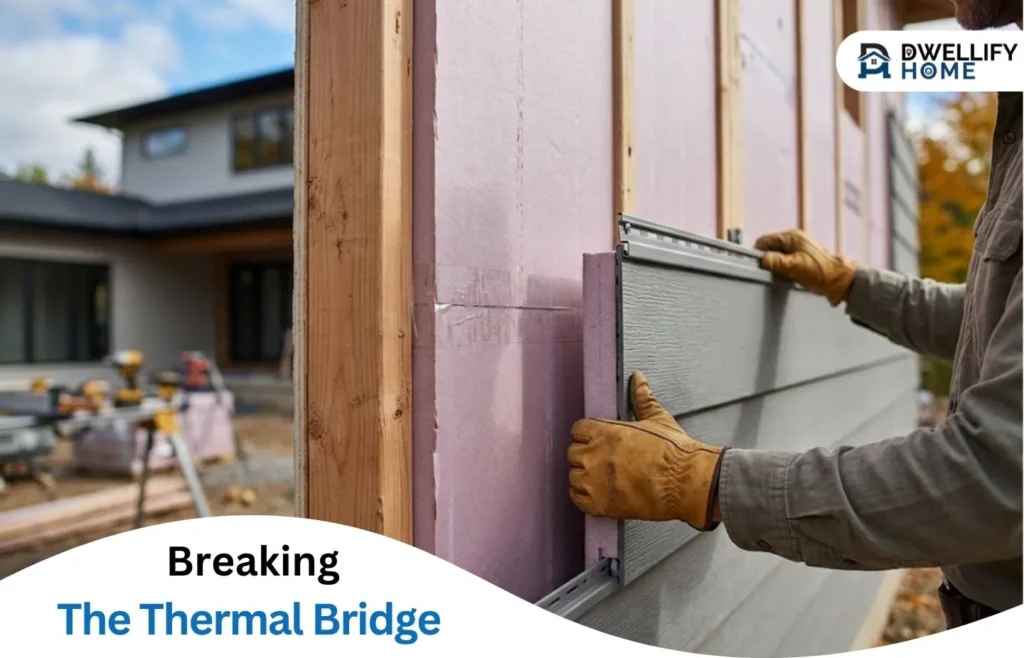
By applying a layer of continuous insulation directly to the exterior of the home, you effectively cut off these thermal highways. The rigid foam backing acts as a shock absorber for temperature fluctuations, drastically reducing the workload on your heating and cooling systems, and maintaining a consistent, comfortable interior climate regardless of the weather outside.
Beyond Energy Savings: The Multifaceted Benefits of Upgrading
While drastically lowering monthly utility overhead is the primary catalyst for most exterior renovations, the advantages of modern, foam-backed cladding extend far beyond basic thermodynamics. Upgrading your home’s exterior yields several compounding benefits that protect your property and enhance your daily quality of life:
- Exceptional Impact Resistance: Traditional, hollow vinyl or aluminum panels are susceptible to denting, cracking, and shattering upon impact. Whether it is a barrage of spring hail, a rogue baseball, or debris kicked up by a lawnmower, hollow cladding often fails. A rigid foam backing acts as a shock absorber, giving the exterior panel the structural rigidity required to withstand significant blunt force without sustaining permanent cosmetic damage.
- Superior Acoustic Dampening: If you live near a busy intersection, beneath a flight path, or in a densely populated neighborhood, noise pollution can severely impact your peace of mind. High-density exterior insulation drastically improves a wall’s Sound Transmission Class (STC) rating. The foam layer absorbs high-frequency sound waves, resulting in a noticeably quieter, more serene interior living space.
- Aesthetic Perfection and Wall Truing: As homes age, wooden frames naturally settle, shift, and slightly warp. When standard, hollow siding is applied over an older, uneven frame, the panels contour to the imperfections, creating a wavy, undulating appearance. Foam-backed panels are inherently stiff. They bridge the subtle dips and bows in the underlying sheathing, laying perfectly flat and giving the exterior a crisp, flawless architectural line.
- Advanced Moisture Management: Top-tier exterior insulation systems are engineered to breathe. While they repel bulk water (like rain and snow) from the outside, they are highly vapor-permeable. This means any humid air trapped inside the wall cavity can safely escape as vapor, preventing the condensation buildup that inevitably leads to toxic mold growth and devastating dry rot.
Navigating the Market: Top Material Choices for Modern Homes
The building materials sector has experienced rapid innovation over the past decade. When looking to upgrade the exterior envelope, homeowners must balance local climate challenges, architectural styles, and maintenance preferences with their budget.
Premium Vinyl with Rigid Foam Backing
Modern insulated vinyl is a marvel of chemical engineering. It is manufactured with UV-resistant acrylics that prevent the rapid fading, chalking, and brittleness associated with older plastics. The expanded polystyrene (EPS) foam is permanently fused to the back of the vinyl panel during the manufacturing process, creating a unified, highly durable product. Its primary appeal lies in its almost non-existent maintenance requirements; it never requires scraping, staining, or repainting, making it the ultimate “set it and forget it” exterior solution.
Fiber Cement Paired with Continuous Insulation
For homeowners who prioritize absolute durability and fire resistance, fiber cement remains the gold standard. Engineered from a blend of Portland cement, sand, and cellulose fibers, it is virtually impervious to termites, woodpeckers, and fungal decay. While fiber cement boards themselves do not inherently possess high R-values (insulating properties), premium contractors achieve a highly efficient thermal envelope by installing rigid foam insulation boards directly over the house wrap before mounting the fiber cement panels. This dual-layer approach provides unmatched structural defense alongside elite energy efficiency.
Engineered Wood Composites
For those who demand the authentic, rustic aesthetic of traditional lumber but wish to avoid the relentless maintenance nightmare of natural cedar, engineered wood is the optimal compromise. These panels are manufactured by binding wood strands with exterior-grade resins and zinc borate, making them highly resistant to rot and insects. Like fiber cement, engineered wood can be installed over continuous rigid insulation, offering the deep, realistic textures of historic timber while simultaneously modernizing the home’s thermal performance.
The Financial Equation: Upfront Capital vs. Long-Term ROI
Undertaking a comprehensive exterior renovation requires a significant initial capital expenditure (CapEx), which often causes homeowners to hesitate. However, evaluating enterprise-grade materials solely through the lens of initial cost is a strategic misstep; the focus must remain on the Total Cost of Ownership (TCO) and the projected Return on Investment (ROI).
First, the immediate reduction in monthly utility bills creates a compounding financial return. By reducing HVAC strain by 15% to 20% annually, the cladding effectively pays for a portion of itself year over year. Furthermore, it protects the HVAC unit itself from premature burnout by preventing it from constantly cycling on and off to battle drafts.
Secondly, exterior renovations boast some of the highest cost-recuperation rates in the real estate industry. According to national remodeling impact reports, upgrading dilapidated exterior walls with premium, energy-efficient materials routinely recoups between 70% and 80% of the project’s cost in immediate home equity. When it comes time to sell, modern buyers are highly educated about energy costs; a home boasting a newly upgraded, thermally efficient exterior will spend significantly fewer days on the market and frequently incite bidding wars compared to neighboring properties with drafty, outdated facades.
The Crucial Role of Building Science in Installation
Procuring premium materials is only half the battle; the true success of an exterior upgrade is entirely dependent on the scientific precision of the installation. A home’s exterior is an intricate, interdependent system.
Before any insulation or cladding is mounted, a professional contractor must meticulously evaluate and prepare the substrate. This involves installing a high-quality Weather-Resistant Barrier (WRB), commonly known as house wrap. If the WRB is improperly taped or torn during installation, water will inevitably bypass the system.
Furthermore, strict attention must be paid to the flashing around wall penetrations. Windows, doors, electrical outlets, and plumbing vents represent the weakest points in any building envelope. A specialized contractor understands the complex geometry of flashing integration, ensuring that gravity constantly forces water away from the structure, rather than allowing it to pool behind the new insulation. Additionally, materials expand and contract with seasonal temperature shifts. If panels are nailed too tightly to the wall, they will lack the necessary room for thermal expansion, leading to severe buckling and cracking during the first major heatwave.
Ultimately, upgrading your home’s exterior cladding is about much more than a fresh coat of color. It is a fundamental structural reinforcement that bridges the gap between architectural beauty and high-performance building science. Ignoring an aging, inefficient exterior is a risky gamble that inevitably leads to skyrocketing energy costs and severe moisture-related decay. By understanding the physics of thermal bridging, recognizing the multifaceted benefits of modern continuous insulation, and trusting experienced, highly vetted local contractors to execute the installation flawlessly, you secure the integrity of your property. Taking a proactive approach to your home’s exterior envelope is a definitive investment in your daily comfort, your financial future, and the generational longevity of your home.
Dwellifyhome.com may participate in affiliate or sponsored partnerships involving links featured in our articles. These links may generate compensation when readers complete qualifying purchases, helping us support our website and editorial operations.