Preparedness does not always look dramatic. Most of the time, it looks ordinary. It looks like a backup contact list taped inside a cabinet door. It looks like a manager cross training one extra person on payroll. It looks like a family deciding where to meet if phones stop working. That is the quiet power of flexibility. You do not become adaptable in the middle of a crisis. You build adaptability beforehand, in small decisions that make the next hard moment less chaotic.
A lot of people think preparedness is about predicting the exact disaster that will happen. In reality, that mindset can become a trap. If you only prepare for one perfect scenario, you can still freeze when life delivers something messier. A stronger approach is to prepare for disruption itself. That includes power outages, sudden job loss, supply delays, cyber issues, severe weather, staffing shortages, or a spike in monthly expenses that leaves no room to breathe. In some households, that financial breathing room may involve exploring options such as credit card debt relief so one emergency does not immediately trigger a second one.
This is where preparedness becomes less about fear and more about range. Range is your ability to absorb a hit, regroup, and keep functioning. A business with range can lose access to one system and still serve customers. A family with range can adjust a budget, shift transportation plans, and keep routines stable for the kids. A team with range does not need perfect conditions to make decent decisions. It already has a few tested responses ready to go.
Flexibility Starts Before the Emergency
When people talk about flexibility, they often imagine improvisation. Improvisation matters, but it works better when it has structure underneath it. Think of preparedness as the frame that makes improvisation useful. Without the frame, every surprise feels brand new. With the frame, people can adapt faster because the basics are already handled.
That means identifying what absolutely must keep going when things get weird. For a household, that may be medication, transportation, child care, income, and food. For a business, it may be payroll, customer communication, access to critical files, and a safe workplace. Once those priorities are clear, planning becomes less overwhelming. You are not trying to control everything. You are protecting the few functions that matter most.
This is also why hazard assessments are so practical. They sound formal, but the idea is simple. Ask what could interrupt your normal routine, how likely it is, and what the damage would be if it happened. The Occupational Safety and Health Administration recommends emergency action plans that are site specific and based on the types of emergencies a workplace may reasonably expect, including reporting procedures, evacuation routes, and assigned responsibilities. OSHA guidance on emergency action plans makes this point clearly.
The Best Plans Reduce Decision Fatigue
One overlooked benefit of preparedness is mental clarity. Stress narrows attention. People forget steps, miss details, and burn time debating basics they could have settled earlier. A good preparedness system removes low value decisions during a high stress moment.
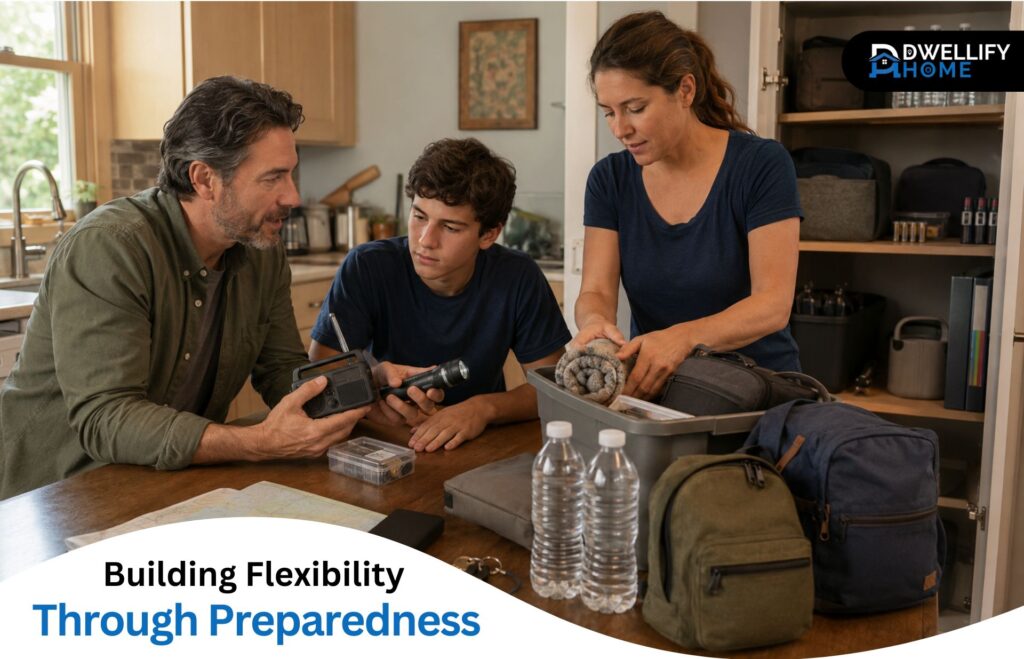
For example, if a storm knocks out power, you should not be deciding from scratch who calls the landlord, where the flashlights are, how to preserve refrigerated food, or what happens if school closes the next day. If a key employee is out unexpectedly, a workplace should not have to guess who can approve payments or access scheduling software. These may sound like minor details, but they are exactly the details that create panic when no one has answered them ahead of time.
Preparedness is really a way of pre deciding. You decide now how you want to respond later. That preserves energy for the parts of the situation you cannot control.
Drills Are About Confidence, Not Paranoia
A plan that lives only in a binder is not much of a plan. The real test is whether people can use it under pressure. That is why drills matter. They do not have to be dramatic or time consuming. A ten minute walk through can reveal more than a thirty page document.
Run a communication drill. What happens if text messages fail? Run a staffing drill. What happens if two people are absent on the same day? Run a home drill. How quickly can everyone leave the house and meet at the agreed spot? These exercises are not about expecting the worst every day. They are about making sure your response is familiar enough to feel automatic when needed.
The American Red Cross encourages households to make a plan, identify meeting places, and practice the plan so each person knows what to do in different emergencies. Their advice on making an emergency plan with your household is a useful reminder that confidence comes from repetition, not just intention.
Preparedness Is Also a People System
Many disruptions become harder not because the event is huge, but because communication breaks down. One person assumes another person handled it. Someone hoards information. A leader disappears into problem solving and forgets to update the team. Preparedness helps by assigning roles early.
Who makes the call to close for the day? Who contacts clients? Who checks on elderly relatives? Who knows where the documents are? Who has authority to spend emergency funds? These questions are not glamorous, but they create order. They also make teams more humane. People cope better when they know what is expected of them and who is looking out for what.
Cross training is one of the most practical forms of preparedness because it prevents fragile systems. If only one person knows how to do a critical task, then your system is not efficient. It is brittle. Flexibility grows when knowledge is shared, documented, and easy to access.
Money Is Part of Operational Resilience
Preparedness is often discussed as if it only involves flashlights, first aid kits, and evacuation routes. But financial preparedness is just as important. Cash flow problems can turn an inconvenience into a full blown emergency. A car repair, medical bill, or temporary income drop can force rushed choices that ripple into housing, food, and mental health.
That is why preparedness should include a simple money protocol. Know your minimum monthly expenses. Keep important account information organized. Review subscriptions and fixed costs. Decide in advance which expenses get reduced first if income changes. If debt payments are already squeezing every month, flexibility gets harder because there is no slack in the system. Preparedness, in that case, means dealing with known pressure points before an outside disruption makes them worse.
This perspective matters because resilience is not just about surviving rare disasters. It is also about handling ordinary instability without falling apart.
Build for Adjustment, Not Perfection
The strongest preparedness habits are not complicated. They are repeatable. Update contacts. Review risks. Practice scenarios. Back up essential documents. Cross train key tasks. Keep supplies where people can actually find them. Revisit the plan after something goes wrong and ask what needs to change.
That final step is important. Preparedness should evolve. Every disruption teaches you something about your blind spots, your bottlenecks, and your strengths. Over time, that learning creates real flexibility. You stop reacting as if every problem is a total surprise. You start responding with steadier hands because your systems were built to bend without breaking.
In the end, preparedness is not about trying to outsmart the future. It is about becoming less fragile when the future refuses to cooperate. That is what flexibility really looks like. It is not perfect foresight. It is practiced readiness.
We hope you found this article useful. Before you leave, explore more helpful posts from Dwellifyhome.com. Certain links may be affiliate or sponsored, and purchases made through them could earn us a small commission. These commissions support the operation and growth of our website. All opinions expressed are the author’s own and are not necessarily shared by Dwellifyhome.com.