
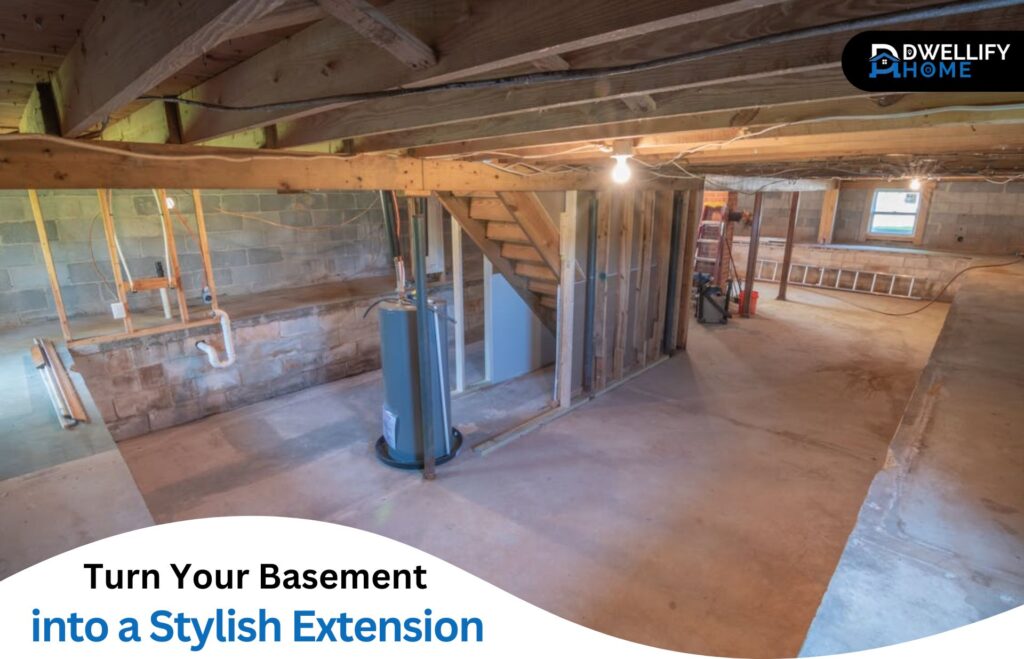
Have you ever looked at your basement and wondered why it feels more like a storage unit than part of your home? With housing costs rising and remote work still shaping daily life, people are rethinking every square foot. Even in places like Arlington Heights, IL, where suburban homes often come with generous basements, that space is being reimagined. A basement is no longer just “extra space.” It is a chance to extend how you live, work, and relax.
A stylish basement today blends comfort, function, and personality. It can become a home office, a guest suite, or even a small entertainment hub. The goal is not just to finish the space but to make it feel like it belongs upstairs.
Rethinking the Basement as Living Space
Many homeowners still treat basements as an afterthought, but that mindset is shifting fast. As more families stay home for work, school, and leisure, unused square footage feels like a missed opportunity. A finished basement can ease space pressure without the cost of moving.
Start by deciding how the space should function. A family with teenagers might want a lounge or gaming area, while someone working remotely may need a quiet office. Once the purpose is clear, design choices become easier. Lighting, furniture, and layout should support that main use instead of competing with it.
Planning with Purpose and Local Expertise
A well-designed basement does not happen by chance. It requires planning that considers moisture control, ceiling height, and proper insulation. Ignoring these basics often leads to spaces that look good for a year but age poorly.
Working with experienced professionals can make a major difference, especially in regions with harsh winters or humidity swings. For more information, visit https://www.matrixbasements.com/basement-finishing-chicago-il/arlington-heights/. Local expertise ensures that materials, layouts, and finishes hold up over time while still delivering a polished look that matches the rest of the home.
Lighting That Changes Everything
Basements often suffer from one major flaw: poor lighting. Without natural light, even the most expensive finishes can feel dull. The solution is to layer different types of lighting instead of relying on a single overhead fixture.
Recessed lights provide even brightness, while wall sconces add warmth. Floor lamps and LED strips can highlight specific areas like shelves or seating zones. Choosing light bulbs with a warm color temperature helps mimic daylight and makes the space feel inviting. Mirrors and light-colored walls can also reflect light and make the room appear larger than it actually is.
Flooring That Balances Style and Durability
Basement floors deal with more moisture and temperature changes than other parts of the house. That makes material choice critical. Hardwood may look great, but it often struggles in damp conditions.
Luxury vinyl planks are a popular option because they resist moisture and still offer a wood-like appearance. Polished concrete is another choice that works well in modern designs, especially for open layouts. Adding area rugs softens the look and creates defined zones without sacrificing durability. The key is to pick flooring that can handle real-life conditions while still supporting the overall design theme.
Creating Zones for Multi-Use Living
One of the biggest trends in home design is flexibility. A basement can serve more than one purpose if the layout is planned carefully. Instead of one large open room, consider dividing the space into smaller zones.
A seating area can sit near a TV or projector, while a corner desk creates a quiet workspace. Adding a small bar or snack station turns the basement into a social hub during gatherings. Using furniture placement, rugs, and shelving helps define each area without the need for full walls. This approach keeps the space open while still making it functional for different activities.
Storage That Looks Intentional
Even a stylish basement needs storage, but it does not have to look like a clutter zone. Built-in shelves and cabinets can hide items while still adding visual interest. Closed storage works best for seasonal items, while open shelving can display books, decor, or collectibles.
Under-stair storage is often overlooked but can be turned into a practical feature. Custom drawers or cabinets in that space keep things organized without taking up extra room. The goal is to make storage feel like part of the design instead of an afterthought. When done right, it actually enhances the overall look of the basement.
Adding Personality Through Design Details
A basement should not feel like a copy of the upstairs. It is a chance to experiment with bolder styles or themes that might not fit elsewhere in the home. Darker wall colors, textured finishes, or statement lighting can create a unique atmosphere.
For example, a media room might use deep blues or grays to reduce glare, while a guest suite could lean into soft, neutral tones for comfort. Artwork, throw pillows, and accent furniture help tie the space together. Personal touches make the basement feel lived-in and intentional, rather than just an extension of storage space.
Future-Proofing for Changing Needs
Designing a basement today means thinking about how it will be used in the future. Families grow, work habits shift, and what feels perfect now may need to adapt later. Flexible design choices can save time and money down the road.
Consider adding extra electrical outlets, soundproofing, or plumbing rough-ins for a future bathroom or kitchenette. Modular furniture can be rearranged as needs change. Even leaving some open space allows for future upgrades without major renovations. A well-planned basement evolves with the household instead of becoming outdated.
A stylish basement is not just about aesthetics. It reflects how people are redefining home life in a time when space matters more than ever. With thoughtful design, practical choices, and a bit of creativity, that once-forgotten level can become one of the most valuable parts of your home.
Before you click away, why not check out a few more of our helpful articles? Please be aware that some of the links in this article may be affiliate or sponsored links. If you make a purchase through them, we may earn a small commission — which helps us continue creating content and growing Dwellifyhome.com. The thoughts and opinions expressed in this post are solely the author’s and do not necessarily reflect those of Dwellifyhome.com.