Severe weather often leaves homeowners wondering whether their roofs suffered damage. Heavy rain, hailstones, and strong winds place significant pressure on roofing materials. While some problems appear immediately, others develop slowly and remain unnoticed until water enters your home.
Hail and wind roof damage affects shingles, flashing, gutters, and underlying roofing structures. Even minor damage increases the risk of leaks, moisture buildup, and expensive repairs when left untreated.
Understanding how storms affect your roof helps you identify warning signs and take appropriate action. Regular inspections and timely maintenance also protect your property against future weather events.
What Are the Common Types of Storm Roof Damage?
Storms affect roofs differently depending on wind speed, hailstone size, roofing materials, and existing roof conditions.
How Hailstorms Affect Different Roofing Materials
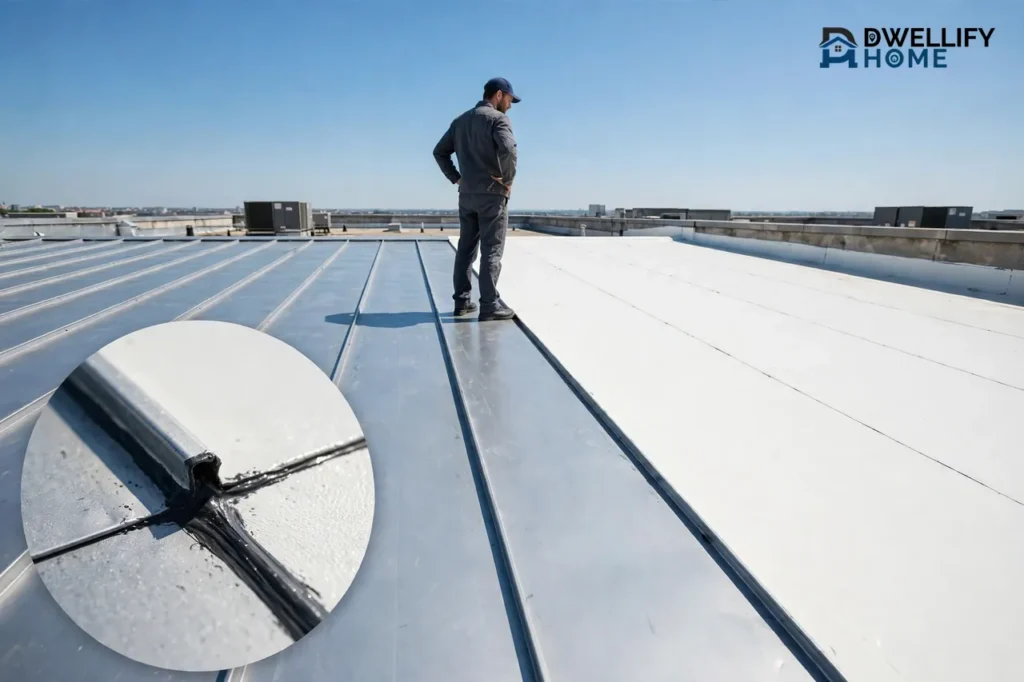
Hailstones strike roofing surfaces with considerable force. Asphalt shingles often develop dents, cracks, or missing protective granules. Metal roofs sometimes show visible dents, while clay and concrete tiles risk cracking under severe impacts.
Repeated impacts weaken roofing materials and reduce their ability to prevent water intrusion.
How Strong Winds Affect Roofing Materials
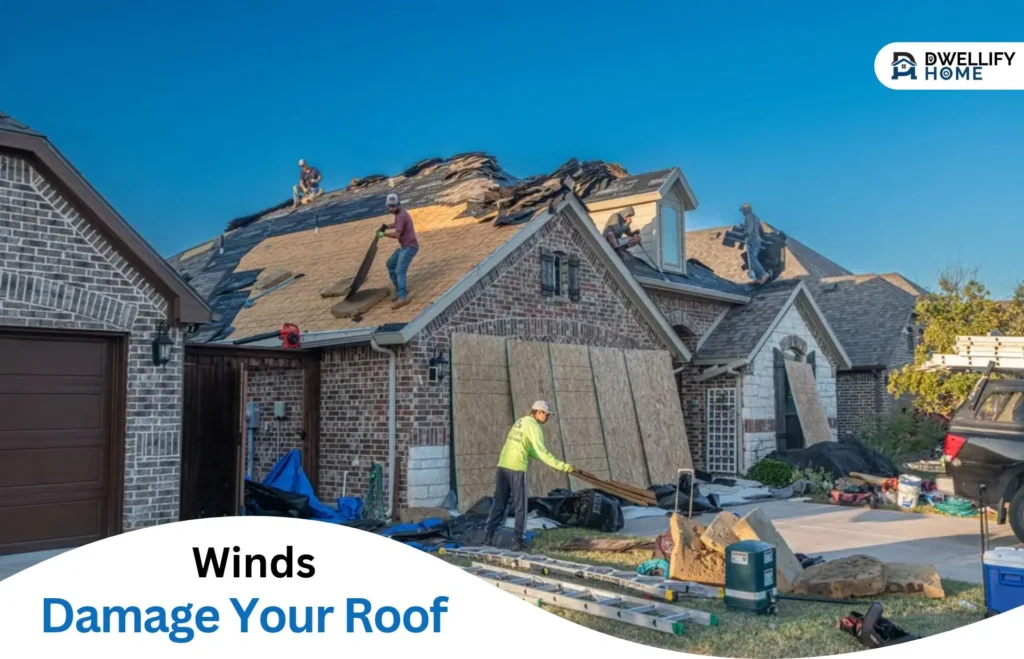
Strong winds create pressure differences across roofing surfaces. These forces lift shingle edges, loosen fasteners, and damage flashing around chimneys and vents.
Older roofing materials face greater risks because prolonged exposure to sunlight and temperature changes reduces flexibility.
Why Storm Damage Should Never Be Ignored
Roof damage after a severe storm often starts with small defects. A lifted shingle or cracked seal allows rainwater to reach underlying materials.
Over time, moisture damages insulation, roof decking, and interior ceilings. Early repairs help prevent these problems from spreading.
How Does Hail Damage Roof Shingles and Other Materials?
Hail damage varies according to impact force, roof age, and material condition. Understanding these differences helps homeowners recognize potential problems.
Common Signs of Hail Damage to Roof Shingles
Hail damage to roof shingles often appears as dark impact marks, missing granules, or small surface depressions.
Granules protect asphalt shingles from ultraviolet exposure. When hail removes this protective layer, shingles deteriorate faster.
Severe impacts also fracture the underlying fiberglass mat, reducing the shingle’s ability to resist moisture.
How Hail Size and Wind Speed Influence Damage
Larger hailstones generally deliver stronger impacts. Wind-driven hail also strikes roofing surfaces at different angles, increasing exposure along roof slopes and edges.
Existing wear, installation quality, and roofing material thickness influence the extent of damage.
Long-Term Effects of Untreated Hail Damage
Damaged shingles gradually lose their protective properties. Water enters weakened areas and contributes to wood deterioration, insulation damage, and interior staining.
Addressing these issues early often reduces repair costs.
What Are the Signs of Wind Damage to a Roof?
Wind damage often affects exposed roof edges, corners, and areas surrounding roof penetrations.
Missing, Lifted, or Curling Shingles
Missing shingles expose the underlayment to rain and sunlight. Lifted shingles also create openings where wind-driven rain enters.
Check your yard for roofing debris after severe weather. Shingle fragments often indicate damage above.
Damaged Flashing, Gutters, and Roof Edges
Strong winds loosen metal flashing, bend gutters, and displace roof-edge components.
These problems disrupt drainage and increase the likelihood of moisture entering vulnerable roofing joints.
Hidden Structural Damage
Severe winds sometimes loosen roof decking connections or damage supporting components.
Professional assessments help identify structural concerns beyond visible surface damage.
How Should You Respond to Roof Damage After a Severe Storm?
Your first priority involves protecting your household and preventing additional damage.
Document Visible Roofing Problems
Inspect your property from ground level after conditions become safe. Photograph fallen shingles, damaged gutters, and visible roof defects.
Keep records of storm dates, repair estimates, and inspection findings. Documentation supports discussions with roofing contractors and insurance providers.
Arrange Appropriate Storm Repairs
Professional roof repair after hail and wind damage starts with identifying affected materials and evaluating moisture exposure.
Homeowners seeking storm damage repair in Kankakee County, IL like N & I Roofing that prioritize a thorough damage assessment before approving repairs.
Depending on the findings, repairs involve replacing shingles, securing flashing, restoring damaged decking, or addressing water intrusion.
Avoid climbing onto a damaged roof. Wet surfaces, loose materials, and weakened structures create serious fall hazards.
How Do You Identify Hail Damage During a Roof Inspection?
Understanding how to identify hail damage on a roof helps you recognize when professional attention becomes necessary.
Visible Warning Signs Around Your Property
Look for dents in gutters, damaged window screens, and impact marks on exterior metal surfaces.
These signs suggest hail reached your property, although exterior dents alone do not confirm roof damage.
What Happens During a Professional Inspection?
A hail damage roof inspection evaluates shingles, flashing, vents, gutters, and vulnerable roof connections.
Roofing professionals also examine granule loss, impact fractures, and signs of water infiltration.
For homeowners arranging a roof inspection near New Lenox, Illinois, requesting photographs and written findings helps clarify the roof’s condition.
When Should You Contact a Roofing Professional?
Schedule an assessment when you notice missing shingles, ceiling stains, damaged flashing, or significant hail impacts.
Prompt inspections help identify problems before additional rainfall worsens existing damage.
When Should You Repair or Replace a Storm-Damaged Roof?
Choosing between repair and replacement depends on damage severity, roof age, and the condition of surrounding materials.
When Roof Repairs Are Sufficient
Localized damage often requires replacing individual shingles, repairing flashing, or securing loose components.
Repairs work best when surrounding roofing materials remain structurally sound.
When to Replace a Storm-Damaged Roof
Widespread shingle deterioration, repeated leaks, damaged decking, and extensive storm impacts sometimes make replacement more practical.
A professional assessment helps determine whether targeted repairs offer adequate long-term protection.
How Do You Protect Your Roof From Future Storm Damage?
Knowing how to protect your roof from storm damage starts with consistent maintenance.
Schedule Regular Roof Maintenance
Arrange periodic inspections, particularly after significant storms. Address loose flashing, damaged shingles, and drainage problems promptly.
Choose Durable Roofing Materials
When replacing your roof, consider materials with appropriate impact-resistance and wind-resistance ratings.
Proper installation and fastening also influence storm performance.
Maintain Trees and Gutters
Trim branches near your roof and remove debris from gutters. Clear drainage channels help prevent water accumulation during heavy rainfall.
Why Does Early Action Against Hail and Wind Roof Damage Matter?
Storm damage often becomes more expensive when homeowners overlook early warning signs. Missing shingles, damaged flashing, and hail impacts create openings for moisture and accelerate roofing deterioration.
Inspect your property safely after severe weather, document visible problems, and arrange professional evaluations when necessary.
Addressing roofing defects promptly helps protect your home’s structure, reduce avoidable expenses, and maintain dependable protection against future storms.
This article may include links associated with affiliate programs or paid sponsorships. Dwellifyhome.com may receive compensation through these arrangements, depending on the terms of the partnership and any qualifying transactions.